

Heating Pad for Neck Pain: Best Picks + How to Choose the Right One
If you're dealing with stiffness, tension, or soreness in your neck and shoulders, a well-designed heating pad for neck pain can offer fast, targeted relief. Heat therapy is commonly recommended for relaxing tight muscles, improving circulation, and restoring mobility—especially when discomfort is caused by poor posture, stress, or overuse.
This guide explains when heat therapy works best, when to avoid it, how to choose the right heating pad, and the features that matter most for safe, effective relief.

Targeted heat therapy for neck and shoulder comfort
Heating Pad for Neck Pain: When Heat Helps and When It Doesn't
For many people, a heating pad for neck pain provides meaningful relief by relaxing tense muscles and improving blood flow to stiff tissues. If you've ever wondered, does a heating pad help with neck pain? the answer is yes—provided the pain is muscular rather than inflammatory.
Heat therapy is particularly helpful for:
- Muscle tightness after long hours at a desk
- Stress-related tension headaches that begin in the neck
- Morning stiffness after sleeping in an awkward position
- Chronic neck and shoulder discomfort caused by posture
However, heat is not appropriate for every situation. Avoid using a heating pad immediately after a new injury if swelling, bruising, or significant inflammation is present. In those cases, cold therapy is generally the better first choice during the initial 24 to 48 hours.
What Causes Neck Pain?
Understanding the underlying cause of neck pain helps determine whether heat therapy is likely to be effective.
Muscle Strain and Poor Posture
The most common cause of everyday neck pain is muscle strain from prolonged computer work, frequent phone use, driving, or poor sleeping positions. Tight muscles often respond well to heat because warmth encourages relaxation and improves tissue flexibility.
Stress-Related Muscle Tension
Emotional stress often causes people to unconsciously tighten the muscles around the neck, shoulders, and upper back. This tension can trigger stiffness, reduced range of motion, and headaches. Using heat for a stiff neck may help interrupt this cycle by relaxing contracted muscles.
Pinched Nerves and Arthritis
Degenerative arthritis, cervical spondylosis, or irritated nerves can also contribute to chronic neck pain. While heat won't treat the underlying condition, it may reduce muscle guarding and improve comfort before gentle movement or stretching.
When Neck Pain Needs Medical Evaluation
Seek medical care instead of relying on heat therapy if neck pain follows significant trauma, is accompanied by fever, numbness, weakness, loss of coordination, severe headaches, or pain that radiates persistently into the arms. These symptoms may indicate conditions requiring prompt evaluation.
Does a Heating Pad Help with Neck Pain?
When Heat Is Most Effective
Yes, a heating pad helps with neck pain by increasing local circulation, reducing muscle spasms, and making connective tissues more flexible. Improved blood flow delivers oxygen and nutrients that support recovery while helping muscles relax.
People often notice the greatest benefit when using heat before gentle stretching, after long workdays, or whenever muscles feel tight rather than swollen.
When Heat Should Be Avoided
A heating pad should generally be avoided over areas with active swelling, fresh injuries, infections, open wounds, or reduced skin sensation. Applying heat too early after an injury may worsen inflammation instead of relieving it.
How Heat Therapy for Neck and Shoulder Pain Works
Improves Circulation
Heat causes blood vessels to expand, increasing circulation to muscles and surrounding soft tissues. Better circulation supports tissue recovery while helping remove metabolic waste that can contribute to soreness.
Relaxes Tight Muscles
Warmth decreases muscle tension, making it easier for muscles around the cervical spine and shoulders to relax. This often reduces the sensation of tightness associated with prolonged sitting or repetitive activities.
Reduces Stiffness
Heat therapy improves tissue elasticity, making movement feel smoother and less restricted. Many people find neck rotation and shoulder movement become easier following a 15 to 20-minute heat session.
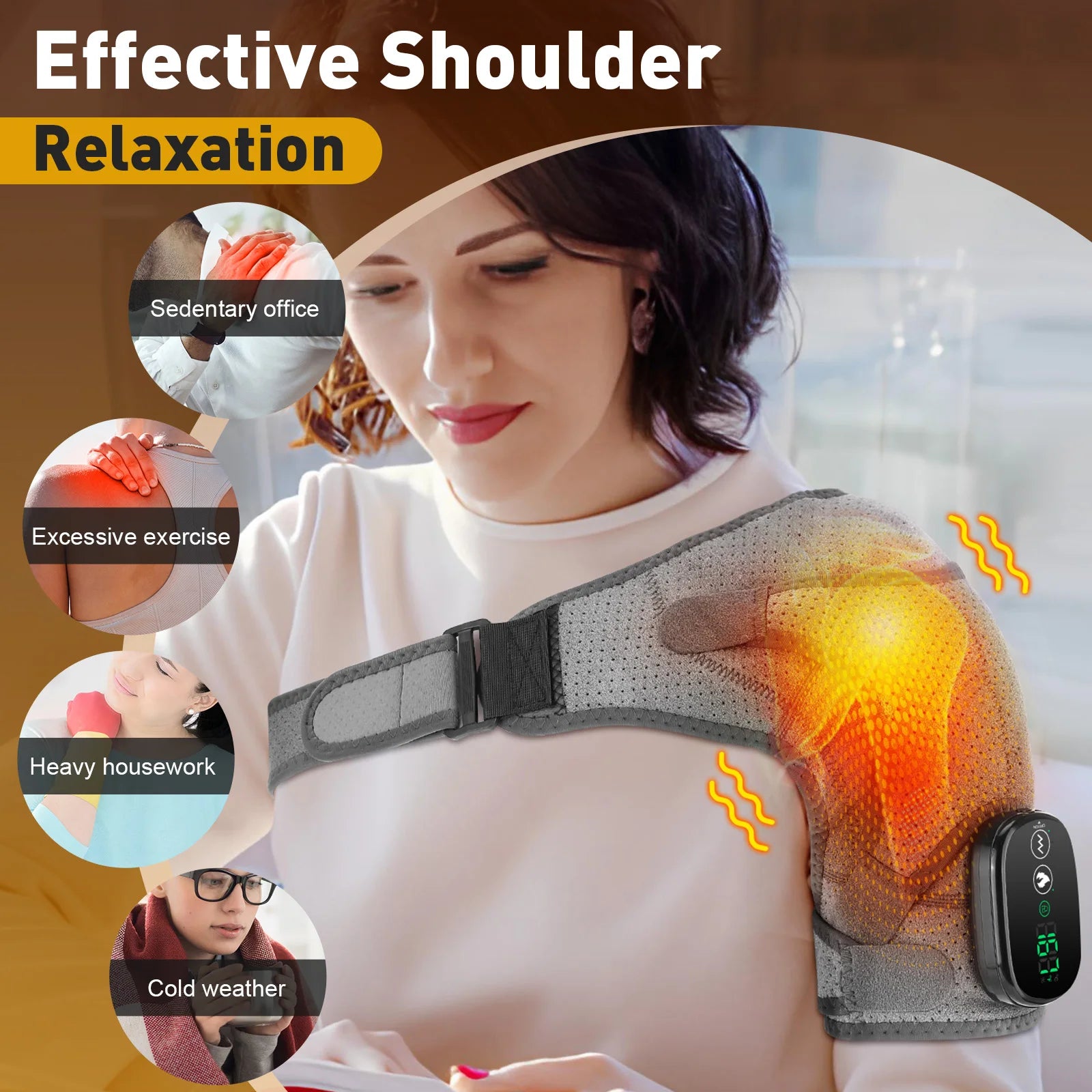
Consistent heat helps relax deep muscle tension
Heat vs Cold for Neck Pain: Which Should You Choose?
Decision Guide by Symptoms
- Choose heat: Muscle stiffness, chronic tension, poor posture, stress-related pain, limited flexibility.
- Choose cold: Recent injury, swelling, inflammation, bruising, or sudden sharp pain after trauma.
For the average person experiencing neck discomfort after work or sleep, heat therapy is usually the better option because the primary issue is muscle tightness rather than inflammation.
Switching from Ice to Heat
After an acute injury, cold therapy is generally preferred during the first 24 to 48 hours to help control swelling. Once inflammation begins to subside and stiffness becomes the main problem, switching to heat may improve comfort and mobility.
When to Use a Hot Compress for Neck Pain
Morning Stiffness
A hot compress can help loosen muscles that tighten overnight, making morning movement more comfortable before starting daily activities.
Desk Work Tension
People who spend hours at a computer often benefit from applying heat after work to relieve muscle fatigue caused by sustained posture.
Exercise Recovery
After intense workouts involving the shoulders or upper back, gentle heat may help relax muscles once acute inflammation has settled.
Avoid heat if the area is visibly swollen, recently injured, or if redness and warmth suggest ongoing inflammation.
Exercises and Habits That Improve Heat Therapy Results
Gentle Neck Stretches
After applying heat, perform slow neck rotations, side bends, and chin tucks within a comfortable range. Warm muscles typically respond better to stretching than cold muscles.
Posture Correction
Maintain your monitor at eye level, keep shoulders relaxed, and avoid holding your phone between your ear and shoulder. Small posture improvements can reduce recurring muscle strain.
Sleep Ergonomics
Choose a supportive pillow that keeps your neck aligned with your spine. Sleeping positions that maintain neutral alignment may reduce morning stiffness and decrease the need for daily heat therapy.
How to Choose the Best Heat Pad for Shoulder and Neck Pain
Coverage
Choose a contoured wrap if pain extends across the neck, shoulders, and upper back. Larger coverage distributes heat more evenly over multiple muscle groups.
Temperature Settings
Multiple heat levels allow you to customize treatment according to comfort and pain severity. Consistent temperature control also reduces the risk of overheating.
Moist vs Dry Heat
Dry heat is convenient for daily use, while moist heat may penetrate tissues more effectively for some users and provide additional comfort during longer sessions.
Corded vs Cordless
Corded heating pads provide continuous heat without battery limitations, making them suitable for home use. Cordless models offer greater mobility for commuting, office work, or relaxing away from an outlet.
- Ergonomic design: Should contour naturally around the neck and shoulders.
- Soft fabric: Breathable materials improve comfort during longer sessions.
- Automatic shut-off: Essential for safe everyday use.
- Washable cover: Makes routine maintenance easier.
Best Heating Pad for Neck Pain (Top Picks by Use Case)
The ideal heating pad depends on your symptoms, daily routine, and preferred treatment style.
Best Overall
Look for an ergonomically shaped wrap that evenly covers the neck and shoulders, offers multiple temperature settings, and includes automatic shut-off for safety.
Best for Shoulder Coverage
If discomfort spreads into the upper back, choose a wrap-style heating pad with wide shoulder panels that maintain consistent contact during movement.
Best Cordless
Battery-powered heating pads are excellent for commuting, office use, travel, or anyone who prefers treatment without being connected to a power outlet.
Best Budget
Affordable heating pads can still provide effective relief when they offer stable heating performance, comfortable materials, and basic safety features.
Best Deep Heat
For recurring muscle stiffness or chronic tension, larger pads designed to maintain steady warmth for extended sessions often provide more consistent comfort.
How to Use a Heating Pad for Neck Pain Safely
Recommended Temperature
Use a low to medium heat setting that feels comfortably warm without becoming excessively hot. Higher temperatures do not necessarily produce better results and may increase the risk of burns.
How Long to Use Heat
Apply the heating pad for 15 to 20 minutes per session. Daily use is generally acceptable when heat is used appropriately and the skin is monitored for irritation.
Best Positions
Sit comfortably with your shoulders relaxed or recline in a supportive chair while allowing the heating pad to wrap naturally around your neck and shoulders.
Safety Precautions
- Check your skin regularly during treatment.
- Use a fabric barrier if the heat feels too intense.
- Do not apply heat to areas with reduced sensation.
- Avoid using heat over swollen or freshly injured tissue.
- Never fall asleep while using a heating pad unless the product is specifically designed and approved for overnight use.
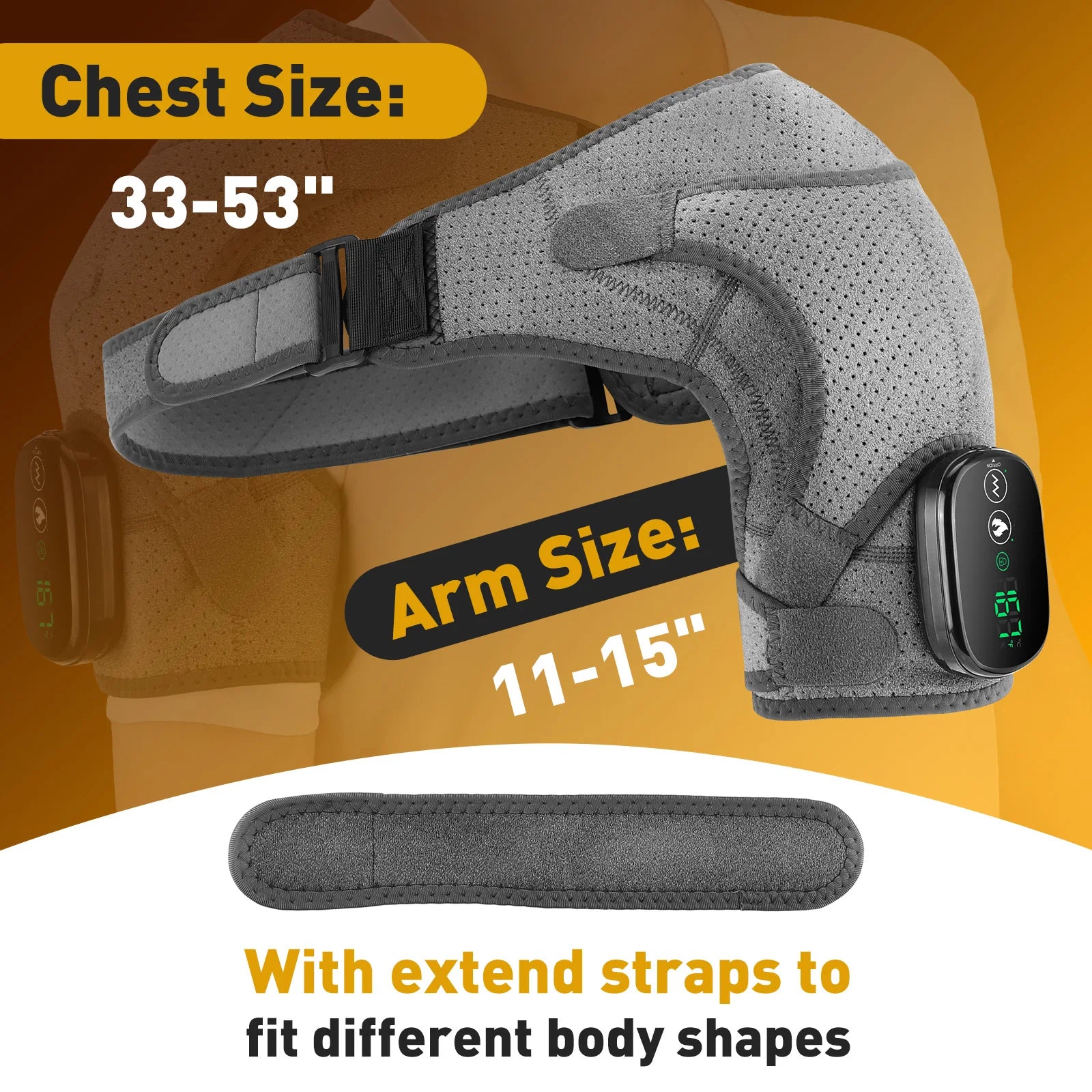
Targeted heat therapy for everyday relief
Frequently Asked Questions
Can I use a heating pad every day?
Yes. Daily use is generally safe for muscle tension and chronic stiffness when sessions are limited to about 15 to 20 minutes using moderate heat.
How long should I leave a heating pad on my neck?
Most people benefit from sessions lasting 15 to 20 minutes. Longer treatments usually provide little additional benefit and may increase the risk of skin irritation.
Should I sleep with a heating pad?
No. Sleeping with a standard heating pad is not recommended because prolonged heat exposure increases the risk of burns and overheating.
When should I use ice instead of heat?
Use ice for recent injuries, swelling, inflammation, or bruising during the first 24 to 48 hours. Switch to heat once stiffness becomes the primary concern.
Can heat make neck pain worse?
Yes. Heat can worsen symptoms if applied to acute injuries with active inflammation or swelling. If pain increases noticeably during treatment, discontinue use and reassess the underlying cause.
What is the best heat therapy for shoulder pain?
Wrap-style heating pads that cover the neck, shoulders, and upper back provide the most comprehensive treatment for muscle tension affecting multiple areas.
Explore more comfort-focused tools in Body Care and Health Devices to support your daily wellness routine.
Related Guide: Heated Shoulder and Neck Massager: Features That Transform Relief













