

Is Heat Therapy Good for Neck Pain?
Yes. Heat therapy for neck pain is one of the most effective home treatments for muscle-related stiffness, tension, and soreness. Gentle warmth increases circulation, relaxes tight muscles, improves flexibility, and makes everyday movement more comfortable. It is especially helpful for neck discomfort caused by poor posture, prolonged computer use, stress, or muscle overuse.
Heat therapy works best once the initial inflammatory stage has passed. If your neck pain is accompanied by swelling, redness, or results from a recent injury within the last 24 to 48 hours, cold therapy is generally the better first choice before switching to heat.
- Relaxes tight muscles and reduces muscle spasms
- Improves blood flow to support natural recovery
- Reduces stiffness and improves range of motion
- Provides soothing pain relief for chronic neck tension
Heat Therapy for Stiff Neck: How to Use It Safly for Fast Relief
Heat therapy for stiff neck relief has evolved far beyond basic hot packs. Today's solutions provide controlled, targeted warmth that fits busy lifestyles—whether you're working at a desk, recovering after exercise, or managing recurring neck tension. Learning how to apply heat safely can maximize comfort while minimizing the risk of skin irritation.
⏱ 7 min read
Targeted heat therapy for stiff neck relief in real-life use. See it in action.
When to Use Heat vs. Ice for Neck Pain
Choosing between heat and cold therapy depends on whether your neck pain is caused by muscle tension or acute inflammation.
Use Heat Therapy When
- Your neck feels stiff or tight without noticeable swelling.
- Pain develops gradually from poor posture or prolonged desk work.
- You have muscle spasms or chronic discomfort lasting longer than 48 hours.
- You want to improve flexibility before gentle stretching.
Use Cold Therapy When
- You recently injured your neck within the past 24 to 48 hours.
- The area is swollen, inflamed, or bruised.
- Your neck feels warm or tender following trauma.
Quick Heat vs. Ice Decision Guide
| Condition | Best Option |
|---|---|
| Muscle tightness | Heat therapy |
| Poor posture | Heat therapy |
| Stress-related neck tension | Heat therapy |
| Recent injury | Cold therapy |
| Swelling or inflammation | Cold therapy |
After inflammation subsides, many people transition from ice to heat therapy to restore mobility and reduce lingering muscle stiffness.
How Heat Therapy Works for Neck Pain
Heat therapy increases blood flow by widening nearby blood vessels. Improved circulation delivers oxygen and nutrients to tired muscles while helping remove metabolic waste that contributes to soreness.
- Improves circulation: Supports tissue recovery and healing.
- Relaxes muscles: Reduces tightness and muscle guarding.
- Improves flexibility: Makes stretching easier and more comfortable.
- Decreases pain sensitivity: Warmth helps reduce discomfort signals reaching the brain.
Although heat therapy does not treat underlying structural conditions, it can significantly improve comfort and mobility for people experiencing neck muscle tension relief from posture, stress, or repetitive movement.
How to Use Heat Therapy for Neck Pain Safely
Choose the Right Heat Source
Popular options include electric heating pads, heated neck braces, warm compresses, microwavable heat packs, and warm showers. Select a method that comfortably covers the affected muscles.
Step-by-Step Application
- Choose a comfortable heat source.
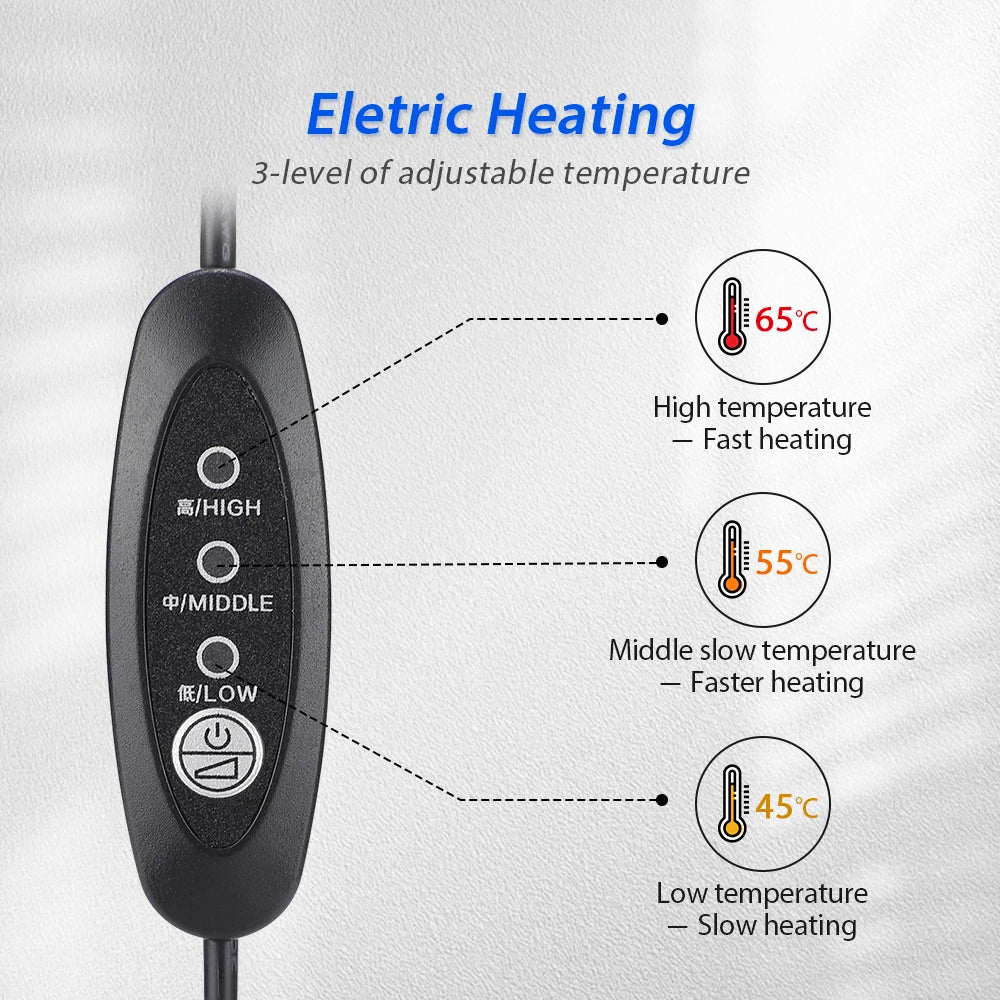
- Set it to a warm, comfortable temperature rather than maximum heat.
- Apply directly over tight neck muscles.
- Relax while maintaining good posture.
- After treatment, perform gentle neck mobility exercises.
Temperature, Duration, and Frequency
- Apply heat for 15 to 20 minutes.
- Repeat up to three times daily if needed.
- Allow your skin to cool between sessions.
- Stop immediately if your skin becomes excessively red or uncomfortable.
Using moderate warmth consistently is more effective than applying intense heat for long periods.
How Long Should You Apply Heat to Neck Pain?
For most adults, 15 to 20 minutes per session provides effective heat therapy for neck pain while reducing the risk of burns or skin irritation.
- Use up to three sessions each day.
- Allow adequate cooling between treatments.
- Follow heat therapy with gentle stretching and light movement.
- Discontinue if symptoms worsen instead of improving.
If your neck pain continues for several days, becomes severe, or is associated with numbness, weakness, fever, or significant injury, seek medical evaluation.
Moist Heat vs Dry Heat for Neck Pain: Which Is Better?
Both moist and dry heat provide effective relief. The best choice depends on your symptoms and lifestyle.
Moist Heat
- May penetrate muscles more effectively.
- Often preferred for chronic muscle tightness.
- Examples include warm towels, steam therapy, and hot showers.
Dry Heat
- Convenient for home and office use.
- Provides consistent temperature control.
- Examples include electric heating pads and heated wraps.
Many people alternate between moist and dry heat depending on convenience and symptom severity.
Best Heat Therapy Options for Neck Pain
Electric Heating Pad for Neck and Shoulders
Electric heating pads provide adjustable temperatures and even heat distribution, making them one of the best heat therapy options for neck stiffness at home.
Heated Neck Brace
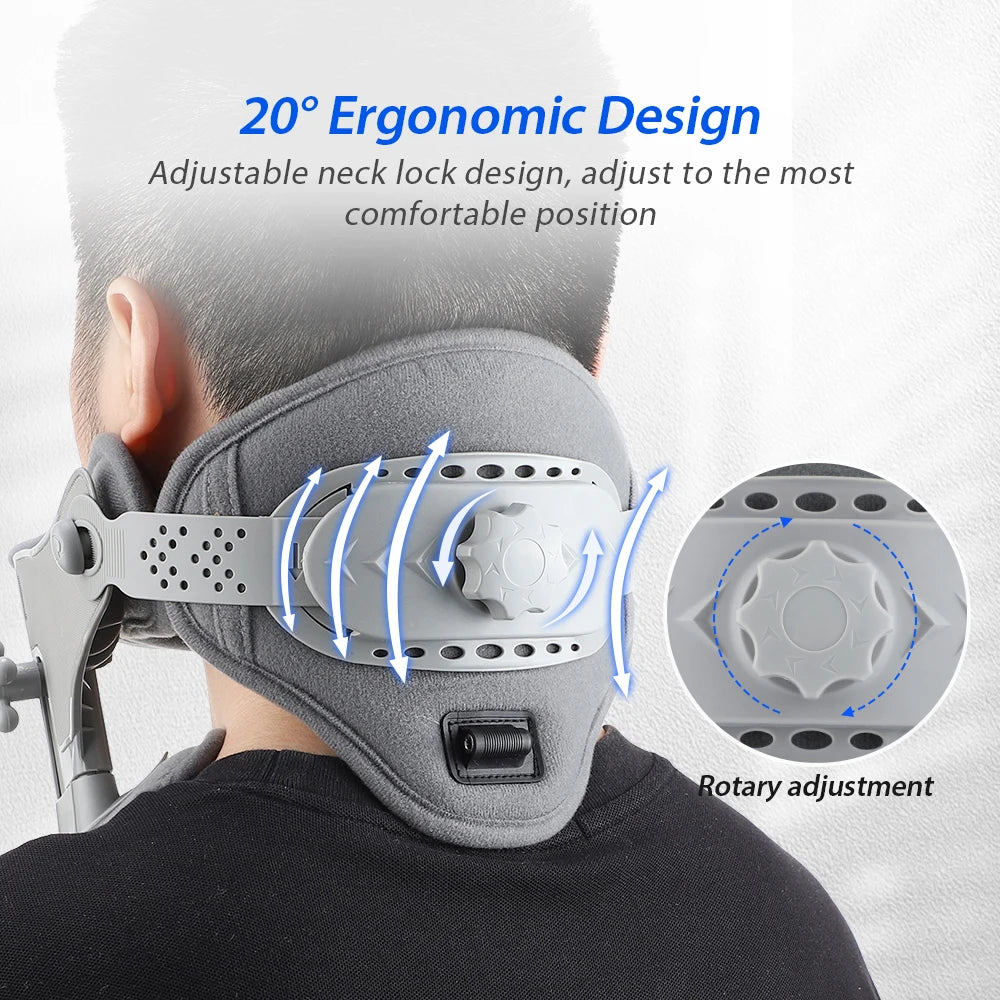
A heated neck brace combines warmth with gentle support, making it a practical option during work, travel, or extended sitting.
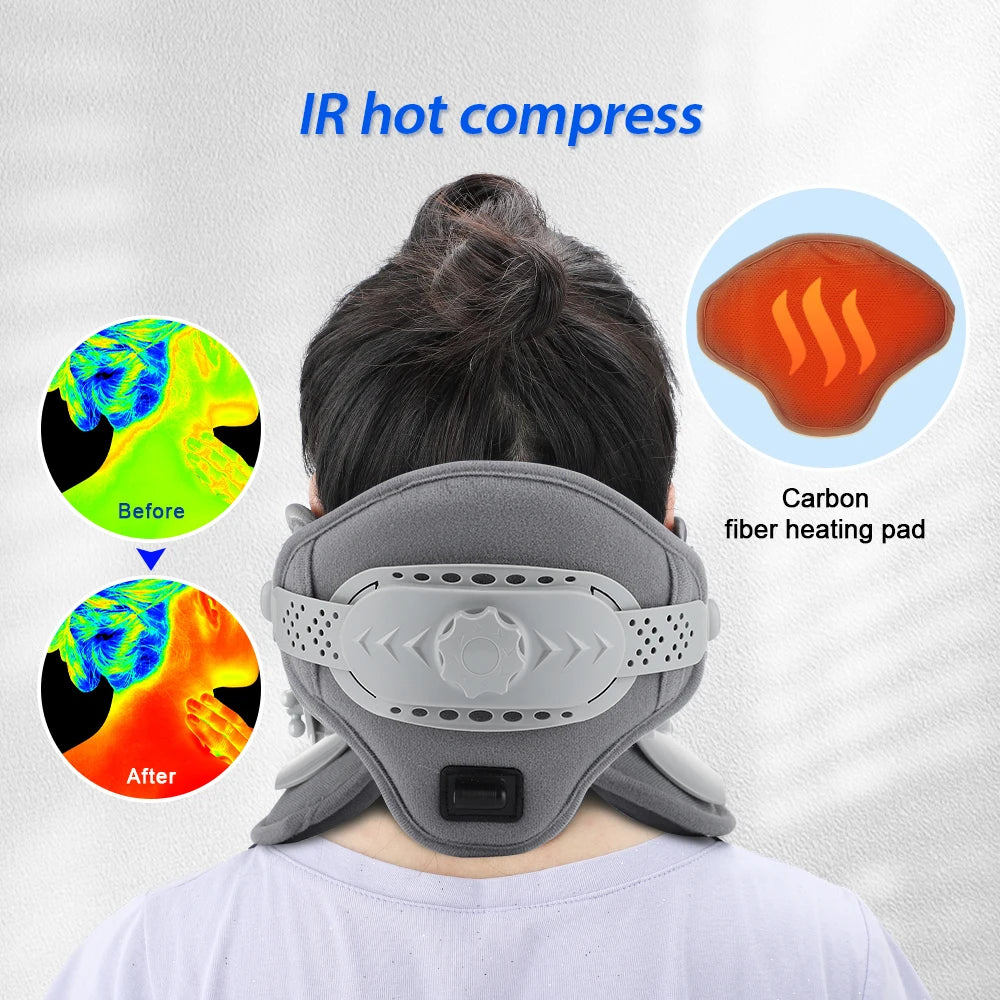
Hands-free heated neck brace for daily neck muscle tension relief. See it in action.
Heat Pack, Warm Towels, and Hot Showers
Reusable heat packs, warm towels, and hot showers offer inexpensive, accessible relief when specialized devices are unavailable. While they may not maintain temperature as consistently as electric devices, they remain effective for mild to moderate neck stiffness.
Choosing the right heat therapy for stiff neck relief. See it in action.
Who Should Avoid Heat Therapy and When to See a Healthcare Provider
When Heat Is Not Recommended
- Recent injuries with swelling or inflammation.
- Broken or infected skin.
- Areas with reduced sensation where burns may go unnoticed.
- High fever or unexplained neck pain.
Warning Signs Requiring Medical Care
Consult a healthcare provider if your neck pain is accompanied by severe headache, numbness, weakness, difficulty walking, fever, unexplained weight loss, or symptoms that persist despite several days of appropriate self-care.
Daily Routine for Neck Pain Relief
Combine Heat with Stretching
- Apply heat for 15 to 20 minutes.
- Perform slow neck stretches afterward.
- Repeat daily to maintain flexibility.
Posture and Ergonomic Tips
- Keep monitors at eye level.
- Take movement breaks every 30 to 60 minutes.
- Maintain neutral head posture while using phones.
- Sleep with supportive pillows that keep the neck aligned.
Combining heat therapy with good posture habits offers better long-term results than relying on heat alone.
Common Heat Therapy Mistakes to Avoid
- Using temperatures that are too hot.
- Applying heat for longer than 20 to 30 minutes.
- Falling asleep while using a heating pad.
- Applying heat immediately after an acute injury.
- Ignoring worsening pain or neurological symptoms.
Safe, consistent use is more beneficial than aggressive treatment.
What Research Says About Heat Therapy for Neck Pain
Clinical research supports superficial heat therapy as an effective short-term treatment for muscular neck pain and stiffness. Heat can reduce pain, improve flexibility, and make therapeutic exercise more comfortable. Most clinical guidelines recommend combining heat with movement, stretching, posture correction, and activity modification rather than using heat therapy alone.
Although heat therapy provides meaningful symptom relief, persistent or recurring neck pain should be evaluated to identify underlying causes requiring additional treatment.
Frequently Asked Questions
Is heat good for neck pain?
Yes. Heat is effective for muscle tension, stiffness, and chronic neck discomfort after the initial inflammatory period.
How long should I use heat therapy for neck pain?
Apply heat for approximately 15 to 20 minutes per session, up to three times daily.
Can I use heat therapy every day?
Yes, daily use is generally safe when following recommended temperatures and treatment durations.
Should I sleep with a heating pad on my neck?
No. Sleeping with an active heating pad increases the risk of burns and overheating. Always turn heating devices off before sleeping.
What is the best heat therapy for neck stiffness?
Electric heating pads, heated neck braces, and moist heat methods all work well. The best option depends on your lifestyle and comfort preferences.
Does moist heat work better than dry heat?
Moist heat may provide deeper muscle relaxation for some people, while dry heat offers greater convenience and consistent temperature control. Both are effective for relieving neck pain.
Related Guide: Neck Massager Portable Compared for Workday Relief













