

Does a heated air dryer for clothes really dry garments safely indoors?
Yes. A heated air dryer for clothes is designed to dry garments safely indoors by circulating controlled warm air instead of exposing fabrics to the intense temperatures used by many conventional tumble dryers. The best air dryers for clothes provide consistent airflow that helps remove moisture evenly, supports drying clothes without shrinking, and reduces indoor dampness when used in a well-ventilated space. While they generally take longer than full-size tumble dryers, they consume far less electricity, operate quietly, and are an excellent choice for apartments, rainy weather, delicate clothing, and households looking for an energy-efficient indoor drying solution.
Best Heated Clothes Airer: Features, Comparisons, and Buying Guide for Faster Indoor Drying
⏱ 8 min read
A heated air dryer for clothes offers a practical alternative to traditional tumble dryers for anyone who needs reliable indoor laundry drying. Whether you live in a compact apartment, experience long rainy seasons, or simply want to lower energy costs, a heated air clothes dryer provides gentle, fabric-safe warmth that speeds up drying while helping preserve the shape, softness, and lifespan of your clothing. This guide explains how heated clothes airers work, what features matter most, and what to expect from their drying performance.
Explore how today's heated air dryer for clothes transforms daily laundry routines with smarter airflow and fabric-safe heat.
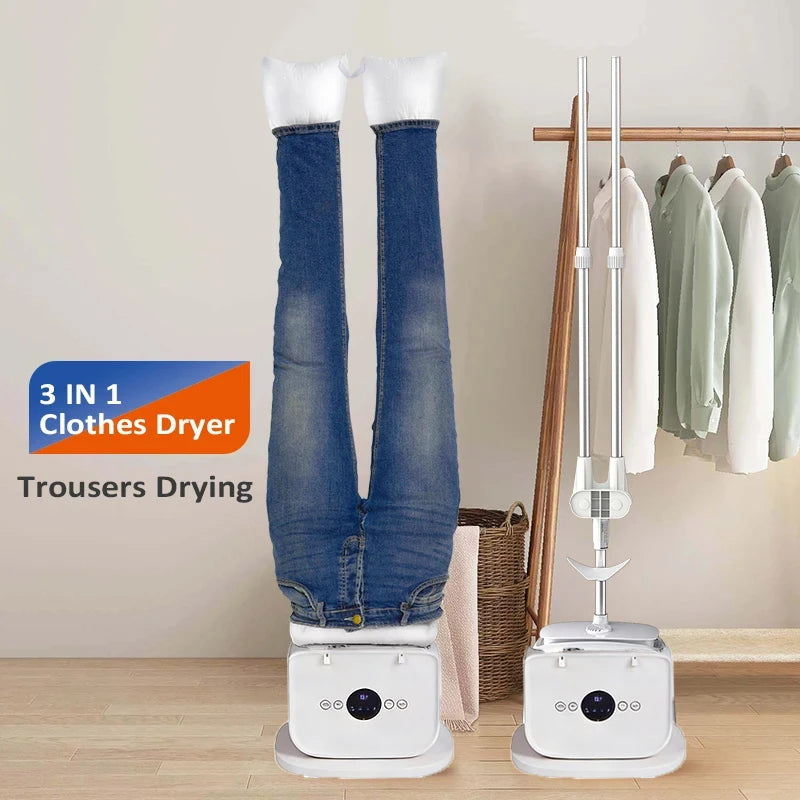
Indoor heated clothes airer setup for gentle, efficient drying — See it in action
How Heated Clothes Airers Work
Heating element and rack design
A heated clothes airer combines a traditional drying rack with low-wattage electric heating elements built into its bars. Once switched on, the bars warm gradually, transferring gentle heat directly to damp garments. This controlled warmth accelerates evaporation while avoiding the high temperatures that can contribute to shrinking, fading, or excessive fabric wear.
Because clothes remain stationary rather than tumbling continuously, delicate items often retain their shape better than when dried in conventional machines. This makes a heated airer for clothes particularly suitable for knitwear, sportswear, baby clothes, and other garments that benefit from low-temperature drying.
Airflow circulation systems
Many heated air clothes dryers improve performance by combining radiant heat with enclosed airflow. Models equipped with a removable drying cover trap warm air around the laundry, creating a compact drying chamber that reduces heat loss and speeds up moisture evaporation.
Some premium units also include fan-assisted airflow, which circulates warm air more evenly throughout the enclosure. Better airflow helps heavy fabrics dry more consistently and reduces damp spots, especially when drying multiple garments at once.
Fabric-safe temperature ranges
Most heated airer racks operate within a fabric-friendly temperature range of approximately 40°C to 60°C. This level of warmth is sufficient to promote efficient drying while remaining gentle on common materials such as cotton, polyester, wool blends, and performance fabrics.
Although drying times are typically longer than those of a tumble dryer, the lower operating temperature helps minimize shrinkage, protects elastic fibers, and supports longer garment life, making heated air dryers an excellent balance between efficiency, energy savings, and fabric care.
Best Heated Clothes Airer Features to Look For
Drying capacity and rack size
Choosing the right drying capacity is one of the biggest factors affecting day-to-day convenience. A compact electric clothes airer works well for individuals or couples, while larger multi-tier models provide enough space to dry shirts, trousers, towels, bedding, and children's clothing in a single load.
When comparing the best electric clothes airer options, look beyond the overall dimensions and consider the total drying length, spacing between rails, and whether the rack accommodates bulky items without restricting airflow.
Wattage and energy consumption
Most heated clothes airers operate between 100W and 300W, making them significantly more energy-efficient than conventional tumble dryers. Lower-wattage units are economical for everyday laundry, while higher-powered models can shorten drying times for heavier fabrics or larger loads.
Keep in mind that room temperature, humidity, and ventilation often influence drying performance as much as wattage. An efficient design paired with good airflow typically delivers better results than simply choosing the highest power rating.
Airflow and drying covers
Many premium heated clothes airers include removable drying covers that retain warm air around garments. This enclosed environment reduces heat loss, speeds evaporation, and helps keep clean laundry protected from dust while drying.
Some models also feature integrated fan-assisted airflow that distributes warm air more evenly throughout the rack, improving drying consistency for thicker garments such as hoodies, towels, and denim.
Foldability and portability
A foldable frame makes storage much easier in apartments, dormitories, RVs, and smaller homes. Lightweight designs with locking hinges and carrying handles are especially practical if you regularly move the airer between rooms or store it after each use.
Vertical and winged configurations can also maximize drying space without occupying a large floor area, making them a smart choice where every square foot matters.
Safety certifications
Look for a heated clothes airer with insulated heating elements, stable construction, automatic shut-off, overheat protection, and programmable timers. These features improve safety while reducing unnecessary power consumption.
Products that comply with recognized electrical safety standards and include clear operating instructions generally provide greater long-term reliability and peace of mind for everyday indoor use.
Heated Clothes Airer Drying Time: What to Expect
Drying time for light fabrics
Lightweight garments such as T-shirts, underwear, socks, workout clothing, and thin cotton fabrics typically dry within 2 to 4 hours on a heated clothes airer. Using a drying cover and allowing enough space between garments can noticeably improve airflow and shorten drying time.
Drying time for heavy fabrics
Heavier materials—including towels, jeans, sweatshirts, blankets, and thick knitwear—generally require 4 to 8 hours depending on moisture content and room conditions. For faster results, avoid folding bulky items over multiple rails and reposition them halfway through the drying cycle if necessary.
Factors affecting performance
- Indoor humidity and ambient temperature
- Room ventilation and natural airflow
- Fabric thickness and water retention
- Heating power of the airer
- Use of a drying cover or enclosed airflow system
- How evenly garments are spaced on the rack
- Final spin speed used by the washing machine
If you're looking for how to dry clothes indoors fast, start by using the highest available washing machine spin cycle, avoid overcrowding the rack, and place the heated air dryer in a room with good ventilation. These simple adjustments can reduce drying time without increasing electricity consumption.
Heated Airer vs Portable Dryer vs Tumble Dryer
Performance comparison
Each drying method serves a different purpose. Heated clothes airers prioritize gentle, energy-efficient drying, portable heated clothes dryers combine enclosed warm airflow with compact storage, while tumble dryers deliver the fastest results for large laundry loads.
Running costs
Most heated clothes airers consume only 100W to 300W of electricity during operation. Portable ventless clothes dryers generally require modest power as well, whereas traditional tumble dryers commonly draw around 2,000W or more, resulting in noticeably higher operating costs over time.
Fabric care
Low-temperature heated airers and portable dryers help minimize shrinkage, reduce fiber stress, and preserve garment shape because clothes are not subjected to aggressive tumbling. This makes them particularly suitable for delicate fabrics, activewear, wool blends, and everyday clothing that benefits from gentle drying.
Best use cases
A heated clothes airer is ideal for apartments, small households, and anyone focused on reducing electricity bills. A ventless portable clothes dryer offers a good balance of compact size and quicker drying for indoor spaces, while a conventional tumble dryer remains the best choice for households that regularly need to dry large loads as quickly as possible.
Energy Use and Running Cost of Heated Clothes Airers
Average wattage and hourly cost
One of the biggest advantages of a heated clothes airer is its low electricity consumption. Most models operate between 100W and 300W, which is considerably lower than many household drying appliances. Although exact running costs depend on local electricity rates and drying duration, the overall cost per load is typically much lower than using a conventional tumble dryer.
For households concerned about ongoing utility bills, this level of heated clothes airer electricity consumption makes these appliances a practical long-term investment for routine indoor laundry.
Comparison with tumble dryers
Traditional tumble dryers commonly consume around 2 kWh or more during a single drying cycle because they rely on powerful heating elements and continuous drum rotation. Heated clothes dryers use gentle warmth over a longer period, reducing peak energy demand while still drying clothing effectively.
Although tumble dryers remain the fastest option, many homeowners find that the lower operating cost and improved fabric care offered by heated clothes airers outweigh the longer drying time for everyday laundry.
Ways to reduce electricity use
- Use a drying cover to retain warm air and improve drying efficiency.
- Run the washing machine on a high-speed spin cycle before transferring clothes to the airer.
- Leave space between garments so warm air can circulate freely.
- Place the airer in a room with moderate ventilation rather than a damp enclosed space.
- Dry similar fabric weights together for more consistent drying times.
- Avoid overloading the rack, which can slow evaporation and increase operating time.
Real-Life Use Cases for Heated Clothes Airers
Apartments
A compact indoor heated clothes dryer is especially useful in apartments where balconies, gardens, or dedicated laundry rooms are unavailable. Foldable frames fit easily into bedrooms, utility spaces, or living areas, allowing clothes to dry efficiently without occupying permanent floor space.
RVs and travel
Portable heated clothes dryer models are popular with RV owners, campers, and travelers who need an indoor drying solution regardless of weather conditions. Lightweight construction and foldable designs make them easy to transport and store between trips while providing reliable drying for everyday clothing.
Students
Students living in dormitories, shared housing, or studio apartments often have limited access to outdoor drying areas or communal laundry facilities. A heated air clothes dryer provides a convenient way to dry smaller laundry loads indoors while using relatively little electricity.
Families who wash laundry every day benefit from larger multi-tier heated clothes airers that accommodate clothing for multiple people in a single load. These racks help dry school uniforms, workwear, towels, and children's clothing while reducing reliance on energy-intensive tumble dryers.
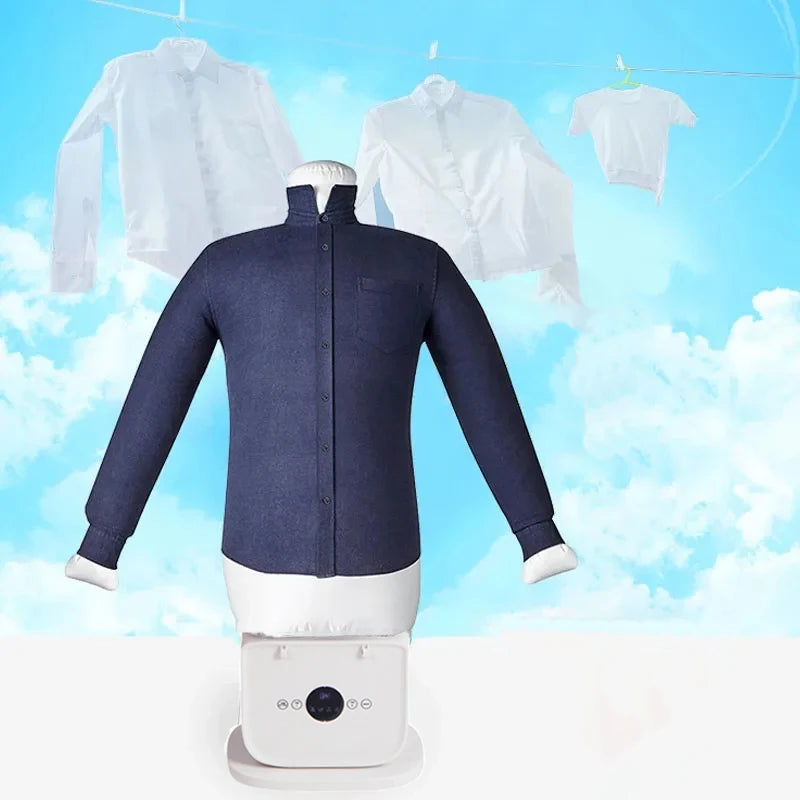
Ventless portable clothes dryer in daily home use — See it in action
How Gentle Heat Prevents Shrinkage
A heated air dryer for clothes relies on controlled, low-temperature heat rather than the intense temperatures used by many conventional dryers. Because excessive heat is one of the primary causes of fabric shrinkage, gentle drying helps protect clothing while still removing moisture efficiently.
This approach supports drying clothes without shrinking by reducing thermal stress on fibers. Cotton, wool blends, synthetic fabrics, activewear, and children's clothing are less likely to lose their original shape, softness, or elasticity when dried with consistent, moderate warmth. For best results, avoid overcrowding the rack and allow enough space for warm air to circulate evenly around each garment.
Care, Maintenance, and Longevity
Cleaning
Regular cleaning helps maintain efficient performance. Wipe the heated bars and frame with a soft, slightly damp cloth to remove lint, dust, and detergent residue. If your indoor heated clothes dryer includes a removable cover, clean it according to the manufacturer's instructions to maintain good airflow.
Storage
Allow the heated clothes dryer to cool completely before folding and storing it. Keeping the unit in a dry location protects electrical components and helps prevent unnecessary wear during long periods of storage.
Safety checks
Inspect the power cord, plug, hinges, and heating elements periodically for signs of damage. Avoid covering exposed electrical components, and always operate the dryer on a stable, level surface with adequate ventilation. Following the recommended load capacity also improves both safety and drying performance.
Extending lifespan
Using the airer within its recommended weight limit and cleaning it regularly can extend its service life. Because heated clothes airers have relatively few moving parts compared with conventional dryers, they generally require minimal maintenance while providing dependable long-term performance.
For households already investing in practical home solutions, explore additional everyday essentials in the Lifestyle collection.
You may also find inspiration and helpful buying advice in our Home Improvement articles, Product Comparisons , or browse our Home Living and Laundry & Home Appliances collections.
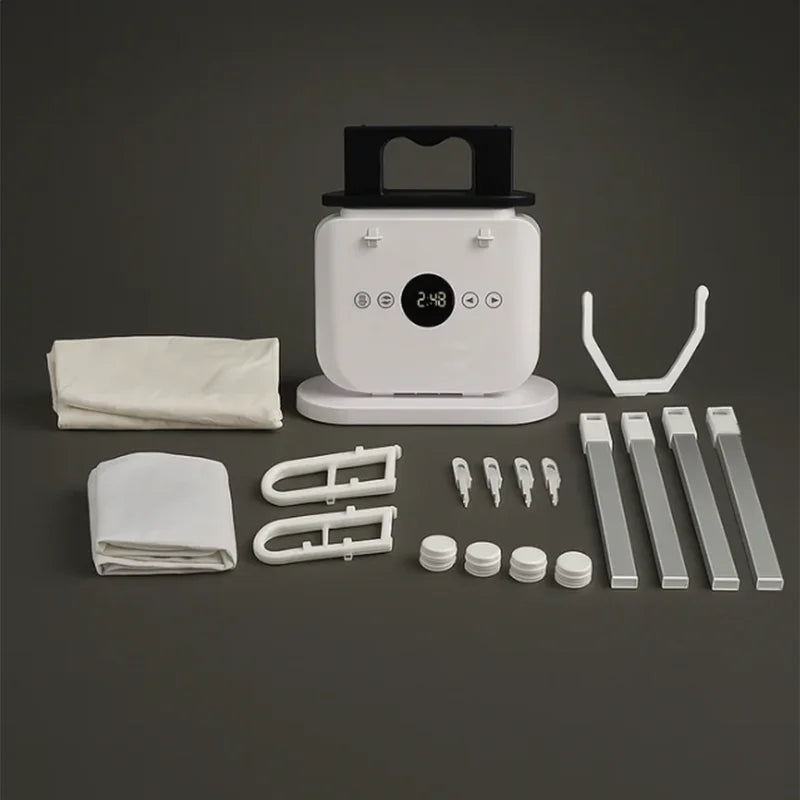
Shrink-safe drying solution for modern homes — See it in action
Frequently Asked Questions
Do heated airers work?
Yes. Heated airers work by combining gentle heat with natural or assisted airflow to speed up evaporation. While they are slower than tumble dryers, they are more energy-efficient, quieter, and gentler on most fabrics.
What is the best air dryer for clothes?
The best choice depends on your available space and laundry volume. Families often benefit from large multi-tier heated clothes airers, while compact foldable or ventless portable clothes dryers are ideal for apartments, dormitories, and smaller households.
Are heated clothes airers expensive to run?
No. Most heated clothes airers consume between 100W and 300W, making their electricity consumption substantially lower than many conventional tumble dryers.
Do heated airers work better than drying racks?
Yes. A heated airer dries clothes faster than a standard drying rack because gentle heat accelerates evaporation, particularly when used with a drying cover and adequate room ventilation.
How much electricity does a heated clothes airer use?
Most models operate between 100W and 300W, although exact electricity consumption depends on the model, drying duration, and room conditions.
How long does a heated clothes airer take to dry clothes?
Light garments generally dry within 2 to 4 hours, while heavier items such as towels, jeans, and sweaters usually require 4 to 8 hours depending on humidity, airflow, and load size.
Can heated air dryers dry towels and bedding?
Yes. Towels, sheets, and lightweight bedding can be dried successfully. For the best results, spread larger items evenly across multiple rails to maximize airflow and avoid overlapping thick fabrics.
Is a ventless portable clothes dryer safe indoors?
Yes. Ventless portable clothes dryers are designed specifically for indoor operation and use controlled temperatures that help minimize overheating while protecting fabrics when used according to the manufacturer's instructions.
Which heated clothes airer is best for apartments?
Compact foldable models with enclosed drying covers are typically the best option for apartments because they save floor space, improve drying efficiency, and store easily after use.
Do heated clothes airers shrink clothes?
When used correctly, heated clothes airers are much less likely to shrink clothing than high-heat tumble dryers. Their moderate operating temperatures help preserve garment size, shape, and fabric quality.













