Does a heated air dryer for clothes really dry garments safely indoors?
A heated air dryer for clothes uses controlled warm airflow to dry fabrics evenly indoors without harsh heat. By circulating air at steady temperatures, it helps with drying clothes without shrinking, reduces moisture buildup, and works as a ventless portable clothes dryer for apartments, rainy seasons, and busy households.
Best Heated Clothes Airer: Features, Comparisons, and Buying Guide for Faster Indoor Drying
⏱ 8 min read
Heated air dryer for clothes solutions are changing how people handle laundry in small spaces, rainy seasons, and busy homes. Instead of waiting days for damp garments, an indoor heated clothes airer or ventless portable clothes dryer offers gentle, even airflow that helps with drying clothes without shrinking or damaging fabrics. These systems use controlled heat to protect fibers while saving time, energy, and floor space, making them ideal for apartments and families alike.
Explore how today’s heated air dryer for clothes transforms daily laundry routines with smarter airflow and fabric-safe heat.
Why Indoor Drying Has Become a Must-Have
Indoor laundry drying has become increasingly important for households that lack outdoor space, live in humid climates, or want to reduce energy costs. Traditional tumble dryers use high heat and large amounts of electricity, while outdoor drying depends heavily on weather conditions.
A heated clothes airer offers a practical alternative by using gentle electric heat to dry garments indoors without damaging fabrics. These devices combine the convenience of a drying rack with low-energy heating elements that speed up evaporation.
For apartments, condos, and homes without laundry rooms, indoor heated clothes airers provide several advantages:
- Dry clothes indoors without needing a tumble dryer
- Use significantly less electricity than conventional dryers
- Protect delicate fabrics from high heat
- Work well in winter or rainy seasons
- Fold away easily for compact storage
As energy prices rise and living spaces become smaller, portable indoor clothes dryers and heated airer racks have become a popular solution for efficient everyday laundry.
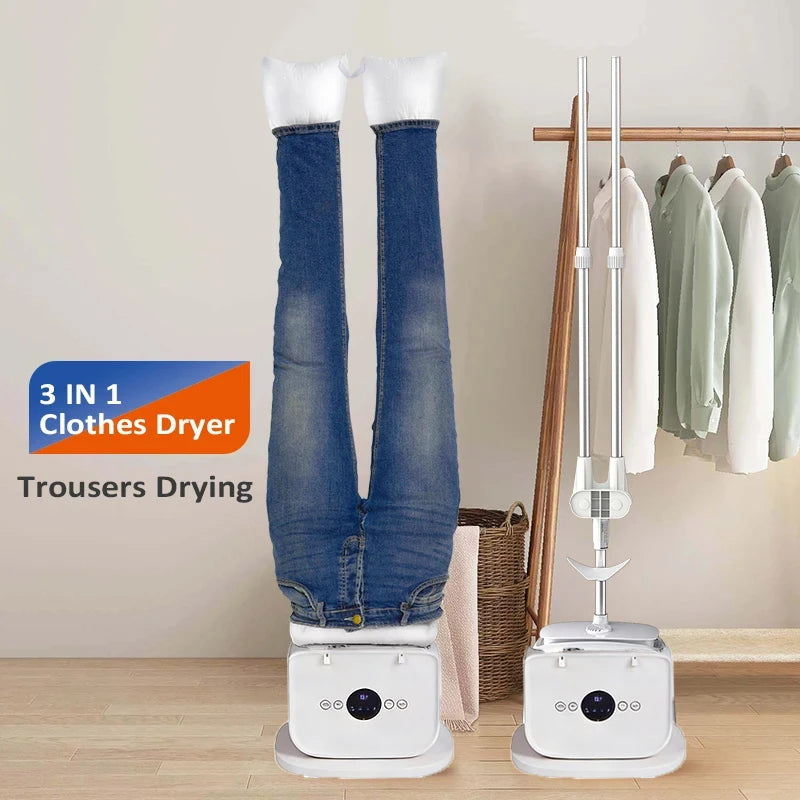
Indoor heated clothes airer setup for gentle, efficient drying 💡 See it in action
How Heated Clothes Airers Work
Heating element and rack design
A heated clothes airer uses low-wattage heating elements built into the metal bars of the rack. When powered on, these bars warm slightly and transfer gentle heat directly to the clothing hanging over them.
This mild warmth increases evaporation without exposing fabrics to the intense heat of tumble dryers, helping garments dry faster while remaining safe for delicate materials.
Airflow circulation systems
Some advanced heated air clothes dryers include a fabric cover or enclosed airflow system. This cover traps warm air around the clothes, creating a mini drying chamber that speeds up the evaporation process.
Models with fan-assisted airflow can dry laundry even faster by circulating warm air around the garments.
Fabric-safe temperature ranges
Most heated airer racks operate at temperatures between 40°C and 60°C. This range is warm enough to remove moisture efficiently but gentle enough to prevent shrinking or damaging fabrics such as cotton, wool blends, or synthetic materials.
Best Heated Clothes Airer Features to Look For
Drying capacity and rack size
The size of an electric clothes airer rack determines how much laundry it can handle in one cycle. Larger racks with multiple tiers allow you to dry shirts, pants, and towels simultaneously, making them ideal for families.
Wattage and energy consumption
Most heated clothes airers operate between 100W and 300W. Lower wattage models consume less electricity but may take longer to dry heavy fabrics, while higher wattage units can reduce drying time.
Built-in covers and airflow systems
Many indoor heated clothes airers include removable covers that trap warm air around the clothing. This creates a faster drying environment and protects laundry from dust.
Foldable storage and portability
Portable indoor clothes dryers should fold flat when not in use. Compact designs make them easier to store in apartments or small homes.
Safety features
Look for features such as timers, automatic shut-off, and insulated heating elements. These safety functions help prevent overheating and make the airer safe to use overnight or while away from home.
Heated Clothes Airer Drying Time: What to Expect
Drying time for shirts and light fabrics
Light clothing such as t-shirts, underwear, and thin fabrics typically dry within 2 to 4 hours on a heated clothes airer. Using a cover can reduce this time significantly by trapping warm air around the garments.
Drying time for towels and heavy loads
Thicker fabrics like towels, jeans, and sweaters may take 4 to 8 hours depending on room humidity and air circulation.
Factors that affect indoor drying speed
- Room humidity levels
- Airflow and ventilation
- Clothing thickness
- Airer wattage
- Use of an airer cover
Placing the heated air dryer in a well-ventilated room can noticeably reduce drying time.
Heated Airer vs Tumble Dryer vs Standard Drying Rack
Energy consumption comparison
Heated clothes airers typically consume between 100W and 300W of electricity. In comparison, conventional tumble dryers often use 2000W or more, making them significantly more expensive to run.
Fabric protection comparison
Tumble dryers expose clothing to high temperatures and mechanical tumbling, which can lead to shrinking and fabric wear. Heated airers use gentle warmth without aggressive movement, helping garments maintain their shape.
Drying speed comparison
Tumble dryers remain the fastest drying option, often completing a cycle within an hour. Heated airers take longer but provide a balance between energy efficiency and safe indoor drying. Standard drying racks use no electricity but depend heavily on airflow and can take much longer in humid environments.
Energy Use and Running Cost of Heated Clothes Airers
Average wattage and hourly cost
Most heated clothes airers use between 100W and 300W of electricity. At typical electricity prices, this means the running cost is only a fraction of a tumble dryer.
Cost compared to tumble dryers
A standard tumble dryer may use up to 2 kWh per cycle, while a heated airer uses far less power over a longer period. Despite the longer drying time, the total energy cost is usually significantly lower.
Energy-efficient drying tips
- Use a cover to trap heat and speed up drying
- Place the airer in a ventilated room
- Spin clothes thoroughly in the washing machine first
- Avoid overloading the rack
Real-Life Use Cases for Heated Clothes Airers
Apartments and small homes
Heated clothes airers are ideal for apartments where outdoor drying space is limited. Their foldable design allows them to be stored easily when not in use.
Winter and rainy climates
In colder seasons or humid regions, clothes can take days to dry naturally indoors. Heated airers accelerate drying by applying consistent gentle heat.
Families drying daily laundry
Households that run frequent laundry loads benefit from the extra drying capacity of multi-tier electric clothes airer racks. They provide enough space to dry multiple garments simultaneously without needing a large tumble dryer.
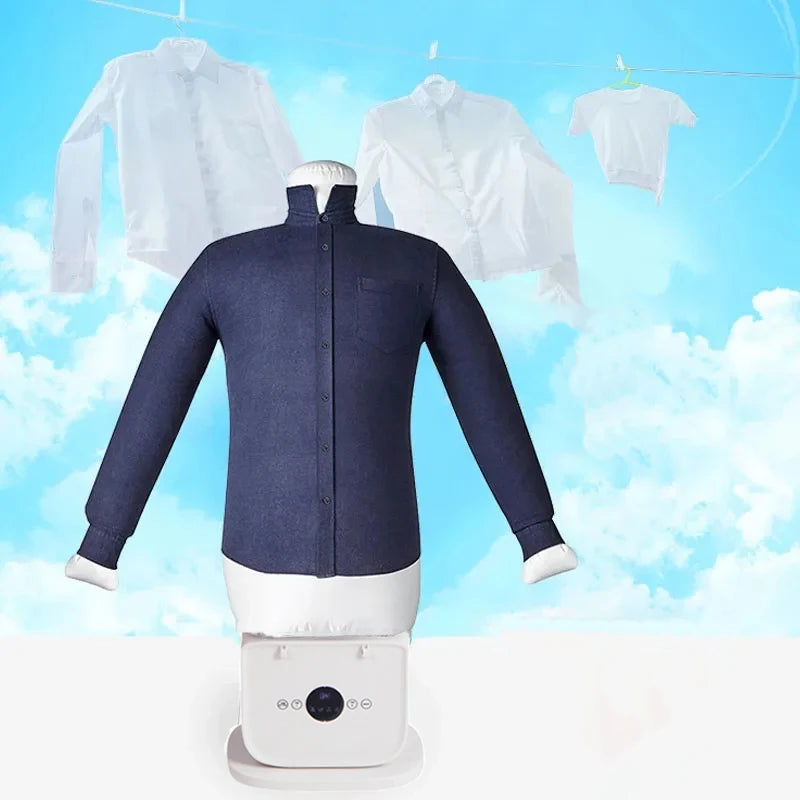
Ventless portable clothes dryer in daily home use 💡 See it in action
Best Heated Clothes Airer Features for Different Homes
Best for small apartments
Compact folding heated airers with vertical racks are ideal for apartments. These designs maximize drying space while minimizing floor footprint.
Best for large laundry loads
Large multi-tier heated clothes airers provide greater drying capacity, making them suitable for families or households that wash laundry frequently.
Best portable indoor clothes dryer options
Portable heated air dryers with lightweight frames and quick folding mechanisms are ideal for people who need a flexible drying solution that can be moved between rooms.
How Gentle Heat Prevents Shrinkage
A heated air dryer for clothes uses moderate warmth rather than intense heat. This distinction matters because most fabric shrinkage occurs when fibers are shocked by high temperatures.
By maintaining a stable range, the system supports drying clothes without shrinking. Cotton, wool blends, and synthetic fabrics retain their original fit, color, and softness. Parents and professionals alike appreciate this reliability when caring for uniforms, workwear, or everyday basics.
Care, Maintenance, and Longevity
Maintaining a heated air dryer for clothes is straightforward. Regularly checking airflow vents and keeping the frame clean ensures optimal performance. Unlike complex machines, these systems have fewer moving parts, which contributes to longer lifespan.
For households already investing in wellness-focused home tools from the Lifestyle collection, this dryer fits naturally into a mindful, organized living space.
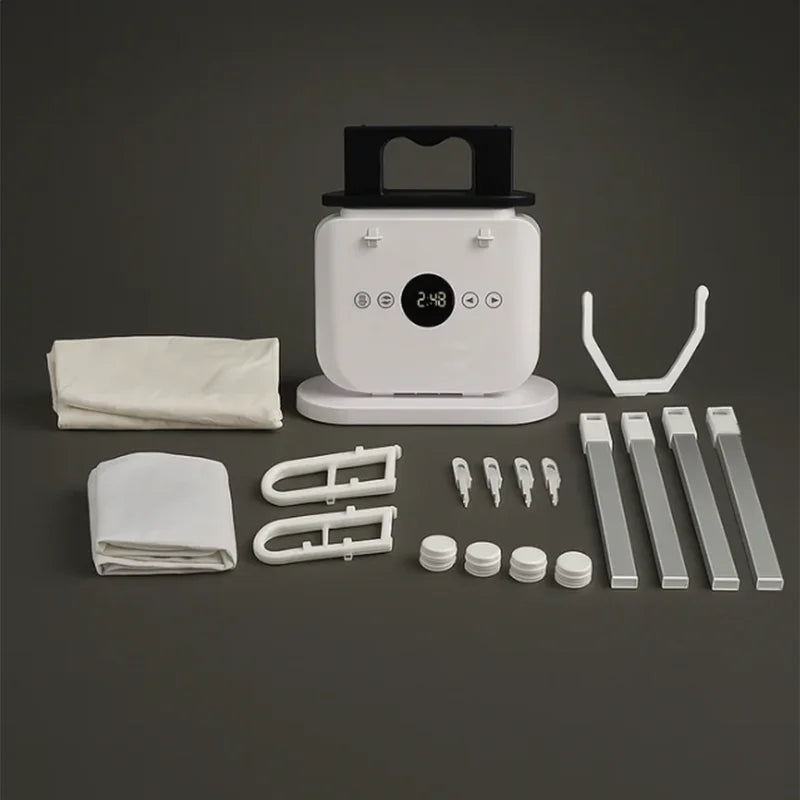
Shrink-safe drying solution for modern homes 💡 See it in action
Frequently Asked Questions
Are heated clothes airers expensive to run?
No. Most heated clothes airers use between 100W and 300W of electricity, making them far cheaper to operate than traditional tumble dryers.
Do heated clothes airers dry clothes faster than racks?
Yes. The gentle heat from the bars accelerates evaporation, allowing clothes to dry faster than on a standard drying rack.
Can you dry towels on a heated clothes airer?
Yes, although thicker items like towels may take longer to dry. Spreading them evenly across the rack improves airflow and drying speed.
How long does a heated clothes airer take to dry clothes?
Light garments usually dry within 2 to 4 hours, while heavier fabrics such as jeans or towels may take 4 to 8 hours depending on humidity and airflow.
Is a ventless portable clothes dryer safe indoors?
Yes. Heated clothes airers are designed specifically for indoor use and operate at safe temperatures that minimize the risk of overheating or fabric damage.