

Do Neck Traction Devices Work? Benefits, Risks, and What Science Says
Do Neck Traction Devices Work? (Quick Answer)
Yes, neck traction devices can work for some people with specific types of neck discomfort by gently stretching the cervical spine and reducing pressure around irritated structures. They may provide temporary relief from stiffness, muscle tension, and symptoms linked to mild nerve compression.
However, whether neck traction works depends on the underlying cause of pain, the severity of symptoms, and how the device is used. Research suggests traction may be most helpful as part of a broader approach that includes posture correction, mobility exercises, and other conservative treatments rather than as a standalone solution.
When traction is effective
- Mild to moderate neck stiffness caused by muscle tension or posture-related strain
- Symptoms associated with cervical nerve irritation, such as radiating discomfort into the arm
- Neck discomfort linked to prolonged sitting, forward head posture, or desk work
- Muscle tightness that improves with gentle stretching and relaxation
When it may not help
- Severe spinal instability or structural problems requiring medical care
- Advanced degeneration or conditions where traction is not appropriate
- Recent injuries, fractures, or acute trauma
- Unexplained chronic neck pain that has not been properly evaluated
⏱ 7 min read
Portable comfort meets daily relief with a heated cervical traction collar — See it in action
What Is Cervical Traction and How Does It Work?
Cervical traction is a technique that gently stretches the neck to create controlled space between the vertebrae. This process is designed to reduce mechanical stress on cervical structures, including spinal discs and nerve roots, while helping relax surrounding muscles.
When people ask, "does neck traction work," the answer depends on understanding how traction affects the cervical spine. The goal is not to force the neck into a new position, but to apply gentle, controlled stretching that may improve comfort and movement.
How traction affects the cervical spine
The cervical spine contains seven vertebrae supported by discs, ligaments, muscles, and nerves. Daily activities such as prolonged screen use, poor posture, or repetitive movement can increase tension around these structures.
During cervical traction, a gentle pulling force is applied to create temporary separation between vertebrae. This may help:
- Decrease pressure around irritated nerve roots
- Reduce compression-related discomfort in the cervical spine
- Relax protective muscle tension and stiffness
- Support improved neck mobility when combined with proper movement habits
Step-by-step traction mechanics
A neck traction device typically works through controlled stretching rather than aggressive pulling. The general process includes:
- Positioning the neck: The user places the device according to the manufacturer's instructions to maintain comfortable alignment.
- Applying gentle traction: The device creates a light stretching force that may help reduce pressure between cervical structures.
- Allowing muscles to relax: The gradual stretch may decrease muscle guarding and improve comfort.
- Returning to normal movement: After use, the neck can be gently moved to support flexibility and function.
Do cervical traction devices work better for everyone? Not necessarily. Some people notice short-term relief, while others may see little improvement if their symptoms come from conditions that traction cannot address.
Types of neck traction devices
Different neck traction devices use different methods to create cervical stretching. Common options include:
- Over-the-door traction systems: Use a harness and resistance system to provide adjustable traction but typically require more setup.
- Inflatable neck collars: Offer portable, lightweight traction by expanding around the neck for gentle support.
- Foam or contour traction pillows: Use body positioning and curved designs to encourage gentle stretching while resting.
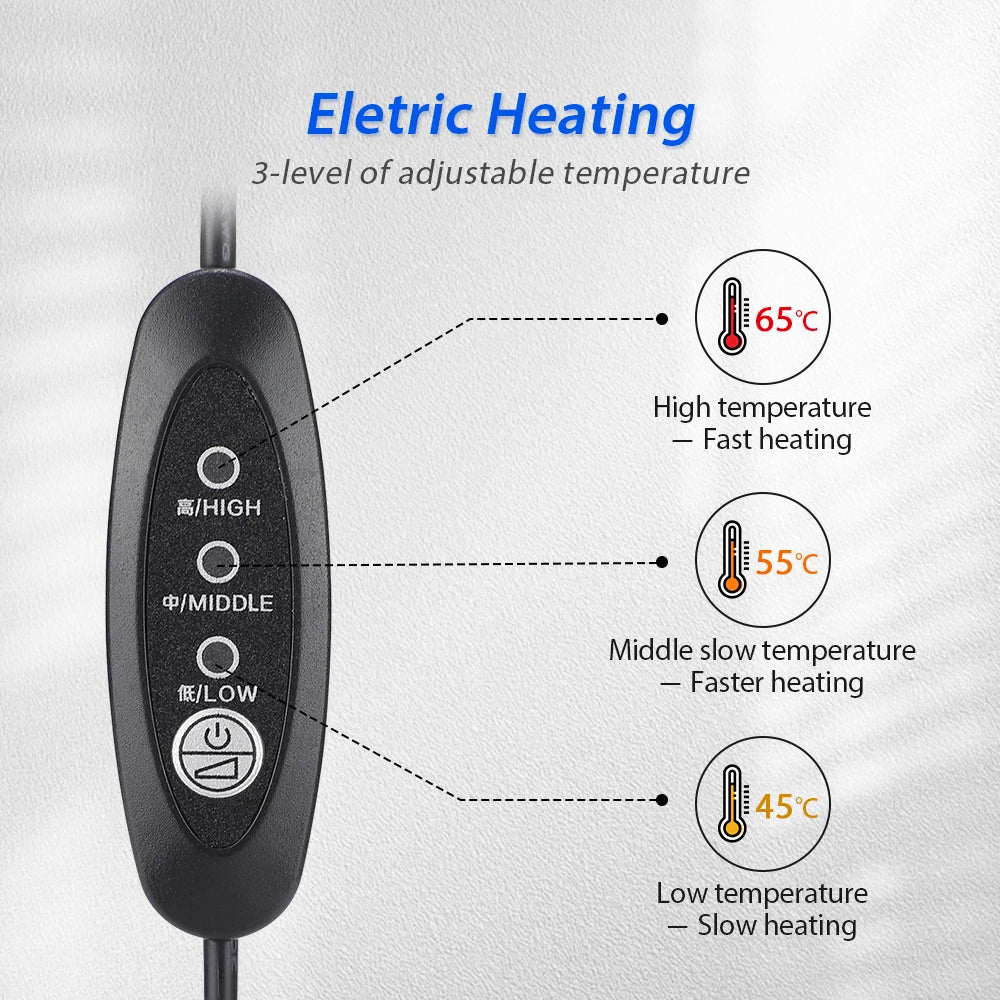
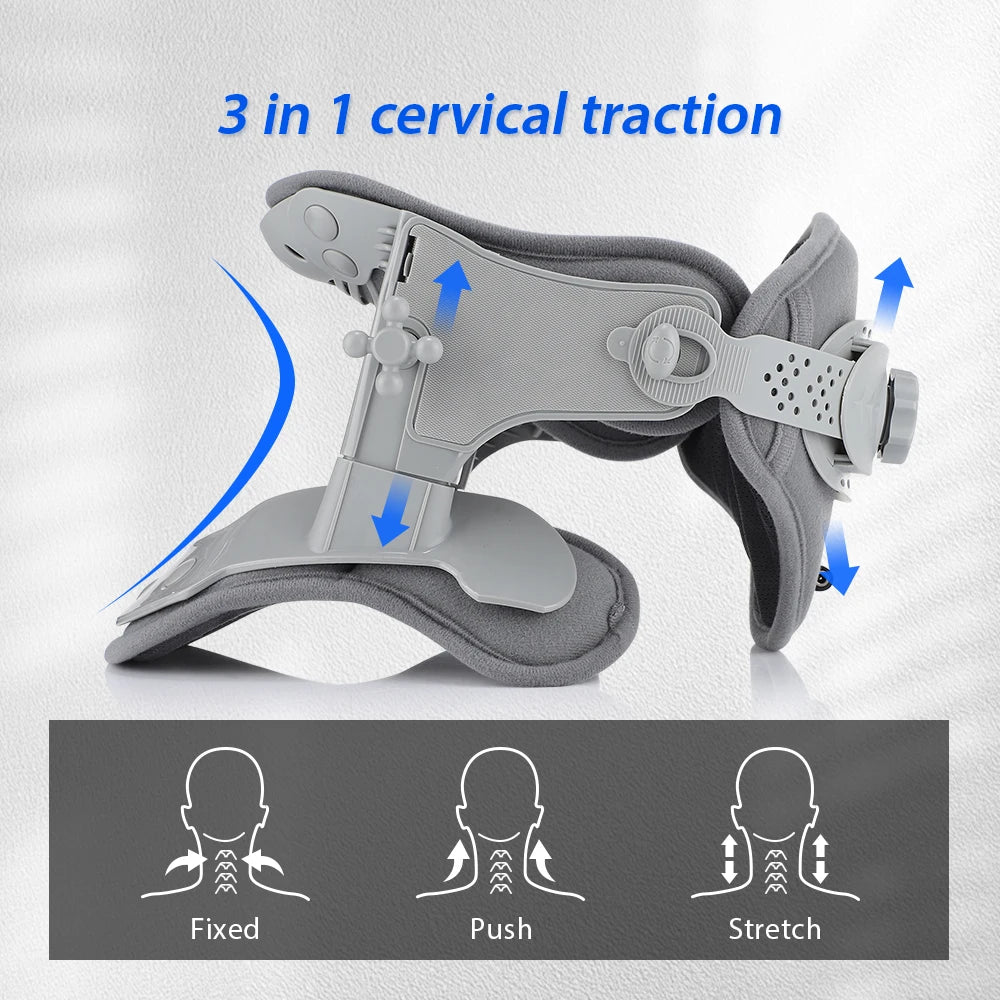
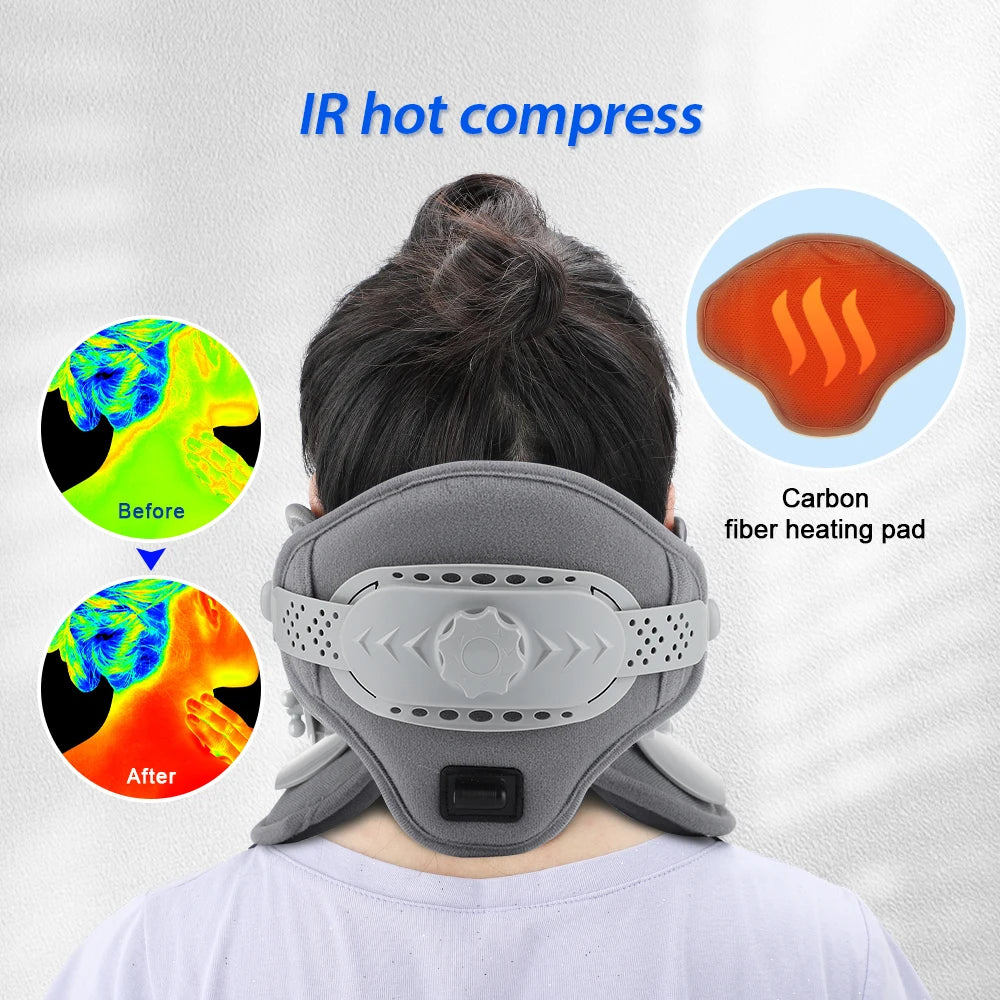
- Heated traction collars: Combine gentle cervical traction with heat therapy to help relax tight muscles and improve comfort during use.
Benefits of Neck Traction
When used appropriately, neck traction may offer several potential benefits for people dealing with certain types of cervical discomfort. The results are usually focused on symptom management and improved comfort rather than permanently correcting every cause of neck pain.
Pain relief and muscle relaxation
Gentle cervical stretching may help reduce muscle tightness and stiffness by allowing tense neck muscles to relax. This can be especially useful for people experiencing discomfort related to prolonged sitting, repetitive activities, or posture-related strain.
Many users report temporary improvements in comfort after traction sessions, although individual results can vary depending on the source of neck discomfort.
Nerve root symptom relief
One reason people ask "do neck traction devices work" is their potential role in reducing symptoms associated with irritated cervical nerves. By creating space around the cervical vertebrae, traction may temporarily reduce pressure affecting nerve roots.
This may help some individuals manage symptoms such as radiating discomfort, tingling sensations, or arm-related tension. However, traction should not replace professional evaluation when nerve symptoms are severe, worsening, or persistent.
Mobility and function improvement
Neck traction may support improved movement by reducing stiffness and helping users feel more comfortable during daily activities. It can be a useful addition to a broader neck care routine that includes:
- Neck stretching exercises
- Ergonomic workstation adjustments
- Posture awareness
- Physical therapy-based movement strategies when recommended
Overall, the potential benefits of neck traction are usually related to short-term symptom relief and improved function. The best results often come from combining traction with healthy movement habits rather than relying on traction alone.
Are Neck Traction Devices Safe?
Neck traction devices are generally considered safe for many people when they are used correctly, with appropriate settings, and for suitable conditions. However, safety depends on factors such as the cause of neck discomfort, the amount of traction applied, and whether any underlying spinal conditions are present.
Understanding is neck traction safe requires realistic expectations. These devices are designed to provide gentle stretching and symptom relief, not to force spinal adjustments or replace professional treatment for serious conditions.
Is cervical neck traction safe at home?
For many users, short sessions with gentle traction may be appropriate for home use. Beginners should start with the lowest comfortable intensity and follow the device instructions carefully.
Common safety recommendations include:
- Begin with short sessions and gradually increase duration if comfortable
- Avoid using excessive pulling force or aggressive stretching
- Maintain a relaxed posture during use
- Stop if symptoms become worse instead of improving
Many people use cervical traction for around 10–20 minutes per session, but the ideal duration depends on the device, individual tolerance, and guidance from a healthcare professional.
Common side effects
Even when used properly, some people may experience temporary reactions after traction. These effects are usually mild and may include:
- Mild neck soreness after stretching
- Temporary dizziness or lightheadedness
- Muscle fatigue or a feeling of stretching discomfort
- Temporary changes in neck sensation
If side effects continue, become stronger, or appear with new neurological symptoms, discontinue use and seek medical advice.
Dangers of cervical traction
Although neck traction can be helpful for selected conditions, improper use may increase discomfort or aggravate existing problems. Potential risks include:
- Worsening neck pain from excessive force or incorrect positioning
- Nerve irritation caused by over-stretching
- Increased symptoms in certain spinal conditions where traction is not appropriate
- Delayed diagnosis if a serious cause of pain is ignored
Warning signs to stop using traction
Stop using a neck traction device and consider medical guidance if you experience:
- Increasing pain during or after use
- New weakness, numbness, or unusual sensations
- Severe dizziness or loss of balance
- Symptoms that continue to worsen over time
Who Should and Should Not Use Neck Traction?
Neck traction may be suitable for some people with mild to moderate neck discomfort, but it is not a universal solution. The best candidates are usually those whose symptoms are related to muscle tension, posture, or certain types of cervical compression.
Conditions that may benefit
- Neck stiffness caused by muscle tightness
- Posture-related discomfort from prolonged computer or phone use
- Mild cervical disc compression
- Certain cases of nerve irritation affecting the neck or arm
Ideal candidates for home traction
- Office workers experiencing neck strain from long periods of sitting
- People looking for a non-invasive option to complement other neck care strategies
- Individuals who tolerate gentle stretching and notice improvement with mobility exercises
Contraindications: who should avoid neck traction?
Neck traction is not recommended for everyone. Certain medical conditions may make traction unsafe or require professional evaluation before use.
- Spinal fractures or cervical instability
- Severe osteoporosis
- Rheumatoid arthritis affecting the cervical spine
- Recent neck surgery
- Spinal tumors or infections
- Serious unexplained neck pain requiring diagnosis
When to consult a healthcare professional
Before using a neck traction device, consider speaking with a healthcare provider if you have ongoing pain, previous neck injuries, diagnosed spinal conditions, or symptoms such as numbness, weakness, or radiating arm discomfort.
A professional evaluation can help determine whether traction is appropriate and whether other approaches, such as physical therapy, targeted exercises, or ergonomic changes, may be more effective.
Types of Neck Stretchers Compared
Neck traction devices come in several designs, and each type uses a different method to create gentle cervical stretching. Choosing the right option depends on your symptoms, comfort level, portability needs, and whether you need simple relaxation support or more controlled traction.
Over-the-door traction devices
Over-the-door traction systems use a head harness connected to a resistance mechanism, such as weights or water-based resistance, to create adjustable pulling force.
Best for: Users who need more controlled traction and prefer adjustable intensity.
Advantages:
- Allows more precise control over traction force
- Can provide stronger cervical stretching than simple pillows
- Commonly used in physical therapy settings
Limitations:
- Requires setup and a suitable door or support area
- Less convenient for travel or quick daily use
- May not be appropriate without proper guidance for some users
Inflatable neck collars
Inflatable neck traction collars use air pressure to gently support and extend the cervical spine. They are popular because they are lightweight, portable, and easy to store.
Best for: People looking for a simple home option for mild stiffness and posture-related tension.
Advantages:
- Portable and convenient for home use
- Easy to adjust for individual comfort
- Suitable for short relaxation sessions
Limitations:
- May provide less precise traction compared with mechanical systems
- Results depend heavily on correct positioning and inflation level
- Not designed for severe neck conditions without professional advice
Neck traction pillows
Neck traction pillows and stretchers use the shape of the cushion and body positioning to encourage gentle cervical extension. Instead of applying external pulling force, they rely on support and gravity to create a mild stretch.
Best for: Beginners, light neck stiffness, and people who want a gentle stretching option while resting.
Advantages:
- Simple to use without complicated setup
- Often comfortable for daily relaxation routines
- May help improve awareness of neck positioning
Limitations:
- Provides less traction control than mechanical devices
- May not be suitable for significant nerve compression or severe pain
- Effectiveness varies depending on individual anatomy and symptoms
Mechanical and heated traction devices
Mechanical and heated cervical traction devices combine stretching support with additional comfort features. Heated traction collars may use warmth alongside gentle traction to help relax tight muscles before or during use.
Best for: Users seeking a more comfortable home routine that combines neck support, relaxation, and gentle stretching.
Advantages:
- Combines traction with heat-based comfort
- May help relax tense muscles before movement
- Designed for convenient at-home use
Limitations:
- Heat and traction do not address every cause of neck pain
- Should be used according to safety instructions
- Not a replacement for medical evaluation when symptoms are severe
Daily relaxation made easier with a heated neck brace — See it in action
When comparing whether neck traction devices work, the most important factor is matching the device type to your specific needs. A gentle pillow may be enough for mild stiffness, while more adjustable systems may be preferred for users who need controlled traction.
How to Use a Neck Traction Device Safely at Home
Using a neck traction device correctly is essential for comfort and safety. The goal is gentle, controlled stretching rather than forcing the cervical spine into a deeper stretch. Proper positioning, gradual progression, and monitoring your symptoms can help reduce the risk of irritation.
Step-by-step setup
- Start with low intensity: Begin with the lowest traction setting or minimal inflation to allow your neck muscles to adjust.
- Choose a comfortable position: Sit upright or lie down in a relaxed position depending on the device design and instructions.
- Align your neck properly: Make sure the device supports your cervical spine without creating uncomfortable pressure.
- Keep initial sessions short: Start with around 10–15 minutes and increase gradually only if your body responds well.
- Stop if symptoms worsen: Discontinue use if you experience increased pain, dizziness, numbness, or unusual sensations.
Recommended duration and frequency
Many users begin with one short session per day and gradually adjust based on comfort and results. Some people may use traction 1–2 times daily, but longer or more frequent sessions do not always provide better results.
Consistency is generally more important than intensity. Combining traction with healthy habits such as neck stretching exercises, ergonomic workstation adjustments, and proper posture may provide better long-term support.
Common mistakes to avoid
- Using too much traction force too quickly
- Continuing use despite increasing pain or neurological symptoms
- Using the device with poor neck alignment
- Expecting traction to correct every cause of neck pain
- Replacing professional medical advice with self-treatment when symptoms are serious
How to Tell If Neck Traction Is Helping
Signs of improvement
When neck traction is effective, improvements are usually related to comfort and function rather than an immediate correction of the underlying problem. Positive signs may include:
- Reduced neck stiffness after use
- Easier movement through the neck and shoulders
- Less muscle tension or discomfort during daily activities
- Improved tolerance for sitting, working, or other routine movements
Signs to stop treatment
Traction may not be the right option if symptoms consistently worsen. Stop using the device and consider professional guidance if you notice:
- Increasing pain after each session
- New numbness, weakness, or changes in sensation
- Persistent symptoms despite proper use
- Symptoms that interfere with normal activities
When to See a Doctor Instead of Using Traction
While home traction may help some cases of mild neck discomfort, certain symptoms require medical evaluation. The dangers of cervical traction are higher when an underlying condition has not been identified or when symptoms suggest nerve or spinal involvement.
- Severe or worsening neck pain
- Numbness, tingling, or weakness in the arms or hands
- Loss of coordination or balance problems
- Neck pain following an accident, fall, or injury
- Symptoms that do not improve with conservative care
These signs may indicate conditions that need professional diagnosis, such as significant nerve compression or other cervical spine problems. A healthcare professional can help determine whether traction, physical therapy, exercise, or another treatment approach is appropriate.
Explore the heated cervical traction collar designed for everyday use
A simple step toward neck comfort and confidence — See it in action
Frequently Asked Questions
Do cervical traction devices work for herniated discs?
Cervical traction may help some people with symptoms related to a herniated disc by temporarily reducing pressure around irritated structures. However, results depend on the location and severity of the disc problem, and traction may not be suitable for every case.
Are neck stretchers safe for daily use?
Neck stretchers can be safe for daily use when used correctly, with gentle settings and appropriate session lengths. Avoid excessive force and stop if symptoms become worse. People with existing spinal conditions should seek medical advice before regular use.
Do neck traction pillows work?
Neck traction pillows may help some users with mild stiffness, posture-related tension, and relaxation. They usually provide gentler stretching than mechanical traction devices, making them a common option for beginners, but they may not be enough for more significant nerve-related symptoms.
How long does it take to see results?
Some people notice temporary comfort after the first few sessions, while others may need consistent use over several days or weeks. Results vary depending on the cause of neck discomfort, device type, and other factors such as posture and activity habits.
Can traction make neck pain worse?
Yes. Incorrect positioning, excessive stretching, or using traction for an unsuitable condition may increase discomfort. If pain worsens or new symptoms appear, stop use and consider speaking with a healthcare professional.
Can I use neck traction without a diagnosis?
Some people use gentle neck traction for occasional stiffness or posture-related tension without a formal diagnosis. However, unexplained, persistent, or severe neck pain should be evaluated before starting traction therapy.
Do neck stretchers work for pinched nerves?
Neck traction may provide temporary symptom relief for some people with cervical nerve irritation by reducing pressure around affected areas. However, persistent nerve symptoms should be assessed to identify the underlying cause.
Do cervical traction devices work better than stretching?
Traction devices and traditional stretching work in different ways. Traction provides a controlled pulling force, while stretching relies more on active movement and muscle engagement. Some people may benefit from combining both approaches as part of a broader neck care routine.
Are neck stretchers safe for seniors?
Older adults may use neck stretchers safely in some situations, but age-related changes such as osteoporosis, arthritis, or spinal conditions should be considered. Consulting a healthcare professional can help determine whether traction is appropriate.
Can neck traction help headaches?
Neck traction may help some headaches that are associated with neck tension or posture-related strain. However, headaches can have many causes, so recurring or severe headaches should be evaluated by a healthcare professional.
How often should you use a neck stretcher?
Many users begin with short sessions once daily and adjust based on comfort. The ideal frequency depends on the device, symptoms, and individual response.
Who should avoid cervical traction?
People with spinal instability, recent neck surgery, fractures, severe osteoporosis, certain inflammatory conditions, or unexplained neurological symptoms should avoid cervical traction unless approved by a healthcare professional.
Related Guide: Neck Massager Portable Compared for Workday Relief













