

How Do Heated Gloves Work? Complete Guide to Heating Technology, Batteries, and Safety
⏱ 7 min read
Cold hands can quickly ruin winter commutes, cycling sessions, and outdoor work. Heated gloves are designed to solve this problem by actively generating warmth instead of just trapping heat. But how do they actually work—and are they really better than traditional winter gloves? This expert guide breaks down the heating technology, components, performance, and real-world value so you can understand exactly what you’re buying.
Heated gloves use a battery-powered heating system (carbon fiber or wire elements) to actively warm your hands. Unlike regular gloves that rely on insulation, they generate heat internally and distribute it across fingers and palms for consistent warmth in cold conditions.

Heated rechargeable gloves in real winter testing
How Do Heated Gloves Work? (Quick Explanation)
Heated gloves work by using rechargeable batteries to power built-in heating elements that create warmth inside the glove. The heat is usually generated through carbon fiber or wire heating systems placed around key areas like the fingers, fingertips, and back of the hand.
The battery sends electrical energy to the heating elements, which convert that energy into heat. Insulation materials then help trap the warmth while the glove design distributes heat around your hands.
The basic process: battery → heating element → warmth
Most heated gloves follow a simple system:
- The rechargeable battery stores electrical energy.
- The controller sends power to the heating elements.
- The heating elements produce warmth.
- Insulation helps maintain heat inside the glove.
How heated gloves keep fingers, palms, and hands warm
Heat is focused on areas that lose warmth quickly, such as fingertips and the back of the hand. Combined with insulation, this creates consistent warmth across your entire hand.
What Are the Main Parts Inside Heated Gloves?
Heating elements: carbon fiber vs wire systems
The heating element is the part that creates warmth. Many modern heated gloves use carbon fiber because it is lightweight, flexible, and spreads heat evenly. Older designs may use metal wire systems, which can still provide strong heating but may feel less flexible.
Rechargeable batteries and power delivery
Rechargeable heated gloves usually use lithium-ion batteries stored in pockets near the wrist. These batteries provide the electricity needed to run the heating elements and determine how long the gloves can stay warm.
Temperature controllers and heat settings
Most heated gloves include multiple heat levels. A controller adjusts how much power reaches the heating system, allowing users to balance warmth and battery life.
How Do Rechargeable Heated Gloves Work Step by Step?
How the battery powers the heating system
When you turn on heated gloves, electricity flows from the rechargeable battery through internal wiring to the heating elements. The elements resist the electrical current and convert it into heat.
How heat is distributed through the glove
Heat is usually focused around areas that lose warmth quickly, including fingertips and the back of the hand. Insulation layers help slow heat loss and keep your hands warmer for longer.
Why some areas feel warmer than others
Heating coverage depends on the glove design. Some models heat only the back of the hand, while advanced designs extend warmth across fingers and fingertips.
What Heating Technologies Do Heated Gloves Use?
Carbon fiber heating technology
Carbon fiber is the most common modern heating solution. It heats quickly, distributes warmth evenly, and maintains flexibility without adding bulk.
Metal wire heating systems
Metal wire systems are typically found in lower-cost or older gloves. While effective, they may produce uneven heat and feel slightly rigid.
Infrared heating claims: what you should know
Some gloves mention infrared heating. In most cases, this refers to the type of heat produced rather than a fundamentally different system. Performance differences are usually minimal compared to standard heating elements.
How Do Rechargeable Heated Gloves Keep Your Hands Warm for Hours?
Battery capacity and runtime explained
Battery life depends on capacity, heat setting, weather conditions, and glove insulation. Higher heat settings create more warmth but usually drain batteries faster.
Charging time and battery types
Most rechargeable heated gloves use lithium-ion batteries because they offer a good balance of size, weight, and energy storage.
Factors that reduce heating performance
- Very cold outdoor temperatures
- Using the highest heat setting continuously
- Aging batteries
- Poor insulation or wet materials
| Heat Setting | Typical Battery Life |
|---|---|
| Low | 5–8 hours |
| Medium | 3–5 hours |
| High | 2–3 hours |
Are Heated Gloves Safe? Understanding Battery and Heat Safety
Built-in safety features
Quality heated gloves include features designed to manage temperature and protect the battery system. These may include automatic controls, insulated wiring, and protection circuits.
Overheating protection and electrical safety
Modern rechargeable heated gloves are designed to operate within safe temperature ranges. Users should follow charging instructions and avoid using damaged batteries or cables.
Heated gloves battery safety tips
- Use the recommended charger
- Do not use damaged batteries
- Store batteries away from extreme heat
- Follow manufacturer care instructions
Do Heated Gloves Really Work in Cold Weather?
Performance in mild, freezing, and extreme cold
Heated gloves perform well across different temperature ranges. In freezing and sub-zero conditions, they provide consistent warmth that traditional insulated gloves struggle to maintain.
When heated gloves work better than regular gloves
They are especially effective during long exposure to cold, high wind environments, or activities where hands remain stationary.
Heated Gloves vs Regular Winter Gloves: Which Provides Better Warmth?
Heating technology vs passive insulation
| Feature | Heated Gloves | Regular Gloves |
|---|---|---|
| Warmth Source | Active heating + insulation | Insulation only |
| Temperature Control | Adjustable levels | Fixed warmth |
| Cold Weather Performance | Consistent in extreme cold | Weakens over time |
| Best Use | Long outdoor exposure | Short daily use |
Hand warmers vs heated gloves comparison
Regular gloves rely entirely on trapped body heat, while heated gloves actively generate warmth. This makes heated gloves far more reliable in harsh winter conditions.
Hand Warmers vs Heated Gloves: Which Keeps Hands Warmer?
Hand warmers provide temporary heat through chemical reactions, while heated gloves use rechargeable batteries and electric heating elements. Heated gloves generally provide more consistent warmth because heat is built directly into the glove.
- Hand warmers: inexpensive, portable, but limited duration.
- Heated gloves: reusable, adjustable, and better for long outdoor activities.
What Are the Benefits of Rechargeable Heated Gloves?
- Consistent warmth in freezing temperatures
- Adjustable heat levels for different environments
- Reusable heating compared to disposable warmers
- Improved comfort during long outdoor exposure
- Better performance than passive insulation alone
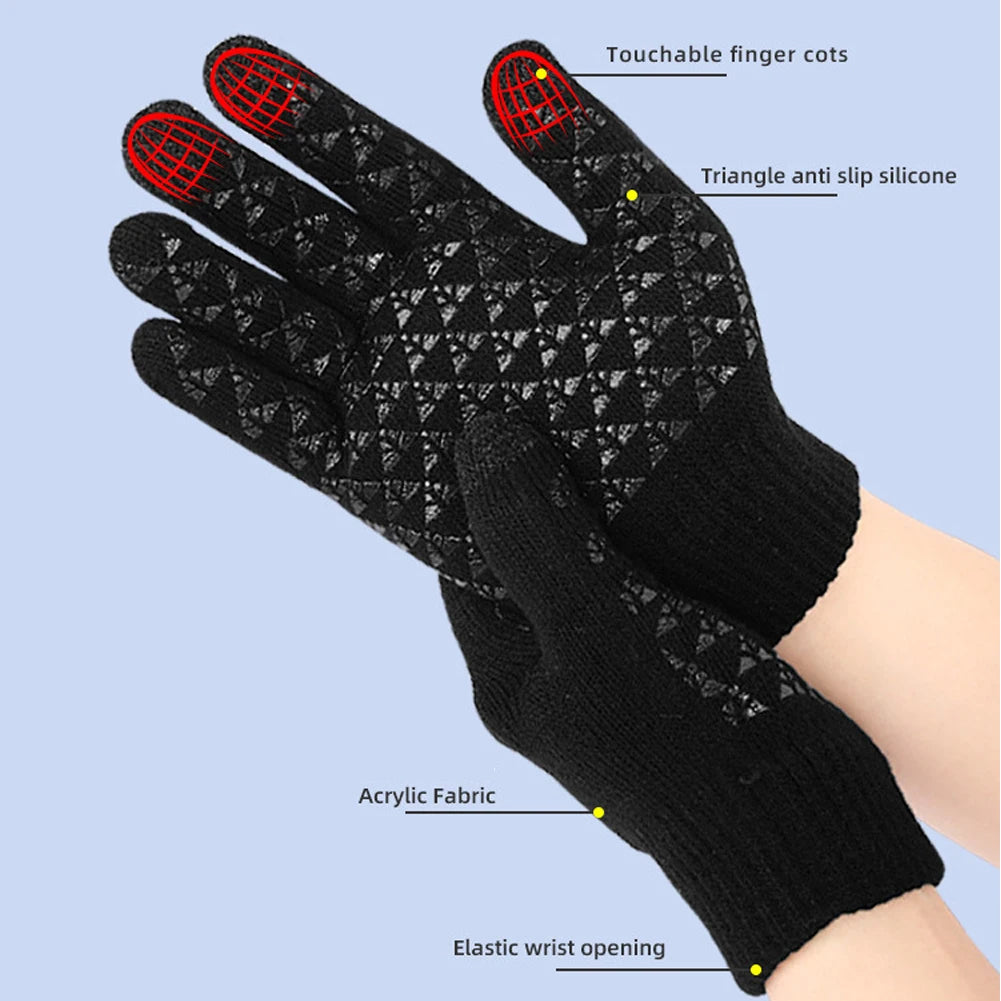
Touchscreen-friendly heated gloves in winter conditions
What Are the Disadvantages of Heated Gloves?
Although heated gloves provide extra warmth, they also have some limitations:
- Higher cost compared with traditional gloves
- Need to recharge batteries regularly
- Extra weight from batteries and electronics
- Battery performance may drop in extreme cold
- Requires more care during cleaning and storage
Are Heated Gloves Worth It? Cost, Comfort, and Long-Term Value
Heated gloves are worth it if you spend long periods outdoors in cold weather or struggle to stay warm with regular gloves. While the upfront cost is higher, the improved comfort, safety, and usability often justify the investment.
Modern designs also reduce bulk and improve flexibility, making them more comfortable than older models.
Who Should Use Rechargeable Heated Gloves?
- Cyclists and motorcyclists in cold climates
- Daily commuters exposed to outdoor cold
- People with poor circulation or cold sensitivity
- Outdoor workers in winter environments
For short walks or mild winter conditions, regular gloves may be enough. For extended exposure, heated gloves provide significantly better protection.
Frequently Asked Questions About Heated Gloves
Do heated gloves really work?
Yes. Heated gloves can provide additional warmth by using battery-powered heating elements to generate heat inside the glove.
Are heated gloves safe?
Quality heated gloves are designed with safety controls, but users should follow battery and charging guidelines.
How do rechargeable heated gloves work?
Rechargeable heated gloves use batteries to power internal heating elements that warm your hands.
How long do heated glove batteries last?
Battery runtime varies depending on battery capacity, heat settings, and outdoor conditions.
Are heated gloves worth it?
Heated gloves are often worth considering for people who spend long periods outdoors in cold temperatures.
Related Guide: Best Gloves for Winter Cycling: Top Picks Compared













