

Can You Put Seat Covers on Heated Seats? Safety, Materials, and What to Avoid
Quick Answer: Can You Put Seat Covers on Heated Seats?
Yes, you can put seat covers on heated seats —provided they are made from breathable, heat-compatible materials and are approved for use with heated seating systems. In most modern vehicles, properly fitted seat covers will not damage the heating elements, but overly thick or poorly designed covers can reduce heat transfer and affect overall performance.
If you're wondering are seat covers safe on heated seats , the answer depends on the material, fit, and your vehicle manufacturer's recommendations. Thin fabric, mesh, and purpose-built heated-seat-compatible covers typically allow heat to pass through efficiently, while heavily insulated materials may trap heat and reduce warming effectiveness.
For the safest results, always follow your owner's manual, avoid bulky insulated covers such as thick neoprene or heavily padded leather, and choose seat covers specifically labeled as compatible with heated seats. Keep in mind that even compatible covers may slightly reduce how quickly you feel the heat compared with the original upholstery.
⏱ 6 min read
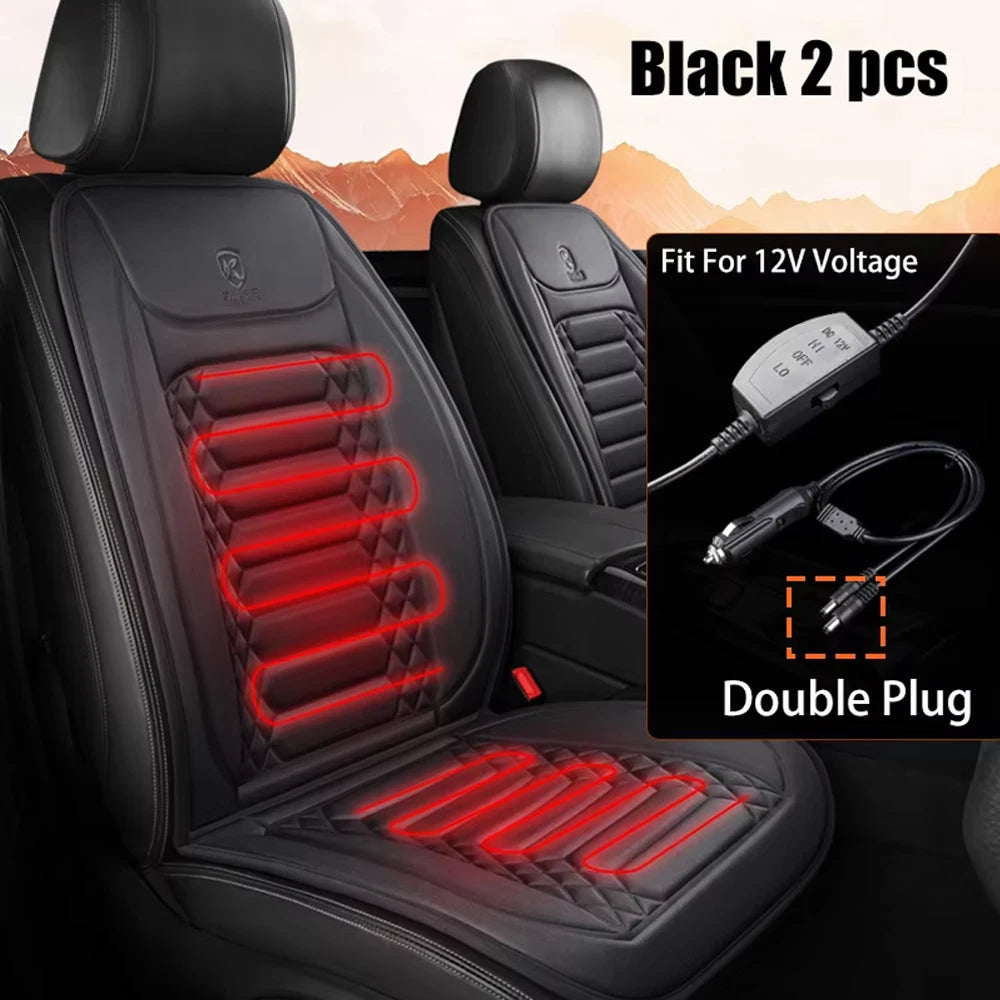
Heated seat cover for car that brings instant warmth — See it in action
How Heated Car Seats Work (And Why It Matters)
Understanding how heated seats work makes it easier to choose a compatible seat cover. Factory heated seats use thin electrical heating elements installed beneath the upholstery. When activated, electricity passes through these elements, generating gentle, even warmth across the seat cushion and backrest.
Heating Elements, Sensors, and Thermostats
Modern heated seats are more than simple heating pads. Most systems include temperature sensors and thermostats that continuously monitor heat output, automatically cycling power on and off to maintain a comfortable temperature while helping prevent excessive heat buildup.
The system is engineered to transfer warmth efficiently through the original seat upholstery. Installing a seat cover adds another layer between the heating element and the occupant. If that layer is thin and breathable, heat passes through with minimal loss. If it is thick or highly insulated, it slows heat transfer, making the seat feel less effective and causing the heating system to operate longer to reach the desired temperature.
OEM vs Aftermarket Heated Seat Systems
Factory-installed (OEM) heated seats are integrated into the vehicle's electrical and temperature-control systems and are tested to work with the original upholstery. Aftermarket heated seat systems can vary in design, heating output, and sensor placement, so heated seat cover compatibility becomes even more important.
Whether your vehicle has an OEM or aftermarket system, choosing a properly fitted, heat-compatible seat cover helps maintain efficient heat transfer while reducing unnecessary stress on the heating components.
Learn more comfort upgrades in the Lifestyle collection.
When Seat Covers Are Safe to Use on Heated Seats
Most seat covers for heated car seats are safe when they allow heat to pass through freely, fit correctly, and do not interfere with built-in safety systems. Material, thickness, and installation quality all play a role in maintaining proper heated seat cover compatibility .
Compatibility Matrix by Material
| Material | Compatibility with Heated Seats | Notes |
|---|---|---|
| Polyester blends | ✓ Excellent | Breathable, durable, and allows efficient heat transfer. |
| Cotton fabric | ✓ Good | Comfortable and breathable with minimal heat loss. |
| Mesh fabric | ✓ Excellent | Provides maximum airflow and quick heat transmission. |
| Thin genuine leather | ✓ Moderate | Acceptable if lightly padded and approved by the manufacturer. |
| Neoprene | ✕ Not Recommended | Insulates heat and can noticeably reduce heating performance. |
| Heavy foam or thick faux leather | ✕ Not Recommended | May trap heat and reduce heating efficiency. |
If you are asking, can you put seat covers over heated seats , choose products specifically labeled for heated-seat compatibility whenever possible. These designs are manufactured to balance comfort, durability, and efficient heat transfer.
Universal vs Custom-Fit Seat Covers
Custom-fit seat covers are generally the preferred option because they match the contours of your vehicle's seats, reducing wrinkles and pressure points that can interfere with even heat distribution. They are also less likely to shift during daily use.
Universal seat covers can also be compatible with heated seats, provided they are made from breathable materials and are installed securely without bunching or excessive tension.
Side Airbag-Compatible Designs
Many modern vehicles have side airbags integrated into the front seats. If your vehicle includes this feature, choose seat covers specifically designed with side-airbag-compatible seams or breakaway stitching. Covers that block airbag deployment may reduce occupant protection during a collision.
Before purchasing any seat cover, review both your vehicle owner's manual and the manufacturer's compatibility information to confirm that the product supports heated seats and any integrated safety systems.
When Seat Covers Can Be Unsafe
While modern heated seats include built-in temperature controls, the wrong seat cover can reduce heating performance or interfere with the seat's intended operation. Understanding these limitations helps answer the question, are seat covers safe on heated seats under all conditions.
Materials That Trap Heat
Some materials act as thermal insulation instead of allowing heat to pass through. These covers can make the seat feel cooler even though the heating elements continue operating.
- Thick neoprene
- Heavily padded leather or faux leather
- Memory foam with dense cushioning
- Multi-layer insulated winter seat covers
These materials reduce heat transfer, often making occupants increase the temperature unnecessarily while placing additional demand on the heating system.
Sensor, Wiring, and Warranty Concerns
Modern heated seats contain wiring, temperature sensors, and electronic controls beneath the upholstery. Covers that require hooks, clips, or aggressive fastening methods can potentially interfere with these components if installed improperly.
In addition, some vehicle manufacturers recommend using only approved accessories with heated seats. Installing incompatible aftermarket products may affect warranty coverage if they contribute to damage. Always review your owner's manual before installing a new seat cover.
Ventilated Seat Compatibility
If your vehicle has both heated and ventilated seats, compatibility becomes even more important. Ventilated seats rely on airflow through perforated upholstery, and thick seat covers can block the air channels, reducing both cooling and heating performance.
Look for seat covers specifically designed for heated and ventilated seats if your vehicle includes both features.
⚠️ Safety Note: Modern heated seats include thermostats and automatic temperature regulation, so serious overheating is uncommon. However, using thick, non-breathable seat covers for extended periods can reduce efficiency, place additional stress on the system, and diminish overall comfort.
Do You Need Special Seat Covers for Heated Seats?
You do not always need special seat covers, but in most cases they are the safest and most effective choice. If you're asking do you need special seat covers for heated seats , the answer depends on your vehicle, the seat cover material, and whether the product has been tested for heated-seat compatibility.
Seat covers designed specifically for heated seats are manufactured with breathable, heat-permeable fabrics that allow warmth to reach the occupant while minimizing unnecessary insulation. They are also more likely to accommodate built-in features such as temperature sensors, side airbags, and seat contours.
When shopping for a compatible seat cover, look for these features:
- Clearly labeled compatibility with heated seats
- Thin, breathable fabric or mesh construction
- Minimal foam padding or insulation
- Custom-fit or well-secured universal sizing
- Side-airbag-compatible design where applicable
Although many quality aftermarket seat covers work well, always review your vehicle manufacturer's recommendations before installation. Choosing a heat-compatible design helps maintain comfort, supports efficient heat transfer, and reduces the likelihood of performance issues.
Explore compatible options here: heated seat cover for car
How to Safely Use Seat Covers with Heated Seats
Proper installation and routine inspection are just as important as selecting the right material. Following a few simple practices helps maintain heated seat cover compatibility while preserving the performance of your vehicle's heating system.
Installation Checklist
- Review your vehicle owner's manual for any seat cover restrictions or recommendations.
- Select a breathable, heat-compatible seat cover designed for heated seats.
- Verify that the cover does not obstruct side airbags or other integrated safety features.
- Install the cover smoothly without wrinkles, bunching, or excessive tightening.
- Secure all straps and fasteners without placing pressure on electrical wiring beneath the seat.
- Inspect the cover periodically for shifting, wear, or damage.
Testing Heating Performance
After installation, turn on the heated seat at a low setting and allow several minutes for the system to warm up. Confirm that heat is distributed evenly across both the seat cushion and backrest without unusual hot or cold spots.
If the seat feels noticeably cooler than before installation, verify that the cover is installed correctly and that its material is suitable for heated seats. Persistent reductions in heating performance may indicate that the cover is too thick or incompatible with your vehicle's heating system.
To maximize longevity, avoid running the seat on its highest setting for extended periods unless necessary, and follow the manufacturer's cleaning and care instructions to preserve the seat cover's fit and breathability.
Following these practices helps maintain safe operation and consistent heating performance. For more practical guides, visit the Beauty & Self-Care Blog .
Common Mistakes to Avoid
Even high-quality seat covers for heated car seats can perform poorly if they are installed incorrectly or used without considering the vehicle manufacturer's recommendations. Avoid these common mistakes to maintain both comfort and long-term system reliability.
- Using thick, heavily insulated, or non-breathable seat covers that restrict heat transfer.
- Choosing seat covers that are not labeled as compatible with heated seats.
- Blocking side airbag deployment areas with incompatible seat cover designs.
- Installing loose-fitting covers that bunch, wrinkle, or shift during use.
- Ignoring your vehicle owner's manual and any seat cover installation guidance.
- Running heated seats continuously on the highest setting when lower settings provide sufficient comfort.
Taking a few minutes to verify compatibility and install seat covers correctly helps preserve heating performance, supports built-in safety features, and can reduce unnecessary wear on the seat heating system.
Built-In Heated Seats vs Heated Seat Covers
Built-in heated seats and heated seat covers both provide additional warmth, but they are designed for different situations. Factory-installed systems are integrated into the vehicle and typically deliver more even temperature control through dedicated heating elements, sensors, and automatic thermostats.
| Feature | Built-In Heated Seats | Heated Seat Covers |
|---|---|---|
| Heat distribution | Even and consistent | Varies by product quality |
| Temperature control | Integrated vehicle controls | Usually independent controls |
| Installation | Factory installed | Easy to install and remove |
| Best use case | Vehicles equipped with factory heated seats | Vehicles without built-in heated seats |
| Safety integration | Fully integrated with vehicle systems | Depends on product design and installation |
For vehicles without factory heating, a quality heated seat cover can be an affordable way to improve cold-weather comfort. However, if your vehicle already includes heated seats, adding another heated seat cover generally offers little additional benefit and may reduce comfort or interfere with the intended heat distribution.
Select the option that best matches your vehicle's equipment rather than layering multiple heating products together.

Best heated car seat cover with massage comfort — See it in action
Frequently Asked Questions
Can you put seat covers over heated seats?
Yes. You can put seat covers over heated seats if they are made from breathable, heat-compatible materials and are installed correctly without interfering with the seat's safety features.
Will seat covers block heat from heated seats?
Some do. Thick, insulated materials reduce heat transfer, while thin fabric, mesh, and heated-seat-compatible covers allow warmth to pass through much more effectively.
Can seat covers damage heated seats?
Compatible seat covers are unlikely to cause damage. Problems are more likely with poorly fitted, heavily insulated, or incompatible covers that trap heat or interfere with seat components.
Are leather seat covers safe for heated seats?
Lightweight leather seat covers may be suitable if approved for heated seats. Thick or heavily padded leather covers can reduce heating efficiency and are generally not recommended.
What is the best material for heated seats?
Breathable polyester blends, mesh fabrics, and other materials specifically designed for heated-seat compatibility typically provide the best balance of comfort, durability, and heat transfer.
Can memory foam seat covers be used on heated seats?
Some memory foam covers are compatible, but dense foam can insulate heat. Check that the manufacturer specifically approves the product for use with heated seats.
Do neoprene seat covers reduce heated seat performance?
Yes. Neoprene is naturally insulating and can noticeably slow heat transfer, making heated seats feel less effective.
Are sheepskin seat covers safe with heated seats?
Sheepskin can reduce heat transfer because of its thick insulating fibers. If you prefer sheepskin, choose a product specifically approved for heated-seat use.
Can heated seats overheat with seat covers installed?
Most modern heated seats include temperature sensors and automatic controls that reduce the risk of overheating. However, thick or incompatible seat covers can decrease efficiency and place additional strain on the system.
Can you use seat covers on ventilated and heated seats?
Yes, but only if the covers are designed for both heated and ventilated seats. Standard covers may block the airflow required for seat ventilation.
Will seat covers void my vehicle warranty?
Simply installing seat covers does not usually void a vehicle warranty. However, damage caused by incompatible or improperly installed accessories may not be covered. Consult your owner's manual for model-specific guidance.
Are universal seat covers safe for seats with side airbags?
Only if they are clearly labeled as side-airbag compatible. Covers without appropriate breakaway seams may interfere with airbag deployment.
How can I tell if my seat cover is compatible with heated seats?
Look for manufacturer labeling indicating compatibility with heated seats, breathable materials, minimal insulation, and, if applicable, side-airbag certification. Matching your vehicle manufacturer's recommendations is also advisable.
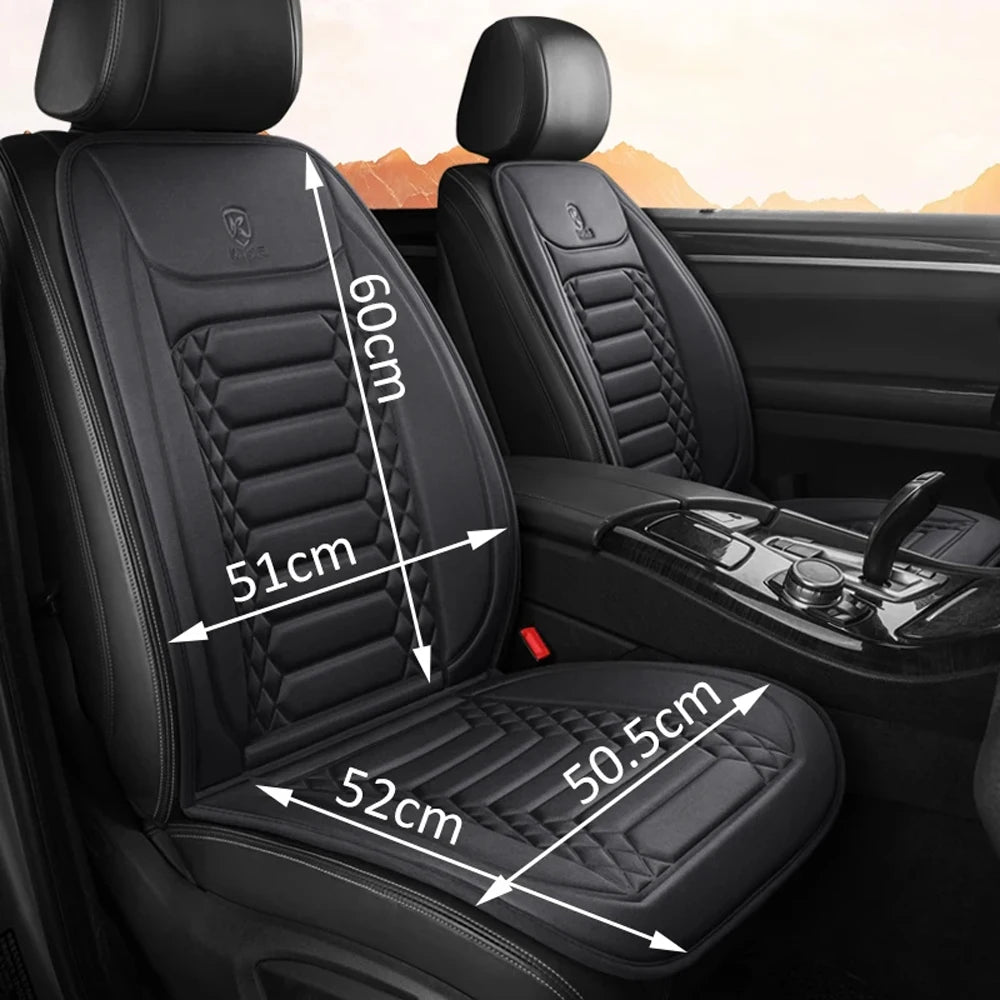
Portable heated car seat cover for winter comfort — See it in action
Related Guide: Seat Warmers for Car: Best Options Compared













