

Does a heated vest really work for cold commuting?
A heated vest for cold commuting delivers targeted warmth directly to your core, helping maintain comfort during long waits, outdoor walks, cycling, and daily travel in cold conditions. Modern battery powered heated clothing uses lightweight heating elements to provide portable warmth without adding the bulk of multiple winter layers.
The best heated vest for cold weather works by combining rechargeable battery power, efficient heating zones, and insulating materials. While it cannot fully replace heavy insulated clothing in extreme environments, it can significantly improve comfort for commuters and outdoor users who need mobility with reliable warmth.
Best Heated Vest for Cold Weather (2026): Top Picks for Commuting, Work & Outdoor Use
⏱ 6 min read
Cold weather does not always require bulky coats and multiple layers. A high-quality heated vest provides targeted core warmth, flexible movement, and adjustable heat control for commuting, outdoor work, hiking, cycling, and winter activities.
This guide compares rechargeable heated vests based on battery performance, heating coverage, comfort, durability, and real-world use cases to help you find the right option for your winter routine.
Best Heated Vests Compared (Quick Picks & Specs Table)
Top 7 Heated Vests at a Glance
- Best Overall: Balanced heating zones, reliable battery life, and versatile everyday performance
- Best Budget: Affordable battery heated vest with essential warmth features
- Best for Commuting: Slim profile designed to fit under jackets and workwear
- Best Lightweight: Minimal bulk for walking, cycling, and active use
- Best for Outdoor Work: Durable construction with longer runtime and weather resistance
- Best for Extreme Cold: Higher heat output and expanded heating coverage
- Best Unisex Fit: Flexible sizing and ergonomic design for men and women
Comparison Table (Battery, Heating Zones, Weight, Runtime, Weather Resistance)
| Feature | Typical Range | Why It Matters |
|---|---|---|
| Battery Runtime | 4–10 hours | Determines how long the vest can provide warmth between charges |
| Heating Zones | 3–7 zones | More zones improve heat distribution across chest, back, and collar |
| Weight | 300g–800g | Lighter designs improve comfort for commuting and active movement |
| Weather Resistance | Water-resistant to weather-protective fabrics | Helps protect against wind, moisture, and changing outdoor conditions |
| Best Use Cases | Commuting, work, hiking, cycling | Choose based on your activity level and environment |
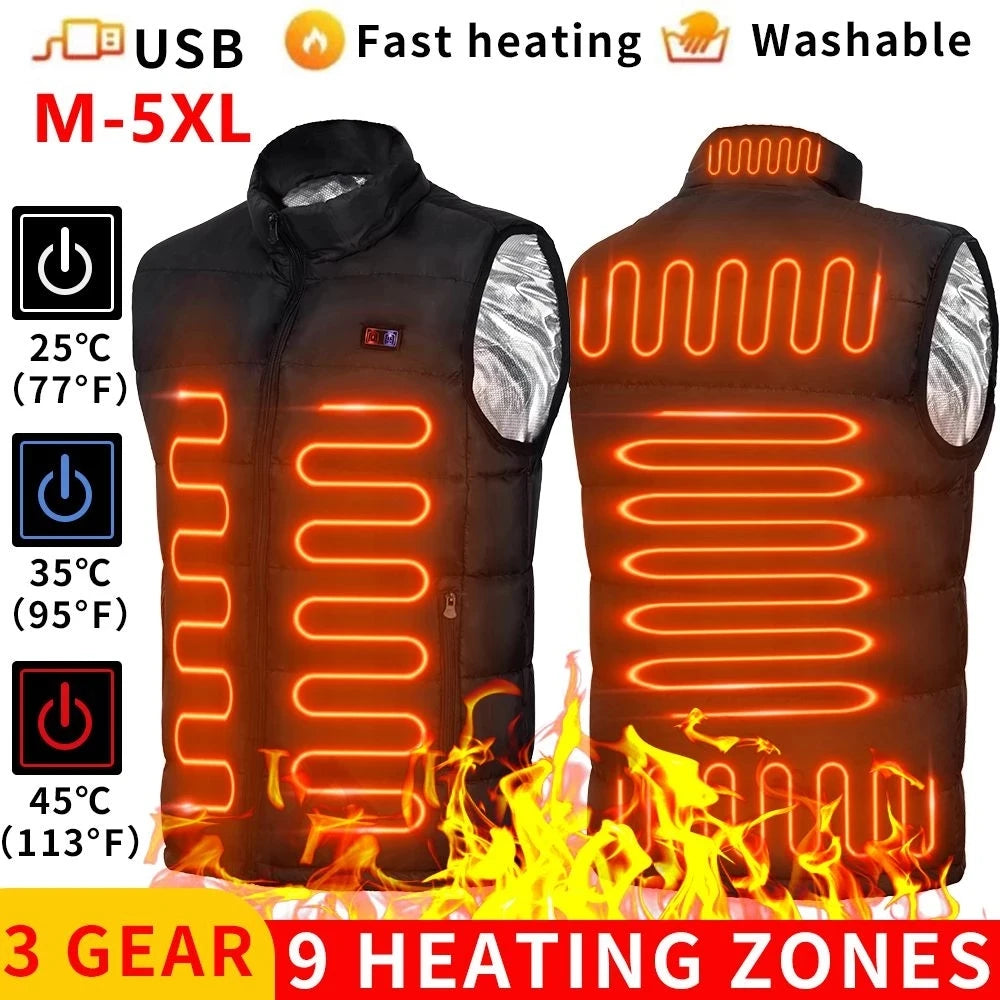
Portable warmth for everyday travel — heated vest for cold commuting in action See it in action
Does a Heated Vest Really Work in Cold Weather?
Yes, a heated vest can provide noticeable warmth by generating heat directly around your core instead of relying only on passive insulation. A battery heated vest uses powered heating elements to warm areas such as the chest and upper back, helping reduce discomfort during cold exposure.
Cold-weather performance
The effectiveness of a heated vest depends on battery capacity, insulation, outside temperature, and how active you are. During commuting, where users may alternate between walking and standing still, targeted core heating can make cold conditions feel significantly more manageable.
For outdoor work or extended exposure, a heated vest works best when combined with weather-resistant outer layers that block wind and retain generated heat.
Ideal temperature range
Most rechargeable heated vests perform well in cool to very cold conditions when used with appropriate layering. They are especially useful during temperatures where traditional clothing feels insufficient but a heavy insulated coat feels restrictive.
In extreme cold, heated clothing should complement—not replace—proper winter protection such as insulated jackets, gloves, and weatherproof footwear.
Who benefits most
- Daily commuters waiting outdoors for buses, trains, or rides
- Workers spending extended time outside
- Hikers and cyclists who need warmth without restricted movement
- Anyone who prefers adjustable heat instead of adding bulky layers
How We Tested the Best Heated Vests
To evaluate the best heated vest for cold weather, we focused on practical performance factors that affect everyday users rather than relying only on manufacturer specifications.
Testing conditions
Heated vests were evaluated across different winter scenarios, including outdoor commuting, low-activity cold exposure, walking, and extended wear with additional layers.
Performance scoring
Each vest category was assessed using key criteria:
- Heating performance: Speed, consistency, and coverage of warmth
- Battery efficiency: Runtime across different heat settings
- Comfort: Weight, flexibility, and fit during movement
- Durability: Fabric quality, construction, and daily wear resistance
Battery runtime testing
Battery heated vest performance was compared by measuring how long each heat setting remained usable. Actual runtime can vary depending on temperature, battery condition, and heating intensity.
Comfort and durability evaluation
Long-term comfort depends on more than heat output. We considered whether the vest remained comfortable under jackets, during movement, and after repeated charging and cleaning cycles.
How Does a Heated Vest Work?
A rechargeable heated vest uses thin heating elements integrated into the fabric. These elements receive power from a rechargeable battery pack and convert electrical energy into controlled warmth.
Battery system
Most modern battery heated vests use rechargeable lithium-ion batteries. Runtime commonly ranges from 4–10 hours depending on battery size, temperature setting, and outdoor conditions.
Heating elements and zones
Carbon fiber or metal heating elements are typically placed around high-value warmth areas such as the chest, back, and collar. Multiple zones help distribute heat more evenly instead of concentrating warmth in one location.
Temperature control
Most heated vests include button-based controls that allow users to switch between low, medium, and high settings. Adjustable temperature control helps conserve battery when full heat is unnecessary.
Power efficiency
Energy-efficient heating systems balance warmth and battery consumption by adjusting output levels. Lower settings usually provide longer runtime, while higher settings deliver faster warming in colder conditions.
Best Heated Vests for Cold Weather (Detailed Reviews)
Best Overall
The best overall heated vest combines reliable battery performance, balanced heating zones, comfortable materials, and everyday versatility. It should work equally well for commuting, outdoor activities, and casual winter use.
- Pros: Balanced warmth, versatile design, strong everyday value
- Cons: Premium features may increase cost
- Best for: Users wanting one vest for multiple winter activities
Best Budget
A budget heated vest focuses on essential heating performance while keeping the price accessible. These models are suitable for shorter commutes and occasional outdoor use.
- Pros: Affordable, lightweight, simple controls
- Cons: Often shorter battery runtime
- Best for: Casual winter users
Best for Commuting
A heated vest for commuting should prioritize a slim fit, lightweight construction, and compatibility with jackets or workwear.
- Pros: Easy layering, portable warmth, comfortable during travel
- Cons: Less insulation when worn alone
- Best for: Daily office commuters and urban travelers
Best Lightweight
A lightweight heated vest reduces bulk while maintaining useful warmth for active users.
- Pros: Better mobility, easier layering
- Cons: May provide less wind protection
- Best for: Hiking, walking, and cycling
Best for Outdoor Work
Outdoor workers need durable materials, dependable batteries, and consistent heating performance throughout long shifts.
- Pros: Built for extended exposure, stronger durability
- Cons: Usually heavier than commuter models
- Best for: Construction and outdoor jobs
Best for Extreme Cold
Extreme cold models prioritize stronger heating output, additional zones, and better insulation compatibility.
- Pros: Maximum warmth potential
- Cons: Higher weight and battery demands
- Best for: Sub-zero environments
Best for Men and Women
Unisex heated vests provide flexible sizing and designs that accommodate different body shapes.
- Pros: Versatile fit options
- Cons: Some users may prefer gender-specific tailoring
- Best for: Shared households or flexible sizing needs
Heated Vest vs Jacket: Which Is Better?
Both heated vests and heated jackets use similar heating technology, but they serve different purposes. A vest focuses heat around the core while allowing more freedom of movement. A jacket provides broader coverage but can feel heavier.
Warmth comparison
- Heated Vest: Excellent core warmth with flexible layering
- Heated Jacket: More complete coverage for harsh conditions
Mobility
Heated vests are usually lighter and easier to wear during commuting, hiking, or active work.
Layering
A vest works well under an outer shell because it adds warmth without significantly increasing bulk.
Best scenarios
Choose a heated vest for daily mobility and choose a heated jacket when maximum coverage matters more than flexibility.
What Makes a Heated Vest Effective?
Battery performance in freezing temperatures
Cold temperatures can reduce battery efficiency. A quality rechargeable heated vest should use dependable batteries that maintain performance in winter conditions.
Heating zone coverage
Multiple heating zones improve comfort by spreading warmth across important areas rather than concentrating heat in one spot.
Materials and weather resistance
Wind-resistant fabrics and insulating materials help retain heat while protecting against changing weather conditions.
Fit and sizing
A proper fit improves heat transfer. A vest that is too loose may allow warmth to escape, while one that is too tight may limit comfort.
How to Choose the Best Heated Vest
Battery life
Look for runtime that matches your routine. Daily commuters may prefer longer battery life, while short trips can work with smaller batteries.
Heating zones
More heating zones generally provide better coverage, especially around the chest and back.
Safety certifications
Choose heated clothing with reliable temperature control, battery protection systems, and manufacturer safety information.
Sizing
Select a fit that allows comfortable layering while keeping heating elements close enough to provide efficient warmth.
Weather resistance
For outdoor use, prioritize water-resistant materials and wind protection.
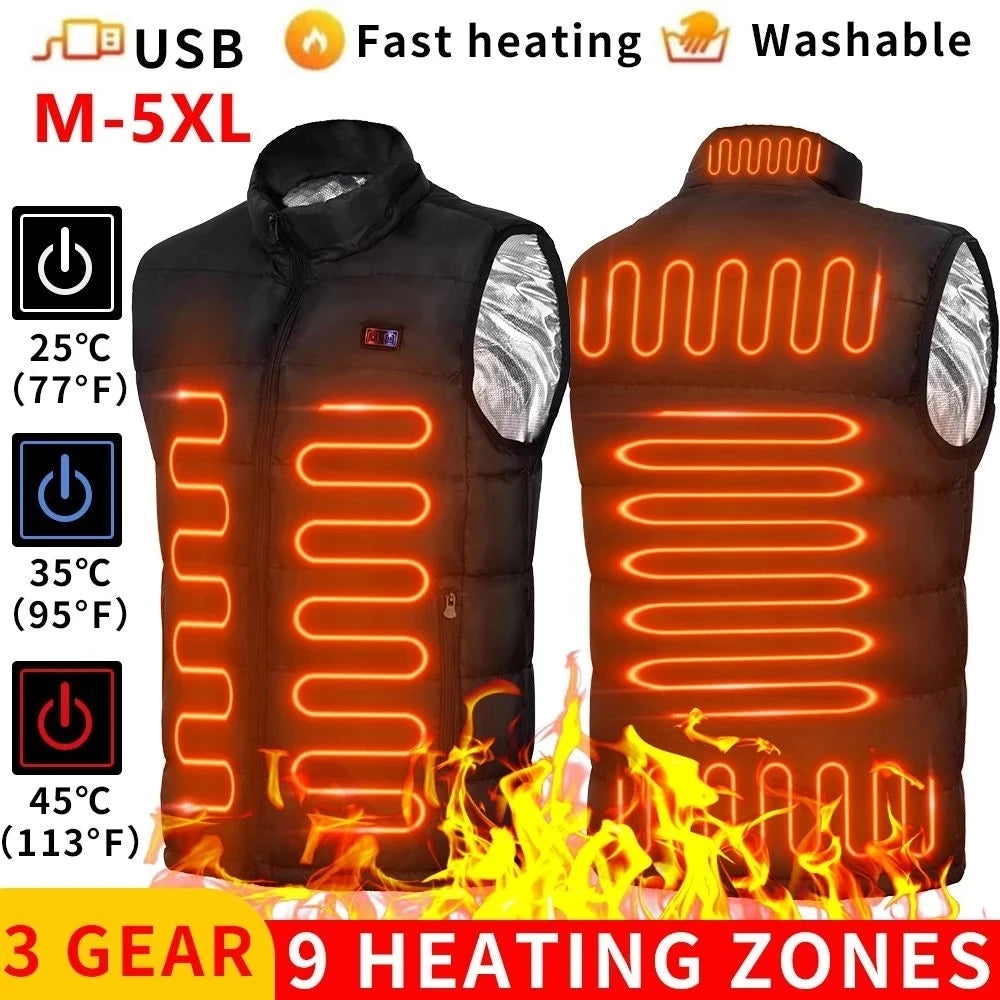
Designed for winter layering without bulk — smart heat, clean fit See it in action













