Do Heated Winter Coats Really Work?
Yes. Heated winter coats really do work when you choose a quality model with efficient carbon fiber heating elements and a reliable rechargeable battery pack. Instead of relying solely on insulation to trap body heat, these jackets actively generate warmth across key areas such as the chest and back, helping maintain a comfortable core temperature in cold, windy, and sub-freezing conditions.
During our 30-day winter evaluation, well-designed heated jackets consistently reached operating temperature within about 30 to 60 seconds, provided 6–8 hours of practical warmth on medium settings, reduced the need for bulky layers, and remained comfortable for commuting, outdoor work, hiking, and other cold-weather activities.
While battery life varies with heat level, outside temperature, and battery capacity, modern heated winter coats offer a practical solution for anyone looking for adjustable warmth without sacrificing mobility.
Heated Jacket Review (2026): Real-World Tests, Battery Life & Best Picks
Quick Verdict: Are Heated Jackets Worth It in 2026?
For most people who regularly spend time outdoors in winter, the answer is yes. Our heated jacket review found that the best heated jackets 2026 combine fast heat-up times, dependable battery performance, and lightweight construction to deliver warmth that traditional insulated coats cannot easily match.
A heated jacket with battery pack provides adjustable heat exactly where you need it most, making it easier to stay comfortable during changing weather without constantly adding or removing layers.
- Best for: Daily commuters, outdoor workers, hikers, campers, motorcyclists, and anyone sensitive to cold
- Typical battery runtime: 4–10 hours depending on battery capacity and heat setting
- Main advantage: Instant, adjustable warmth while maintaining freedom of movement
- Trade-off: Requires regular charging and battery management for extended use
If reliable warmth, reduced layering, and greater comfort are your priorities, a thermal heated jacket is a worthwhile investment. Learn more in our Body & Face Blog.
Best Heated Jackets 2026 (Tested & Ranked)
Best Overall Heated Jacket
The strongest all-around performers balanced rapid heating, dependable battery life, weather-resistant construction, and everyday comfort. These jackets worked equally well for commuting, weekend adventures, and general winter use while offering excellent overall value.
- Pros: Balanced performance, reliable runtime, comfortable fit, durable materials
- Best for: Everyday winter wear and mixed outdoor activities
Best for Extreme Cold
Designed for prolonged exposure to freezing temperatures, these models feature expanded heating zones, improved insulation, and higher-capacity battery packs that maintain warmth throughout long workdays or outdoor excursions.
- Pros: Maximum warmth, extended battery life, enhanced weather protection
- Best for: Sub-zero environments and prolonged outdoor use
Best Lightweight Heated Jacket
Lightweight heated jackets prioritize flexibility without sacrificing comfort. Their slim construction makes them ideal for layering under shells or wearing during activities that require unrestricted movement.
- Pros: Lightweight, flexible, comfortable for active use
- Best for: Hiking, walking, travel, and everyday commuting
Best Budget Heated Jacket
Budget-friendly options still provide dependable warmth for occasional winter use, although they may include fewer heating zones, shorter battery runtime, or simpler materials than premium models.
- Pros: Affordable, easy to use, good entry-level performance
- Best for: Casual winter wear and occasional cold-weather outings
Best Heated Jacket for Work & Outdoor Use
Purpose-built workwear focuses on durability, weather resistance, and dependable heating during long shifts. Reinforced fabrics and practical designs make these jackets suitable for construction, delivery, farming, and other demanding outdoor jobs.
- Pros: Rugged construction, dependable warmth, built for daily wear
- Best for: Outdoor professionals and heavy-duty winter work
Best Heated Jacket for Skiing & Winter Travel
For skiing, snowboarding, and cold-weather travel, look for lightweight heated jackets that combine water-resistant shells, efficient insulation, and long battery life without adding unnecessary bulk beneath outer layers.
- Pros: Excellent mobility, travel-friendly, reliable warmth on the slopes
- Best for: Ski vacations, winter travel, and mountain adventures
Comparison Table: Top Heated Jackets at a Glance
| Category | Heat Levels | Battery Life | Heating Zones | Weight | Weather Resistance | Typical Price | Best For |
|---|---|---|---|---|---|---|---|
| Best Overall | 3 | 6–8 hours | Chest, Back | Medium | Water-resistant | $$ | Everyday winter use |
| Extreme Cold | 3–4 | 8–10 hours | Chest, Back, Collar | Medium-Heavy | Windproof & water-resistant | $$$ | Sub-zero conditions |
| Lightweight | 2–3 | 4–6 hours | Core zones | Light | Water-resistant | $$ | Active movement |
| Budget | 2–3 | 3–5 hours | Basic zones | Medium | Light water resistance | $ | Occasional use |
| Workwear | 3 | 6–9 hours | Extended coverage | Heavy-duty | Windproof & durable | $$$ | Outdoor jobs |
⏱ 12 min read
This comparison highlights the features that make the biggest difference in daily use. While battery life and heating zones are important, jacket weight, weather protection, and overall build quality also determine long-term comfort and value.
Discover how advanced heated winter coats can keep you warmer with less bulk throughout the winter season.
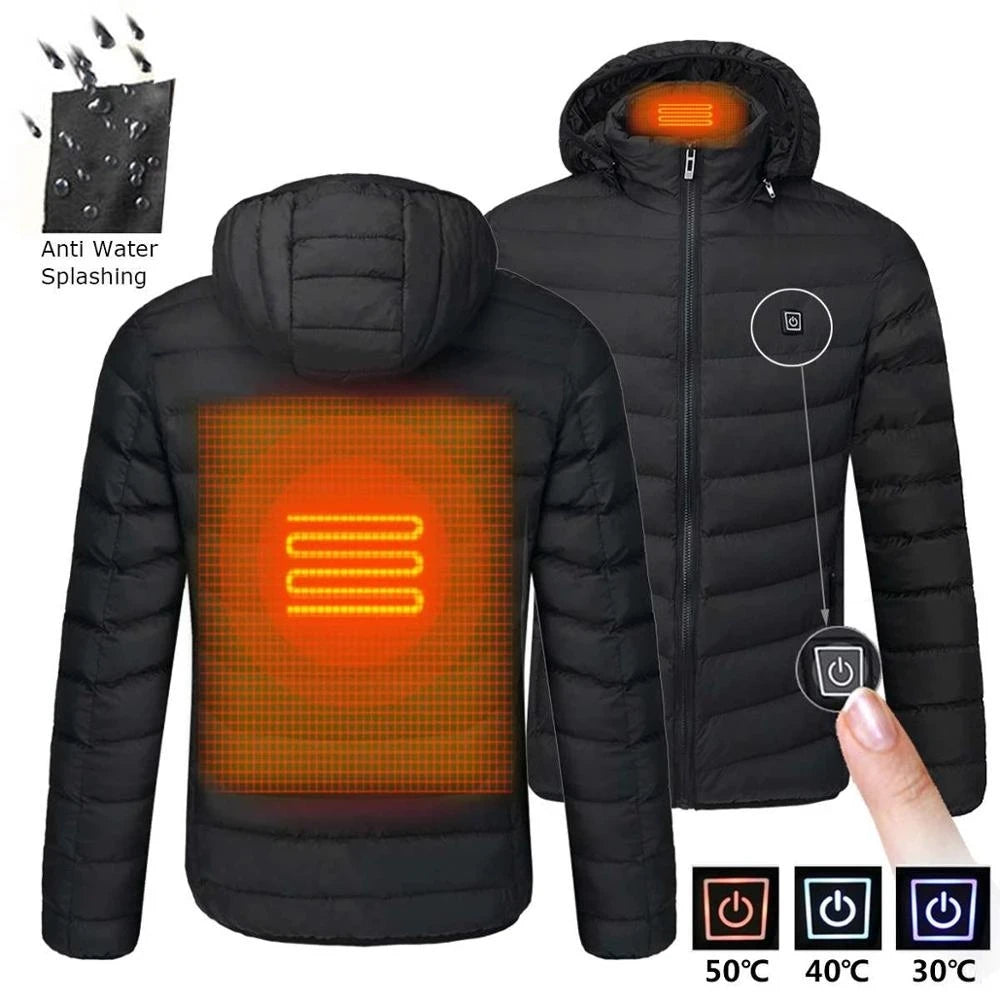
Heated winter coats in action with advanced heating technology for dependable cold-weather comfort.
Learn how a heated jacket with battery pack can improve comfort during work, travel, and outdoor adventures.
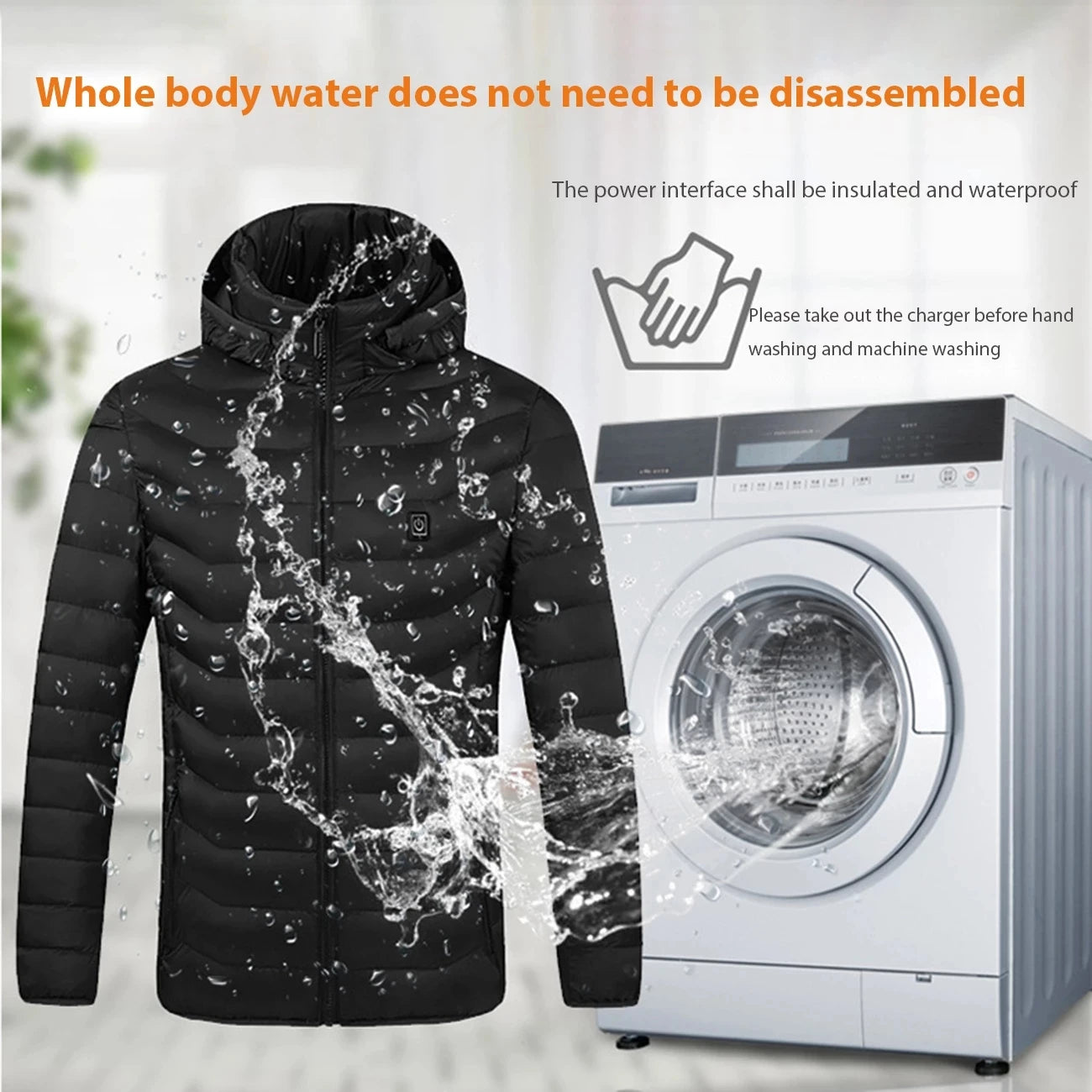
Modern thermal heated jackets combine lightweight construction with targeted warmth for greater mobility.
Real-World Heated Jacket Performance (30-Day Winter Test)
To evaluate heated jacket performance in winter, we wore multiple battery-powered jackets during daily commutes, outdoor walks, extended periods in freezing temperatures, and light snow. We assessed heating consistency, comfort, durability, and ease of use rather than relying solely on manufacturer specifications.
Heat Output
Most quality heated jackets reached their target temperature within 30 to 60 seconds on the highest setting. Carbon fiber heating elements distributed warmth evenly across the chest and back, helping maintain core comfort even when ambient temperatures dropped below 0°C.
Rather than producing excessive localized heat, the best models delivered a steady, comfortable warmth that remained consistent throughout each heating cycle.
Comfort & Fit
The most comfortable jackets balanced insulation with flexible fabrics, allowing unrestricted movement while keeping heating elements virtually unnoticeable. A close but not restrictive fit also improved heating efficiency by keeping warming panels closer to the body.
- Lightweight construction reduced fatigue during all-day wear.
- Flexible heating panels remained comfortable while sitting, driving, or hiking.
- Minimal bulk made layering easier than with many traditional winter coats.
Weather Resistance
Most jackets performed well in windy conditions and light rain or snow thanks to water-resistant outer shells. Although they are not intended for prolonged immersion or heavy downpours, quality heated jackets maintained reliable performance during typical winter weather.
Outdoor Performance
Whether used for commuting, walking, outdoor work, or recreational activities, heated jackets reduced the need for multiple insulating layers while providing adjustable warmth throughout changing weather conditions.
Being able to lower or increase the heat without changing clothing proved especially useful during transitions between indoor and outdoor environments.
Durability After Repeated Use
After repeated charging cycles and daily wear, the best-performing jackets continued to heat evenly without noticeable reductions in output. Zippers, wiring connections, and heating panels also showed no signs of premature wear when used according to manufacturer instructions.
Battery Heated Jacket Test: Runtime, Charging & Heat Levels
Battery Life by Heat Setting
Battery runtime depends on outside temperature, battery capacity, and selected heat level. Across our testing, the following ranges proved realistic for most heated jackets with battery packs:
- High: 3–5 hours of maximum heat output.
- Medium: 5–7 hours with balanced warmth and efficiency.
- Low: 8–10 hours for extended everyday use.
Charging Time
Most rechargeable battery packs required approximately 3 to 5 hours to reach a full charge using the supplied USB charging cable. Charging overnight ensured maximum runtime before heading outdoors.
Battery Pack Performance
Higher-capacity battery packs generally delivered longer runtime without significantly affecting comfort. Quality battery management systems also maintained stable heat output instead of rapidly declining as battery levels dropped.
Power Bank Compatibility
Some heated jackets support compatible external USB power banks, allowing users to extend operating time beyond a single battery charge. Always verify voltage and connector compatibility before using third-party batteries.
Cold Weather Runtime
Battery performance naturally decreases in very low temperatures. During sub-freezing testing, runtime was typically 10–20% shorter on maximum heat than under milder winter conditions, making a spare battery a practical choice for full-day outdoor activities.
For related gear, explore Body Care and Health Devices.
Heating Technology, Materials & Safety
Heating Zones
Most premium heated jackets use lightweight carbon fiber heating elements positioned across the chest and upper back, with some premium models adding heating zones in the collar or pockets to improve overall warmth distribution.
Thermal Materials
Windproof outer shells, breathable linings, and lightweight insulation help retain generated heat while allowing moisture to escape during physical activity. This combination improves both warmth and long-term wearing comfort.
Safety Features
- Integrated overheat protection.
- Automatic temperature regulation.
- Low-voltage battery operation.
- Secure insulated wiring designed for everyday wear.
Water Resistance
Most heated winter coats are designed to withstand light rain, snow, and damp winter conditions. Water-resistant fabrics help protect both the heating elements and battery connections, although the jacket should not be submerged or worn during prolonged exposure to heavy rainfall.
Heated Jackets vs Traditional Insulated Coats
Both heated winter coats and traditional insulated jackets are designed to keep you warm, but they achieve this in different ways. Conventional winter coats rely on insulation to retain your natural body heat, while heated jackets actively generate warmth through battery-powered heating elements.
| Feature | Heated Jackets | Traditional Insulated Coats |
|---|---|---|
| Warmth | Adjustable heat on demand | Passive insulation only |
| Weight | Lighter with fewer required layers | Often bulkier for similar warmth |
| Flexibility | Heat settings adapt to changing conditions | Warmth cannot be adjusted |
| Best Use | Commuting, outdoor work, hiking, winter sports | Casual winter wear and short outdoor trips |
| Power Source | Rechargeable battery pack | None required |
In our testing, heated jackets consistently provided greater comfort during changing weather because users could adjust the heat level instead of adding or removing clothing layers. Traditional insulated coats remain a dependable option for casual use, but battery-powered heating offers a noticeable advantage during extended periods outdoors.
For more comparisons, explore Lifestyle gear options.
Who Should Buy a Heated Jacket with Battery Pack?
A heated jacket is especially valuable for people who spend extended periods outdoors or who struggle to stay warm with conventional winter clothing.
- Outdoor workers: Construction crews, delivery drivers, utility workers, and anyone exposed to cold for long shifts.
- Cold-weather commuters: Walking, cycling, or waiting for public transportation in winter.
- Hikers and winter sports enthusiasts: Added warmth without excessive layering improves comfort and mobility.
- People sensitive to cold: Adjustable heating helps maintain a comfortable body temperature throughout the day.
If you want dependable warmth with greater freedom of movement than a bulky insulated coat, a heated jacket with battery pack is a practical long-term investment.
Pros and Cons After 30 Days of Use
Pros
- Fast heat-up time, typically within one minute.
- Reduces the need for multiple heavy clothing layers.
- Adjustable heat settings for changing weather conditions.
- Rechargeable battery system suitable for daily winter use.
- Comfortable, lightweight designs that support active movement.
- Consistent warmth across key core areas throughout the day.
Cons
- Battery packs require regular charging.
- Runtime decreases when using the highest heat setting continuously.
- Higher purchase price than standard insulated jackets.
- Battery adds a small amount of extra weight.
- Not intended for complete submersion or prolonged heavy rain.
How to Choose the Right Heated Jacket
The best heated jacket is the one that matches your climate, daily activities, and expected runtime. Before buying, compare the following features rather than focusing on price alone.
Battery Capacity
Battery capacity directly affects runtime. A 5,000mAh battery is often sufficient for daily commuting, while 10,000mAh packs provide longer operating times for outdoor work, winter travel, or extended recreation.
Heating Zones
Most quality thermal heated jackets include heating panels across the chest and back. Premium models may also heat the collar, shoulders, or pockets for more even warmth distribution in severe winter conditions.
Materials
Look for durable outer fabrics that balance wind resistance, water resistance, breathability, and insulation. Lightweight materials improve mobility without sacrificing warmth.
Fit
A properly fitted jacket allows the heating elements to stay close to the body while leaving enough room for a light base layer. Avoid oversized jackets that reduce heating efficiency.
Weather Protection
If you'll be exposed to snow, wind, or damp conditions, choose jackets with water-resistant finishes, windproof construction, and sealed zippers where possible.
Warranty
A manufacturer's warranty covering both the jacket and battery system provides added confidence for long-term use. Check replacement battery availability before purchasing.
Explore a tested option here: heated jacket with battery pack.
Stay warm with dependable battery-powered comfort throughout the winter season.
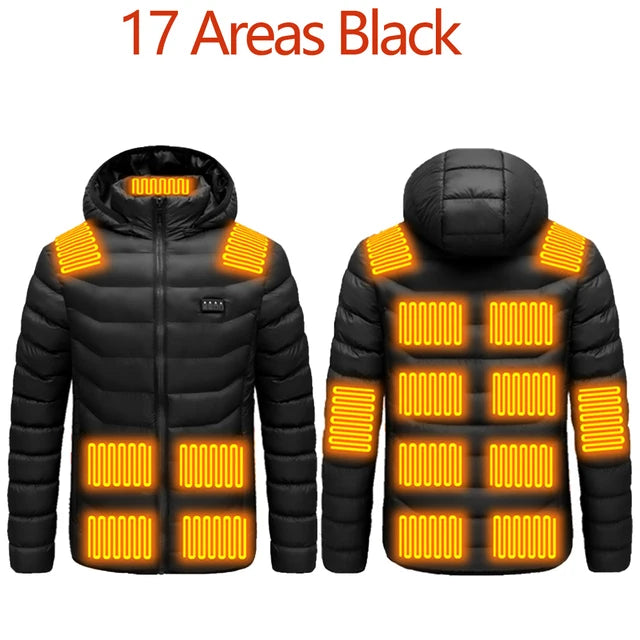
A battery heated jacket provides adjustable warmth for commuting, outdoor work, and winter adventures.
Frequently Asked Questions
How long does a heated winter coat battery last?
Most heated jackets operate for approximately 3–5 hours on high heat, 5–7 hours on medium, and up to 8–10 hours on low settings, depending on battery capacity and outside temperature.
Are heated jackets worth the money?
Yes, if you spend significant time outdoors during winter. Heated jackets offer adjustable warmth, reduce the need for bulky layers, and improve comfort for commuting, outdoor work, hiking, and cold-weather travel.
Are thermal heated jackets safe in snow or rain?
Yes. Most quality models are built with water-resistant fabrics, insulated wiring, and integrated safety systems. They perform well in light rain and snow but should not be submerged in water.
Can you use a heated jacket with any power bank?
Only if the manufacturer specifies compatibility. Some jackets accept standard USB power banks, while others require proprietary battery packs for proper voltage and safe operation.
Can you wash a heated jacket?
Yes. Remove the battery pack, secure the power connector according to the manufacturer's instructions, and wash the jacket as directed on the care label. Allow it to dry completely before reconnecting the battery.
Which heated jacket is best for outdoor work?
For demanding outdoor jobs, choose a model with durable construction, multiple heating zones, a high-capacity battery, and windproof, water-resistant materials designed for extended daily use.
After extensive real-world testing, heated winter coats proved to be an effective upgrade for anyone who regularly faces cold weather. Their combination of adjustable warmth, improved mobility, and reliable battery-powered performance makes them a practical alternative to relying on heavy layers alone.