

Does a wax heater really ensure smooth and even melting?
Yes. A dedicated heater for wax delivers steady, controlled heat that melts wax evenly and helps maintain the ideal working consistency. Compared with a microwave or other improvised methods, a wax heater reduces hot spots, lowers the risk of overheating, and makes it easier to achieve smooth, salon-quality hair removal at home.
How to Heat Wax Safely for Smooth, Even Results at Home
Uneven wax, sudden bursts of heat, or wax that hardens too quickly can turn an at-home waxing session into a frustrating experience. In most cases, the problem isn't the wax itself—it's how it's heated. Learning how to warm wax correctly helps improve application, reduces discomfort, and delivers cleaner, longer-lasting results.
⏱ 5 min read
Discover how the right heating setup transforms home waxing.
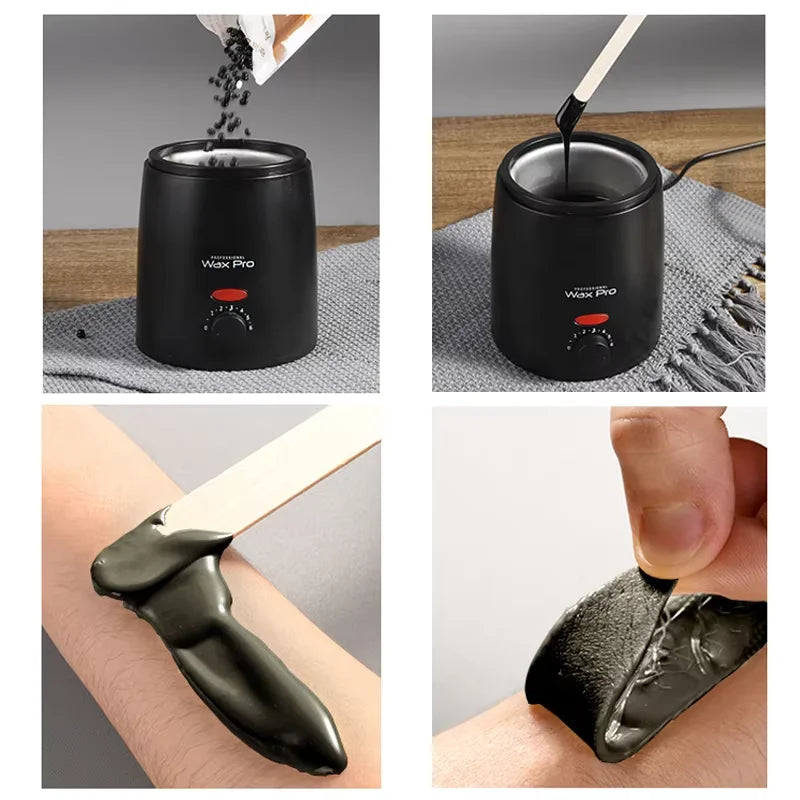
Even heat starts with the right heater for wax — See it in action
What Is the Best Way to Warm Wax at Home?
Knowing how to warm wax correctly is the first step toward comfortable, effective hair removal. The ideal method depends on the type of wax you use, how often you wax, and how much control you want over the temperature.
How Different Wax Types Heat Differently
- Hard wax: Melts into a thick, flexible consistency and is usually applied without strips. It performs best with slow, controlled heating.
- Soft wax: Requires a slightly thinner texture and is removed using waxing strips. It generally needs a slightly higher working temperature.
- Wax beads: Melt quickly but should be stirred regularly to ensure even heating and a smooth consistency.
Each formula responds differently to heat, so following the manufacturer's instructions helps maintain product performance.
Choosing the Right Heating Method
If you're wondering how to heat wax at home, beginners usually achieve the most consistent results with a dedicated wax warmer. Microwaves work faster but require close attention, while a double boiler offers excellent temperature control without specialized equipment.
For more buying advice, explore our upcoming Hard Wax Buying Guide , Wax Warmer Buying Guide , and Hard Wax vs Soft Wax resources.
Why Proper Wax Temperature Matters
Maintaining a safe wax heating temperature improves both comfort and performance. Wax that is too cool may not grip hair effectively, while overheated wax can become runny, lose its ideal texture, and increase the risk of skin irritation.
- Improves hair removal efficiency
- Helps wax grip hair instead of skin
- Maintains a smooth, spreadable consistency
- Reduces the risk of burns and redness
- Minimizes repeated reheating
Best Methods to Heat Wax at Home (Compared)
There are several reliable ways to heat wax. Each offers different advantages depending on convenience, temperature control, and experience level.
Using a Wax Warmer
A dedicated heater for wax provides the best balance of safety and consistency. Adjustable temperature settings help maintain the ideal wax melting temperature throughout your session.
- Excellent temperature control
- Even heat distribution
- Works well for hard wax, soft wax, and wax beads
- Ideal for regular users
Heating Wax in the Microwave
The microwave is convenient for occasional use but requires frequent stirring because wax may develop hot spots.
- Fastest heating method
- Requires heating in short intervals
- Higher risk of uneven melting
Using a Double Boiler
A double boiler melts wax gradually using indirect heat, making it a dependable option when a wax warmer isn't available.
- Gentle, controlled heating
- Lower overheating risk than microwaving
- Requires additional preparation time
How to Warm Wax Without a Heater
If you don't own a wax warmer, use a double boiler rather than placing wax directly over high heat. Avoid adding water to the wax, and stir regularly until it reaches a smooth, honey-like consistency.
Step-by-Step: How to Warm Wax Safely
Hard Wax
- Place hard wax into a clean heat-safe container.
- Heat gradually using a wax warmer or double boiler.
- Stir every 30 to 60 seconds.
- Continue until the wax becomes smooth and elastic.
Soft Wax
- Warm slowly to avoid overheating.
- Stir frequently for even consistency.
- Stop heating once the wax spreads easily without dripping excessively.
Wax Beads
- Pour the desired amount into your warmer.
- Heat gradually while stirring as the beads melt.
- Continue until no solid pieces remain.
- Always test the temperature before applying to skin.
Regardless of the wax type, slow heating produces the smoothest results and helps prevent unnecessary irritation.
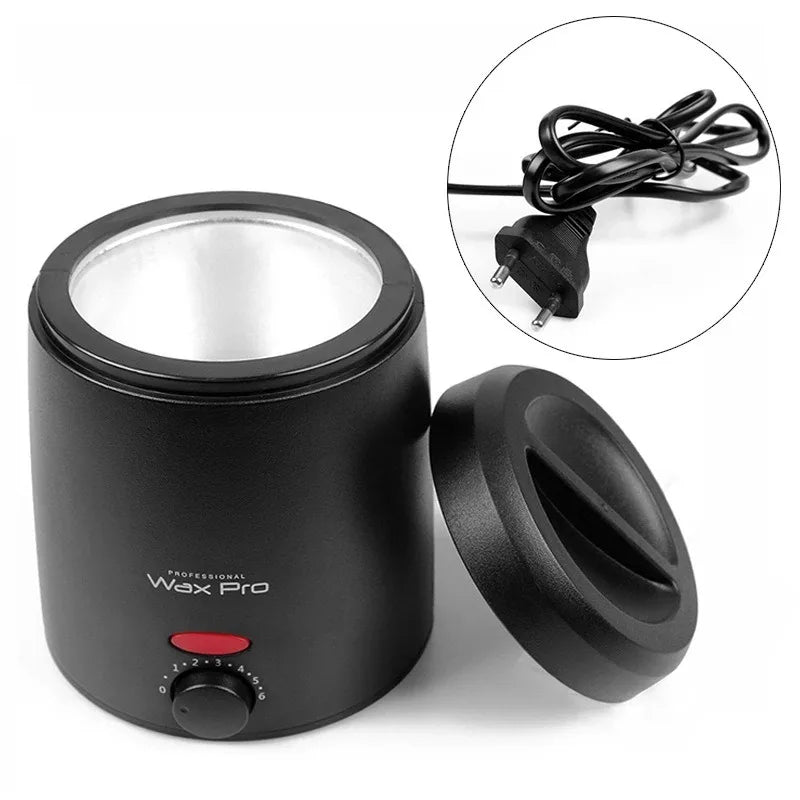
Smooth texture starts with controlled heating — See it in action
Ideal Wax Temperature Guide
Ideal Wax Melting Temperature
Most waxes work best between 45°C and 60°C (113°F to 140°F) . The ideal wax melting temperature produces a smooth, spreadable consistency without becoming watery.
What Temp Should Wax Be for Legs?
For larger treatment areas like the legs, many waxes perform well around 50–55°C , allowing even application over broad sections of skin.
Wax Temperature for Underarms
Because underarm skin is more sensitive, a working temperature between 45–50°C generally provides better comfort while maintaining effective hair removal.
Hard Wax vs Soft Wax Temperature
- Hard wax: Usually applied at the lower end of the recommended temperature range.
- Soft wax: Often requires slightly higher temperatures to maintain a thinner consistency.
Always prioritize texture over exact numbers, as different formulations vary slightly.
How to Test Wax Temperature Before Applying
Before applying wax to sensitive skin, perform a simple safety check.
- Stir thoroughly after heating.
- Place a small amount of wax on the applicator.
- Test it on the inside of your wrist.
- Wait several seconds to assess the warmth.
- Proceed only if it feels comfortably warm rather than hot.
This quick test helps confirm a safe wax heating temperature before full application.
How to Prevent Wax Overheating
Signs Wax Is Too Hot
- Very thin, watery consistency
- Steam or excessive bubbling
- Feels painfully hot during a wrist test
- Difficult to control during application
How to Cool Overheated Wax
- Turn off the heat immediately.
- Allow the wax to cool naturally.
- Stir occasionally while cooling.
- Never add water or ice.
- Retest before using.
Preventing wax overheating protects both your skin and the quality of the wax.
Common Wax Heating Problems and Solutions
Wax Too Thick
Heat slightly longer in short intervals while stirring until the wax spreads smoothly.
Wax Too Runny
Allow the wax to cool naturally until it reaches a thicker consistency.
Wax Cools Too Quickly
Maintain a steady warming temperature instead of repeatedly reheating from cold.
Can You Reheat Wax Safely?
Yes. Clean, uncontaminated wax can usually be reheated several times provided it isn't repeatedly overheated. Gradual reheating helps preserve texture and performance.
Additional tutorials coming soon include How to Wax Legs at Home , How to Wax Underarms Safely , Pre-Wax Skin Preparation , Post-Wax Aftercare , and Common Waxing Mistakes .
Wax Heater vs Microwave vs Double Boiler: Which Is Best?
Your ideal heating method depends on experience, budget, and how frequently you wax.
- Wax heater: Best overall for safety, consistency, and regular use.
- Microwave: Best for quick, occasional sessions but requires careful monitoring.
- Double boiler: Best low-cost alternative offering excellent control.
If consistent results are your priority, a dedicated heater for wax remains the most reliable option.
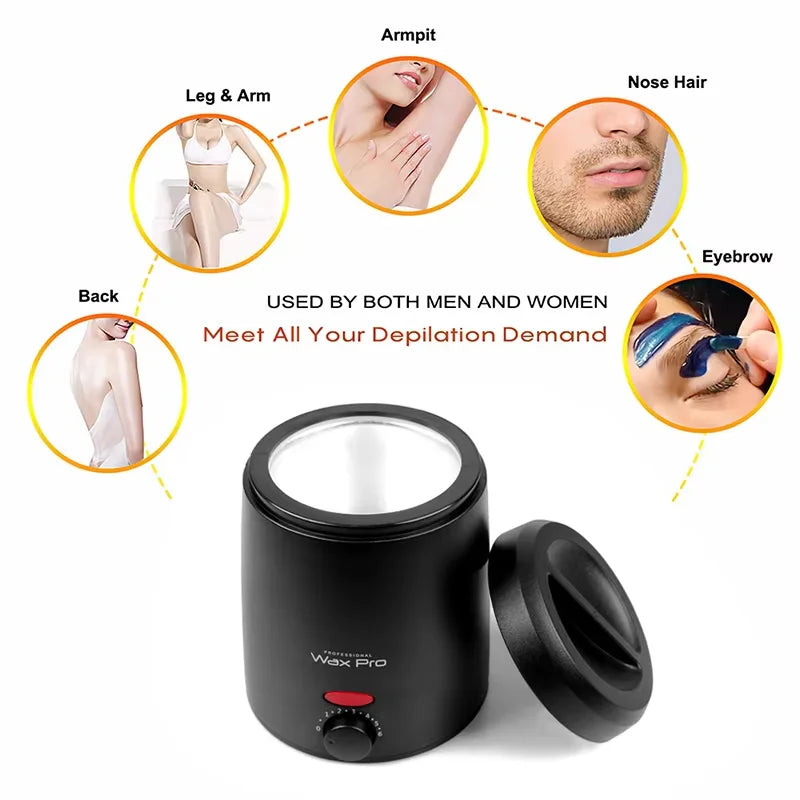
Confidence starts with control — See it in action
How to Know Wax Is Ready to Use
Correct Consistency
Properly heated wax should resemble warm honey. It should spread smoothly without dripping excessively or forming stiff clumps.
Visual and Texture Checks
- Smooth appearance without lumps
- Easy to stir with consistent resistance
- Spreads evenly on the applicator
- Feels comfortably warm during a wrist test
Recognizing these signs helps you melt wax evenly every time while reducing waste and improving waxing results.
Mini FAQ: How to Heat Wax Properly
How do you warm wax without a wax heater?
A double boiler provides the safest alternative because indirect heat melts wax gradually and reduces the risk of hot spots.
What is the ideal wax melting temperature?
Most waxes perform well between 45°C and 60°C, depending on the formulation.
What temperature should wax be for legs?
A working temperature around 50–55°C generally provides smooth application across larger areas.
What wax temperature is best for underarms?
Approximately 45–50°C helps balance comfort and effective hair removal for sensitive underarm skin.
Can you safely reheat hard wax?
Yes. Hard wax can usually be reheated several times if it remains clean and isn't overheated repeatedly.
How can you tell if wax is too hot?
If the wax becomes very runny, steams, or feels uncomfortably hot during a wrist test, allow it to cool before use.
Why is my wax too thick after heating?
The wax likely needs a little more heat. Warm it in short intervals while stirring until it reaches the proper consistency.
How do you melt wax evenly every time?
Use gradual heating, stir regularly, avoid high temperatures, and maintain a consistent working temperature throughout your waxing session.
Related Guide: Waxing Kit for Home Use: Step-by-Step Beginner Guide
Related Guide: Not Found













