

Does a Heating Pad Help Abdominal Pain?
Yes, a heating pad can help relieve many types of abdominal pain by relaxing muscles, improving blood flow, and reducing cramping sensations. Heat therapy is commonly recommended for menstrual cramps, mild digestive discomfort, and muscle-related abdominal pain.
If you're wondering "will a heating pad help abdominal pain?" the answer depends on the underlying cause. Heat is often effective for cramp-related pain and muscle tension, with many people noticing relief within 15–30 minutes. However, severe or unexplained abdominal pain should always be evaluated by a healthcare professional.
- Relaxes tight abdominal and uterine muscles
- Improves circulation to support natural pain relief
- Helps reduce cramping, tension, and mild bloating
- Provides a drug-free comfort option for recurring cramps
This is why heat for stomach cramps is often recommended as a first-line comfort measure for many non-emergency conditions.
Heating Pad for Abdominal Pain: Benefits, Best Options & How to Use It Safely
Abdominal pain can interrupt your entire day—whether you're working, resting, or on the move. Traditional heating pads can feel bulky or restrictive, but modern solutions now offer safer, more flexible relief. This guide explains how to use heat therapy effectively, when it can help, when it should be avoided, and how to choose the right option for your lifestyle.
⏱ 6 min read
Explore the abdomen warming wearable device
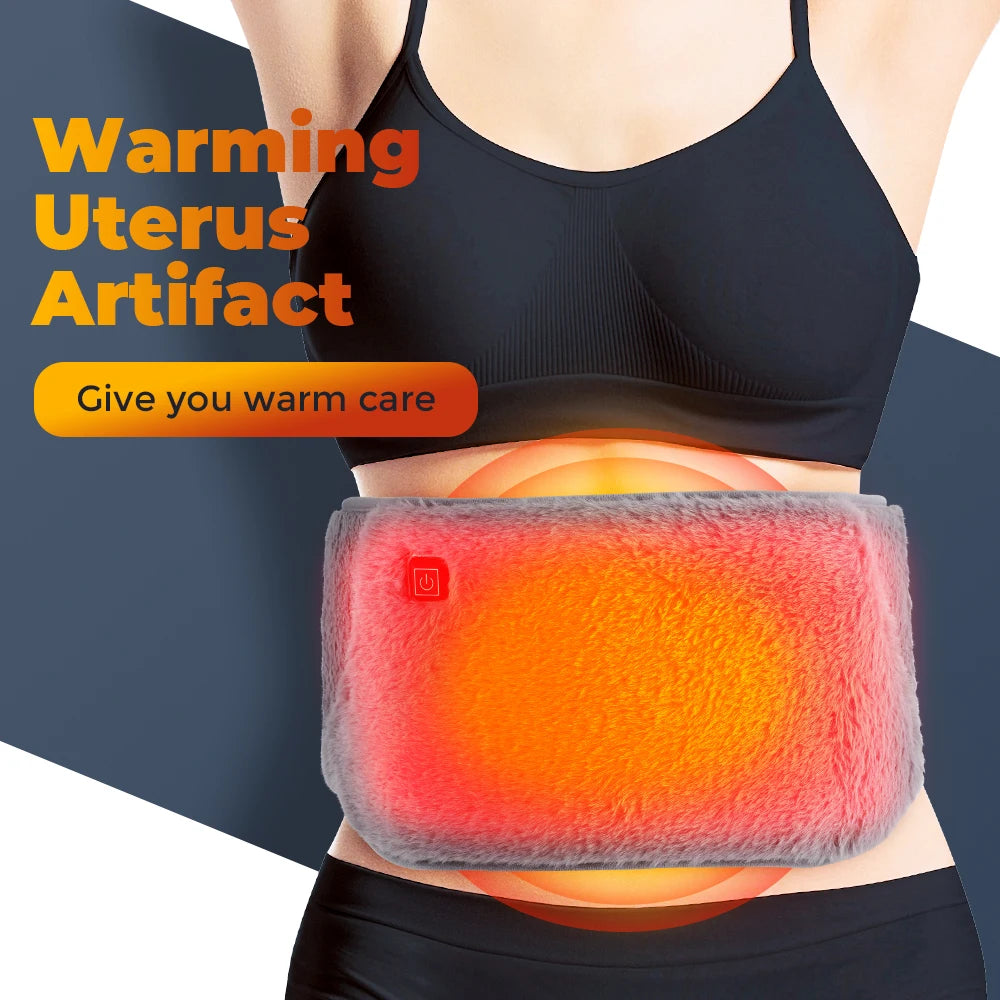
Gentle, even heat where you need it most See it in action
Why Heat Works for Abdominal Cramps
Heating pad abdominal cramps relief is supported by well-understood physiology. Gentle warmth relaxes muscles, increases local circulation, and helps reduce the pain signals your brain receives from the affected area.
- Improves blood flow to tight or cramping muscles
- Reduces muscle stiffness and spasms
- Creates soothing sensory input that decreases pain perception
- Encourages relaxation during painful cramping episodes
Unlike medication, heat therapy is non-invasive, reusable, and can be repeated safely throughout the day when used according to recommended guidelines.
Benefits of Using a Heating Pad on Your Stomach
Period Cramps
The primary heating pad on stomach benefits for menstrual cramps come from relaxing uterine muscles that contract during menstruation. This may reduce both the intensity and frequency of cramping while improving overall comfort during your period.
Lower Abdominal Muscle Pain
If discomfort is caused by strained abdominal muscles, exercise, or muscle tension, heat can reduce stiffness, improve flexibility, and promote more comfortable movement.
Temporary Relief for Stomach Cramps
Heat for stomach cramps may also help ease mild digestive discomfort caused by temporary muscle spasms or bloating. While it does not treat the underlying digestive condition, many people find it provides short-term comfort alongside hydration, rest, and other supportive care.
Remember that heat is intended to relieve symptoms—not diagnose or cure the underlying cause of abdominal pain.
Does a Heating Pad Help Stomach Pain or Abdominal Pain?
When Heat Can Help
A heating pad for lower abdominal pain is often helpful when discomfort is related to muscle tension or cramping rather than inflammation or infection. Common situations include:
- Menstrual cramps
- Mild abdominal muscle soreness
- Temporary digestive cramping or bloating
- Lower abdominal muscle tightness
If you're asking "does a heating pad help stomach cramps?" or "does a heating pad help stomach pain?" , the answer is often yes for these conditions because warmth relaxes muscles and improves circulation. This also explains why a heating pad helps stomach pain in many cases.
When Heat May Make Symptoms Worse
Heat should not be used if abdominal pain is sudden, severe, or accompanied by symptoms such as:
- High fever
- Persistent vomiting
- Severe swelling of the abdomen
- Bloody stools or vomiting blood
- Pain that rapidly worsens or becomes localized
These symptoms may indicate a condition requiring prompt medical evaluation rather than home treatment.
How to Use a Heating Pad for Period Cramps
Step 1: Choose the Right Heating Pad
Choose a heating pad that fits your daily routine. Traditional electric pads are ideal for relaxing at home, while wearable heating belts provide hands-free warmth during work, travel, or daily activities.
Step 2: Set a Safe Temperature
Begin with a low or medium heat setting. The pad should feel comfortably warm rather than hot. Higher temperatures do not necessarily provide faster relief and may increase the risk of skin irritation.
Step 3: Where to Put a Heating Pad for Cramps
If you're wondering where to put a heating pad for cramps or where do you put a heating pad for cramps , place it directly over the lower abdomen where menstrual pain is strongest. Some people also find additional comfort by applying heat to the lower back if cramps radiate there.
Step 4: How Long to Use a Heating Pad for Menstrual Cramps
For most people, 15–20 minutes is enough to begin easing discomfort. Sessions can be extended to about 30 minutes if needed, provided the temperature remains comfortable and your skin is checked regularly.
How Often Can You Use Heat?
You can repeat heat therapy several times throughout the day as symptoms return. Allow your skin to cool between sessions, and avoid continuous prolonged heating unless using a product specifically designed for extended wear according to the manufacturer's instructions.
See how the wearable heating pad works
How Do Heating Pads Work for Menstrual Cramps?
How Heat Relaxes Uterine Muscles
During menstruation, uterine muscles contract to help shed the uterine lining. Gentle heat helps these muscles relax, reducing the strength of painful contractions and improving comfort.
How Heat Improves Blood Flow
Heat widens nearby blood vessels, increasing circulation to the affected tissues. Better blood flow delivers oxygen and nutrients while helping muscles recover from prolonged tension.
Why Heat Reduces Pain Signals
One reason heating pads help with cramps is that warmth stimulates temperature-sensitive nerve receptors in the skin. These signals can reduce how strongly pain messages are perceived, making cramping feel less intense while encouraging relaxation.
Ways to Improve Relief Alongside Heat Therapy
Hydration
Drinking enough water may help reduce bloating and support normal muscle function during your period.
Gentle Stretching or Walking
Light movement, gentle stretching, or a short walk can improve circulation and reduce muscle tightness without placing excess strain on your body.
Pain Relievers if Appropriate
If recommended by your healthcare provider, over-the-counter pain relievers may be combined with heat therapy for additional symptom relief.
Rest and Relaxation
Quality sleep, stress management, and relaxing activities such as deep breathing or gentle yoga can complement heat therapy and improve overall comfort.
Safety Tips for Using a Heating Pad on Your Stomach
- Place a thin layer of clothing or fabric between the heating pad and your skin when appropriate.
- Use low to medium heat settings whenever possible.
- Limit individual sessions to about 15–30 minutes unless the product instructions state otherwise.
- Never sleep with an active heating pad unless it is specifically designed and approved for overnight use.
- Choose models with automatic shut-off for added safety.
- Do not apply heat to broken, irritated, or infected skin.
Following these recommendations helps maximize comfort while minimizing the risk of burns or skin irritation.
For more everyday wellness tools, explore the Body Care and Health Devices collection.
When Should You Avoid Using a Heating Pad?
Pregnancy and Medical Conditions
If you are pregnant or have certain medical conditions, discuss heat therapy with your healthcare provider before placing prolonged heat over your abdomen. People with diabetes or circulation disorders should also use extra caution.
Skin Injuries or Reduced Sensation
Avoid applying heat over burns, wounds, rashes, or areas where sensation is reduced. Impaired feeling increases the risk of accidental burns.
Severe or Unexplained Abdominal Pain
You should not rely on a heating pad if abdominal pain is sudden, severe, unexplained, or associated with fever, persistent vomiting, fainting, or heavy bleeding. Medical evaluation is important to identify potentially serious conditions.
Try the wearable heating pad today
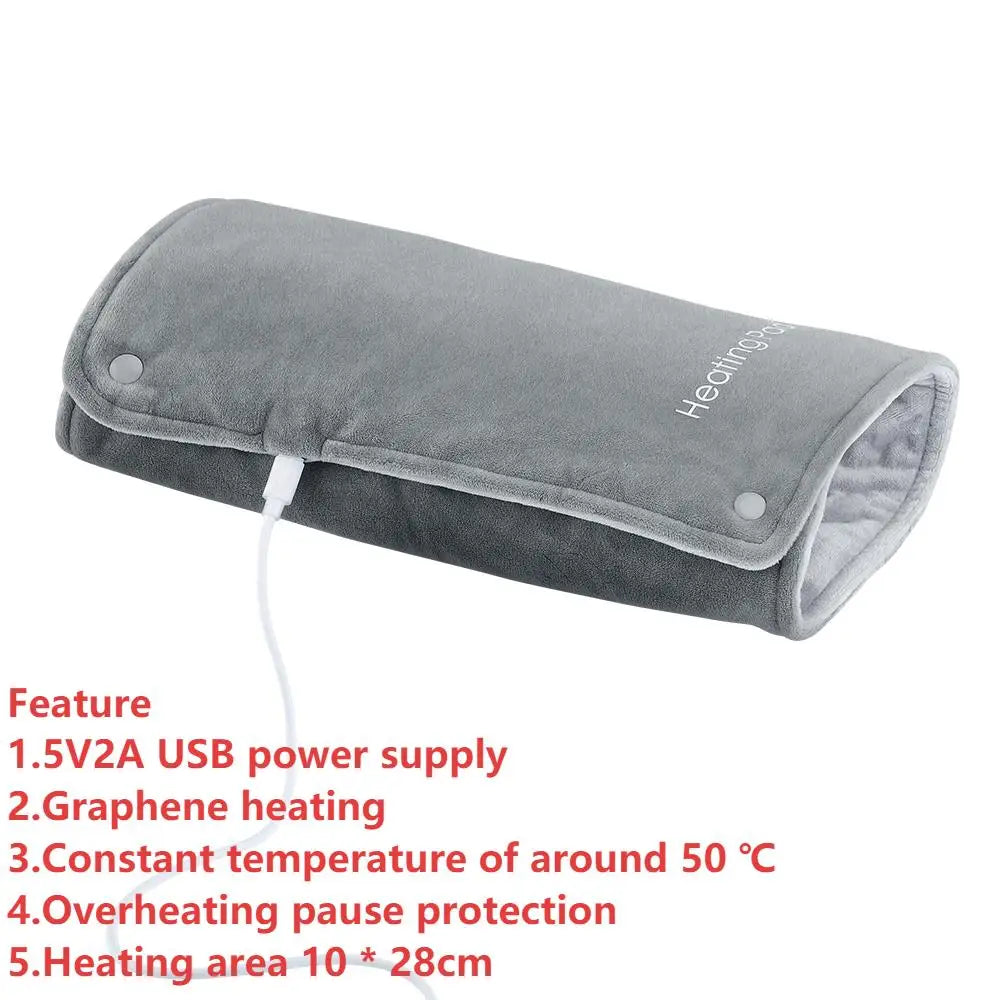
Portable relief wherever life takes you See it in action
When to See a Healthcare Professional
Emergency Symptoms
Seek immediate medical care if abdominal pain is accompanied by severe vomiting, difficulty breathing, fainting, high fever, or signs of internal bleeding.
Persistent or Severe Menstrual Pain
If period pain prevents normal daily activities, continues despite home treatment, or becomes progressively worse over several menstrual cycles, schedule an evaluation with a healthcare professional.
Possible Underlying Conditions
Recurring severe cramps may be caused by conditions such as endometriosis, adenomyosis, uterine fibroids, or pelvic inflammatory disease. Proper diagnosis helps ensure you receive the most appropriate treatment.
Related Guide: How to Relieve Menstrual Cramps Step by Step at Home
Frequently Asked Questions
Where should I put a heating pad for period cramps?
Place the heating pad over your lower abdomen where cramping is strongest. If pain also affects your lower back, alternating between the abdomen and lower back may provide additional comfort.
How long should I use a heating pad for menstrual cramps?
Most people benefit from sessions lasting 15–20 minutes, although up to 30 minutes may be appropriate if the temperature remains comfortable and skin is monitored.
Can I sleep with a heating pad?
It is generally not recommended to sleep with an active heating pad because prolonged exposure increases the risk of burns and overheating.
Can I use a heating pad every day during my period?
Yes. Daily use during your menstrual cycle is generally considered safe when you follow the manufacturer's instructions and avoid excessive heat or prolonged continuous use.
What temperature is safest?
Low to medium heat settings are typically safest. The pad should feel comfortably warm rather than hot.
Can heat replace pain medication?
For mild to moderate menstrual cramps, some people find heat therapy alone provides sufficient relief. Others benefit from combining heat with other treatments recommended by their healthcare provider.













