

Heating Pad with Massage vs Back Massager: Which Is Better for Back Pain Relief?
If you deal with back pain after working all day , choosing between a heating pad with massage , a heating belt , or a dedicated massager belt can feel confusing. Each device promises relief, but they work in different ways. Understanding how heat therapy and massage therapy affect muscles can help you choose the device that actually supports long-term comfort and recovery.
⏱ 7 min read
Heating Pad with Massage vs Back Massager: Quick Comparison
If you're deciding between a heating pad with massage and a standalone back massager, the right option depends on your pain type and how you plan to use the device. Both provide relief, but they rely on different therapeutic mechanisms.
- Heating pad: Uses heat therapy to relax muscles and improve circulation.
- Back massager: Uses vibration or mechanical nodes to loosen tight muscles.
- Heating pad with massage: Combines heat therapy and massage for deeper relaxation.
In general, heat therapy works best for muscle stiffness and tension , while massage devices are more effective for trigger points and deeper muscle knots . Many users find the most effective solution is a device that combines both therapies.
How Heat Therapy and Massage Therapy Work for Back Pain
How Heat Therapy Relieves Muscle Pain
Heat therapy increases blood flow to muscles, helping oxygen and nutrients reach tense areas faster. This improved circulation allows tight muscles to relax and can reduce stiffness caused by long periods of sitting, physical strain, or repetitive work.
Electric heating pads and heat belts for shoulder pain are commonly used for:
- Muscle tightness after long workdays
- Lower back stiffness
- Mild chronic back discomfort
- Recovery after light exercise
Because heat helps muscles relax gradually, many people use heating pads for daily comfort or short recovery sessions.
How Mechanical or Vibration Massage Relaxes Muscles
Back massagers stimulate muscles using vibration or rotating massage nodes. This stimulation helps release tight muscle fibers, reduce tension, and improve mobility in stiff areas.
Compared with heat alone, massage devices can target deeper muscle tension and trigger points.
- Breaks up tight muscle fibers
- Stimulates blood circulation
- Improves flexibility
- Reduces stress-related tension
Should You Combine Heat with a Massager?
Many modern massage devices include built-in heating elements because combining heat with massage can enhance muscle relaxation. Heat loosens muscles first, allowing massage vibrations to work more effectively.
For people experiencing recurring back discomfort, using a back massager with heat often produces stronger relief than using either therapy alone.
Heating Pad with Massage vs Back Massager: What’s the Difference?
The main difference between a heating pad with massage and a standalone back massager lies in the type of therapy delivered.
- Heating pads: Focus mainly on heat therapy to relax muscles.
- Back massagers: Use vibration, percussion, or rotating nodes to target muscle tension.
- Heating pads with massage: Combine both technologies into one device.
Heating pads are typically better for general muscle stiffness and relaxation. Massage devices are more effective for relieving muscle knots and tension caused by repetitive movement or long hours at a desk.
Devices that combine both features aim to deliver the benefits of heat therapy and mechanical massage simultaneously.
| Feature | Heating Pad / Heating Belt | Back Massager / Massager Belt |
|---|---|---|
| Primary Function | Applies soothing warmth to relax surface muscles | Delivers kneading or vibration to ease deep muscle tension |
| Best For | Mild soreness, menstrual cramps, or temporary comfort | Chronic pain, stiffness, or back pain after working all day |
| Duration of Relief | Short-term relief | Longer muscle relaxation |
| Added Benefit | Improves blood flow | Stimulates muscle recovery |
Get the KentDO Heating & Massage Belt — designed to deliver heat therapy and massage together.
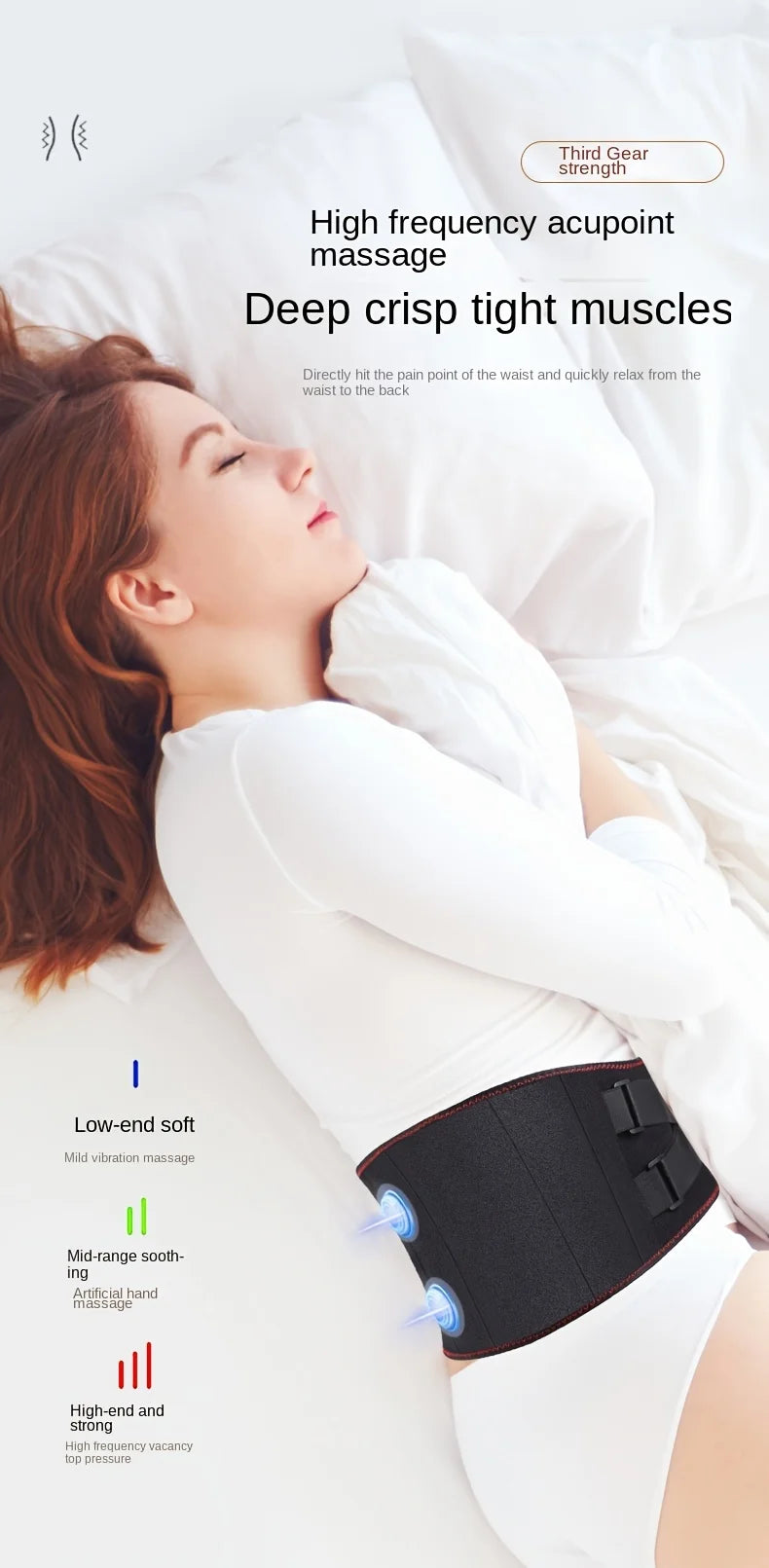
💡 Wearable devices combine heat therapy and massage to support muscle recovery.
Heat vs Massage: Which Helps More with Back Pain?
When Heat Therapy Works Best
Heat therapy is especially useful when back pain is caused by stiffness or muscle fatigue. Warmth encourages muscles to relax and improves circulation, which helps the body recover more naturally.
- Muscle stiffness from sitting
- Cold or tight muscles
- Mild chronic soreness
When Massage Works Better
Massage devices are often more effective when pain is caused by deeper muscle tension or trigger points. Mechanical stimulation helps release tight fibers and restore mobility.
- Muscle knots
- Deep tension
- Post-workout soreness
- Desk-related muscle fatigue
When You Should Use Heat and Massage Together
Combining heat with massage can enhance muscle recovery. Heat loosens tight areas first, allowing the massage function to work deeper into muscle tissue. For people dealing with back pain after working all day , a device that combines both features often delivers the most balanced relief.
Pros and Cons: Heating Pad vs Back Massager
Pros of a Heating Pad
- Simple and easy to use
- Comfortable for extended sessions
- Improves circulation
- Effective for muscle stiffness
Cons of a Heating Pad
- Does not actively massage muscles
- Limited effectiveness for deep knots
- Relief may be temporary
Pros of a Back Massager
- Targets deeper muscle tension
- Helps loosen tight muscle fibers
- Provides more active relief
- Often includes adjustable intensity settings
Cons of a Back Massager
- May feel strong for sensitive users
- Some devices are less portable
- Without heat, muscles may take longer to relax
Why a Back Massager Often Wins for All-Day Workers
People who spend long hours sitting at desks often develop tight muscles in the lower back and shoulders. In these cases, back massager benefits become more noticeable because massage actively releases tension instead of simply warming the muscles.
- Deep Tissue Relief: Massage nodes help release tight muscle fibers.
- Improved Circulation: Vibration increases blood flow to tired muscles.
- Better Posture Awareness: Regular use encourages relaxed and balanced sitting posture.
- Stress Reduction: Gentle massage helps reduce tension from long workdays.
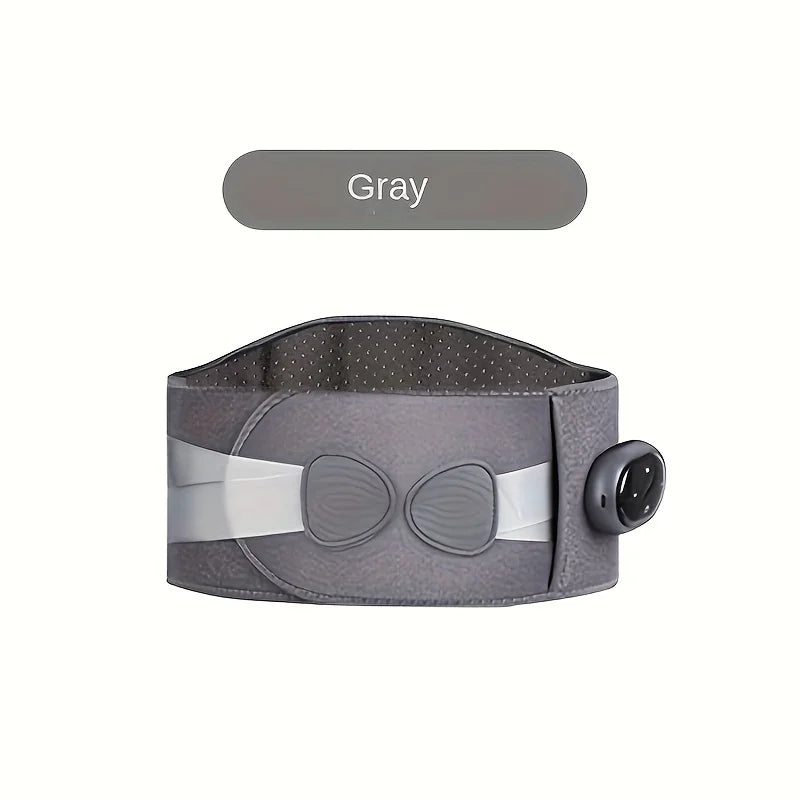
💡 Wearable massagers can help relieve back pain after long workdays.
Heating Belt vs Back Massager: Which One Should You Choose?
A heating belt wraps around the lower back and delivers steady heat therapy. A back massager focuses on stimulating muscles using vibration or massage nodes.
Your best option depends on your main goal:
- Choose a heating belt if: your pain comes mainly from stiffness.
- Choose a back massager if: you deal with tight muscles or knots.
- Choose a device with both features if: you want deeper relaxation and faster relief.
People who sit for long hours often prefer devices that combine both heat and massage because they address stiffness and muscle tension at the same time.
KentDO Heating & Massage Belt: Real-World Results
The KentDO Heating & Massage Belt combines vibration massage with built-in heat therapy in a wearable design. Instead of using separate devices, this type of massager allows users to apply both therapies simultaneously.
Because the belt wraps around the lower back or shoulders, it can be used while sitting, relaxing, or working at a desk.
What Users Are Saying
“The heat feels relaxing, but the vibration is what helps after sitting all day.” – Rachel L., Dallas
“I like that it’s wearable. I can use it while reading or working on my laptop.” – Chris M., Seattle
| Pros | Cons |
|---|---|
| ✔ Combines heat therapy and massage | ✖ Requires charging |
| ✔ Adjustable wearable design | ✖ May feel warm for heat-sensitive users |
| ✔ Compact and portable | ✖ Premium devices cost more than basic heating pads |
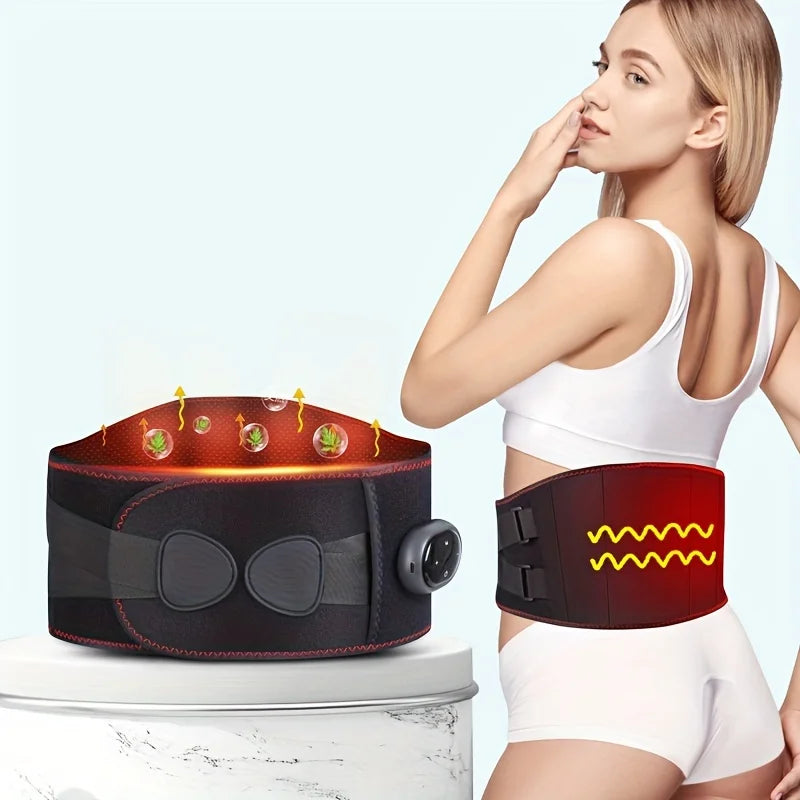
💡 Wearable massage belts combine warmth and muscle stimulation for recovery.
View the KentDO Heating & Massage Belt
How to Choose the Right Device for Your Back Pain
Choosing between a heating pad and a back massager depends on the type of discomfort you're experiencing.
- For muscle stiffness: heat therapy is often the most comfortable option.
- For muscle knots: vibration or node-based massagers may work better.
- For daily desk-related tension: a device that combines heat and massage can provide balanced relief.
- For relaxation: either option may work depending on personal preference.
If you regularly experience tension from work, travel, or exercise, a device that includes both massage and heat functions may offer the most versatile solution.
For more wellness tools, explore other Body Care and Health Devices that support relaxation and recovery.
FAQs
Is heat or massage better for back pain?
Heat therapy works well for relaxing stiff muscles, while massage is more effective for relieving deeper muscle knots. Many people benefit from combining both treatments.
Should you use heat with a massager?
Yes. Heat can loosen muscles before massage begins, which helps the massage penetrate deeper and feel more comfortable.
Are electric back massagers with heat safe?
Most electric back massagers with heat include built-in safety timers and temperature controls. Always follow the recommended usage time provided by the manufacturer.
How long should you use a heating pad or massager?
Most experts suggest using these devices for about 15–20 minutes per session to avoid overstimulation or skin irritation.
Can a back massager replace heat therapy?
A back massager can relieve muscle tension, but heat therapy may still help improve circulation and relaxation. Devices that combine both features often provide the most complete relief.
Pillar Article: Back Massage Equipment Review 2025: Tested Picks That Actually Relieve Pain
Other Related Articles:
Explore More:













