

What should you look for in a helmet for quad riding?
A helmet for quad riding should fit snugly, meet recognized safety standards such as DOT, ECE, or Snell, and provide full-face coverage for maximum impact protection. The best ATV riding helmets also offer effective ventilation, a wide field of vision, lightweight construction, and durable materials that reduce fatigue on rough terrain. Choosing an impact resistant helmet designed specifically for off-road riding improves safety, comfort, and confidence.
⏱ 5 min read
Helmet for Quad Riders: How to Choose the Safest and Most Comfortable Option
A helmet for quad riders is the single most important piece of protective equipment you can own. Whether you're riding forest trails, sand dunes, farms, or rocky backcountry routes, the right ATV helmet helps absorb impacts, shield your face from debris, reduce fatigue, and improve visibility throughout every ride. This guide compares helmet types, explains safety certifications, and helps you choose the best helmet for quad riding based on your riding style and budget.
Curious about smarter protection choices? Explore how the right helmet design fits your routine and confidence goals today.
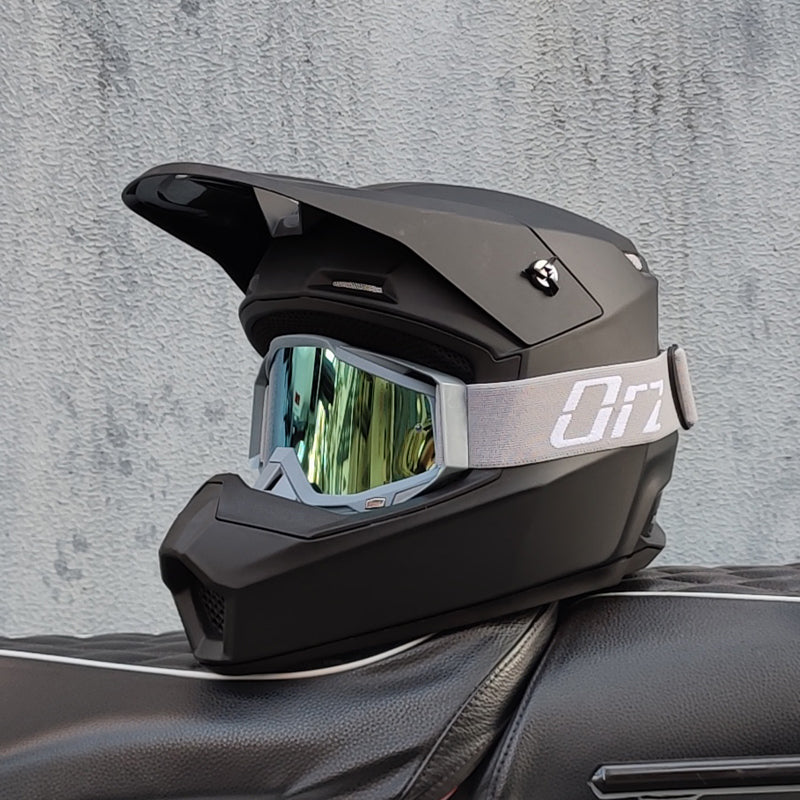
Full face ATV helmet protection meets impact resistant helmet comfort — See it in action
Best Helmet for Quad Riding (Top Picks by Use Case)
Best Full Face ATV Helmet for Safety
A quality full-face ATV helmet with DOT, ECE, or Snell certification offers the highest level of protection by covering the head, chin, and jaw. Riders tackling technical trails, higher speeds, or unpredictable terrain benefit most from this design.
Best Budget Quad Riding Helmet
Affordable helmets can still deliver excellent protection when they carry recognized safety certifications. Focus on certified construction, proper fit, and effective ventilation rather than cosmetic features.
Best Off-Road Motorcycle Helmet for Trail Riding
Off-road motorcycle helmets are excellent for trail riding because they typically feature extended chin bars, improved airflow, and compatibility with riding goggles. They are designed to handle dusty, uneven environments common in ATV riding.
Best Lightweight Helmet for Long Rides
Lightweight composite or polycarbonate shells reduce neck strain during extended rides. Riders covering long distances often appreciate the reduced fatigue without sacrificing impact protection.
Best Helmet for Beginners vs Experienced Riders
New riders should prioritize certified full-face protection and simple, comfortable designs. Experienced riders may prefer premium helmets with upgraded ventilation, quieter interiors, removable liners, and lighter shell materials for demanding terrain.
How to Choose the Best Helmet for Quad Riding
Riding Style and Terrain Considerations
Your riding environment influences the best helmet choice. Trail riders usually benefit from off-road helmets with superior airflow, while recreational riders may prioritize all-day comfort. Riders exposed to dust, mud, branches, and loose gravel generally receive better protection from full-face designs.
Never purchase a quad riding helmet based solely on appearance. Look for independently tested certifications that verify impact performance under recognized testing procedures.
Comfort vs Protection Trade-offs
A helmet should feel secure without creating painful pressure points. Extra ventilation, moisture-wicking liners, and lightweight materials improve comfort while maintaining protective performance.
Budget vs Premium Helmet Differences
Premium helmets often include lighter shell materials, improved ventilation systems, removable antimicrobial liners, quieter interiors, and enhanced visor technology. Budget helmets can still provide excellent protection when properly certified and correctly fitted.
ATV Helmet Safety Standards You Must Know (DOT, ECE, Snell)
DOT Certification Explained
DOT certification confirms that a helmet meets the minimum safety requirements required for road use in the United States. It evaluates impact absorption, penetration resistance, and retention system performance.
ECE vs DOT Differences
ECE certification follows internationally recognized testing procedures and includes multiple impact scenarios. Many riders appreciate ECE-certified helmets for their balance of protection, comfort, and global acceptance.
Snell Certification and When It Matters
Snell certification is a voluntary standard with more demanding impact testing. Riders participating in competitive or higher-performance riding often consider Snell-certified helmets for additional peace of mind.
Regardless of certification, always purchase a genuine helmet from a reputable manufacturer and replace it after a significant impact.
Types of Helmets for Quad Riding (Full Face vs Open vs Modular)
Full Face ATV Helmet
Full-face helmets provide the greatest overall protection by covering the entire head and face. They reduce exposure to dust, rocks, branches, insects, and harsh weather while protecting the chin during impacts.
Open Face Helmets
Open-face helmets offer greater airflow and visibility but leave the face exposed. They may suit slower recreational riding, although they provide less protection than full-face alternatives.
Modular Helmets
Modular helmets combine features of full-face and open-face designs through a flip-up chin section. They offer convenience during breaks but may weigh slightly more than traditional full-face helmets.
Off-Road Motorcycle Helmet vs Street Helmet
Off-road motorcycle helmets are optimized for trail riding with larger eye ports for goggles, improved ventilation, and extended chin bars. Street helmets prioritize aerodynamics and wind protection for highway speeds, making them less ideal for dusty off-road environments.
Why Full-Face Helmets Are the Best Choice for Most Riders
For most ATV riders, a full-face helmet delivers the best balance of safety and comfort.
- Protects the chin, jaw, and face during impacts.
- Blocks flying debris, mud, insects, and branches.
- Reduces wind noise and rider fatigue.
- Provides better weather protection.
- Improves concentration on long rides.
Because facial injuries are common in off-road accidents, full-face helmets remain the preferred choice for both new and experienced riders.
How to Choose the Right Helmet Size and Fit (Step-by-Step Guide)
How to Measure Head Size
- Wrap a flexible measuring tape around the widest part of your head.
- Measure just above your eyebrows and ears.
- Compare the measurement with the manufacturer's sizing chart.
Fit Checklist for New Helmets
- The helmet feels snug without causing pain.
- The cheek pads make gentle contact with your face.
- The helmet does not rotate easily when fastened.
- Your vision remains unobstructed.
- The chin strap stays secure.
Common Fit Issues and Fixes
If the helmet shifts while shaking your head, choose a smaller size or different shell shape. If pressure points develop after several minutes, try another model with a different internal profile rather than sizing up unnecessarily.
Key Features That Improve Comfort and Performance
Ventilation Systems
Multiple intake and exhaust vents improve airflow, helping reduce heat buildup and visor fogging during warm-weather rides.
Visor and Eye Protection
Look for UV-resistant, scratch-resistant, and anti-fog visors. Riders using off-road helmets often pair them with goggles for enhanced protection in dusty environments.
Weight and Materials
Polycarbonate helmets provide excellent value, while fiberglass and carbon fiber models reduce weight for improved comfort during longer rides.
Noise Reduction and Padding
Well-designed interior padding minimizes vibration, improves stability, and helps reduce wind noise. Removable, washable liners also make routine maintenance much easier.
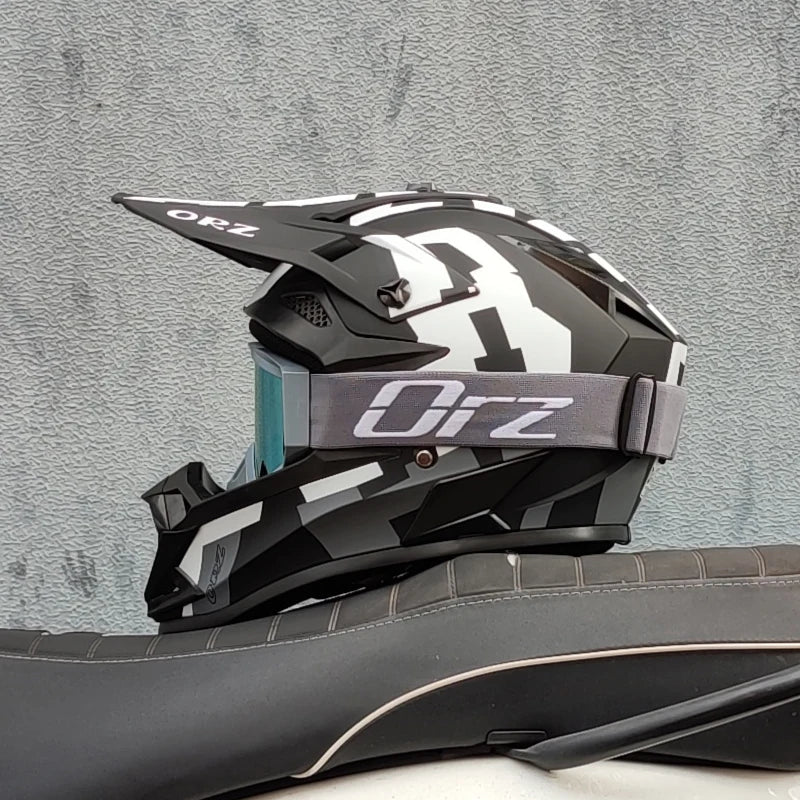
Off-road motorcycle helmet engineering enhances ATV helmet safety — See it in action
Helmet Comparison Table (Top Picks Side-by-Side)
| Helmet Type | Best For | Protection | Weight | Recommended Certifications |
|---|---|---|---|---|
| Full-Face ATV Helmet | Most riders | Excellent | Medium | DOT, ECE, Snell |
| Off-Road Motorcycle Helmet | Trail riding | Excellent | Light to Medium | DOT, ECE |
| Modular Helmet | Mixed-use riding | Very Good | Medium to Heavy | DOT, ECE |
| Open-Face Helmet | Casual low-speed riding | Moderate | Light | DOT, ECE |
Common Mistakes to Avoid When Buying a Quad Helmet
- Choosing appearance over verified safety certification.
- Buying without measuring your head.
- Ignoring ventilation and interior comfort.
- Using a street helmet for demanding off-road conditions without considering design differences.
- Continuing to wear a helmet after a major impact.
- Keeping a helmet well beyond its recommended service life.
How Often Should You Replace an ATV Helmet?
Most manufacturers recommend replacing helmets every 3–5 years under normal use.
- Replace immediately after any significant crash or impact.
- Inspect regularly for cracks, loose components, and deteriorating padding.
- Replace helmets showing excessive wear or outdated safety features.
Even if external damage is not visible, internal impact-absorbing materials can degrade over time.
How to Choose the Right Helmet (Quick Buying Checklist)
- Choose a helmet with DOT, ECE, or Snell certification.
- Select a full-face design whenever possible.
- Confirm a snug, secure fit without painful pressure.
- Prioritize effective ventilation and wide visibility.
- Consider lightweight materials for longer rides.
- Match the helmet to your riding terrain and experience level.
If your helmet checks each of these boxes, you're making a smart long-term investment in comfort and safety.
Review specifications or availability here: Check helmet availability now.
Secure your protection today — availability changes quickly!
FAQ: Quad Riding Helmet Questions Answered
What is the safest helmet for quad riding?
A certified full-face ATV helmet is generally considered the safest option because it provides complete head, jaw, and facial protection while meeting recognized impact standards.
Is a motorcycle helmet suitable for ATV use?
Yes, provided it is designed for off-road riding or meets appropriate safety standards. Off-road motorcycle helmets are often an excellent choice for trail riding due to their ventilation and goggle compatibility.
What certifications should a quad helmet have?
Look for DOT, ECE, or Snell certification. These standards indicate that the helmet has passed recognized impact and retention testing.
Are expensive ATV helmets worth it?
Higher-priced helmets often offer lighter materials, better ventilation, improved comfort, quieter interiors, and premium liners. However, a properly fitted certified helmet provides essential protection regardless of price.
Can I use an open face helmet for off-road riding?
You can, but full-face helmets are generally recommended because they provide substantially better protection against impacts, debris, dust, and changing weather conditions.
How tight should a helmet for quad riding feel?
It should feel evenly snug without causing pain. The helmet should remain stable when you move your head and should not shift excessively.
Do ventilation channels really matter?
Yes. Effective ventilation helps regulate temperature, reduces visor fogging, and improves overall comfort during long rides.
How often should helmets be replaced?
Replace your helmet every 3–5 years, or immediately after any significant impact, even if visible damage is minimal.
Are full-face helmets suitable for beginners?
Absolutely. Full-face helmets provide the highest level of protection and are the preferred choice for riders of all experience levels.













