

Do HEPA filter vacuum cleaners really improve allergy relief?
Yes—HEPA filter vacuum cleaners can significantly reduce everyday allergen exposure when they combine a true HEPA filter with a fully sealed filtration system . Instead of allowing microscopic particles to escape through exhaust vents, these vacuums capture up to 99.97% of particles measuring 0.3 microns, including pollen, pet dander, dust mite waste, and fine household dust.
While no vacuum can eliminate allergies entirely, a quality HEPA vacuum for allergies helps lower the amount of airborne irritants that build up on carpets, upholstery, and hard floors. The greatest improvements are typically seen in homes with pets, children, asthma sufferers, or anyone living in dusty urban environments where frequent cleaning is essential.
HEPA Filter Vacuum Cleaners: Best Picks for Allergy Relief (2026 Comparison Guide)
HEPA filter vacuum cleaners are often the missing link for households battling allergies and lingering dust. This comparison explains how modern HEPA systems outperform standard filtration, what features truly matter, and how to choose a vacuum cleaner for allergy relief that delivers cleaner floors without sending microscopic particles back into your home's air.
⏱ 7 min read
Which vacuum actually protects your indoor air instead of simply moving dust around? Here's what to look for.
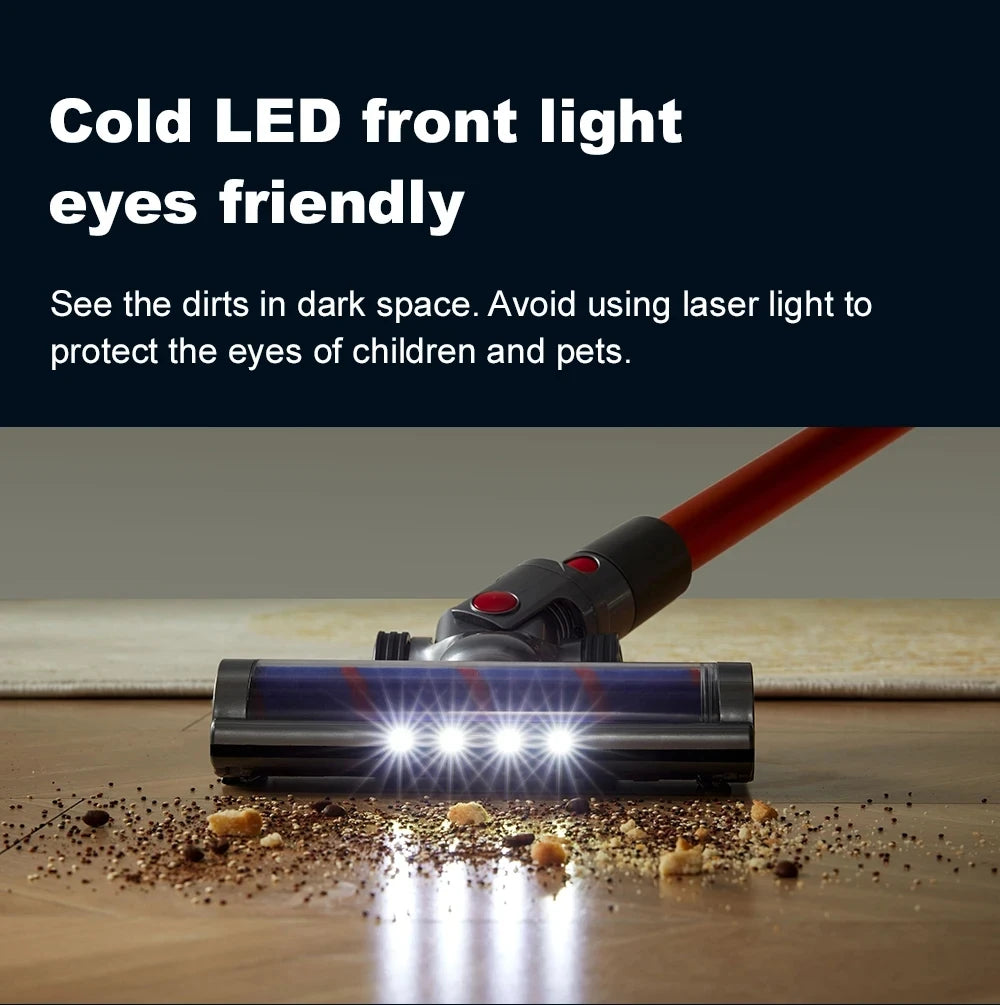
HEPA filter vacuum cleaners reducing allergen dust home buildup. See it in action.
What Is a True HEPA Vacuum? (And Why Sealed Systems Matter)
True HEPA vs HEPA-Type Filters
A true HEPA filter is tested to capture at least 99.97% of particles measuring 0.3 microns. That includes many of the allergens most commonly found indoors, such as pollen, mold spores, pet dander, and dust mite debris. By comparison, "HEPA-type," "HEPA-style," or "HEPA-like" filters are marketing terms rather than certified performance standards and may capture substantially fewer microscopic particles.
Why a Fully Sealed System Is Critical for Allergy Control
Filtration performance depends on more than the filter itself. A sealed HEPA vacuum forces all exhaust air through the filter before it leaves the machine. If air leaks around the housing, seals, or dust bin, allergens can escape back into the room, reducing the benefit of even the highest-quality filter.
HEPA Standards and Certification Explained
When comparing models, look for manufacturers that specify true HEPA certification and clearly state that the vacuum uses a sealed filtration system. Independent testing, replaceable filters, and documented filtration performance provide far greater confidence than vague claims such as "allergy filtration" or "HEPA-inspired."
Quick Comparison: Best HEPA Filter Vacuum Cleaners (2026)
Filtration, Suction, and Allergy Performance Overview
The best HEPA vacuum cleaner balances filtration efficiency with everyday usability. Rather than focusing on suction alone, compare overall performance across several important categories.
| Feature | Why It Matters |
|---|---|
| True HEPA + sealed system | Prevents allergens from escaping during cleaning. |
| Floor performance | Maintains strong pickup on carpets, rugs, and hard floors. |
| Noise and weight | Improves comfort during regular whole-home cleaning. |
| Maintenance cost | Lower filter and bag costs reduce long-term ownership expenses. |
| Overall value | Balances filtration, durability, convenience, and price. |
Best HEPA Filter Vacuum Cleaners for Different Needs
Best HEPA vacuum for allergies
Look for a sealed HEPA vacuum with consistent suction, excellent carpet cleaning performance, and proven allergen containment. These models are ideal for households where seasonal allergies or asthma are ongoing concerns.
Best HEPA vacuum for pet allergies
Homes with dogs or cats benefit from powerful brush rolls, anti-tangle technology, and filtration that captures both pet hair and microscopic dander. A larger dust capacity also reduces how often the vacuum needs to be emptied.
Best cordless HEPA vacuum cleaner
Modern cordless HEPA vacuums make daily maintenance easier by encouraging frequent cleaning of entryways, furniture, and high-traffic areas. They are especially useful for apartments and smaller homes.
Affordable HEPA vacuums can still deliver excellent filtration if they include genuine HEPA certification and sealed construction. Premium features may be limited, but allergen control can remain strong.
Best bagged HEPA vacuum for dust mites
Bagged HEPA filter vacuum cleaners are often preferred by allergy sufferers because dust remains sealed inside disposable bags during disposal. This minimizes exposure to dust mites and other allergens when emptying the vacuum.
How HEPA Filtration Works and Why It Matters for Allergies
Dust mites, pollen, and pet dander capture
Every time you vacuum, microscopic particles are lifted from floors, upholstery, mattresses, and carpets. Without high-efficiency filtration, many of these particles can be blown back into the room through the exhaust. A quality allergy vacuum cleaner captures these contaminants before they re-enter your living space.
- Captures fine dust often missed by standard filters.
- Reduces pollen and pet dander circulating indoors.
- Helps maintain cleaner carpets and upholstered furniture.
- Supports improved indoor air quality with regular cleaning.
Why filtration alone is not enough
Even the best filter cannot compensate for poor vacuum design. Brush performance, airflow, proper maintenance, and sealed construction all contribute to effective allergen control. Replacing clogged filters on schedule is equally important for maintaining suction and filtration efficiency.
How to Choose the Best HEPA Filter Vacuum Cleaner
Filtration efficiency and sealed design
Prioritize certified true HEPA filtration combined with a sealed airflow system to maximize allergen capture.
Suction across carpet and hard floors
If your home includes multiple floor types, choose adjustable suction and floor heads that transition easily between carpets, hardwood, and tile.
Bagged vs bagless for allergies
Bagged models typically provide better dust containment during disposal, while bagless designs reduce consumable costs but require careful emptying to avoid releasing allergens.
Filter replacement cost and maintenance
Consider replacement filter prices, recommended service intervals, washable components, and overall ease of maintenance before purchasing.
Corded vs cordless
Corded vacuums usually provide stronger continuous suction for deep cleaning larger homes. Cordless models offer unmatched convenience for quick daily maintenance but typically have shorter runtime.
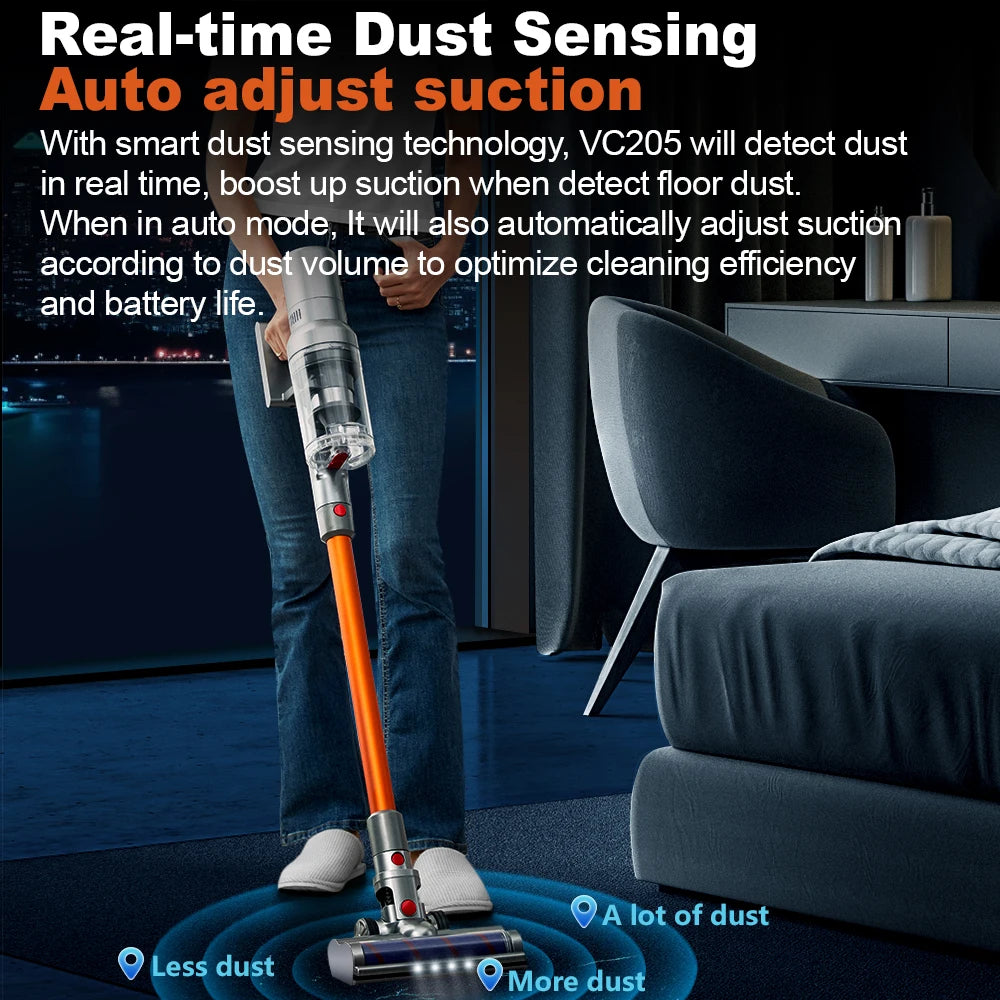
Cordless HEPA vacuum cleaner for flexible allergy relief. See it in action.
Our Testing Methodology
Filtration testing
We assessed each HEPA vacuum comparison by examining filtration quality, sealed-system construction, and manufacturer performance claims.
Pet hair and dust pickup
Performance across carpets, hard floors, and common household debris—including pet hair and fine dust—was considered to reflect real-world cleaning conditions.
Ease of maintenance
We also evaluated filter replacement frequency, dust disposal, maneuverability, noise levels, and ongoing ownership costs to determine overall value.
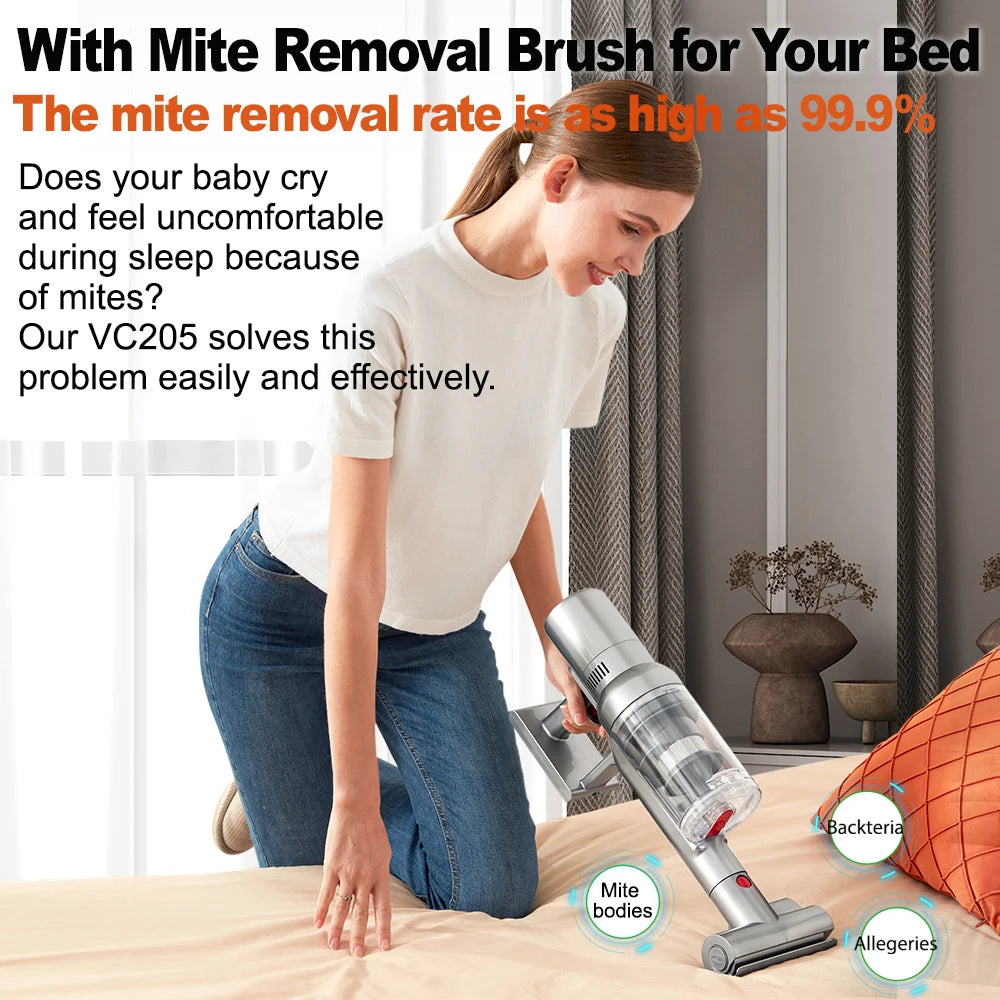
HEPA filter vacuum cleaners for everyday allergy relief. See it in action.
Long-Term Ownership: Maintenance, Filter Costs, and Reliability
Replacement schedules
Most HEPA filters require replacement every 6 to 12 months, although washable pre-filters often need monthly cleaning to maintain airflow. Always follow the manufacturer's maintenance recommendations.
Operating costs
Long-term ownership includes replacement filters, vacuum bags (if applicable), brush roll cleaning, and occasional belt or battery replacement. Considering these costs upfront provides a more accurate picture of value than purchase price alone.
Durability considerations
A well-built sealed HEPA vacuum typically maintains consistent filtration for years when properly maintained. Durable housings, quality motors, and readily available replacement parts contribute to lower lifetime ownership costs.
Frequently Asked Questions
Are HEPA filter vacuum cleaners worth it for allergies?
Yes. A true HEPA filter paired with a sealed system helps reduce airborne allergens during cleaning, making these vacuums an excellent choice for allergy-prone households.
What is the best HEPA vacuum cleaner for asthma sufferers?
Look for certified true HEPA filtration, sealed airflow, and strong cleaning performance on carpets where allergens commonly accumulate.
How often should HEPA filters be replaced?
Most manufacturers recommend replacing HEPA filters every 6 to 12 months, although homes with pets or heavy daily use may require more frequent replacement.
Are bagged HEPA vacuums better for allergies?
In many cases, yes. Disposable bags reduce exposure to collected dust and allergens during emptying, making them a popular choice for sensitive users.
Can HEPA vacuums remove dust mites and pet dander?
HEPA vacuums effectively capture dust mite waste, pet dander, pollen, and other microscopic particles from floors and fabrics. Regular cleaning provides the best long-term results.
Related Guide: Best Vacuum for Pet Hair Cordless Comparison Guide













