

Do high winter utility bills really have a proven solution?
Yes. In many homes, the biggest cause of high winter utility bills is uncontrolled heat loss rather than an inefficient heating system alone. Warm air continually escapes through gaps around doors, windows, and other openings, forcing your furnace or heat pump to run longer. Sealing these leaks with insulated door solutions, weatherstripping, and other draft-blocking measures can reduce heat loss by up to 30%, helping many households lower heating bills in winter while maintaining a comfortable indoor temperature.
How to Lower Heating Bill in Winter: Proven Ways to Cut Costs Fast
⏱ 5 min read — Learning how to lower your heating bill in winter starts with understanding where your money is going. Rising energy prices, colder outdoor temperatures, and hidden drafts can quickly increase monthly utility costs. While many homeowners immediately adjust the thermostat, reducing heat loss is often the fastest and most cost-effective way to improve comfort and cut heating expenses without sacrificing warmth.
Does one room always feel colder than the rest of your home? That uncomfortable draft often reveals exactly where heat is escaping. Identifying those problem areas is the first step toward lowering winter energy bills.
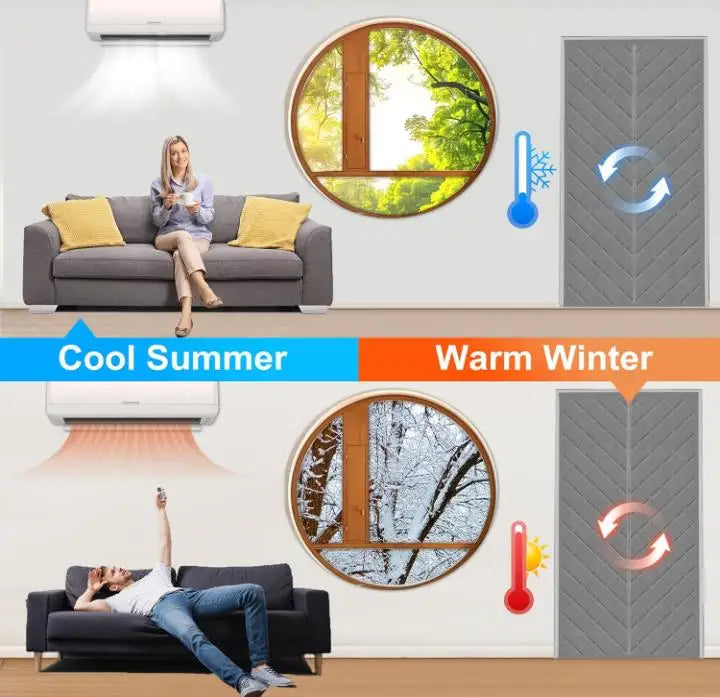
Stopping drafts at the door is one of the fastest ways to lower heating bills in winter while improving everyday comfort.
Why Is My Heating Bill So High in Winter?
If you've ever wondered, "Why is my heating bill so high in winter?", you're not alone. Colder weather naturally increases heating demand, but seasonal temperatures are only part of the story. In many homes, unnecessary heat loss and inefficient heating habits contribute just as much to rising utility costs as the weather outside.
How cold weather increases energy use
As outdoor temperatures fall, your heating system must work harder to maintain a comfortable indoor environment. The greater the temperature difference between inside and outside, the faster heat escapes through walls, windows, ceilings, and air leaks. This increased demand means longer heating cycles and higher energy consumption throughout winter.
Common sources of heat loss at home
Even newer homes can lose significant amounts of heated air through small openings that often go unnoticed. Some of the most common areas include:
- Gaps around exterior doors and door frames
- Poorly sealed or aging windows
- Attics with insufficient insulation
- Wall cavities with outdated insulation materials
- Basements, crawl spaces, and uninsulated floors
- Air leaks around vents, plumbing penetrations, and electrical outlets
Because warm air naturally rises and moves toward colder spaces, these small leaks continuously allow conditioned air to escape while cold outdoor air enters the home.
Factors that raise winter utility bills
Some winter heating costs are unavoidable, while others can be reduced with simple improvements.
- Unavoidable factors: Severe weather, longer heating seasons, and rising energy prices.
- Controllable factors: Air leaks, poor insulation, heating unused rooms, outdated thermostat schedules, and neglected HVAC maintenance.
Understanding the difference helps set realistic expectations. While no solution eliminates heating costs completely, addressing controllable sources of heat loss is one of the most effective ways to reduce heating bills in winter without sacrificing comfort.
How to Lower Heating Bill in Winter: Tiered Action Plan (Fastest ROI First)
The best strategy is to prioritize improvements by cost, effort, and potential savings. Start with free behavioral changes, move to affordable draft-reduction upgrades, and then invest in larger home efficiency improvements as your budget allows.
No-cost fixes you can do today
- Lower your thermostat by 1–2°C while remaining comfortable.
- Close doors to rooms that are rarely used.
- Open curtains on sunny windows during the day and close them after sunset.
- Dress in warm layers instead of continually increasing thermostat settings.
- Keep furniture from blocking heating vents to improve airflow.
Low-cost upgrades with big impact
- Install weatherstripping around drafty doors and windows.
- Use draft blockers or insulated door barriers at frequently used entrances.
- Hang insulated curtains to reduce heat loss through glass.
- Add rugs over cold flooring to improve comfort and reduce perceived heat loss.
- Seal visible gaps around window frames and utility penetrations.
Long-term improvements for maximum savings
- Upgrade attic insulation, which often provides one of the highest returns on investment.
- Improve wall insulation where practical.
- Replace inefficient single-pane windows with energy-efficient glazing.
- Install a programmable or smart thermostat to optimize heating schedules.
- Upgrade aging furnaces or heating systems when replacement becomes cost-effective.
Following this tiered action plan allows homeowners to see immediate improvements while building toward greater long-term energy efficiency, lower winter utility bills, and a warmer, more comfortable home.
How Heat Loss Actually Works (And Why Insulation Matters)
Understanding how heat escapes from your home helps you prioritize improvements that deliver the greatest reduction in winter heating costs. Heat always moves from warmer areas to colder ones, so during winter your heated indoor air naturally transfers outdoors unless your home's building envelope slows the process.
Windows and doors
Doors and windows are among the largest contributors to residential heat loss. Small gaps around frames allow cold outdoor air to enter while letting conditioned air escape. Older single-pane windows and poorly sealed exterior doors are particularly common sources of drafts that increase heating demand.
Attics, walls, and insulation
Because warm air rises, the attic is often the biggest source of heat loss in a house. Insufficient attic insulation allows warmth to escape through the roof, while poorly insulated walls continuously transfer heat outdoors. Improving insulation in these areas reduces energy waste and helps maintain more consistent indoor temperatures.
Ductwork and air leaks
If your home uses forced-air heating, damaged or unsealed ductwork can lose heated air before it even reaches living spaces. Additional air leaks around plumbing penetrations, electrical outlets, recessed lighting, and vents further reduce heating efficiency.
- Conduction: Heat moving through solid materials such as walls, floors, ceilings, and windows.
- Convection: Warm indoor air escaping through cracks, gaps, and poorly sealed openings.
- Radiation: Heat transferring through glass and other exposed building surfaces.
Improving insulation and sealing air leaks work together to slow all three forms of heat loss. The result is a home that stays warmer for longer while requiring fewer heating cycles, making insulation one of the highest-return energy-saving investments.
How to Reduce Heat Loss and Keep House Warm in Winter
Reducing heat loss is often more affordable than increasing heating output. Even small improvements can noticeably improve comfort while lowering monthly energy bills.
Most common winter heat-loss points
- Exterior doors and frequently used entryways
- Windows, window frames, and sliding doors
- Attics, roof spaces, and ceiling penetrations
- Basements, crawl spaces, and uninsulated floors
- Air vents, pipe penetrations, and electrical openings
Room-by-room heat-saving checklist
- Living room: Close curtains after sunset, seal window drafts, and avoid blocking heating vents with furniture.
- Bedroom: Add rugs to insulated floors, use draft blockers beneath doors, and close curtains overnight.
- Kitchen: Use extractor fans only when needed and close them promptly to minimize warm air loss.
- Entryways: Install thermal barriers or insulated doorway solutions to reduce repeated cold air infiltration.
Targeting these high-impact areas provides one of the quickest ways to reduce heat loss at home while keeping living spaces warmer throughout the winter.
Cheapest Way to Heat a House in Winter (Cost vs Efficiency)
The cheapest way to heat a house in winter depends on both the efficiency of your heating equipment and how effectively your home retains warmth. Running an inefficient heater in a drafty home typically costs more than combining moderate heating with good insulation and air sealing.
Central heating vs space heating
Whole-home central heating provides consistent temperatures and is generally the best choice for occupied homes when properly maintained. Portable electric space heaters can be economical for heating a single occupied room but become expensive if used throughout multiple rooms for extended periods.
- Portable electric heaters: Low purchase price, higher electricity costs when used continuously.
- Central heating: Better comfort for the entire home when the system is efficient and well maintained.
- Heat pumps: High efficiency with lower operating costs in many climates, despite higher installation expenses.
- Insulation upgrades: Continue saving energy year after year regardless of the heating system you use.
When heated blankets help
Electric heated blankets generally use significantly less electricity than heating an entire house. They can be a cost-effective option during sleeping hours or while relaxing in one location, provided they are used according to the manufacturer's safety instructions and are in good condition.
Heating occupied rooms only
Zoning your heating is one of the simplest ways to cut electricity bills during winter. Keep commonly used living areas comfortable while reducing heating in unused guest rooms, storage areas, or finished basements that are rarely occupied. Closing interior doors can also help retain warmth where it is needed most.
For most households, the best long-term strategy combines efficient heating equipment with improved insulation, effective draft sealing, and smart heating habits. This balanced approach delivers better comfort, lower energy consumption, and a faster return on investment than simply increasing thermostat settings.
Why an Insulated Door Curtain Stands Out for High Winter Utility Bills
Many energy-saving upgrades require significant renovations, but one of the easiest ways to reduce heat loss is by improving the seal around frequently used doorways. Every time an exterior door opens, warm indoor air escapes and cold air enters. An insulated magnetic door curtain creates an additional thermal barrier that helps minimize this exchange while maintaining convenient daily access.
Winter Magnetic Insulated Door Curtain is designed to target one of the home's most common draft locations without permanent modifications. Its self-closing magnetic design helps reduce unwanted airflow while remaining suitable for everyday household use.

A sealed doorway helps reduce heat loss, improve indoor comfort, and support lower winter heating costs.
What makes this solution different?
- Multi-layer insulated construction helps slow heat transfer.
- Magnetic panels automatically close after people or pets pass through.
- Tool-free installation with no drilling required for most doorways.
- Suitable for many interior transition areas as well as exterior entry doors.
- Can help reduce drafts without restricting everyday access.
Estimated savings and ROI breakdown
- May reduce draft-related heat loss by approximately 20–30% in draft-prone doorways when properly installed.
- Helps reduce the workload on heating equipment by limiting repeated warm-air loss.
- Lower upfront investment than many permanent insulation upgrades.
- Often delivers the greatest value on frequently used exterior doors where drafts are most noticeable.
Real Results: What Homeowners Say After Installation
Results naturally vary depending on climate, insulation quality, and heating habits, but homeowners commonly report improved comfort after reducing drafts around entryways.
Case Study: Midwest family home
One household installed an insulated magnetic curtain over a frequently used back entrance and reported approximately an 18% reduction in heating energy use during the first month while maintaining similar thermostat settings. They also noticed fewer cold drafts near the doorway and more consistent room temperatures.
User feedback highlights
- Rooms feel warmer with fewer noticeable cold drafts.
- Heating systems cycle less frequently during cold weather.
- Lower winter heating bills over the course of the season.
- Quick installation without disrupting normal household routines.
How Does It Compare to Other Winter Heating Solutions?
Cost comparison (heater vs insulation vs sealing)
| Solution | Upfront Cost | Running Cost | Typical Savings Potential | Best Use |
|---|---|---|---|---|
| Portable electric heaters | Low | High | Low to moderate | Heating a single occupied room |
| Central heating | High | Moderate | Depends on system efficiency | Whole-home comfort |
| Attic and wall insulation | High | Very low | High long-term savings | Permanent energy efficiency improvements |
| Draft sealing solutions | Low | None | Immediate reduction in heat loss | Doors, windows, and draft-prone entryways |
Rather than relying on a single solution, most homeowners achieve the best balance of comfort and cost by combining efficient heating equipment with draft sealing and insulation improvements. Reducing heat loss first allows existing heating systems to operate more efficiently while improving indoor comfort throughout the winter.
Installation, Daily Use, and Long-Term Value
Most insulated magnetic door curtains can be installed in less than 10 minutes using the supplied adhesive fastening system. Once positioned correctly, the magnetic panels automatically close after each use, helping maintain a consistent thermal barrier throughout the day without affecting normal household traffic.
Daily benefits homeowners notice
- Living spaces stay warmer for longer between heating cycles.
- Reduced cold drafts near frequently used exterior doors.
- Heating equipment runs less often in draft-prone areas.
- Improved indoor comfort without continually adjusting the thermostat.
- Potential reduction in winter energy consumption over the heating season.
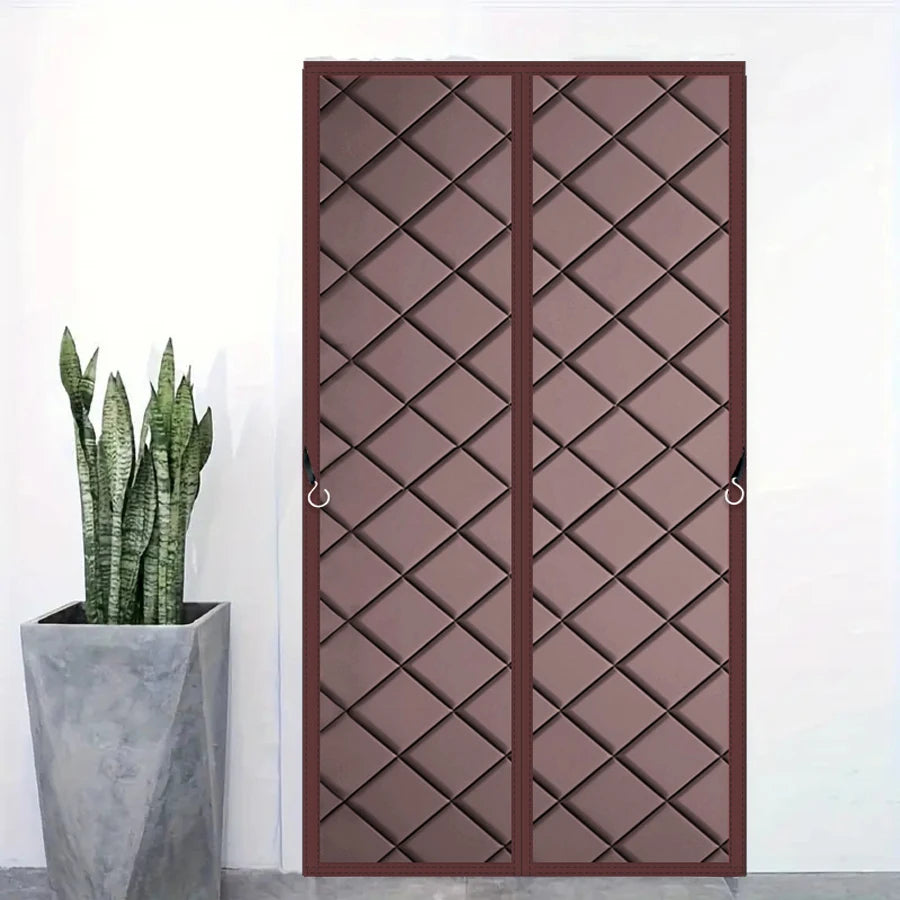
Small improvements to doorway insulation can make a noticeable difference in winter comfort and energy efficiency.
See how it helps reduce high winter utility bills
Room-by-Room Energy Saving Checklist
Following a room-by-room plan helps identify wasted energy and prioritize improvements that lower utility bills during winter.
Living room
- Open curtains during sunny hours and close them before sunset.
- Keep furniture away from heating vents.
- Seal visible drafts around windows and exterior doors.
- Use area rugs on uninsulated floors.
Bedroom
- Lower the thermostat slightly overnight if comfortable.
- Use draft blockers beneath bedroom doors.
- Close curtains to reduce overnight heat loss.
- Add extra bedding before increasing thermostat settings.
Kitchen
- Run exhaust fans only as long as necessary.
- Keep exterior doors closed whenever possible.
- Check for air leaks around utility penetrations.
- Take advantage of cooking heat after meals.
Bathroom
- Limit unnecessary ventilation after humidity has cleared.
- Seal gaps around plumbing where practical.
- Use bath mats to improve comfort on cold floors.
- Keep doors closed when the room is not in use.
Small improvements in multiple rooms often deliver greater overall savings than relying on a single large upgrade.
Frequently Asked Questions
How can I lower my heating bill in winter quickly?
The fastest improvements usually come from sealing drafts, lowering the thermostat by a small amount, closing off unused rooms, and reducing unnecessary heat loss through doors and windows.
Why is my heating bill so high even when I keep the thermostat low?
A low thermostat cannot fully compensate for significant heat loss. Poor insulation, air leaks, inefficient windows, or an aging heating system can all cause higher-than-expected energy bills.
What thermostat setting is recommended for saving energy?
Many households balance comfort and efficiency by keeping indoor temperatures around 20°C (68°F) while occupied and lowering the setting several degrees when sleeping or away from home, provided it is safe for the home and occupants.
What is the cheapest way to heat a house in winter?
Improving insulation and reducing drafts generally provide the greatest long-term savings. Heating only occupied rooms and using efficient heating schedules can further reduce winter energy costs.
How do I keep my house warm and save energy?
Combine good insulation, effective draft sealing, appropriate thermostat settings, regular heating system maintenance, and sensible heating habits to improve comfort while reducing energy consumption.
Which insulation upgrade provides the biggest savings?
For many homes, upgrading attic insulation delivers one of the highest returns on investment because warm air naturally rises and significant heat loss often occurs through the roof.
Related lifestyle comfort solutions: Explore everyday home upgrades in the Lifestyle collection.













