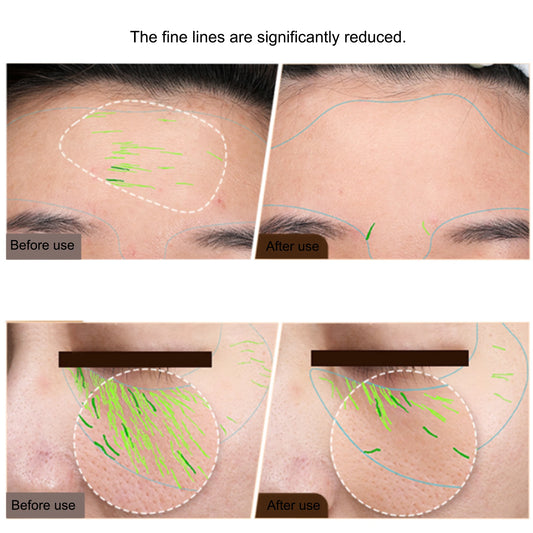
Do Electric Foot Files Really Work?
Yes. A home pedicure electric tool works by using a rotating abrasive roller to gradually remove hardened skin from the surface of the feet. Unlike manual files that rely entirely on pressure and repetitive motion, an electric foot file provides consistent exfoliation, making it easier to smooth calluses and rough heels at home.
Most users notice softer skin after one or two sessions when the device is used correctly. However, electric foot files are designed for maintenance and cosmetic callus removal—not for treating infections, deep cracks, or medical foot conditions. For healthy adults with dry feet or moderate calluses, they can be a practical alternative between salon pedicures.
Home Pedicure Electric Tool Review: Are They Worth It?
We evaluated popular electric foot files based on exfoliation performance, ease of use, comfort, battery life, durability, and long-term value to determine whether they can deliver salon-inspired results at home.
Whether you're dealing with rough heels, recurring calluses, or simply want an easier self-care routine, choosing the right home pedicure electric tool can save both time and money. This guide explains how electric foot files work, which features matter most, and how to choose the right model for your needs.
⏱ 7 min read
Find the electric foot file that best fits your lifestyle, skin type, and foot care goals.
Salon-smooth feet start at home — See it in action
What to Look for in an Electric Foot File: Quick Buying Checklist
Not every electric foot file performs the same. Before buying, compare the features that have the biggest impact on comfort, effectiveness, and long-term value.
- Choose coarse and fine replacement rollers for different skin types.
- Look for multiple speed settings if you have both sensitive and heavily callused areas.
- A rechargeable battery is generally more convenient than disposable batteries.
- An ergonomic, non-slip handle improves control during longer sessions.
- Check whether replacement roller heads are easy to purchase.
- Water-resistant designs simplify cleaning after use.
Common buying mistakes include selecting the cheapest model without replacement parts, using coarse rollers on sensitive skin, or assuming higher motor speed always produces better results.
How Electric Foot Files Work
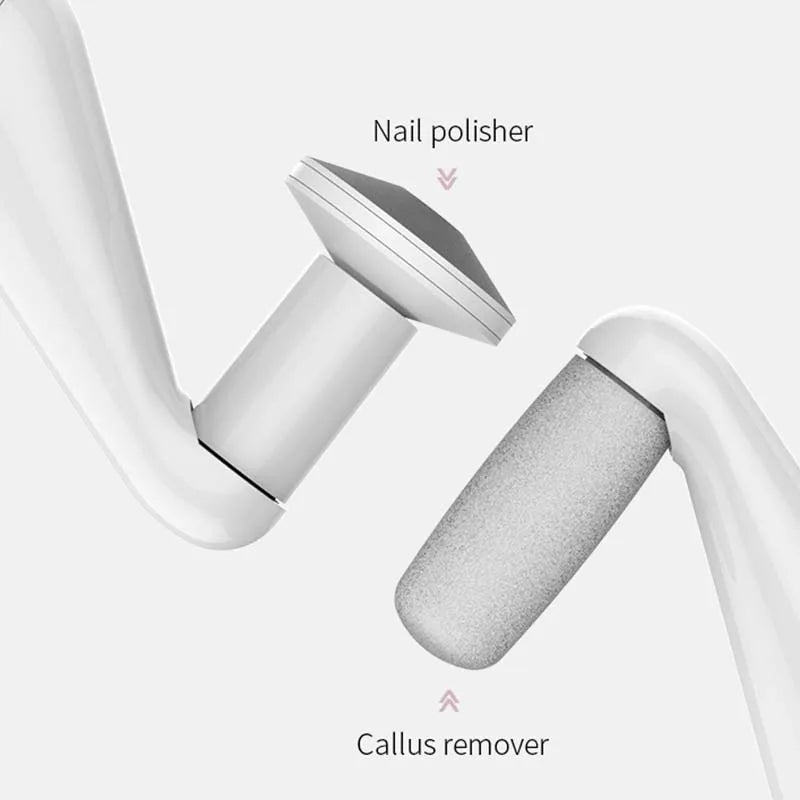
An electric callus remover uses a rotating abrasive roller that gently removes layers of dead skin without requiring aggressive scrubbing. Performance depends on both the motor and the roller material.
Roller Heads and Abrasive Materials
Most models include coarse, medium, and fine rollers. Coarse rollers remove thick calluses, while medium and fine rollers smooth the skin for a polished finish.
Motor Power and Speed Settings
A stronger motor helps maintain consistent rotation under light pressure. Variable speed settings allow better control for delicate areas or stubborn calluses.
Coarse vs Fine Rollers
Use coarse rollers only on thick, hardened skin. Fine rollers are better for routine maintenance and finishing touches after the initial exfoliation.
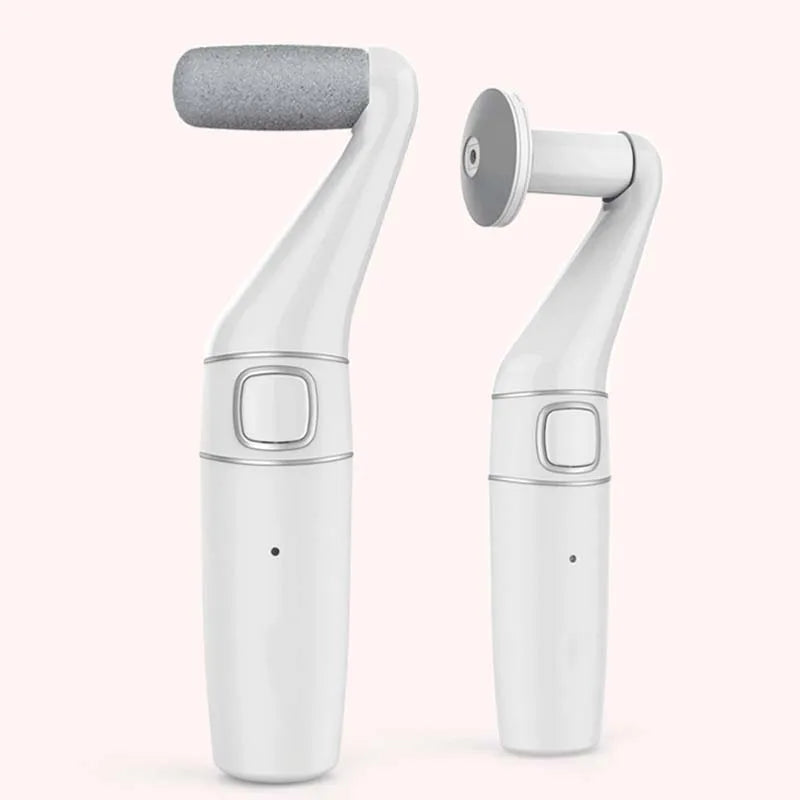
Upgrade your at home pedicure routine — See it in action
Key Features to Look for Before Buying
Motor Power
A consistent motor prevents the roller from slowing when it contacts thicker skin, producing more even exfoliation.
Speed Settings
Multiple speeds let beginners start gently while experienced users can tackle tougher calluses more efficiently.
Ergonomics
A lightweight handle with a comfortable grip reduces hand fatigue and improves precision around the heel and sides of the foot.
Battery Life
Rechargeable lithium batteries generally provide longer run time and lower operating costs than disposable batteries.
Replacement Rollers
Readily available replacement rollers increase the lifespan of the device and maintain effective exfoliation.
Electric Foot File Comparisons
Electric Foot File vs Manual Pumice
| Method | Time | Effort | Best For |
|---|---|---|---|
| Manual pumice stone | 10–20 min | High | Light maintenance |
| Electric foot file | 5–10 min | Low | Regular callus removal |
| Professional salon pedicure | 45–60 min | Very low | Occasional deep treatment |
Rechargeable vs Corded
Rechargeable models offer greater portability and are the preferred choice for most home users. Corded models provide unlimited runtime but are less convenient and increasingly uncommon.
Waterproof vs Dry-Use
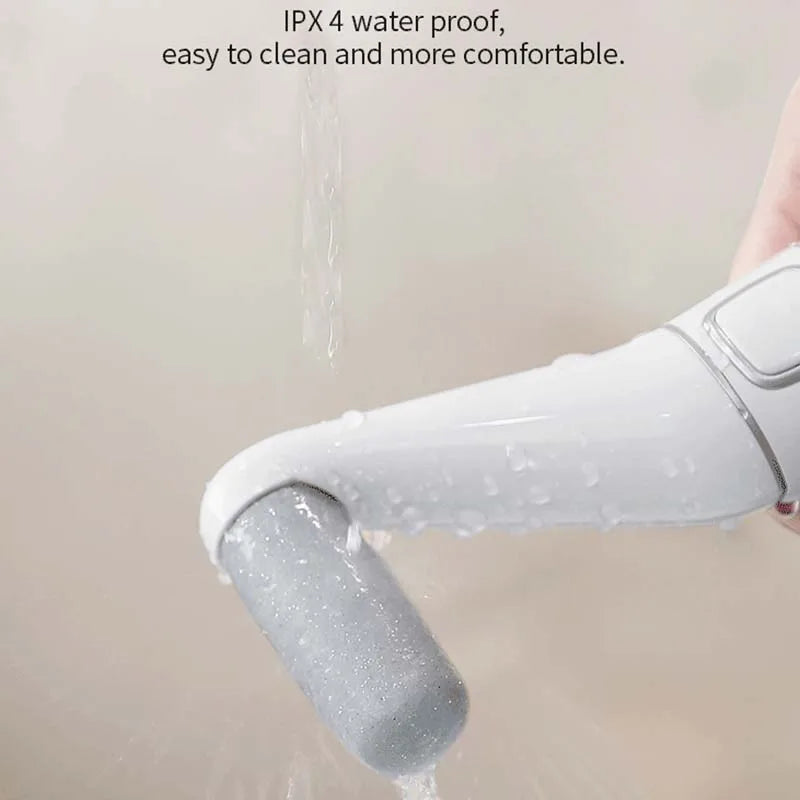
Water-resistant models are easier to rinse clean and may be suitable for use on damp feet if recommended by the manufacturer. Always follow the instructions for your specific device.
Benefits of Using an Electric Foot File at Home
- Maintains smoother heels between salon visits.
- Reduces the effort required compared with manual pumice stones.
- Allows regular maintenance before calluses become severe.
- Provides a more consistent at-home pedicure routine.
- Can save money over repeated professional treatments.
Confidence starts from the ground up — See it in action
Which Electric Foot File Is Right for You?
Beginners
Choose a model with adjustable speeds, fine rollers, and an ergonomic grip.
Thick Calluses
Look for a higher-powered motor and coarse replacement rollers designed for stubborn dry skin.
Sensitive Skin
Select fine rollers and lower speed settings to minimize irritation.
Travel Users
A lightweight rechargeable device with USB charging is easier to pack and maintain while away from home.
Who Should and Should Not Use an Electric Foot File
Electric foot files are suitable for adults with dry heels, mild to moderate calluses, or those looking to maintain healthy feet between professional pedicures.
Do not use an electric foot file over open wounds, infected skin, bleeding cracks, or inflamed areas.
People with diabetes, poor circulation, significant nerve damage, or other medical foot conditions should consult a healthcare professional before using any callus removal device, since reduced sensation increases the risk of injury.
You can explore this solution directly here: home pedicure electric tool .
For related self-care solutions, browse the Nail Care Devices collection or discover complementary options in Skin and Beauty Care Devices .
How to Use an Electric Foot File Safely
Step-by-Step Use
- Wash and thoroughly dry your feet unless your device specifically supports wet use.
- Select the appropriate roller grit.
- Move the roller continuously using gentle pressure.
- Stop once rough skin has been smoothed.
- Apply a rich moisturizer after treatment.
Common Mistakes
- Pressing too hard against the skin.
- Holding the roller in one place for too long.
- Removing healthy skin instead of only callused areas.
- Using coarse rollers too frequently.
Cleaning and Maintenance
- Clean roller heads after every use.
- Allow rollers to dry completely before storage.
- Replace worn roller heads every 3–6 months depending on usage.
- Store the device in a clean, dry location.
Frequently Asked Questions
What should I look for in an electric foot file?
Focus on motor performance, multiple speed settings, ergonomic design, rechargeable battery life, and easy-to-find replacement rollers.
Are electric foot files worth buying?
For most people with recurring dry skin or calluses, yes. They reduce manual effort and make regular foot maintenance easier at home.
What roller grit is best for thick calluses?
Start with a coarse roller for heavy calluses, then finish with a medium or fine roller to smooth the skin.
Is a rechargeable electric foot file better than corded?
Rechargeable models are generally preferred because they offer greater portability and convenience while providing sufficient power for routine home use.
Can I use an electric foot file if I have diabetes?
People with diabetes or reduced foot sensation should consult their healthcare provider before using an electric foot file due to the increased risk of skin injury.
How do I clean and maintain an electric foot file?
Remove and clean the roller after each session, let it dry completely, and replace worn rollers regularly for consistent performance.
Can an electric foot file replace salon pedicures?
For routine maintenance, many users find it can. Professional treatment may still be appropriate for severe calluses or underlying foot conditions.
How often should I replace the roller head?
Most roller heads should be replaced every 3–6 months, depending on how frequently the device is used and the severity of the calluses being treated.
Related Guide: Cordless Electric Foot Grinder Honest User Results