

Does a home power outage solution really keep families running?
Yes. The best home power outage solutions for families keep essential appliances operating when the electrical grid fails. Depending on the system you choose, lights, refrigerators, internet, medical equipment, and communication devices can continue working for several hours—or even multiple days—while helping your household stay safe and comfortable.
What are the best home power outage solutions for families?
The right solution depends on how long outages typically last and which appliances you need to protect.
- UPS systems: Best for computers, internet equipment, and short interruptions lasting a few minutes.
- Portable power stations: Ideal for charging electronics, powering small appliances, and overnight emergencies.
- Standby generators: Suitable for extended outages where whole-home coverage is needed, but they require fuel and regular maintenance.
- Home solar backup systems: Combine solar panels with batteries to provide quiet, automatic backup power with the ability to recharge using sunlight.
For most families, selecting a solution starts with identifying critical loads and estimating how long they need to remain powered during an outage.
How do home solar backup systems work?
Home solar backup systems store electricity in batteries while the grid is operating or while solar panels are generating power. During an outage, the system automatically disconnects from the utility grid and begins supplying stored energy to selected household circuits. Runtime depends on battery capacity, appliance usage, and whether solar panels continue producing electricity during daylight hours.
Home Power Outage Solutions for Families Who Need Reliability
⏱ 7 min read · A home power outage rarely gives warning—and for families, that uncertainty can quickly disrupt meals, work, medical care, and bedtime routines. Choosing reliable backup power before the next outage helps keep your household connected, comfortable, and prepared.
Explore dependable solutions designed for real family life
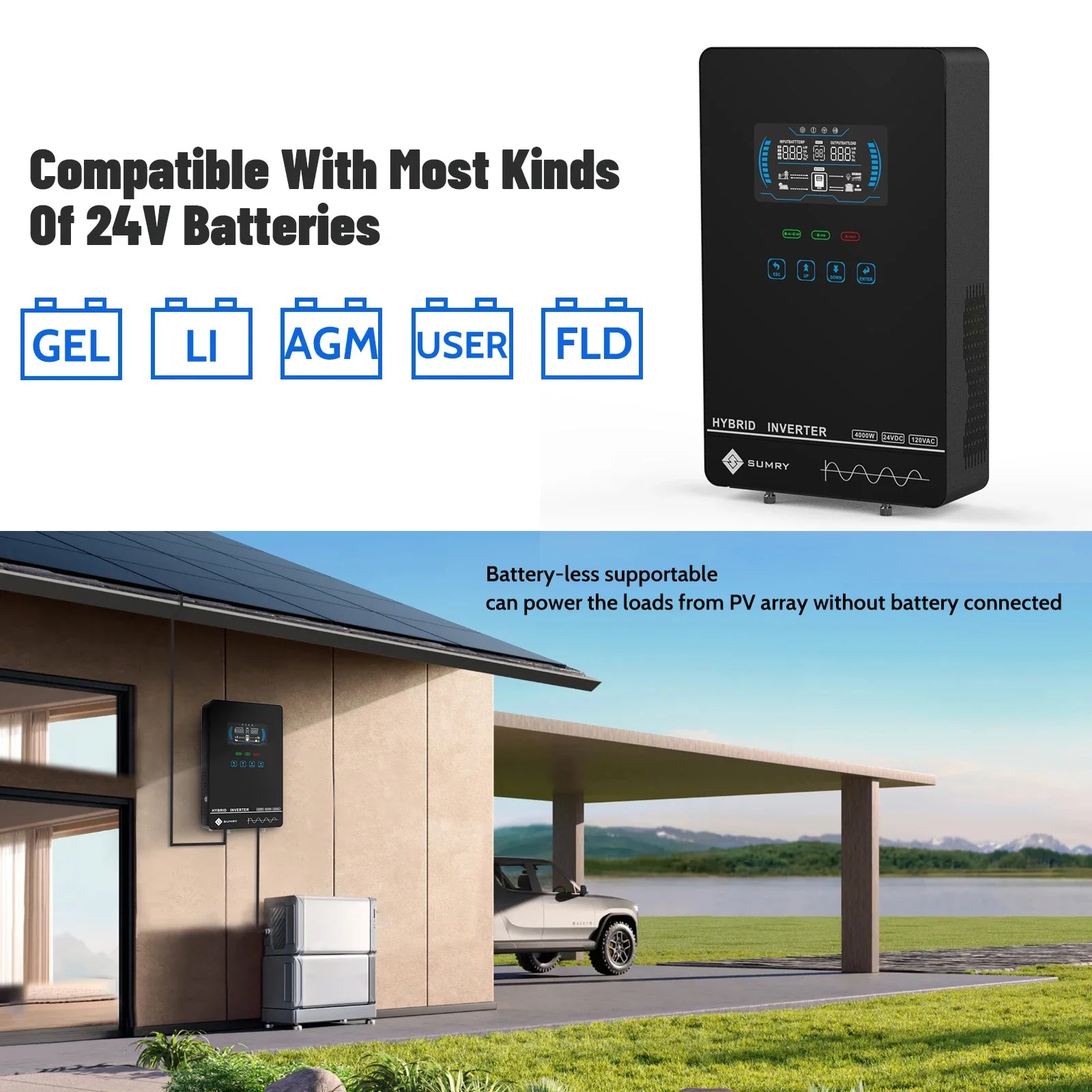
Backup solar power for home comfort during a home power outage — See it in action
Why Home Power Outage Preparedness Matters for Families
Frequent power outages can interrupt much more than lighting. Modern homes depend on electricity for refrigeration, internet access, home security, heating and cooling, medical equipment, and communication. Planning ahead reduces stress and allows families to respond confidently when the grid goes down.
Common causes of frequent power outages
- Severe weather such as storms, hurricanes, floods, or heavy snow.
- High electricity demand during heat waves or cold snaps.
- Utility maintenance or equipment failures.
- Tree damage, vehicle accidents, or local infrastructure issues.
Risks to children, seniors, and medical devices
Children may become anxious during prolonged darkness, while older adults may be more vulnerable to extreme indoor temperatures. Families using CPAP machines, oxygen concentrators, refrigerated medications, or other medical equipment should prioritize backup power as part of a comprehensive family emergency power outage plan .
Family Emergency Power Priority Checklist
Critical devices to power first
- Refrigerator and freezer
- Medical devices
- Wi-Fi router and modem
- Essential lighting
- Phone chargers
Communication and charging priorities
Keep at least one fully charged power bank available, charge mobile phones before storms arrive, and designate one family member as the primary emergency contact.
Food and medication protection
- Keep refrigerator doors closed as much as possible.
- Store medications requiring refrigeration in insulated coolers if outages become prolonged.
- Prioritize refrigeration before entertainment devices to extend battery runtime.
What Families Really Need During Frequent Power Outages
Needs during 1–4 hour outages
Short outages usually require lighting, internet access, refrigeration, and phone charging. A UPS or portable battery system often provides enough protection.
Needs during overnight outages
Longer outages increase the importance of heating, cooling, food preservation, and maintaining comfortable sleeping conditions, especially for infants and older adults.
Needs during multi-day outages
Extended outages require more comprehensive power outage solutions for homes. Families should prioritize refrigeration, medical equipment, communication, limited cooking, and safe indoor temperatures while reducing unnecessary electricity use.
Learn how families stay prepared without extra hassle
How Backup Solar Power for Home Brings Peace of Mind
Backup solar power for home use combines renewable energy with battery storage to provide reliable home power backup solutions that operate quietly and automatically when utility power fails.
How does backup solar power support a home power outage?
During an outage, stored battery energy immediately supplies selected household circuits. When sunlight is available, compatible solar panels can recharge the batteries, extending runtime while reducing dependence on fuel.
How batteries store and deliver energy
Battery systems charge while the grid is operating or while solar panels are producing electricity. Smart energy management systems monitor battery levels and distribute power only to essential loads, helping maximize available runtime.
Everyday benefits families notice first
- Automatic transition during outages.
- Quiet operation with no fuel storage.
- Reduced interruptions for work and school.
- Flexible expansion as household energy needs grow.
Many systems integrate seamlessly with an off-grid solar inverter , ensuring stable output even when demand spikes.
Choosing Home Solar Backup Systems That Fit Daily Life
Sizing by household needs
Estimate your daily energy consumption in kilowatt-hours (kWh) and identify essential appliances before selecting battery capacity. Many families back up only critical circuits instead of powering the entire home.
Budget and expansion options
Modular battery systems allow homeowners to start with a smaller installation and expand capacity later as budgets or electricity needs increase.
Grid-tied vs off-grid backup
Grid-tied systems typically provide the greatest everyday savings while maintaining backup capability. Fully off-grid systems offer complete independence but usually require larger battery banks and additional solar capacity.
Families who already value simplicity often explore lifestyle upgrades through the Lifestyle collection, pairing reliable energy with tools that make daily routines smoother.
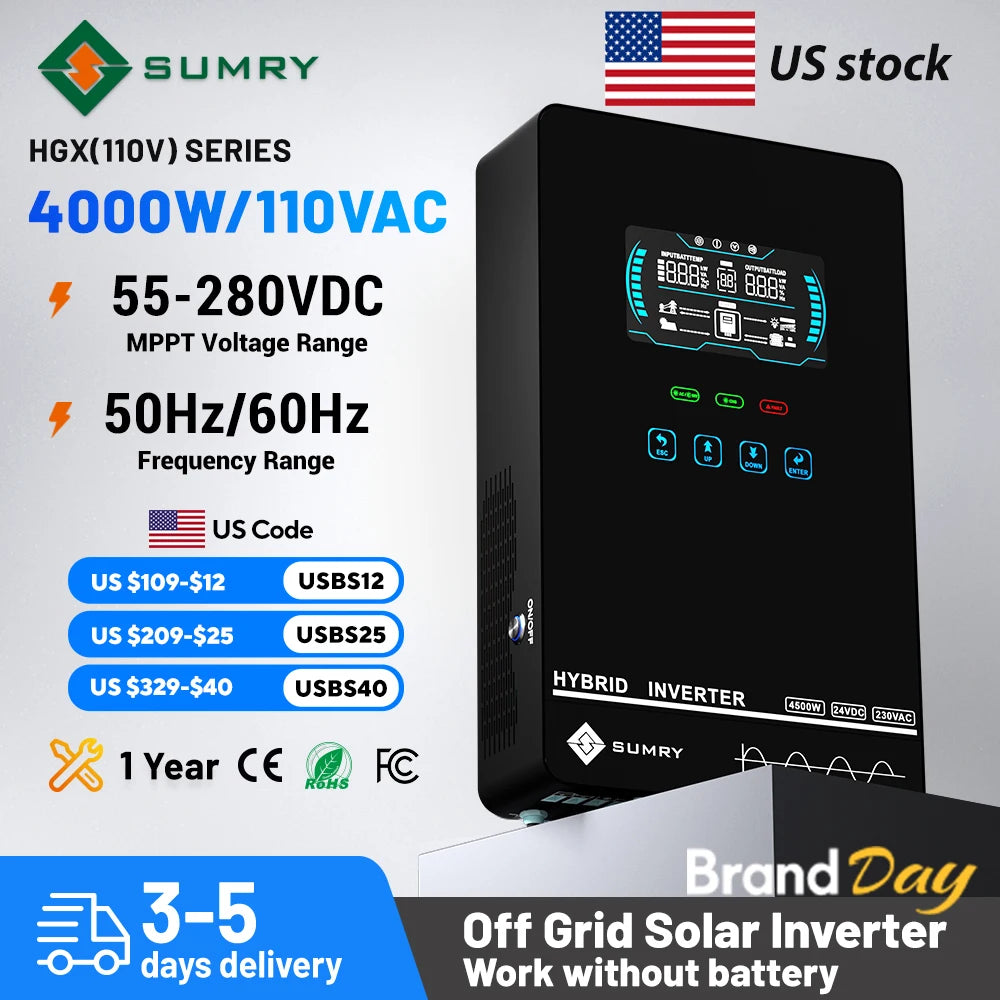
Home solar backup systems supporting families during frequent power outages — See it in action
Comparing Popular Home Power Outage Solutions
| Solution | Typical Runtime | Maintenance | Best Use Case | Cost Range |
|---|---|---|---|---|
| UPS System | 5–60 minutes | Low | Computers and networking equipment | $100–$800 |
| Portable Power Station | 4–24 hours | Low | Small appliances and emergency charging | $300–$3,000 |
| Portable Generator | 4–12 hours per fuel refill | Moderate | Extended outages with manual operation | $500–$3,000 |
| Home Solar Backup System | 6–48+ hours | Low | Automatic whole-home or critical-load backup | $3,000–$15,000+ |
Power Consumption Examples for Essential Appliances
| Appliance | Typical Power | Planning Notes |
|---|---|---|
| Refrigerator | 100–800 W | Cycles on and off throughout the day. |
| CPAP Machine | 30–90 W | Critical overnight load. |
| Wi-Fi Router | 10–20 W | Low energy demand. |
| LED Lighting | 8–15 W per bulb | Efficient for extended outages. |
Power Outage Food Safety and Family Health
Refrigerator and freezer timelines
A closed refrigerator generally keeps food cold for about four hours, while a full freezer may maintain safe temperatures for approximately 48 hours if left unopened. Minimize door openings to preserve cold air.
Carbon monoxide safety
Never operate gasoline, propane, or diesel generators inside homes, garages, basements, or enclosed spaces. Carbon monoxide is colorless, odorless, and potentially deadly. Install carbon monoxide detectors throughout the home.
Safe heating and cooling
Dress in layers during winter outages, stay hydrated during hot weather, and use only heating equipment approved for indoor operation.
Getting Started with a Reliable Home Energy Setup
Step-by-step family preparedness plan
- List appliances that must remain powered.
- Select the appropriate backup solution.
- Schedule professional installation when required.
- Create a family emergency power outage plan .
- Practice outage procedures with every household member.
Monthly maintenance checklist
- Test batteries and backup systems.
- Inspect extension cords and emergency lighting.
- Verify emergency supplies and drinking water.
- Review communication plans and emergency contacts.
Pairing an off-grid solar inverter with modular batteries allows flexibility without pressure.
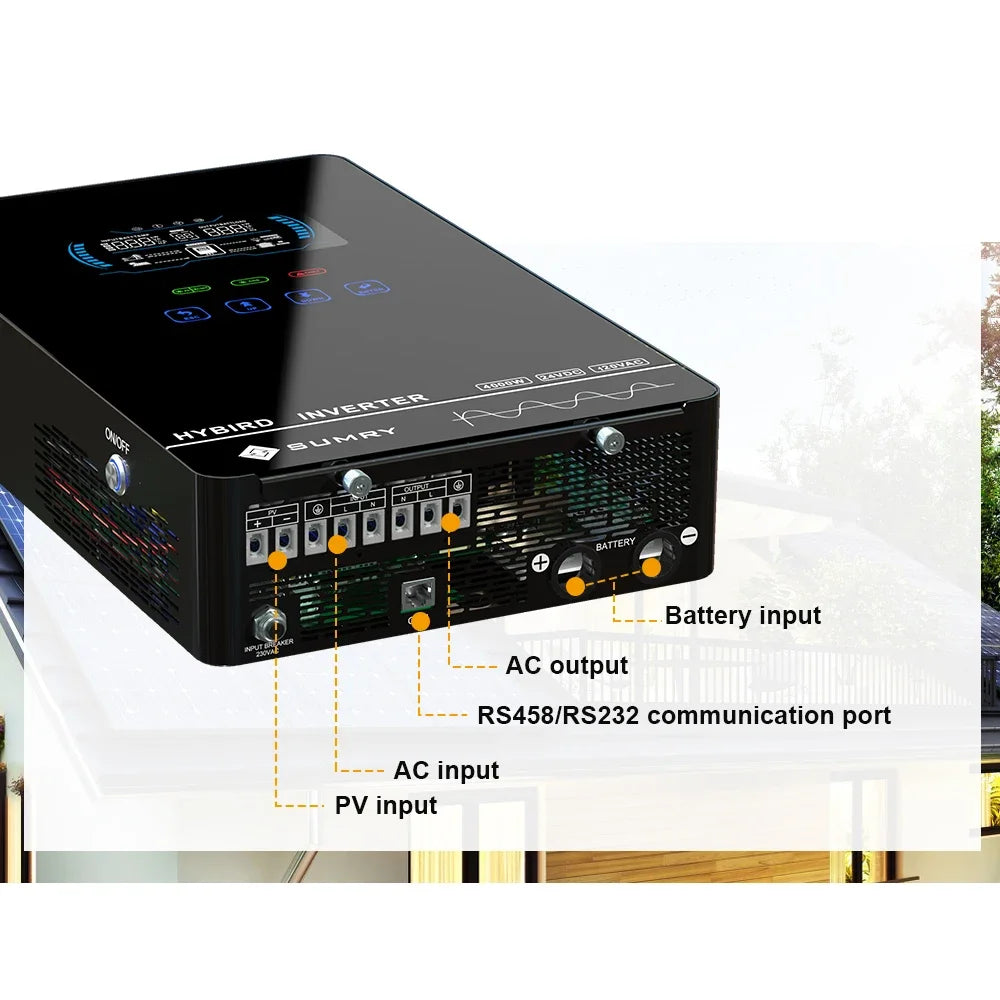
Reliable home energy during a home power outage — See it in action
Additional Resources & Safety Tips
Emergency contacts
Keep printed copies of utility company phone numbers, healthcare providers, and nearby emergency shelters in case mobile networks become unavailable.
Weather alerts
Enable local weather notifications and monitor severe weather forecasts before storms arrive to allow time for charging batteries and preparing backup equipment.
Insurance documentation
Store digital and printed copies of home insurance documents, appliance serial numbers, and emergency inventory lists in a waterproof location.
Quick Answers Families Ask Most
How long can backup solar power run a home?
Most home solar backup systems power essential appliances for approximately 8–48 hours, although larger battery systems and continued solar charging can extend runtime.
Is a home solar backup system safe for kids?
Yes. Professionally installed systems are enclosed, automated, and designed to meet residential electrical safety standards.
Can I expand my system later?
Many modern battery systems support additional storage capacity and solar panels as household energy needs grow.
What is the best backup power for home during outages?
For short outages, portable power stations work well. For frequent or extended outages, home solar backup systems provide quiet, automatic operation with lower ongoing maintenance than fuel-powered generators.
How do I prepare for frequent power outages?
Create a family emergency plan, identify essential appliances, maintain emergency supplies, test backup equipment regularly, and review outage procedures with everyone in the household.
Get yours now — limited stock!













