Do the Warmest Hoodies Actually Keep You Warm?
The warmest hoodies can keep you comfortable in cold weather, but warmth depends on more than thickness or brand name. The best winter hoodie combines fabric weight, insulation type, lining design, moisture control, and fit to reduce heat loss while allowing comfortable movement.
In general, warm hoodies for cold weather use heavyweight fabrics (often 320–450 GSM), fleece or synthetic insulation, and construction features that trap warm air close to the body. A thick cotton hoodie may feel substantial, but an insulated hoodie can provide better warmth-to-weight performance without unnecessary bulk.
How Hoodie Warmth Is Measured
Hoodie warmth is influenced by several measurable factors:
- GSM (grams per square meter): Higher GSM usually means more fabric density and improved insulation.
- Insulation structure: Fleece, sherpa, and synthetic thermal fibers trap heat differently.
- Heat retention design: Features such as lined hoods, snug cuffs, and proper fit help prevent warm air from escaping.
- Breathability: A hoodie that manages moisture helps maintain warmth during activity.
What Affects Warmth Beyond Thickness
A thicker hoodie is not automatically the warmest option. Dense cotton can block some cold, but lightweight synthetic insulation can outperform it by trapping more air with less weight. The best warmest hoodies balance insulation, comfort, and versatility for the conditions where they will be worn.
Warmest Hoodies Ranked: Best Hoodie Brands for Cold Weather (2026 Guide)
⏱ 7 min read
Choosing a hoodie for cold weather is about understanding materials, insulation, and construction—not just choosing a popular label. The warmest hoodie brands create products that combine dense fabrics, efficient insulation, and comfortable designs for everyday winter use. This guide ranks the best options based on warmth performance, versatility, durability, and real-world usability.
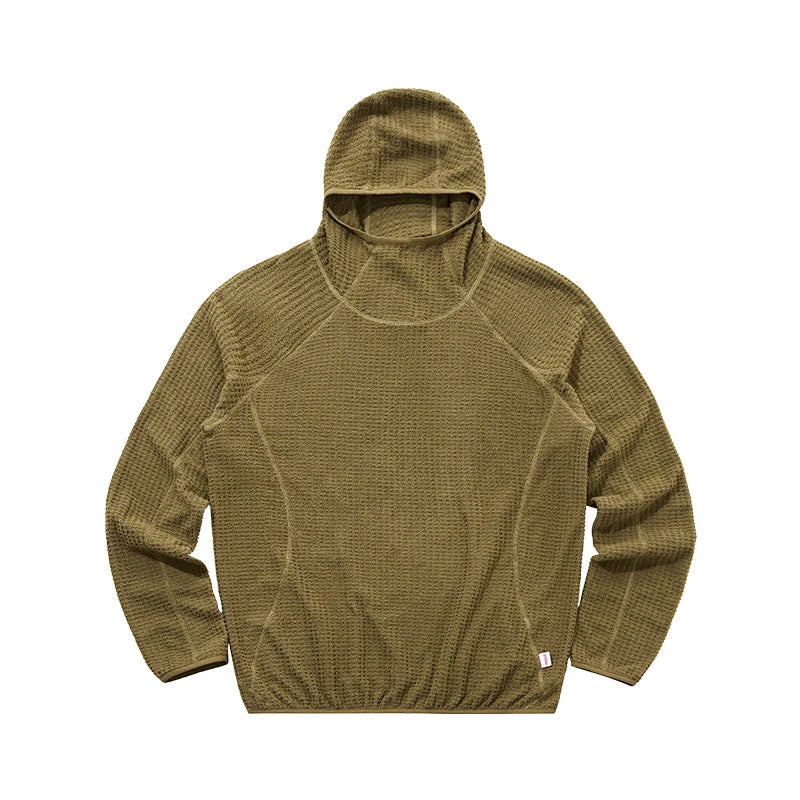
Heavyweight construction that defines hoodie warmth performance. See it in action
How We Ranked the Warmest Hoodies (Testing + Fabric Science)
To identify the warmest hoodies ranked by fabric weight and insulation, we evaluated each category using practical warmth factors rather than appearance alone. The goal was to determine which hoodies perform best in different cold-weather situations.
Fabric Weight (GSM) and Why It Matters
Fabric weight measured in GSM is one of the strongest indicators of potential warmth. Lightweight hoodies under 250 GSM are designed mainly for comfort and layering, while heavyweight hoodies above 350 GSM provide more insulation for colder conditions.
However, GSM alone does not determine performance. A well-designed 300 GSM insulated hoodie may feel warmer than a heavier cotton hoodie because it traps heat more efficiently.
Insulation Types: Fleece vs Sherpa vs Synthetic
- Fleece: Lightweight, breathable, and effective at trapping heat. It works well for active use and layering. Learn more in this fleece vs cotton fabric guide .
- Sherpa lining: A thick, plush interior designed for maximum warmth in very cold environments.
- Synthetic insulation: Engineered fibers provide strong warmth retention while keeping weight lower than traditional materials.
- Heavyweight cotton: Dense, durable, and comfortable for everyday winter wear.
Real-World Cold Testing Conditions
Hoodies were compared across common winter scenarios, including outdoor commuting, cold indoor environments, outdoor work, and active use. These conditions reveal whether a hoodie provides practical warmth or only feels warm at first touch.
Durability and Customer Feedback
A quality winter hoodie should maintain insulation, shape, and comfort after repeated use. Construction quality, stitching, fabric recovery, and long-term wear performance all influence whether a hoodie remains valuable over multiple seasons.
What Makes a Hoodie Truly Warm Without Bulk
The warmest winter hoodies are designed around insulation efficiency rather than simply adding more material. The right combination of fabric density, lining, and fit creates warmth without limiting mobility.
GSM vs Perceived Warmth
High GSM fabrics provide more material between your body and cold air, but perceived warmth depends on how effectively that material traps heat. Thick hoodies for winter perform best when the fabric creates insulating air pockets while remaining breathable.
Wind Resistance and Lining
Wind can remove body heat quickly, which is why insulated hoodies with tighter weaves, thermal linings, or layered construction often outperform basic sweatshirts outdoors.
Fit and Heat Retention
A hoodie that fits correctly helps retain warmth. Oversized designs can allow heat to escape, while overly tight fits may restrict layering. The ideal fit leaves enough room for a base layer or jacket without creating excessive gaps.
- Air trapping: Fleece and synthetic materials create tiny pockets that hold warm air.
- Layer compatibility: A properly designed hoodie works under a best winter jacket without restricting movement.
- Moisture control: Breathable fabrics reduce sweat buildup that can make you feel colder.
Warmest Hoodies Ranked by Fabric Weight & Insulation
1. Thermolite Hooded Sweatshirt (Best Overall Warmth-to-Weight)
The Thermolite Hooded Sweatshirt uses advanced thermal insulation designed to retain body heat while staying comfortable and lightweight. It is one of the strongest options for people who want daily winter warmth without the heavy feel of traditional heavyweight hoodies.
- Dense thermal construction for consistent insulation
- Soft interior designed for immediate warmth
- Lightweight feel compared with many heavyweight hoodies
- Maintains shape after repeated washes
2. Sherpa-Lined Hoodies (Best for Extreme Cold)
Sherpa-lined hoodies deliver maximum comfort in freezing temperatures because the plush interior traps a large amount of warm air. They are ideal for cold climates but may feel too warm indoors or during high activity.
3. Heavyweight Cotton Hoodies (Best Heavyweight Hoodie)
Heavyweight cotton hoodies, commonly around 350–450 GSM, offer excellent durability and everyday warmth. They are a strong choice for casual winter wear, although they may not dry or regulate moisture as effectively as synthetic materials.
4. Performance Fleece Hoodies (Best Performance Fleece Hoodie)
Performance fleece hoodies balance insulation and breathability, making them suitable for hiking, travel, and outdoor activities where temperature changes quickly.
5. Workwear Hoodies (Best Workwear Hoodie)
Workwear hoodies prioritize durability with thick fabrics and rugged construction. They are designed for outdoor labor and environments where clothing must handle repeated wear. Explore more in this workwear clothing guide .
6. Budget Cotton Hoodies (Best Budget Hoodie)
Basic cotton hoodies provide affordable warmth for mild winter conditions. They are comfortable and easy to maintain but usually lack the insulation efficiency of premium thermal designs.
7. Premium Insulated Hoodies (Best Premium Hoodie)
Premium insulated hoodies combine advanced fabrics, improved fit, and enhanced weather protection. They are ideal for buyers prioritizing long-term performance and comfort.
Heavyweight vs Midweight Hoodies: Which Is Better?
Warmth
Heavyweight hoodies generally provide more insulation because they contain more material. They are better for cold climates, outdoor use, and low-activity situations.
Breathability
Midweight hoodies often perform better during movement because they release heat more easily and reduce overheating during changing temperatures.
Mobility
For daily wear, commuting, or layering, midweight designs are often more versatile. Heavyweight hoodies provide stronger warmth but may feel bulky under jackets.
Best Hoodies for Layering in Cold Weather
Base Layer Options
Light fleece or synthetic hoodies work well as base layers because they trap heat close to the body while allowing outer layers to provide wind and moisture protection. Pair them with strategies from this how to stay warm in winter guide.
Mid-Layer Hoodies
Mid-weight hoodies between 250–350 GSM are among the most versatile choices. They provide insulation between a base layer and jacket without causing excessive bulk.
Outer Layer Pairings
For colder conditions, combine an insulated hoodie with a weather-resistant jacket. This creates a flexible system that adapts to changing temperatures.
Warm Winter Hoodies Comparison Table
The best winter hoodie depends on your climate, activity level, and preferred balance between warmth and comfort.
| Hoodie Type | Warmth | Fabric/Insulation | Weight | Best Use | Value |
|---|---|---|---|---|---|
| Thermolite Hoodie | High | Thermal synthetic insulation | Lightweight | Daily winter wear | Excellent |
| Sherpa-Lined Hoodie | Very High | Plush sherpa lining | Heavy | Extreme cold | High |
| Heavyweight Cotton Hoodie | High | Dense cotton | Heavy | Casual winter use | Good |
| Performance Fleece Hoodie | Medium-High | Fleece insulation | Medium | Outdoor activity | Good |
| Workwear Hoodie | High | Rugged heavyweight fabric | Heavy | Outdoor labor | Good |

Testing warmth and comfort side by side. Compare the difference
Why Thermolite Hoodies Stand Out in Cold Weather
Thermolite hoodies are designed for people who want the benefits of insulated hoodies without excessive thickness. Their thermal construction focuses on maintaining body heat while keeping the garment comfortable for everyday use.
Direct answer: Thermolite hoodies use thermal fibers that help retain warmth while supporting breathability and mobility. Compared with standard cotton hoodies, they offer more consistent insulation and improved comfort during long periods in cold conditions.
Pros & Cons
- Pros: Excellent warmth-to-weight ratio, breathable design, versatile for daily wear and layering
- Cons: Higher cost compared with basic cotton hoodies
Who Should Buy One
Thermolite hoodies are a strong choice for commuters, travelers, parents, and anyone who needs reliable warmth without wearing multiple bulky layers.
Who Should Skip It
Those living in extremely cold climates or needing heavy-duty outdoor protection may prefer a sherpa-lined or specialized workwear hoodie.
Pairing your hoodie with everyday comfort items from the Lifestyle collection can elevate cold-weather routines without adding unnecessary layers.
How to Choose the Best Winter Hoodie for Your Needs
The best winter hoodie depends on your environment, activity level, preferred materials, and layering habits.
Choose by Climate
- Mild winter: Midweight fleece or cotton hoodies are usually sufficient.
- Cold winter: Choose insulated or heavyweight hoodies.
- Extreme cold: Prioritize sherpa lining and weather protection.
Choose by Activity
- Daily wear: Thermolite or heavyweight cotton provides balance.
- Outdoor exercise: Performance fleece offers better breathability.
- Outdoor work: Durable workwear hoodies provide longevity.
Choose by Fabric
Synthetic insulation offers efficient warmth, fleece provides flexibility, and cotton delivers durability and comfort.
Choose by Fit
Select a fit that allows comfortable layering without leaving excessive space where heat can escape.

A best winter hoodie built for real cold. Stay warm effortlessly
How to Care for Heavyweight and Insulated Hoodies
Washing
Wash heavyweight hoodies using gentle cycles and avoid harsh detergents that can weaken fibers or reduce softness.
Drying
Air drying is usually the safest option for maintaining insulation and preventing unnecessary fabric stress.
Preventing Shrinkage
Avoid excessive heat from dryers and follow care instructions carefully, especially for heavyweight cotton hoodies that may shrink.
Frequently Asked Questions
Are heavyweight hoodies always warmer?
Not always. Fabric type, insulation structure, and fit can make a lighter insulated hoodie warmer than a heavier cotton design.
What GSM hoodie is warmest?
Hoodies above 350 GSM are generally considered heavyweight, while those above 400 GSM are better suited for very cold conditions.
Are sherpa hoodies too hot indoors?
Yes. Sherpa-lined hoodies provide high insulation and may feel too warm in heated indoor environments.
How long should a quality winter hoodie last?
A well-made hoodie can last several years with proper care, especially when constructed from durable materials and quality stitching.
Is Thermolite good for daily wear?
Yes. Thermolite hoodies are designed for everyday winter use because they provide warmth while remaining lightweight and breathable.
Which hoodie fabric is the warmest for winter?
Synthetic insulation and sherpa-lined fabrics typically provide the highest warmth, while fleece offers a strong balance between insulation and breathability.
Should I size up for layering?
If you plan to wear a hoodie over thick base layers or under a winter jacket, choosing a slightly relaxed fit can improve comfort and mobility.
Related Guide: Hoodie Gap Price Review: Is It Worth the Cost in 2025