⏱ 7 min read
Q:
How accurate are digital scales?
A:
Most digital scales are accurate within ±0.1–0.2 kg when placed on a flat, hard surface. Accuracy depends on build quality, calibration, and surface stability. Premium models with auto-calibration and multi-sensor technology provide more consistent results, while inexpensive glass scales may fluctuate more across different surfaces.
How Accurate Are Digital Scales? Testing Accuracy, Error Ranges & How to Check Yours
How accurate are digital scales when you're tracking weight, fitness progress, or overall health? The answer depends on the scale's design, calibration, sensor quality, and how it's used. While no consumer scale is perfectly exact, modern digital scales are remarkably precise for everyday use.
This guide explains digital scale accuracy, normal error ranges, the science behind load-cell technology, factors that influence readings, and practical ways to verify whether your scale is working correctly at home.
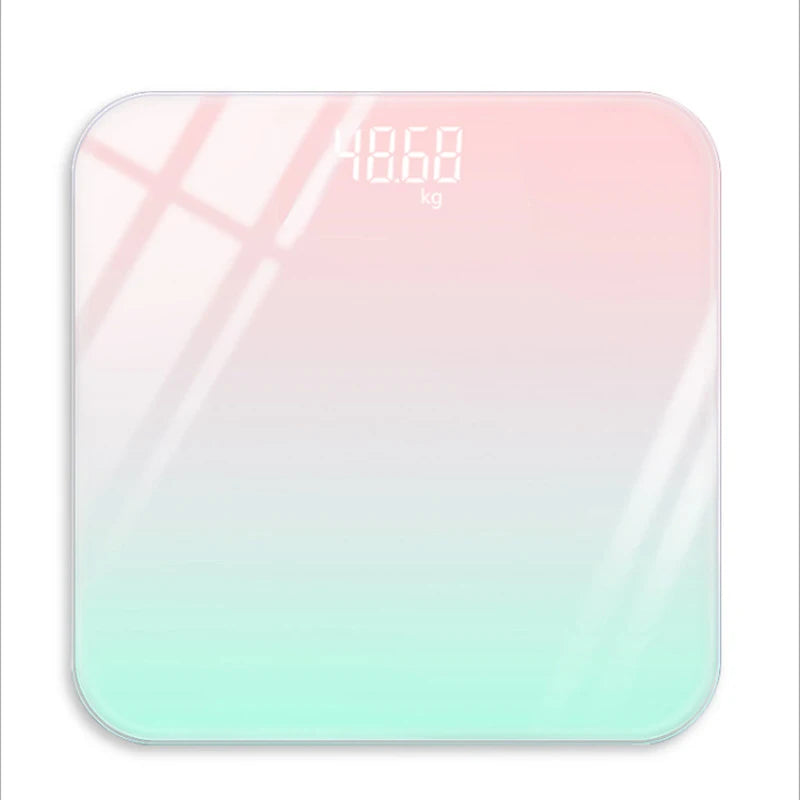
See it in action: digital weighing scale glass with sleek form and modern sensor technology.
How Accurate Are Digital Scales?
Most modern digital scales are highly accurate when used correctly. A quality digital bathroom scale typically measures within ±0.2 to ±1 pound (±0.1 to ±0.5 kg) of your actual weight, while premium models may be even more precise.
For everyday health tracking, this level of digital scale accuracy is more than sufficient. The most important factor is consistency—using the same scale, on the same surface, under similar conditions.
Typical Accuracy Range for Digital Bathroom Scales
- Basic digital scales: ±1 lb (±0.5 kg)
- Mid-range bathroom scales: ±0.4–0.8 lb (±0.2–0.4 kg)
- Premium digital scales: ±0.2–0.4 lb (±0.1–0.2 kg)
- Commercial-grade scales: often within ±0.1 lb (±0.05 kg)
What Level of Error Is Considered Normal?
Small fluctuations between weigh-ins are normal and do not necessarily indicate poor electronic scale accuracy. Changes in body hydration, clothing, scale placement, flooring, and calibration can all influence readings. In most cases, a variation of less than 1 pound is considered acceptable for consumer bathroom scales.
What “Digital Scale Accuracy” Actually Means
When people ask, “Are digital scales accurate?” they are often referring to several different concepts. Understanding these distinctions helps explain why a scale can be both accurate and still show slight variations between weigh-ins.
Accuracy vs Precision vs Repeatability
- Accuracy: How close the reading is to your true weight.
- Precision: How consistently the scale displays similar measurements.
- Repeatability: Whether multiple weigh-ins produce nearly identical results.
A reliable digital scale should perform well in all three areas.
Typical Accuracy Ranges for Different Types of Scales
- Bathroom scales: ±0.1–0.2 lb (±50–100 g)
- Kitchen scales: ±1–2 g
- Jewelry scales: ±0.01–0.1 g
- Postal or shipping scales: ±0.05–0.1 lb
Why Small Measurement Errors Happen
Digital scales convert physical pressure into electronic signals. Tiny variations in sensor response, environmental conditions, and user behavior can introduce small differences between measurements. These variations are generally insignificant for normal health tracking and household use.
How Digital Scales Measure Weight (Load Cell Technology)
Digital scales measure weight using electronic sensors called load cells . These sensors convert physical pressure into an electrical signal that the scale’s processor translates into a weight reading.
What Is a Load Cell?
A load cell is a metal sensor equipped with strain gauges. When weight is applied, the sensor bends microscopically, changing electrical resistance. The scale measures these changes and calculates weight.
How Electronic Scales Convert Force Into Weight
- Weight is placed on the platform.
- Load cells compress slightly.
- Strain gauges detect microscopic deformation.
- The signal is amplified and processed.
- The scale converts the signal into a digital weight value.
Why Load Cells Are More Accurate Than Mechanical Springs
Traditional analog scales rely on mechanical springs that can weaken, stretch, or drift over time. Digital scales use load cells that measure tiny changes in electrical resistance when weight is applied.
Because load cells rely on electronic sensors rather than spring tension, digital scales generally provide greater precision, better repeatability, and improved long-term reliability. This is one reason digital scales are often considered more accurate than analog scales for routine weight monitoring.
Are Digital Scales More Accurate Than Analog Scales?
In most situations, yes. Modern digital scales typically provide better accuracy, easier readability, and greater consistency than traditional analog scales.
Digital vs Analog Scale Comparison Table
| Feature | Digital Scale | Analog Scale |
|---|---|---|
| Measurement Precision | Higher | Lower |
| Ease of Reading | Excellent | Moderate |
| Calibration | Often automatic | Manual |
| Battery Required | Yes | No |
| Long-Term Drift | Low | Higher |
Which Type Is Better for Tracking Weight Changes?
If your goal is monitoring small changes over time, digital scales are usually the better choice. Their higher measurement resolution makes it easier to detect gradual weight loss or gain that might be difficult to observe on an analog model.
What Affects Digital Scale Accuracy
Even reliable digital scales can produce inaccurate readings under certain conditions.
Surface and Placement
Digital scales should always be placed on a flat, hard surface. Carpets and uneven flooring can distort readings.
Calibration and Zeroing
If a scale is not properly calibrated, readings may consistently appear too high or too low.
Battery Level
Low batteries can reduce sensor stability and lead to inconsistent measurements.
Temperature and Environment
Extreme temperatures and humidity can affect electronic components and sensor performance.
Sensor Wear Over Time
Years of heavy use can gradually affect load-cell performance, although quality scales often remain reliable for a long time.
Body Position and Weight Distribution
Standing unevenly, shifting your weight, or placing one foot more heavily than the other can influence readings. For best results, stand still with both feet centered on the platform.
Time of Day and Natural Weight Fluctuations
Your body weight naturally changes throughout the day due to hydration, meals, exercise, and digestion. Weighing yourself at different times can create the impression that a scale is inaccurate when the difference is actually physiological.
For the most consistent results, weigh yourself at the same time each day, preferably in the morning after using the bathroom and before eating.
How to Tell If a Digital Scale Is Accurate
If you suspect your digital scale may be inaccurate, there are several simple ways to test it.
Method 1: Use Known Calibration Weights
The most reliable method is using certified calibration weights and comparing the displayed value with the known weight.
Method 2: Test With Household Objects
- Unopened bags of flour or sugar
- Standard gym dumbbells
- Coins with known weight values
Method 3: Repeatability Test
Place the same object on the scale multiple times. Consistent readings indicate good repeatability.
How Often Should You Check Scale Accuracy?
Most household scales do not require frequent calibration, but checking accuracy every few months is a good practice. Additional testing may be useful after replacing batteries, moving the scale, or noticing unexpected measurement changes.
- Place the scale on a hard, level surface.
- Verify the display returns to zero.
- Use a known weight for testing.
- Repeat the test several times.
- Compare results for consistency.
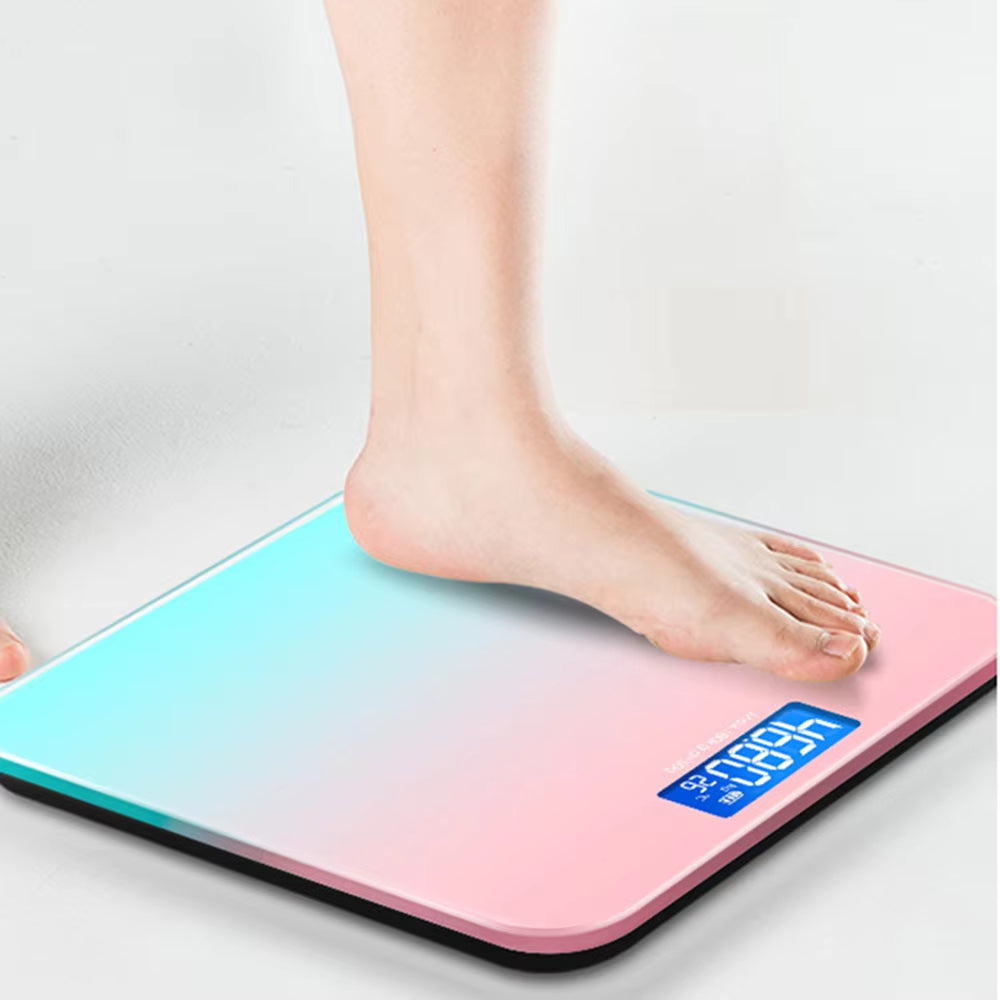
Compare features: weight digital scale options tested in real environments.
Scientific Research on Digital Scale Accuracy
Research evaluating consumer and clinical weighing devices generally finds that modern digital scales provide reliable measurements when properly maintained and used on stable surfaces.
What Studies Say About Weight Scale Accuracy
Studies comparing consumer scales with calibrated reference equipment have shown that most quality digital scales remain sufficiently accurate for routine health monitoring. Errors are typically small enough that they do not meaningfully affect long-term weight tracking.
Why Consistency Matters More Than Absolute Perfection
Health professionals often focus less on obtaining a perfectly exact weight and more on observing trends over time. Even if a scale consistently reads slightly high or low, it can still be useful if it produces repeatable measurements.
Digital Bathroom Scale Accuracy vs Body Composition Accuracy
Many people assume all measurements produced by smart scales are equally accurate. In reality, weight readings and body composition estimates are very different.
Weight Measurement Accuracy
Weight is measured directly through load cells and is typically the most accurate metric a digital bathroom scale provides.
Body Fat Percentage Accuracy
Body fat estimates are calculated using bioelectrical impedance analysis (BIA), which relies on prediction algorithms and hydration-dependent measurements.
Why Smart Scale Body Fat Readings Vary
Hydration levels, exercise, meals, skin temperature, and time of day can significantly influence body-fat estimates. As a result, body composition readings are often less accurate than body weight measurements.
Can Digital Scales Be Wrong? Common Causes of Inaccurate Readings
Yes, digital scales can occasionally show incorrect readings. Most issues are caused by environmental factors rather than hardware defects.
- Uneven or soft flooring
- Low or unstable batteries
- Improper calibration
- Temperature fluctuations
- Moving the scale between uses
- Exceeding the scale’s weight capacity
Signs Your Scale May Be Inaccurate
- Large differences between repeated weigh-ins.
- Readings that change dramatically without explanation.
- Failure to return to zero.
- Error messages appearing frequently.
- Known test weights producing inconsistent results.
When It’s Time to Replace a Scale
If calibration no longer resolves measurement issues, sensors have deteriorated, or readings remain inconsistent despite proper use, replacing the scale may be more practical than continued troubleshooting.
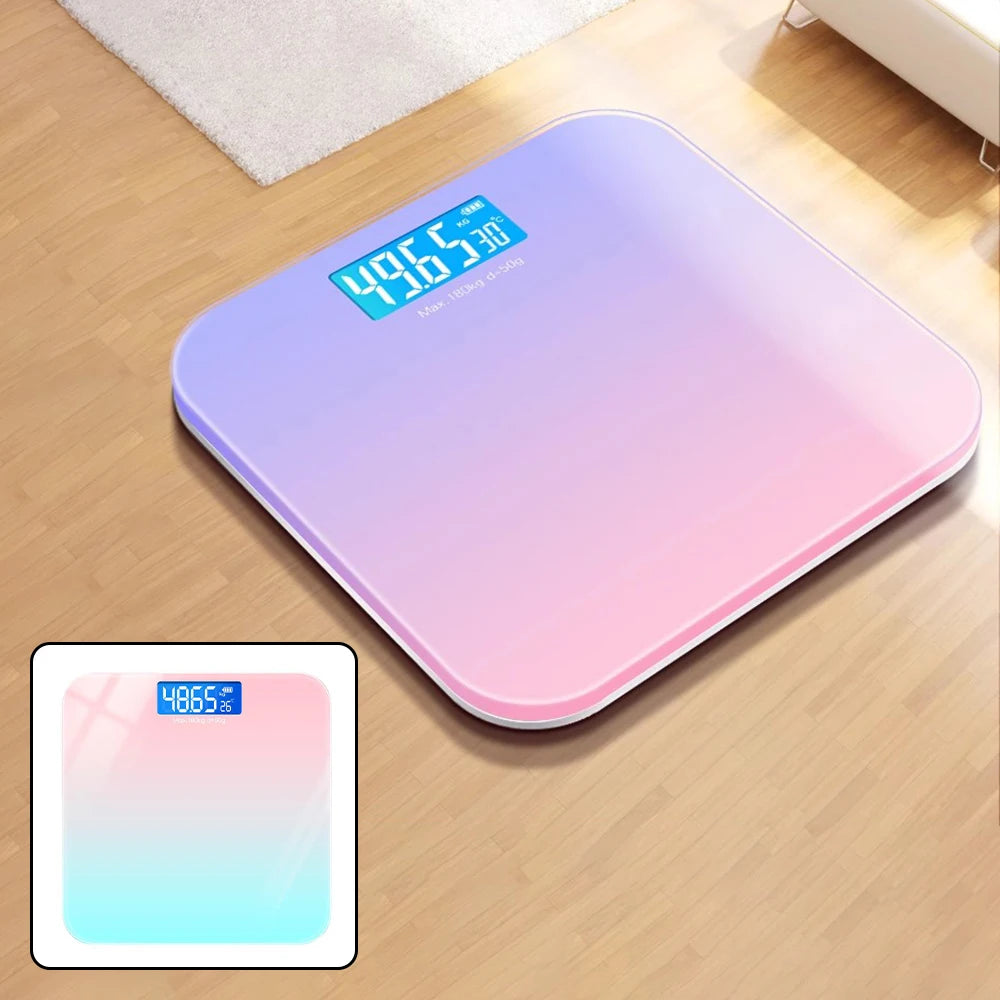
Digital body weight scale price versus precision — understanding what truly impacts accuracy.
Final Verdict: Are Digital Scales Accurate and Reliable?
Yes, most modern digital scales are accurate and reliable when used correctly. Typical consumer models provide measurements close enough for health monitoring, fitness tracking, and weight management.
The biggest sources of error usually come from environmental factors, calibration issues, improper placement, and natural body-weight fluctuations rather than flaws in the scale itself.
If you use a quality scale on a hard, level surface and weigh yourself consistently, digital scale accuracy is generally sufficient for tracking meaningful changes over time.
FAQ About Digital Scale Accuracy
Are digital scales accurate?
Yes. Most digital scales are accurate within a small margin of error and are more than adequate for routine weight monitoring and household measurements.
How accurate is a digital bathroom scale?
Most quality bathroom scales measure within approximately ±0.1–0.5 kg when used on a stable, hard surface.
Are digital bathroom scales accurate enough for weight loss tracking?
Yes. Even if a scale is not perfectly exact, consistent measurements are usually sufficient to track weight-loss trends over weeks and months.
Can digital scales be wrong?
Yes. Uneven flooring, low batteries, poor calibration, and environmental conditions can affect readings.
How do you know if your scale is accurate?
Test it using a known weight and repeat measurements several times to evaluate consistency.
Are electronic scales reliable long term?
Most electronic scales remain reliable for years when properly maintained and used within their rated weight capacity.
Are digital scales more accurate than analog scales?
In most cases, yes. Digital scales generally offer higher precision, better repeatability, and easier-to-read measurements.
Pillar Article: 7 Best Bluetooth Smart Scales in 2025 (Features, Accuracy & Apps)
Other Related Articles:
- Best Track Weight App Reviews: Which One Syncs Flawlessly?
- Digital Body Composition Scale Face-Off: Accuracy, Metrics & Value
- Smart Scale Bluetooth Showdown: Which One Actually Works?
- What You Didn’t Know About the Scale Bluetooth App Rankings
Explore More: