⏱ 7 min read
Q: How accurate are digital scales?
A: Most digital scales are accurate within ±0.1–0.2 kg when placed on a flat, hard surface. Accuracy depends on build quality, calibration, and surface stability. Premium models with auto-calibration and multi-sensor tech give more consistent results, while cheaper glass scales may fluctuate more across different surfaces.
How Accurate Are Digital Scales? Testing Accuracy, Error Ranges & How to Check Yours
How accurate are digital scales when you're tracking progress or health goals? We tested five popular options—including a digital weighing scale glass model—to find out which truly delivers reliable results.
From budget-friendly picks to premium choices, we evaluated precision, consistency, and the real digital body weight scale price-to-performance ratio. But beyond product comparisons, this guide also explains how digital scales work, why readings can vary, and how you can test your own scale for accuracy at home.
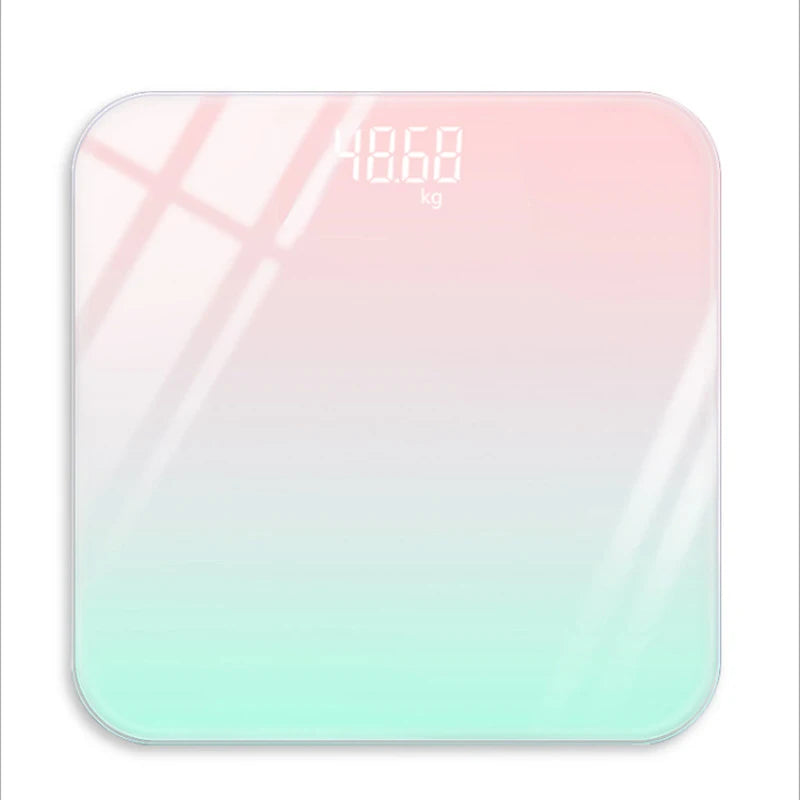
💡 See it in action: digital weighing scale glass with sleek form and modern tech.
How Accurate Are Digital Scales?
Most modern digital scales are highly accurate when used correctly. In general, consumer-grade scales measure weight within a small margin of error, typically between ±0.1 lb (±50 g) and ±0.2 lb (±100 g) for bathroom scales.
For example, if your true weight is 150 pounds, a reliable digital bathroom scale may display values between roughly 149.8 and 150.2 pounds. These tiny differences are normal and fall within acceptable measurement tolerances.
Different scale types have different accuracy levels:
- Bathroom scales: typically ±0.1–0.2 lb
- Kitchen scales: typically ±1 g
- Jewelry scales: typically ±0.01 g
- Shipping scales: typically ±0.05 lb
However, accuracy depends on several real-world factors including calibration, floor stability, battery condition, and sensor quality. When placed on a hard surface and properly calibrated, most digital weighing scales are reliable enough for everyday health tracking and household measurements.
What “Digital Scale Accuracy” Actually Means
Digital scale accuracy refers to how close the displayed weight is to the object's true weight. Even high-quality electronic scales allow for a small tolerance range, which manufacturers specify as a plus-or-minus measurement margin.
This tolerance exists because digital scales measure pressure using electronic sensors. Small fluctuations in electrical signals, temperature, or surface conditions can cause tiny differences between readings.
Typical Accuracy Ranges for Different Types of Scales
- Bathroom scales: ±0.1–0.2 lb (±50–100 g)
- Kitchen scales: ±1–2 g
- Jewelry scales: ±0.01–0.1 g
- Postal or shipping scales: ±0.05–0.1 lb
Why Small Measurement Errors Happen
Even the most reliable digital scales cannot produce perfectly identical readings every single time. Sensors measure pressure, convert it into electrical signals, and then translate those signals into a digital weight value.
Because of this conversion process, small variations may appear between measurements—but these differences are typically insignificant for everyday use.
How Digital Scales Measure Weight (Load Cell Technology)
Digital scales measure weight using electronic sensors called load cells. These sensors convert physical pressure into an electrical signal that the scale’s microprocessor translates into a weight reading.
What Is a Load Cell?
A load cell is a metal sensor equipped with strain gauges. When weight presses down on the scale platform, the load cell bends slightly. This tiny deformation changes the electrical resistance inside the strain gauges.
The scale’s internal processor measures these resistance changes and converts them into a digital weight reading displayed on the screen.
How Electronic Scales Convert Force Into Weight
- Weight is placed on the scale platform.
- The load cells compress slightly.
- Strain gauges detect microscopic deformation.
- The electrical signal is amplified and processed.
- The scale converts the signal into a digital weight value.
This technology allows modern electronic scales to detect extremely small weight differences quickly and consistently.
What Affects Digital Scale Accuracy
Even reliable digital scales can produce inaccurate readings under certain conditions. Several environmental and mechanical factors influence measurement precision.
Surface and Placement
Digital scales should always be placed on a flat, hard surface. Carpets or uneven floors can distribute weight unevenly and distort readings.
Calibration and Zeroing
If a scale is not properly calibrated, it may consistently display readings that are slightly too high or too low.
Battery Level
Low batteries can affect sensor stability and cause fluctuating or inconsistent measurements.
Temperature and Environment
Extreme temperature changes or humidity can affect the metal load cells and electronic circuits inside the scale.
Sensor Wear Over Time
Load cells experience mechanical stress over years of use. While they last a long time, heavy or repeated use can gradually reduce sensor sensitivity.
How to Tell If Your Digital Scale Is Accurate
If you suspect your digital scale may be inaccurate, there are several easy ways to test it at home.
Method 1: Use Known Calibration Weights
The most reliable approach is using official calibration weights. Place a weight with a known value on the scale and compare the displayed reading.
Method 2: Test With Household Objects
If calibration weights aren't available, you can use objects with standardized weights such as:
- Unopened bags of flour or sugar
- Standard gym dumbbells
- Coins with known weight values
Method 3: Repeatability Test
Place the same object on the scale multiple times. A reliable digital scale should show the same reading each time or vary only slightly.
Testing Criteria: What We Measured
To evaluate digital scale accuracy in real-world conditions, we tested five popular models using standardized gym weights, repeated user measurements, and different floor surfaces.
- Accuracy: Deviation from known weights (50kg / 110lb loads)
- Consistency: How repeatable results are with the same user
- Surface Sensitivity: Performance on tile, hardwood, and carpet
- Extra Features: Bluetooth sync, memory profiles, and app usability
- Digital body weight scale price vs. performance: Is it worth your money?
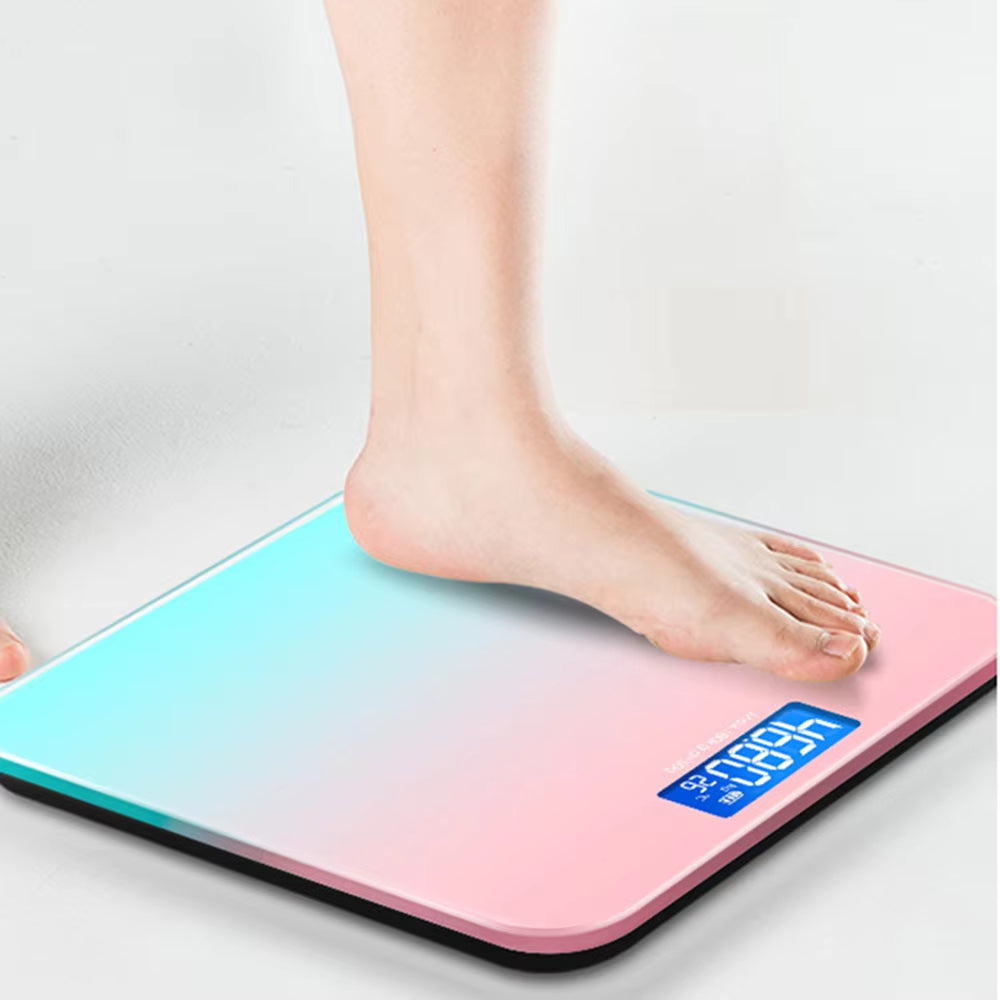
💡 Compare features: weight digital scale options tested in real environments
Digital Scale Comparison Table
| Model | Accuracy | Surface Sensitivity | Smart Features | Price Range |
|---|---|---|---|---|
| RainbowFit Body Scaler | ±0.1 kg | Low | App sync, trends | $39–$49 |
| Basic Glass Scale | ±0.3 kg | High | None | $15–$25 |
| SmartScale Pro+ | ±0.2 kg | Medium | BMI, Wi-Fi | $60–$80 |
| UltraBalance 360 | ±0.1 kg | Low | Heart Rate, App | $75–$99 |
| EcoLite Budget Model | ±0.5 kg | Very High | None | $10–$15 |
Review: The 5 Digital Scales We Tested
1. RainbowFit Body Scaler
This model delivered consistent readings with less than ±0.1 kg variance. Its smart syncing app was intuitive, and it worked reliably on every surface we tested. For its digital body weight scale price, this model offers strong overall value.
2. Basic Glass Scale
Stylish with a transparent digital weighing scale glass surface, but inconsistent when used on carpet or uneven floors. Good for occasional use, but not ideal for tracking long-term weight trends.
3. SmartScale Pro+
Offers BMI tracking and Wi-Fi connectivity, though we noticed minor drift between rapid measurements. With consistent usage, it still delivers reliable results.
4. UltraBalance 360
A premium scale featuring heart rate monitoring and full health analytics. Accuracy was excellent, though the higher price may not appeal to users seeking a simple weight digital scale.
5. EcoLite Budget Model
This entry-level scale showed the highest fluctuation—sometimes up to 0.5 kg between readings. It’s lightweight and portable but better suited for casual use rather than precise tracking.
Pros and Cons of Digital Weighing Scale Glass Models
Many modern bathroom scales feature tempered glass platforms combined with digital sensors. These models are popular because they are sleek, lightweight, and easy to clean.
Pros
- High measurement precision using electronic load cells
- Slim, modern design
- Easy-to-read digital displays
- Often include smart features such as body composition tracking
Cons
- Sensitive to uneven surfaces
- Accuracy may shift if calibration changes
- Glass platforms can feel slippery when wet
When used on a stable surface and calibrated correctly, most digital glass bathroom scales provide very reliable readings.
Can Digital Scales Be Wrong? Common Causes of Inaccurate Readings
Yes, digital scales can occasionally show incorrect readings. However, most issues are caused by environmental factors rather than faulty hardware.
- Uneven or soft flooring
- Low or unstable batteries
- Improper calibration
- Temperature fluctuations
- Moving the scale between uses
- Exceeding the scale’s weight capacity
If inaccurate readings appear suddenly, recalibrating the scale and replacing the batteries often resolves the problem.
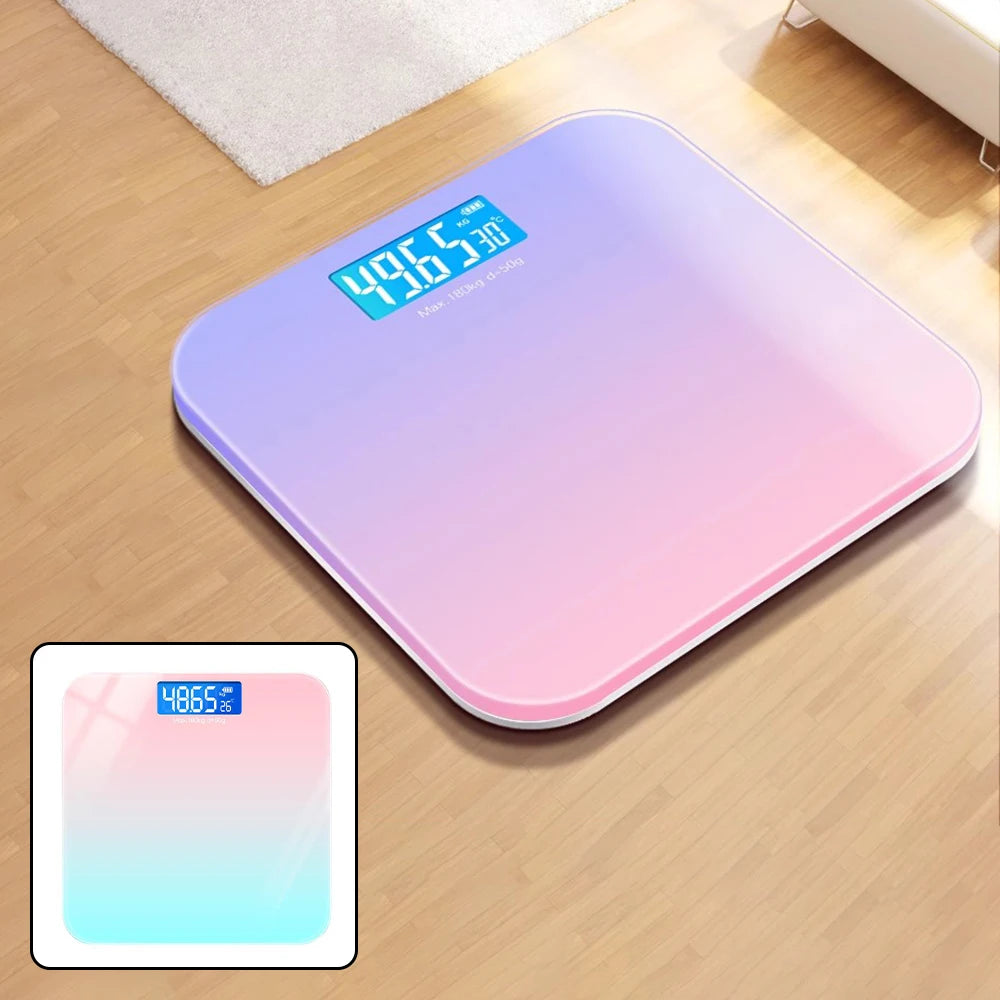
💡 Digital body weight scale price vs. precision — tested so you don’t have to.
Final Verdict: Is Accuracy Worth the Price?
For everyday uses such as tracking body weight, cooking ingredients, or measuring household items, modern digital scales are generally very accurate.
Higher-end models may provide improved sensor stability, better calibration systems, and additional smart features. However, even budget digital scales usually stay within acceptable accuracy ranges.
In practice, the biggest factors affecting accuracy are proper usage habits—placing the scale on a hard surface, maintaining battery levels, and checking calibration occasionally.
When used correctly, a reliable digital scale can provide consistent and trustworthy measurements for years.
Mini FAQ: Digital Scale Accuracy
Are digital scales accurate?
Yes. Most digital scales are accurate within a small margin of error, typically ±0.1 pounds for bathroom scales and ±1 gram for kitchen scales.
How accurate is a digital bathroom scale?
Digital bathroom scales usually measure weight within ±0.1–0.2 pounds when placed on a flat, stable surface.
Can digital scales be wrong?
Yes. Inaccurate readings can occur due to uneven floors, low batteries, calibration issues, or temperature changes.
How do you know if your scale is accurate?
You can test scale accuracy by weighing objects with known weights or repeating measurements several times to check consistency.
Are electronic scales reliable long term?
Most electronic scales remain reliable for many years if properly maintained and not exposed to excessive weight or environmental stress.
Pillar Article: 7 Best Bluetooth Smart Scales in 2025 (Features, Accuracy & Apps)
Other Related Articles:
- Best Track Weight App Reviews: Which One Syncs Flawlessly?
- Digital Body Composition Scale Face-Off: Accuracy, Metrics & Value
- Smart Scale Bluetooth Showdown: Which One Actually Works?
- What You Didn’t Know About the Scale Bluetooth App Rankings
Explore More: