

How Do Car Seat Heaters Work? (Simple Explanation)
Car seat heaters work by using electrically powered heating elements embedded inside the seat cushion and backrest. When you turn on the heater, electricity flows through these elements, creating heat that quickly warms the seat surface.
Step-by-Step Heating Process (from switch to warmth)
- You press the heated seat button or switch.
- Electrical current flows from the vehicle’s battery to the seat heater system.
- Heating elements inside the seat (usually carbon fiber or metal wires) begin to warm up.
- A thermostat monitors temperature to prevent overheating.
- Heat transfers through the seat padding and upholstery to your body.
Key Components Inside Heated Seats
- Heating elements: Thin wires or carbon fiber pads that generate heat.
- Switch or control module: Lets you adjust heat levels.
- Thermostat: Regulates temperature automatically.
- Wiring harness: Connects the system to your car’s electrical supply.
How Do Car Seat Heaters Work Inside Your Vehicle
⏱ 7 min read — Cold mornings and long winter drives can feel uncomfortable fast. Understanding how car seat heaters work helps you stay warm efficiently, use them safely, and decide whether an upgrade like a heated seat cover is right for you.
Discover how small upgrades can transform everyday journeys.
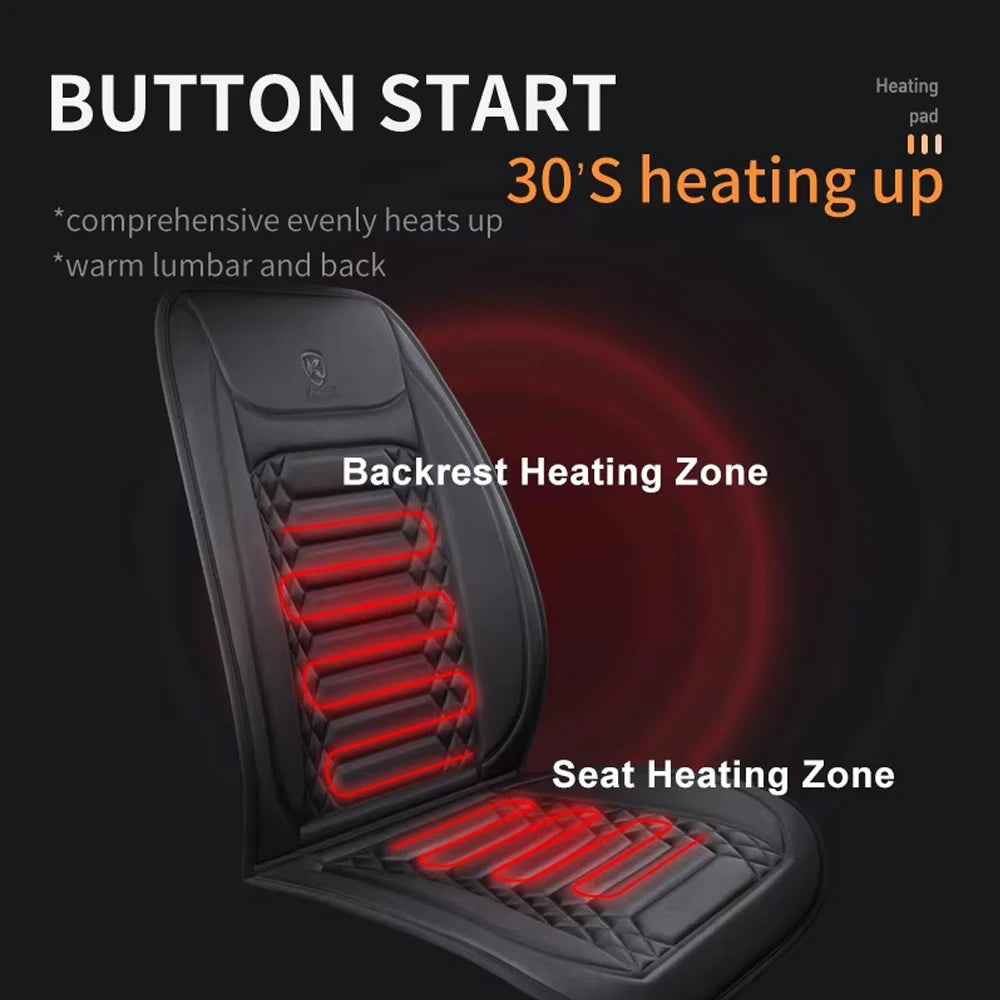
Heated seat elements hidden beneath upholstery bring fast comfort — See it in action
How Car Seat Heaters Deliver Instant Warmth
Unlike your car’s main heating system, which depends on engine heat, seat heaters generate warmth instantly using electricity. This allows them to heat up within seconds—even in very cold conditions.
Why They Heat Faster Than Cabin Heaters
- They don’t rely on engine warm-up time
- Heat is applied directly where your body contacts the seat
- Minimal energy loss compared to air-based heating
This direct-contact heating is why seat warmers feel faster and more efficient than traditional cabin heating systems.
Understanding the system helps you get the most out of every drive.
What Are Heated Seat Elements Made Of?
Heated seat systems use specialized materials that safely convert electricity into heat. The two most common types are metal wire elements and carbon fiber pads.
Carbon Fiber vs Metal Wire Heating Elements
- Metal wire elements: Traditional option that heats quickly but may wear unevenly over time
- Carbon fiber elements: Modern solution offering flexible design and even heat distribution
Most newer vehicles use carbon fiber because it is more durable, energy-efficient, and less prone to hot spots.
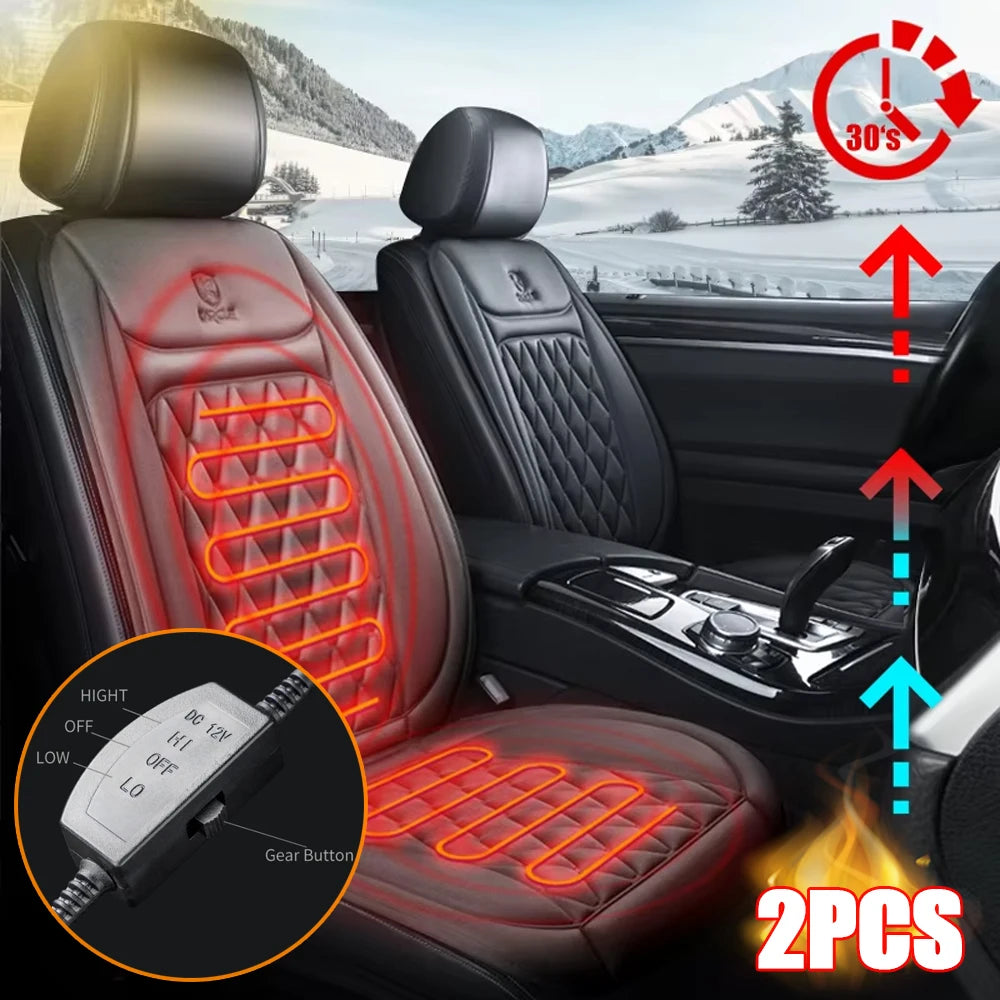
Layered heated seat elements create consistent warmth — See it in action
Do Car Seat Warmers Use Gas or Electricity?
Car seat heaters do not use gas. They operate entirely on electricity supplied by your vehicle’s battery and alternator.
- Power source: Vehicle electrical system
- No fuel combustion: No gasoline or diesel is burned
- Energy use: Minimal compared to cabin heating
This makes seat heaters an efficient way to stay warm without significantly affecting fuel consumption.
How Temperature Control and Safety Systems Work
Modern heated seats include built-in systems that regulate heat automatically to ensure consistent comfort and safety.
Thermostats and Sensors Explained
A thermostat continuously monitors seat temperature and adjusts electrical flow to maintain your selected heat level. Sensors detect excessive heat and reduce output when needed.
Built-In Safety Shutoffs
- Automatic shutoff after extended use
- Overheat protection systems
- Short-circuit prevention in wiring
These features prevent overheating, reduce electrical risks, and make heated seats safe for everyday use.
Smart control makes all the difference.
Are Heated Seats Safe? Benefits and Everyday Use
Heated seats are generally safe when used properly and offer both comfort and practical benefits during cold weather driving.
Benefits of Heated Seats in Cars
- Provides fast warmth on cold days
- Reduces reliance on full cabin heating
- Helps relax muscles during long drives
Who Should Use Heated Seats Carefully
- People with reduced heat sensitivity
- Those prone to skin irritation from prolonged heat
Using moderate settings and avoiding extended use on high heat helps ensure safe and comfortable operation.
Common Problems and Troubleshooting Heated Seats
Like any electrical system, heated seats can occasionally stop working or perform inconsistently.
Why Your Seat Heater Stops Working
- Damaged heating element inside the seat
- Blown fuse or wiring issue
- Faulty switch or control module
Repair vs Replacement Cost Insights
- Minor electrical repairs are usually affordable
- Replacing internal elements can be labor-intensive
- Heated seat covers offer a budget-friendly alternative
Early diagnosis can prevent more costly repairs and keep your system functioning properly.
OEM vs Aftermarket Heated Seat Systems
Heated seats can either come factory-installed (OEM) or be added later using aftermarket solutions.
Built-In vs Seat Covers: Key Differences
- OEM systems: Integrated design with consistent heating performance
- Aftermarket kits: Installed inside seats with similar results at lower cost
- Heated seat covers: Portable and easy to install but less uniform heating
Your choice depends on budget, installation preference, and desired comfort level.
Upgrade Options for Older Vehicles
If your vehicle doesn’t include heated seats, a simple solution is using a portable heated seat cover. These plug into your car’s power outlet and provide fast, adjustable warmth without permanent installation.
The heated car seat cover offers a practical upgrade with quick heating and easy setup for daily use.
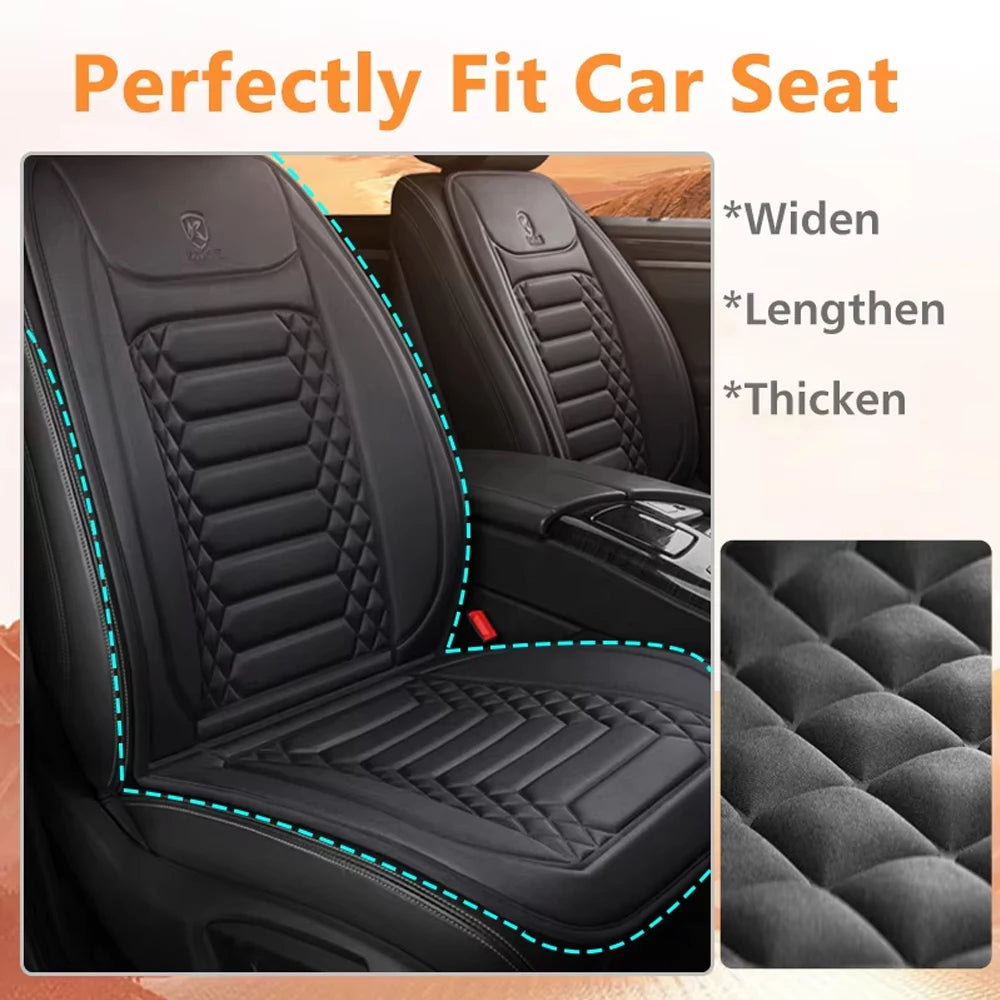
Portable heated seat solutions bring luxury anywhere — See it in action
Upgrade winter comfort in minutes with a heated car seat cover.
Quick Answers: Car Seat Heater FAQs
Are heated seats safe to use daily?
Yes, modern heated seats are designed for daily use with built-in temperature controls and safety systems.
How long do heated seat elements last?
They typically last many years and often match the lifespan of the vehicle when properly maintained.
Is a heated seat cover as effective as built-in heaters?
A quality heated seat cover can provide comparable warmth, though built-in systems may offer more even heat distribution.
Do heated seats drain the battery?
No, when the engine is running, the alternator supplies power. Battery drain is minimal and not a concern under normal use.
Can heated seats overheat?
Modern systems include sensors and automatic shutoffs to prevent overheating.
Are heated seats expensive to repair?
Costs vary. Minor fixes are affordable, but replacing internal heating elements can be more expensive due to labor.
Understanding how car seat heaters work helps you maximize comfort, avoid common myths, and choose the right solution for your vehicle. Whether factory-installed or added later, this simple technology delivers fast, efficient warmth every time you drive.
Related Guide: How to Warm Car Seats Fast on Cold Mornings













