

How Long Should You Wear a Bunion Corrector for Best Results?
Most people should start wearing a bunion corrector for 30–60 minutes per day and gradually increase use as their feet adjust. Many users eventually wear a corrector for 2–6 hours daily , while certain night splints may be worn for 6–8 hours during sleep when recommended and comfortable.
The best bunion corrector duration results come from consistent use rather than wearing the device for long periods immediately. Your ideal schedule depends on bunion severity, the type of corrector, skin sensitivity, and how your feet respond.
- Starting phase: 30–60 minutes daily
- Adjustment phase: 1–3 hours daily after your feet adapt
- Maintenance phase: 2–6 hours daily or overnight use for compatible splints
Wearing a bunion corrector too long too soon may cause pressure discomfort, skin irritation, numbness, or circulation problems. A gradual increase helps your feet adjust safely while supporting better long-term comfort.
⏱ 6 min read
How Long Should You Wear Bunion Correctors for Best Results
If your bunion feels irritated after walking, standing, or wearing certain shoes, you may wonder how long to wear bunion corrector to actually notice improvement. The answer depends on your foot condition and the type of corrector, but a gradual daily routine is usually more effective than forcing extended wear.
Explore the adjustable bunion corrector many people start with
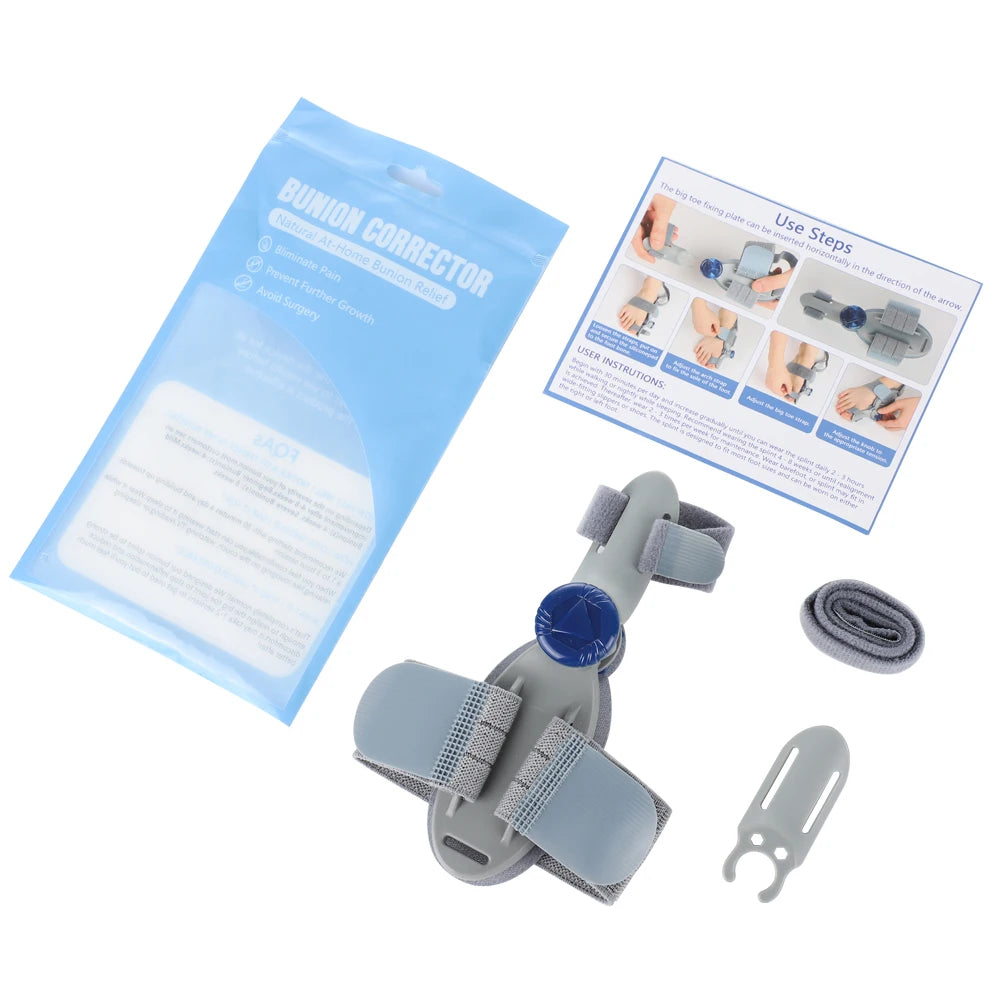
Adjustable bunion corrector in use for toe alignment adjustment See it in action
How Many Hours Should You Wear a Bunion Corrector Each Day?
Beginner wear schedule (Week 1–2)
Start with 30–60 minutes per day during the first week or two. Wearing the corrector while resting at home allows your feet to adapt without adding unnecessary pressure from long periods of walking.
A mild stretching sensation can be normal, but sharp pain, tingling, or numbness means you should remove the device and adjust the fit.
Intermediate wear schedule (Week 3–4)
If your feet tolerate the initial period well, increase wear time to approximately 1–3 hours daily . Many people begin using their bunion corrector during light activities, such as relaxing at home or short periods of indoor movement.
Long-term maintenance routine
Many users settle into a routine of 2–6 hours per day depending on comfort and the type of corrector. Night splints designed for sleeping may follow a different schedule and are often used overnight instead of during daytime activities.
| Phase | Wear Time | What to Expect |
|---|---|---|
| Week 1 | 30–60 minutes/day | Foot adjustment and mild stretching sensation |
| Week 2 | 1–2 hours/day | Improved comfort with regular use |
| Week 3–4 | 2–4 hours/day | Better tolerance during daily routines |
| Ongoing | Up to 6 hours/day or as tolerated | Consistent support and symptom management |
When to reduce or stop wearing it
Reduce wear time or stop using the corrector if you notice persistent pain, skin damage, pressure marks, numbness, or changes in circulation. Comfort should guide your routine more than a specific number of hours.
Learn how this adjustable bunion corrector fits into daily life
What Determines the Right Wear Time for Your Feet?
Severity of bunion alignment
Mild bunions often allow a quicker adjustment to daily wear, while moderate or advanced bunions may require shorter sessions at first. A gradual approach helps avoid unnecessary pressure on sensitive areas.
Type of bunion corrector used
The design of your device affects how many hours to wear bunion corrector each day. Soft sleeves and gel separators are generally easier to tolerate during daytime use, while rigid braces or night splints are usually intended for more controlled wear periods.
Comfort, skin condition, and circulation
A properly fitted corrector should provide support without restricting blood flow. Remove the device if you experience numbness, excessive pressure, unusual discomfort, or skin irritation.
Daily activity level
Your routine also affects wear time. A corrector that feels comfortable while sitting may feel different during walking or exercise. Start with low-impact activities before increasing use during more active parts of your day.
Daytime vs Nighttime Wear: Which Is More Effective?
When to wear during the day
Daytime wear is often better suited for flexible correctors, soft sleeves, and toe separators. These options can help reduce friction and pressure while allowing normal movement.
Can you wear a bunion corrector overnight?
Yes, some bunion correctors can be worn overnight, especially rigid night splints designed for sleeping. Overnight use may provide longer periods of gentle positioning, but the device should fit comfortably and should not cause pain or circulation issues.
Soft sleeves vs rigid night splints
| Type | Best Use | Typical Wear Time |
|---|---|---|
| Soft bunion sleeves | Daytime comfort and pressure reduction | Several hours as tolerated |
| Toe separators | Short daytime sessions or shoe support | Gradually increased use |
| Rigid night splints | Overnight positioning support | Usually during sleep |
Do Bunion Correctors Really Work? What the Evidence Says
Symptom relief vs structural correction
Bunion correctors are generally designed to provide support, improve comfort, reduce pressure, and encourage better toe positioning. They may help manage symptoms, but they typically do not permanently reverse an established bunion deformity.
What clinical studies show
Research on conservative bunion treatments suggests that supportive devices may help some people with pain reduction and short-term alignment improvement, especially when combined with appropriate footwear and foot care habits.
Who benefits most
People with mild to moderate symptoms, shoe pressure discomfort, or early alignment changes may find bunion correctors more helpful. Those with severe deformity or significant pain may need professional evaluation for additional treatment options.
Common Mistakes That Reduce Results
Wearing it too long too soon
Jumping directly into all-day use can create unnecessary pressure and discomfort. A gradual increase gives your feet time to adapt.
Using the wrong brace for your activity
A rigid night splint may not be practical for walking, while a soft daytime corrector may not provide the same support as a structured brace. Match the device to your routine.
Ignoring pain or skin irritation
Discomfort is a signal to reassess fit, positioning, and wear time. A bunion corrector should support your foot—not create new irritation.
When to See a Podiatrist Instead of Relying on a Bunion Corrector
Persistent pain
If bunion pain continues despite proper footwear and conservative care, a podiatrist can evaluate the condition and recommend appropriate treatment options.
Rapidly worsening deformity
Noticeable changes in toe position or increasing difficulty finding comfortable shoes may require professional assessment.
Difficulty walking
If your bunion affects normal movement, balance, or daily activities, medical guidance may provide a clearer treatment plan than relying only on a corrector.
FAQ
How long should you wear a bunion corrector each day?
Most people start with 30–60 minutes daily and gradually increase to 2–6 hours depending on comfort, device type, and foot sensitivity.
Can you wear a bunion corrector overnight?
Yes, some night splints are designed for overnight use. They should fit comfortably and should not cause numbness, pain, or circulation problems.
How often should you use a bunion corrector?
Consistency is usually more important than long sessions. Many people use them daily or several times per week depending on their goals and comfort level.
How long before a bunion corrector works?
Some people notice improved comfort within weeks, while alignment changes and long-term benefits may require consistent use over several months. Results vary depending on bunion severity and device design.
Can wearing a bunion corrector too long be harmful?
Yes. Excessive wear or an improper fit may cause discomfort, skin irritation, numbness, or pressure problems. Increase wear time gradually and adjust when needed.
Should you wear a bunion corrector while walking?
Some flexible correctors are suitable for light walking, while rigid braces may be better during rest or sleep. Follow the device instructions and prioritize comfort.













