

How Tight Should a Ski Helmet Be?
Direct answer: A ski helmet should feel snug against your entire head without causing pain. It should sit level about one finger-width above your eyebrows, stay in place when you rotate or shake your head before fastening the chin strap, and create even contact around your head with no pressure points or gaps. If you develop a headache within a few minutes, the helmet is likely too tight or the wrong shape. If it slides independently of your head, it's too loose.
⏱ 7 min read
How Tight Should a Ski Helmet Be: Step-by-Step Fit Guide for Safety & Comfort
Ever had a great snow day ruined by pressure on your forehead, fogged goggles, or a helmet that just never feels right? You're not alone. Many skiers assume discomfort is normal, but it's usually a sign of poor sizing, incorrect adjustment, or a helmet shape that doesn't match your head. Once you understand how tight a ski helmet should be, you'll enjoy better protection, warmer rides, clearer vision, and more comfort from the first lift to the final run.
Explore a helmet designed for comfort and clear vision
Quick question: Does your helmet stay put when you gently shake your head before fastening the chin strap, or does it slide around? That simple test often tells you whether your fit is correct.
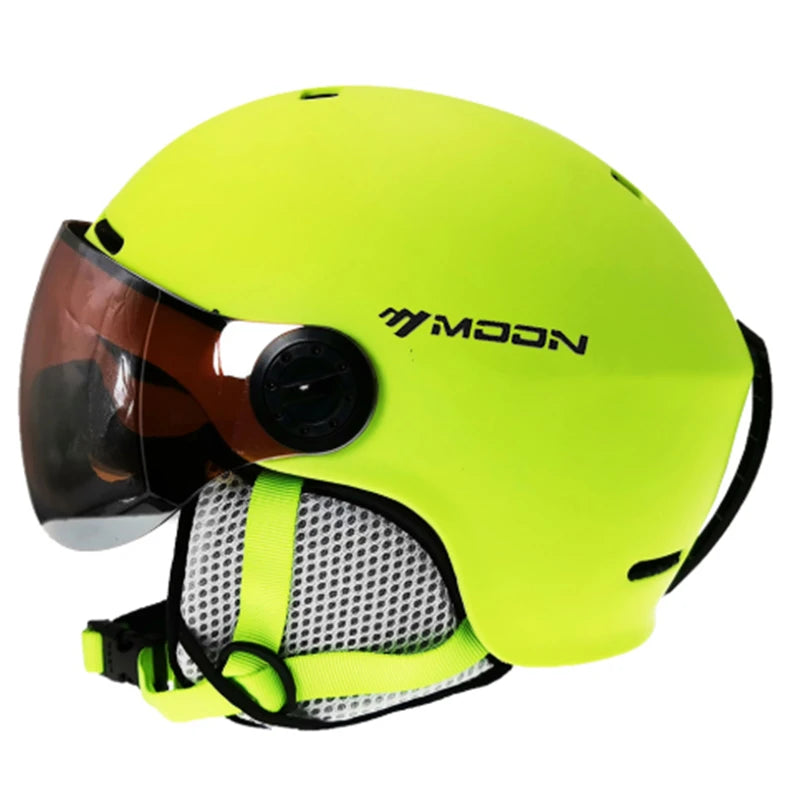
A properly fitted helmet improves comfort and airflow — See it in action
Why Proper Ski Helmet Fit Matters
A properly fitted ski helmet protects you only when it stays in the correct position during a fall. Beyond impact protection, the right ski helmet fit also improves comfort, keeps goggles aligned, and helps regulate airflow throughout the day.
- Maintains helmet stability during falls and sudden movements.
- Reduces forehead pressure, hot spots, and headaches.
- Improves ventilation to minimize goggle fogging.
- Keeps warmth consistent without blocking airflow.
- Helps you stay focused and comfortable during long sessions.
Even a certified helmet cannot perform as intended if it's the wrong size or worn incorrectly. For more information about safety standards, see Ski Helmet Safety Certifications Explained .
How to Measure Your Head for a Ski Helmet
Where to Place the Measuring Tape
Accurate ski helmet measurement starts with your head circumference.
- Use a flexible tape measure.
- Wrap it around the widest part of your head, approximately 1 cm above your eyebrows and just above your ears.
- Keep the tape level all the way around.
- Record the measurement in centimeters.
Measure your head with the hairstyle you normally wear while skiing. Avoid measuring over thick hats or balaclavas.
How to Compare Measurements with Sizing Charts
Every manufacturer uses slightly different ski helmet sizing, so always compare your head measurement with that brand's size chart instead of relying only on Small, Medium, or Large labels.
- If your measurement falls near the middle of a size, that size is usually the best choice.
- If you're between sizes, try both whenever possible and choose the one that provides even pressure without painful spots.
- Use the retention dial for fine adjustments rather than sizing up dramatically.
Ski Helmet Sizing Explained: Find Your Proper Size
Understanding how to size a ski helmet makes choosing the proper ski helmet size much easier.
How Retention Systems Affect Fit
Most modern helmets include a rear retention dial that fine-tunes the fit. The dial should improve stability but should never compensate for a shell that's clearly too large or too small.
- Shell: Determines the overall fit range.
- Liner: Cushions your head and provides even contact.
- Retention dial: Fine-tunes stability.
- Chin strap: Keeps the helmet secured during impacts.
Youth vs Adult Sizing Considerations
Children should always wear youth-specific helmets that match their current head size rather than buying oversized helmets to "grow into." Adults should prioritize a precise fit that remains stable throughout the day.
A complete ski helmet fit guide also includes checking compatibility with goggles and winter layers before your first trip.
Step-by-Step Ski Helmet Fit Guide
Direct answer: A properly fitted ski helmet should feel secure before fastening the strap, maintain even pressure around your head, and work comfortably with your goggles and cold-weather layers.
Step 1: Position the Helmet Correctly
Place the helmet level on your head so the front edge sits approximately one finger-width above your eyebrows. It should fully protect your forehead without blocking your vision.
Step 2: Test Overall Snugness and Pressure Points
Before fastening the chin strap, gently rotate your head left, right, forward, and backward.
- Your scalp should move with the helmet.
- The helmet should not slide independently.
- You should feel firm, even pressure around your head.
- There should be no sharp pain on the forehead or temples after wearing it for several minutes.
Step 3: Adjust the Retention System and Chin Strap
Tighten the rear dial until the helmet feels secure. Fasten the chin strap so one to two fingers fit comfortably between the strap and your chin. Repeat the movement test to confirm the helmet remains stable.
Step 4: Check Goggle and Balaclava Compatibility
Put on your ski goggles and any thin balaclava or helmet liner you normally wear. The goggles should meet the helmet without creating a noticeable "gaper gap," and neither accessory should introduce uncomfortable pressure points.
Step 5: Final Self-Check Before Skiing
| Checkpoint | What to Look For | Pass? |
|---|---|---|
| Helmet position | Level and one finger above eyebrows | ✓ |
| Movement test | Helmet moves with your head before straps are fastened | ✓ |
| Pressure | Even contact with no painful spots after 5–10 minutes | ✓ |
| Chin strap | One to two fingers fit underneath | ✓ |
| Goggles | No forehead gap and minimal fogging | ✓ |
Learn step by step with a helmet built for easy adjustment
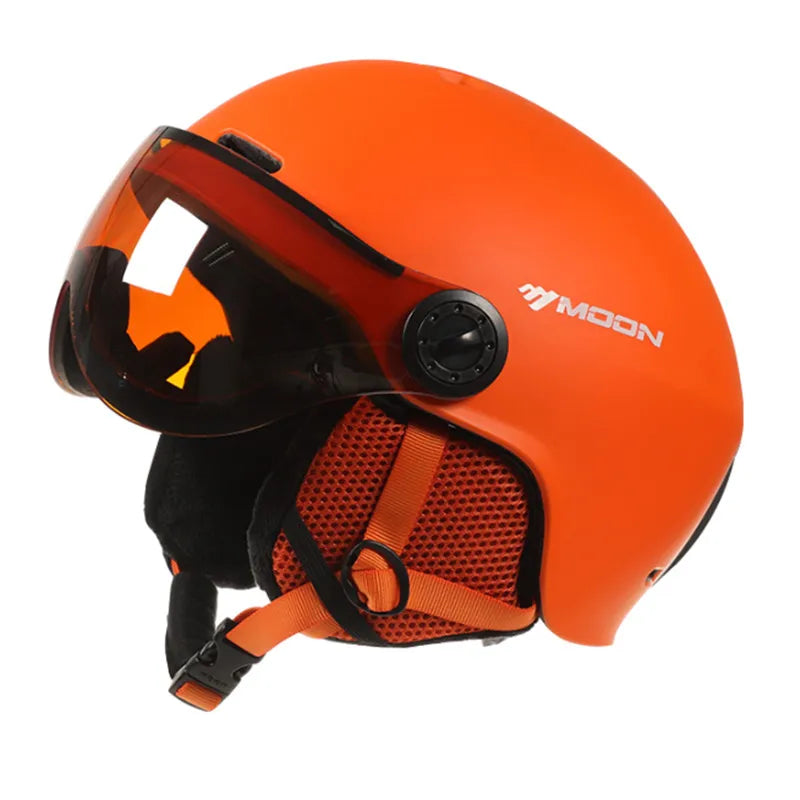
Balanced fit and airflow reduce fatigue — See it in action
How to Tell If Your Ski Helmet Is Too Loose or Too Tight
| If Your Helmet... | Likely Problem | Recommended Action |
|---|---|---|
| Slides when you shake your head | Too loose | Tighten the retention dial or try a smaller size. |
| Creates painful pressure within minutes | Too tight or wrong shell shape | Try the next size or a different helmet model. |
| Leaves minor marks that disappear quickly | Usually normal | Monitor comfort during longer wear. |
| Causes numbness or persistent headaches | Excessive pressure | Replace with a better-fitting size or shape. |
If multiple adjustments fail to improve comfort, the issue may be the helmet's internal shape rather than its size. Different brands fit round, intermediate, and oval head shapes differently.
Common Ski Helmet Fit Mistakes to Avoid
| Common Mistake | Why It's a Problem | Solution |
|---|---|---|
| Choosing a helmet that's too large | Helmet shifts during impacts | Select the correct shell size before tightening the dial. |
| Wearing the helmet too high | Forehead remains exposed | Position it level above the eyebrows. |
| Leaving the chin strap loose | Helmet can move during a fall | Adjust until one to two fingers fit underneath. |
| Ignoring goggle compatibility | Creates gaps and increases fogging | Test helmet and goggles together before skiing. |
| Using thick hats underneath | Changes helmet fit and reduces stability | Use a thin helmet liner or balaclava instead. |
Extra Tips for All-Day Comfort & Performance
- Expect new helmet padding to compress slightly after several days of normal use, but not dramatically.
- Avoid bulky beanies under your helmet because they interfere with proper fit.
- Adjust vents as temperatures and activity levels change throughout the day.
- Repeat a quick fit check every morning before skiing.
- Inspect your helmet after any significant impact and review When to Replace a Ski Helmet if you're unsure whether it should be retired.
- Improve your setup further with How to Choose Ski Goggles That Fit Your Helmet and Essential Ski Safety Tips for Beginners .
- Explore Lifestyle gear and Eye Care Blog tips for optimal mountain performance.
Get yours now — limited stock!
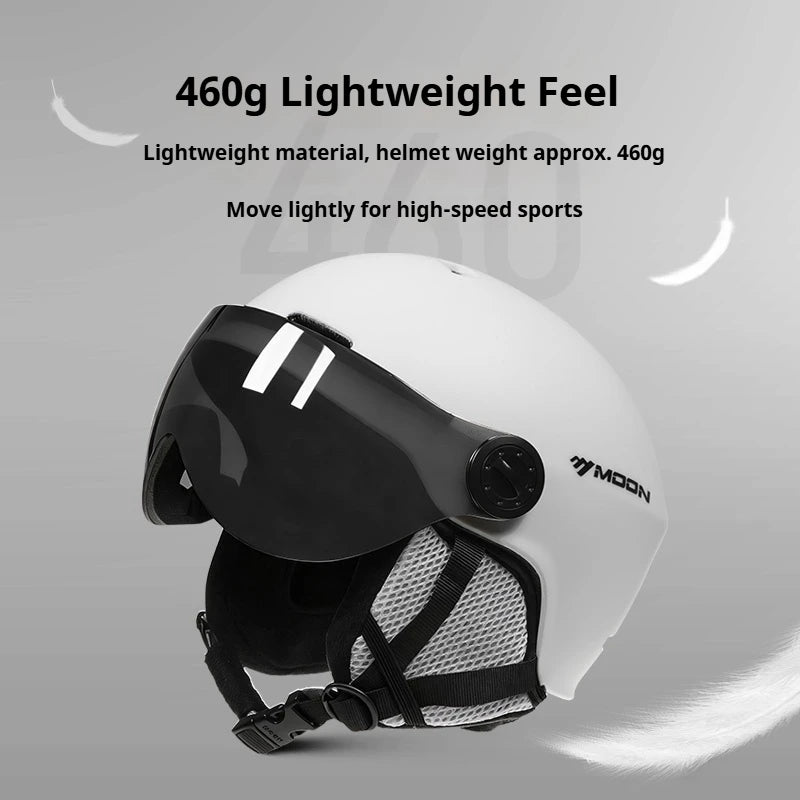
Confidence starts with the right fit — See it in action
Frequently Asked Questions About Ski Helmet Fit
Should a ski helmet feel tight at first?
Yes. It should feel snug with even pressure but should never cause pain or headaches. The padding will compress slightly with regular use.
How do I know if my ski helmet is too loose?
If it shifts independently when you shake your head before fastening the chin strap or rocks during skiing, it's too loose.
Can I wear a beanie under a ski helmet?
It's better to wear a thin helmet liner or balaclava. Thick beanies can interfere with the intended fit and reduce protection.
Should ski goggles touch the helmet without a gap?
Yes. Properly matched goggles and helmets should fit closely together without a noticeable forehead gap while maintaining good airflow.
What should I do if I am between ski helmet sizes?
Try both sizes if possible. Choose the one with even pressure and use the retention dial for small adjustments rather than relying on the dial to compensate for an oversized shell.
Do ski helmets break in over time?
The comfort padding compresses slightly, but the protective shell does not stretch. A painfully tight helmet rarely becomes comfortable enough with use.
How often should I check my helmet fit?
Check the fit at the beginning of every ski season, after adjusting winter layers, and after any significant impact.
When should I replace my ski helmet?
Replace your helmet after a significant impact, if it shows visible damage, or according to the manufacturer's recommended replacement interval, even if no damage is obvious.













