
Yes! You can alleviate muscle soreness quickly using proven home tools like full-body massage mats, heat therapy pads, and vibration devices. Combined with gentle movement, proper hydration, quality sleep, and balanced nutrition, these recovery strategies can help soothe sore muscles at home, relieve full body tension, and support faster recovery without the need for frequent spa visits.
How to Alleviate Muscle Soreness Fast with These Proven Home Tools
⏱ 7 min read
Whether your muscles ache after an intense workout, a weekend hike, or hours at a desk, soreness can make everyday activities uncomfortable. Fortunately, most muscle soreness improves with evidence-based recovery techniques. In this guide, you'll learn how to alleviate muscle soreness , understand when soreness is normal, discover the best ways to soothe sore muscles at home , and choose recovery tools that help you get back to feeling your best.
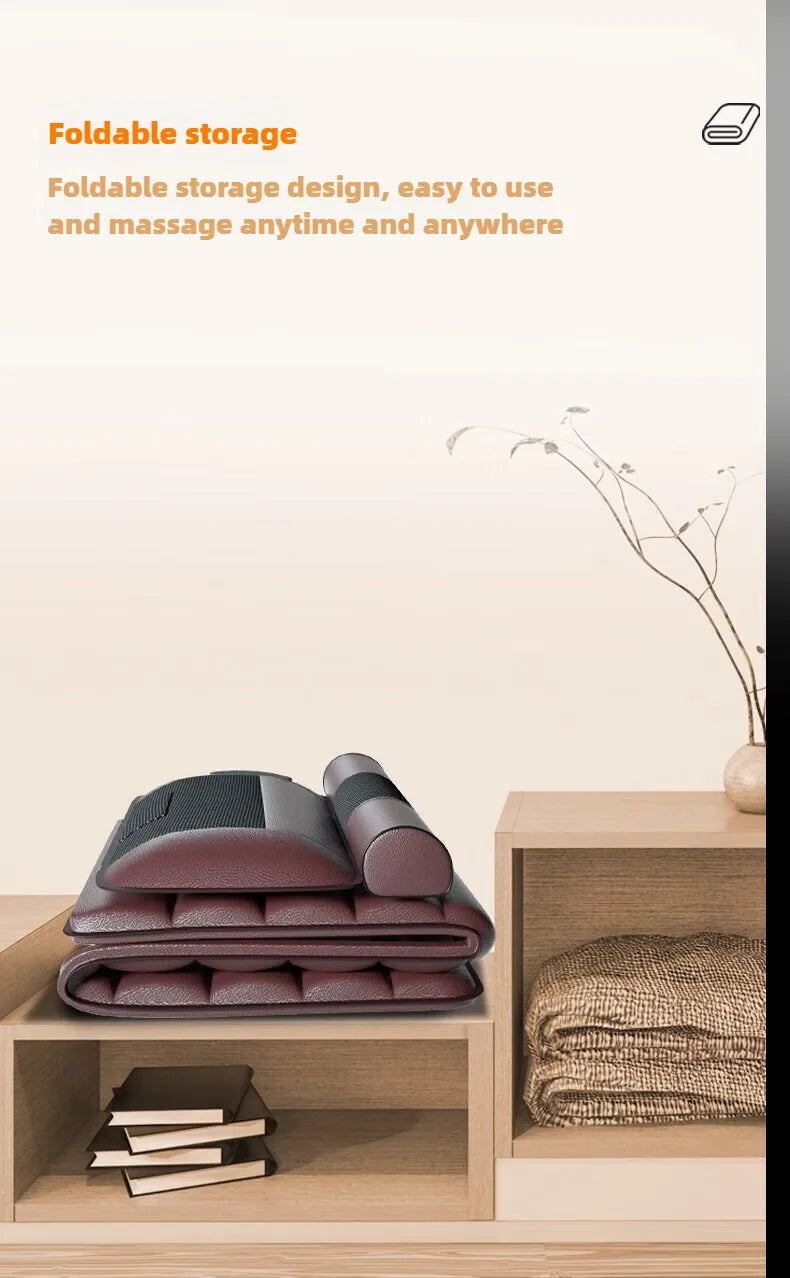
See it in action: alleviate muscle soreness and soothe sore muscles at home with KentDO.
Why Muscles Get Sore: Understanding DOMS vs Muscle Injury
What Causes Delayed Onset Muscle Soreness (DOMS)?
Most post-workout soreness is caused by delayed onset muscle soreness (DOMS) , which typically develops 12–24 hours after unfamiliar or intense exercise. Tiny microscopic changes in muscle fibers trigger a natural repair process, leading to temporary stiffness, tenderness, and reduced range of motion.
Common causes include:
- High-intensity strength training
- New exercise routines or increased training volume
- Long hikes, sports, or repetitive physical work
- Extended periods of poor posture or inactivity followed by movement
DOMS vs Muscle Strain: Key Differences
DOMS usually affects both sides of the body, develops gradually, and improves within a few days. A muscle strain, however, often causes sudden sharp pain during activity, swelling, bruising, or difficulty bearing weight. Recognizing the difference helps you choose the right recovery approach.
How Long Muscle Soreness Normally Lasts
Mild soreness often improves within 24–48 hours, while moderate soreness may last up to 72 hours. Very intense exercise or returning after a long break can extend recovery to five days, but symptoms should steadily improve rather than worsen.
How to Alleviate Muscle Soreness Fast
Best Recovery Methods Ranked by Evidence
- Light active recovery such as walking or cycling
- Massage or self-myofascial release
- Heat therapy for muscle relaxation
- Adequate sleep and hydration
- Balanced nutrition with sufficient protein
- Gentle stretching after muscles have warmed up
What to Do in the First 24 Hours
Stay lightly active instead of remaining completely inactive. Gentle walking, mobility exercises, hydration, and a short massage session often reduce stiffness better than prolonged bed rest. If soreness follows a minor strain or acute injury, cold therapy may help during the initial phase.
Recovery at 48–72 Hours
As inflammation subsides, heat therapy, massage, and foam rolling become increasingly beneficial for restoring circulation, reducing tightness, and improving flexibility. Continue exercising only at a reduced intensity if movement remains comfortable.
When Recovery Takes Longer Than Expected
If soreness persists beyond several days without improvement, becomes progressively worse, or interferes with daily activities, consider reducing training volume and consulting a healthcare professional.
Best Ways to Soothe Sore Muscles at Home
Active Recovery and Gentle Movement
Easy movement encourages blood circulation without placing excessive stress on recovering muscles. Walking, swimming, gentle cycling, or yoga are excellent options.
Heat vs Cold Therapy: Which Should You Choose?
Cold therapy is generally most useful immediately after an acute injury or significant inflammation. Heat therapy is often preferred for typical DOMS because it relaxes muscles, improves circulation, and reduces stiffness.
Massage and Foam Rolling
Massage and foam rolling may reduce perceived soreness while improving mobility. Spend 30–60 seconds on each major muscle group using comfortable pressure rather than aggressive rolling.
Stretching and Mobility Exercises
Gentle stretching is most effective after muscles have warmed up. Focus on:
- Hamstrings and calves
- Hip flexors and quadriceps
- Neck and shoulders
- Lower back and spinal mobility
Sleep, Hydration and Nutrition for Recovery
Recovery depends on more than massage alone. Aim for consistent sleep, drink enough fluids throughout the day, consume protein after exercise to support muscle repair, and include potassium- and magnesium-rich foods alongside colorful fruits and vegetables that provide antioxidants.
Tools That Help Relieve Muscle Soreness
Home recovery devices can complement—not replace—good recovery habits. Choosing the right tool depends on where soreness occurs and how intense it feels.
Best Massage Mat for Sore Muscles
A full-body massage mat is ideal for people who experience widespread muscle fatigue after workouts, travel, or long workdays. Features commonly include vibration, gentle kneading, multiple massage zones, and optional heat.
The KentDO Full Body Massage Mattress offers:
- Multi-zone vibration massage for the neck, back, hips, and legs
- Integrated heat therapy for additional relaxation
- Adjustable intensity levels
- Remote-controlled convenience for everyday recovery

Experience full-body relaxation and relieve full body tension with KentDO.
Massage Guns and Percussion Devices
Massage guns work well for athletes or anyone with localized muscle knots. Their concentrated percussion helps temporarily reduce muscle tightness and may improve range of motion before or after exercise.
Heating Pads and Infrared Heat
Heating pads are simple, affordable tools for easing muscle stiffness. Infrared heat products may provide more even warmth over larger muscle groups, making them useful for back, hip, or leg soreness.
Compression and Recovery Accessories
Compression sleeves, recovery boots, and supportive wraps may reduce feelings of fatigue after prolonged activity, especially for runners or individuals who stand for long hours.
Recovery Timeline by Soreness Severity
Mild Soreness
Recovery usually occurs within 24–48 hours with light activity, hydration, and quality sleep.
Moderate Soreness
Expect improvement over two to three days. Massage, heat therapy, and mobility exercises can help reduce stiffness during recovery.
Severe Soreness
Recovery may require several days. If pain worsens, significant swelling develops, or normal movement becomes difficult, medical evaluation is appropriate.
Prevent Muscle Soreness Before It Starts
Warm-Up and Cool-Down
Spend 5–10 minutes preparing muscles before exercise and gradually lower intensity afterward.
Training Progression
Increase workout intensity gradually instead of making sudden jumps in weight, duration, or volume.
Protein and Hydration
Meeting daily protein needs and replacing fluids lost through sweat supports muscle repair and overall recovery.
Recovery Between Workouts
Alternate muscle groups, schedule rest days, and prioritize sleep to avoid excessive fatigue and overtraining.
When Muscle Soreness May Need Medical Attention
Red-Flag Symptoms
- Severe swelling or bruising
- Sharp pain during movement
- Loss of strength or inability to bear weight
- Dark urine after intense exercise
- Persistent symptoms lasting more than a week
When to See a Healthcare Professional
If soreness follows a traumatic injury, significantly limits movement, or fails to improve with conservative care, seek medical evaluation to rule out muscle tears or other conditions.
Frequently Asked Questions
What is the fastest way to alleviate muscle soreness?
Combining light movement, massage, heat therapy, hydration, adequate sleep, and balanced nutrition generally produces the fastest recovery for typical DOMS.
How can I soothe sore muscles at home naturally?
Walking, gentle stretching, warm baths, foam rolling, and maintaining good hydration are among the most effective home remedies for muscle soreness.
Does a massage mat help relieve sore muscles?
Yes. Massage mats can help reduce muscle tightness, improve relaxation, and temporarily relieve soreness, especially when combined with other healthy recovery habits.
Should I use heat or ice for muscle soreness?
Ice is often more appropriate immediately after an acute injury, while heat is generally preferred for typical post-workout muscle stiffness and DOMS.
How long does DOMS usually last?
Most people recover within one to three days, although very intense exercise may cause soreness lasting up to five days.
Can I work out while my muscles are sore?
Yes, if soreness is mild. Reduce exercise intensity, avoid training the same muscle group aggressively, and prioritize good recovery practices.
What foods help muscle soreness recover faster?
Protein-rich foods, whole grains, fruits, vegetables, dairy products, nuts, seeds, and foods containing magnesium and potassium support muscle recovery.
When should muscle soreness be evaluated by a doctor?
Seek medical advice if pain is severe, follows an injury, continues worsening, causes significant weakness, or is accompanied by swelling, fever, or dark urine.
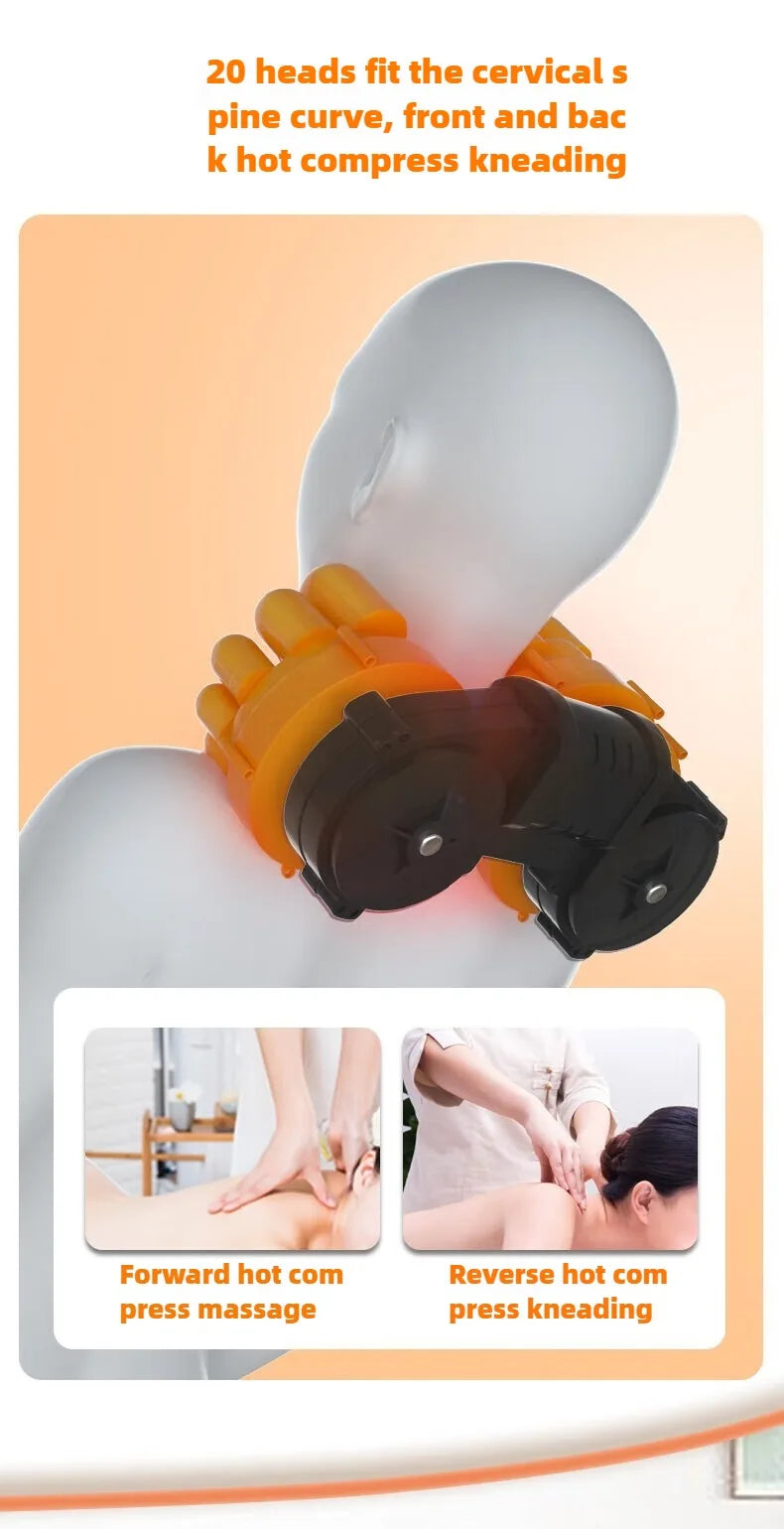
Soothe sore muscles at home and relieve full body tension with a consistent recovery routine.
Recovering from sore muscles doesn't require complicated treatments. Understanding how DOMS works, staying active, using heat or massage appropriately, eating well, and getting enough sleep all contribute to faster recovery. Home tools such as the KentDO Full Body Massage Mattress can complement these habits by providing convenient, relaxing muscle relief whenever you need it.
Related Articles:
- Relieve Full Body Tension—The Secret to Better Sleep Every Night
- Foldable Double Bed Comfort Review—Worth the Investment?
- Foldable Bed Full Size Guide—Comfort Meets Portability
- Best Relaxation Exercises You Can Do in Bed Tonight
Pillar Articles:













