
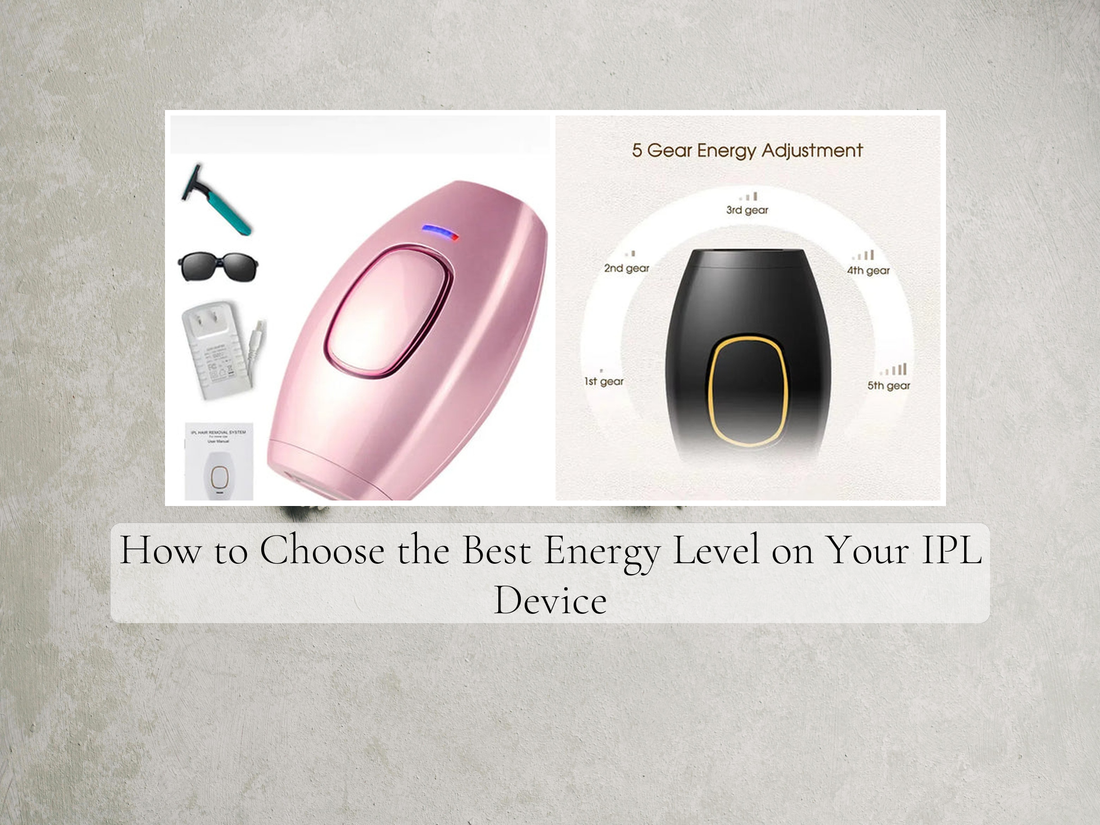
IPL Intensity Levels Chart: How to Choose the Right IPL Settings for Your Skin Tone (2026 Guide)
Quick Answer: What IPL Intensity Level Should You Use?
The right IPL intensity level depends on your skin tone, hair color, and treatment area. Most users should start at a low level (Level 1–2) and gradually increase as their skin builds tolerance.
Beginner-safe IPL level recommendations
- Light skin + dark hair: Level 3–5
- Medium skin tone: Level 2–4
- Darker skin tone: Level 1–2 (or avoid if not supported)
- Sensitive areas (face, bikini): Start at Level 1–2
Quick skin tone + hair color cheat sheet
- Best results: High contrast (light skin + dark hair)
- Moderate results: Medium contrast
- Not effective: Very light, red, gray hair
Optimize your results and protect your skin with the right IPL hair removal energy level.
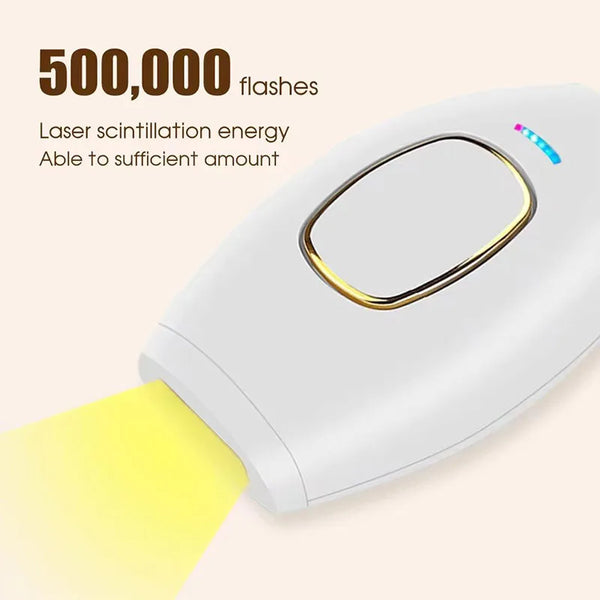
💡 Understanding IPL energy levels for safe, effective hair removal
IPL Intensity Levels Chart (Skin Tone + Hair Color Guide)
Fitzpatrick skin type chart for IPL
- Type I: Very fair skin — Always burns, never tans
- Type II: Fair skin — Burns easily, tans poorly
- Type III: Medium skin — Sometimes burns, gradually tans
- Type IV: Olive skin — Rarely burns, tans easily
- Type V: Brown skin — Very rarely burns
- Type VI: Dark brown/black skin — Never burns
IPL energy levels by skin tone (Level 1–5 explained)
- Level 1: Very gentle — suitable for sensitive or darker skin tones
- Level 2: Low intensity — beginners and delicate areas
- Level 3: Moderate — most common starting point
- Level 4: High — effective for thicker hair
- Level 5: Maximum — only for light skin with dark hair
Safe vs unsafe combinations
- Safe: Light skin + dark hair (high contrast)
- Use caution: Medium skin tones at moderate levels
- Unsafe: Dark skin + high IPL levels (risk of burns)
- Ineffective: Light blonde, red, or gray hair
What Are IPL Intensity Levels and How Do They Work?
IPL intensity levels refer to the amount of light energy emitted during each pulse. Higher levels deliver stronger light energy, which targets melanin in hair follicles more effectively—but also increases the risk of skin irritation if used incorrectly.
Each level (typically 1–5) represents a different energy output. Lower levels are safer for sensitive skin, while higher levels are more effective for coarse, dark hair.
- Low levels: Safer, less aggressive, slower results
- Medium levels: Balanced safety and effectiveness
- High levels: Faster results but higher risk if misused
Learn more about the full process in our guide on how IPL hair removal works.
How to Choose the Right IPL Settings for Your Skin Tone
Use a skin tone chart (Fitzpatrick scale)
Your skin tone determines how much light your skin can safely absorb. Always refer to a skin tone chart or your device’s built-in sensor before selecting a level.
Hair color and thickness impact
Darker, thicker hair absorbs more light energy, making higher levels more effective. Fine or lighter hair may require more sessions but lower intensity for safety.
Treatment area adjustments (face vs body)
Different areas of the body have varying sensitivity levels. Facial skin requires lower intensity, while legs and arms can tolerate higher settings.
See our detailed IPL skin tone compatibility guide for more insights.
IPL Settings by Body Area (Face, Legs, Bikini, Underarms)
Sensitive areas vs thick skin
- Face: Very sensitive — use Level 1–2
- Bikini line: Sensitive — use Level 1–3
- Underarms: Moderate sensitivity — use Level 2–3
- Legs: Thicker skin — use Level 3–5
Recommended levels by zone
- Upper lip: Level 1–2 only
- Arms: Level 2–4
- Chest/back: Level 3–5
- Full legs: Level 3–5 for faster results
For best results, follow a consistent schedule outlined in our guide on how often to use IPL.
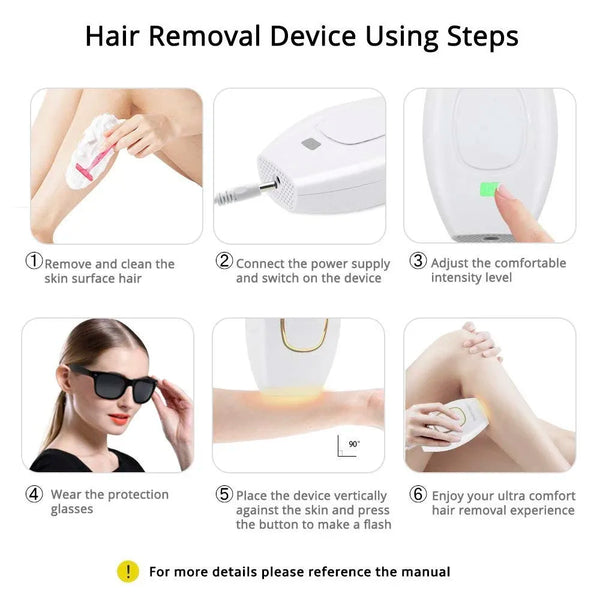
✨ Match your skin tone and hair color to the right IPL level
How to Safely Test and Increase IPL Intensity Levels
Patch testing step-by-step
- Choose a small area of skin
- Start at Level 1
- Wait 24 hours
- Check for redness or irritation
- If no reaction, increase one level
When to increase intensity
Only increase your IPL level if your skin shows no signs of irritation after multiple sessions. Gradual progression helps minimize risks while improving effectiveness.
Signs your IPL level is too high
- Persistent redness or burning sensation
- Skin sensitivity lasting more than 24 hours
- Dark spots or irritation
Read more in our safety guide: IPL side effects and safety tips.
Common IPL Intensity Mistakes to Avoid
- Starting at the highest level too quickly
- Ignoring your skin tone compatibility
- Using the same level on all body areas
- Skipping patch testing
- Increasing intensity too frequently
Real Results: What Happens When You Use the Right IPL Level
When you choose the correct IPL intensity level, you can expect gradual but noticeable hair reduction within a few weeks. Hair grows back finer, slower, and less dense over time.
Consistent use at the right level helps achieve long-term smooth skin without irritation, ingrown hairs, or razor burns.
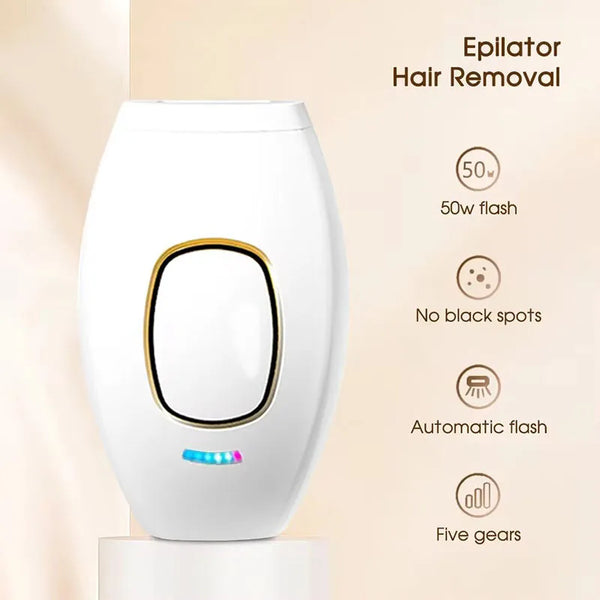
💎 KentDO IPL device – professional results at home
Frequently Asked Questions About IPL Levels
What happens if IPL intensity is too high?
Using an IPL level that is too high can cause skin irritation, redness, or burns. Always start low and increase gradually.
Which IPL level is best for beginners?
Beginners should start at Level 1 or 2 and slowly increase based on skin tolerance.
Can I use different IPL levels on different body parts?
Yes. Sensitive areas require lower levels, while thicker skin areas like legs can tolerate higher intensity.
Conclusion: How to Choose the Best IPL Energy Level for Safe Results
Choosing the right IPL intensity level is essential for both safety and effectiveness. By matching your skin tone, hair color, and treatment area with the correct level, you can achieve smoother skin while minimizing risks.
Start low, test carefully, and increase gradually—this approach delivers the best long-term IPL hair removal results.
Pillar Article: Laser vs IPL Hair Removal - What’s the Best for You
Other Related Articles:













