

How can you clean windows without a ladder?
How to clean windows without a ladder starts with choosing tools that let you work safely from the ground or inside your home. Telescoping poles, magnetic window cleaners, water-fed pole systems, and automated window-cleaning devices all reduce the need to climb. The safest approach is to match the cleaning method to your window type, avoid overreaching, and keep both feet on stable ground whenever possible.
How to Clean Windows Safely Without Ladders or Risky Moves
⏱ 6 min read
Have you ever leaned just a little too far while wiping a window and felt that split-second panic? Learning how to clean windows safely without ladders helps you achieve spotless glass while avoiding unnecessary fall risks. Whether you're cleaning first-floor windows, second-story glass, or large picture windows, modern ladder-free solutions make the job safer, easier, and more efficient.
Explore safer, ladder-free window cleaning options today

Safer methods for cleaning windows without ladders. See it in action.
Prepare Before You Start
Safety Checklist
- Wear slip-resistant shoes with good grip.
- Use protective gloves for better control and hand protection.
- Avoid cleaning during rain, strong winds, or freezing conditions.
- Keep children, pets, and obstacles away from your work area.
- Never stand on chairs, furniture, or unstable platforms.
DIY Cleaning Solution and Supplies
Most windows can be cleaned using warm water mixed with a few drops of dish soap. Pair the solution with a microfiber pad, quality squeegee, bucket, and lint-free microfiber cloth for drying edges. Having everything ready before you begin reduces unnecessary movement while cleaning.
Inspect Windows and Surrounding Area
Before cleaning, inspect the window frame, locks, screens, and nearby landscaping. Remove loose debris and check for cracked glass or damaged seals. This quick inspection helps prevent accidents and allows you to choose the safest window cleaning method.
Tools for Cleaning Windows Without a Ladder
Telescopic Poles and Squeegees
Extendable poles remain one of the most effective tools for cleaning windows without a ladder. They allow you to clean upper windows from ground level while maintaining good balance. Ideal for routine exterior cleaning.
Microfiber pads lift dirt without scratching glass and are excellent for applying cleaning solution evenly. Many extension systems let you swap between microfiber heads, scrubbers, and squeegees without changing poles.
Magnetic Window Cleaners
Magnetic cleaners simultaneously clean both sides of compatible windows, making them useful for apartments and fixed windows where outside access is limited. Choose a model designed for your glass thickness for best performance.
Water-Fed Poles and Hose Attachments
Water-fed poles combine soft brushes with continuous water flow to rinse away dirt while keeping you safely on the ground. They work particularly well for large exterior windows with light to moderate buildup.
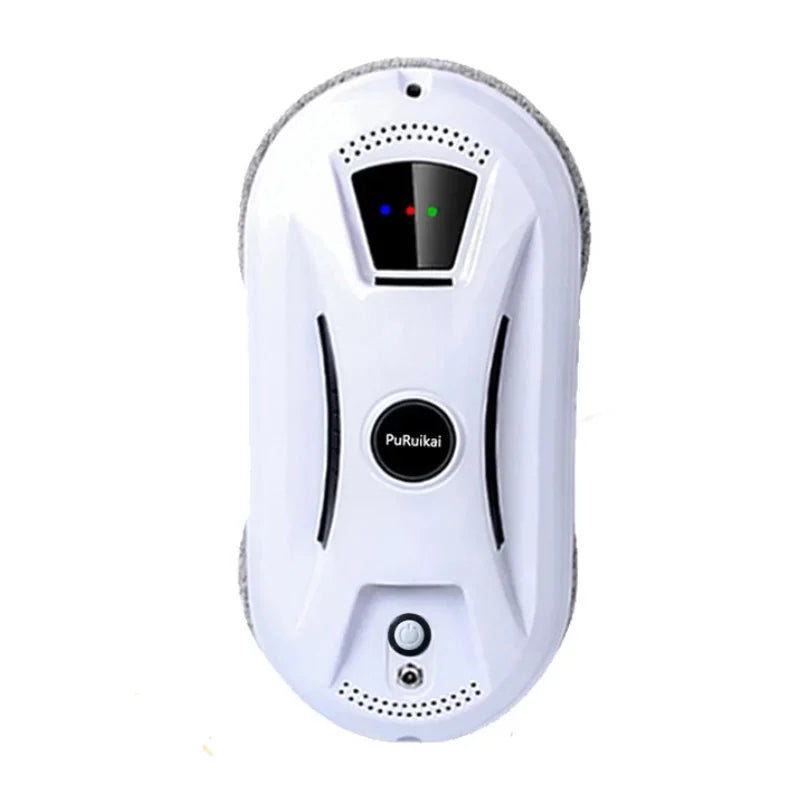
Window-Cleaning Robots
Automated window-cleaning robots attach securely to glass and clean using programmed movements. They can reduce manual effort for large windows but still require proper setup and supervision according to the manufacturer's instructions.
Learn how automated window cleaning works at home
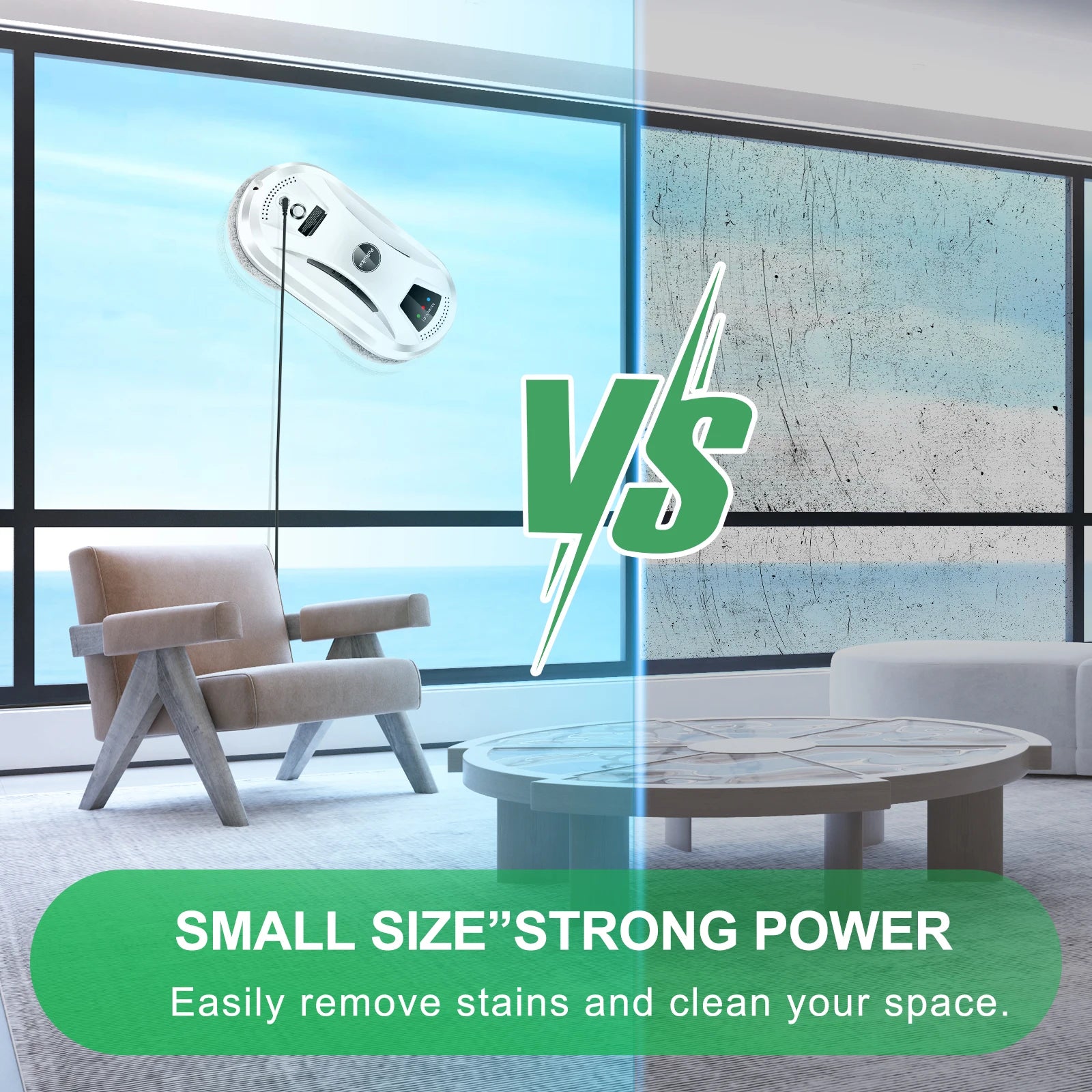
Avoid dangerous window cleaning with ladder-free tools. See it in action.
Step-by-Step Methods for Ladder-Free Window Cleaning
Method 1: Clean from the Ground with Extension Tools
- Attach a microfiber pad or squeegee to a telescopic pole.
- Apply cleaning solution from top to bottom.
- Clean using overlapping vertical strokes.
- Finish with a squeegee and wipe edges using a microfiber cloth.
Method 2: Use a Magnetic Window Cleaner
- Clean loose dirt from both glass surfaces.
- Place each magnetic half on opposite sides of the glass.
- Move slowly to ensure both sides clean evenly.
- Finish corners with a microfiber cloth if needed.
Method 3: Wash Exterior Windows with a Water-Fed Pole
- Connect the pole to your water source.
- Brush away dirt gently using smooth motions.
- Allow clean water to rinse the glass thoroughly.
- Let the window air dry for minimal streaking.
Method 4: Clean Safely from Inside
- Open removable or sliding windows where possible.
- Clean exterior-facing surfaces using long-handled tools.
- Work one pane at a time.
- Dry remaining moisture around frames and edges.
How to Clean Second-Story and High Windows Safely
Cleaning Second-Story Windows From Inside
If your windows tilt inward or can be safely opened, clean the exterior surface from inside the room whenever possible. This eliminates the need to work at height while maintaining full control.
Cleaning Upper Exterior Windows From the Ground
Use long telescopic poles, water-fed systems, or compatible magnetic cleaners to reach upper-story windows. Reposition yourself instead of stretching, and always keep the pole at a comfortable working angle.
When Professional Help Is the Safer Choice
If windows are located above steep roofs, over stairwells, or in difficult-to-access locations, hiring a professional window cleaner is often the safest option. Professionals have specialized equipment and fall-protection systems for challenging situations.
Choose the Best Method for Your Window Type
Single- and Double-Hung Windows
Tilt-in models are usually easiest to clean from indoors using microfiber cloths and compact squeegees.
Casement and Sliding Windows
Open each panel fully whenever possible and clean one section at a time. Extension tools help reach exterior edges safely.
Fixed and Picture Windows
Large fixed windows benefit most from telescopic squeegees, water-fed poles, or window-cleaning robots because they cannot be opened for exterior access.
How to Prevent Streaks, Water Spots, and Missed Areas
Drying Techniques
Use a quality squeegee after washing and finish edges immediately with a dry microfiber cloth to prevent water marks.
Best Weather Conditions
Clean on mild, overcast days whenever possible. Direct sunlight causes cleaning solution to dry too quickly, increasing streaks.
Troubleshooting Common Problems
- Rinse dirty tools frequently.
- Replace worn rubber squeegee blades.
- Pre-soak heavily soiled windows before scrubbing.
- Use clean microfiber cloths for final polishing.
Common Mistakes to Avoid
Unsafe Reaching
Never lean outside windows or stretch beyond your comfortable reach. Move yourself or extend your tools instead.
Using the Wrong Tools
Short-handled tools often encourage unsafe positioning. Choose equipment designed for the height and style of your windows.
Cleaning in Poor Conditions
Avoid windy weather, icy surfaces, wet patios, or unstable footing that increases slip hazards.
High-rise window cleaning safety at home made simple. See it in action.
Get yours now — safer window cleaning starts today
Frequently Asked Questions About Ladder-Free Window Cleaning
Can you clean second-story windows without a ladder?
Yes. Telescopic poles, water-fed systems, magnetic window cleaners, and some window-cleaning robots allow many second-story windows to be cleaned safely from the ground or indoors.
What is the safest way to reach high windows?
The safest method is to remain on stable ground while using extension tools designed for window cleaning. If safe access is impossible, hire a professional.
Do telescopic window cleaning poles really work?
Yes. Quality telescopic poles provide excellent reach and control, especially when paired with microfiber pads and squeegees.
Are magnetic window cleaners effective on double-pane windows?
They can be, provided the cleaner is designed for the thickness of your double-pane glass. Always follow the manufacturer's compatibility recommendations.
How do you avoid streaks when cleaning exterior windows?
Use clean water, quality microfiber cloths, a sharp squeegee blade, and avoid cleaning in direct sunlight.
When should you hire a professional window cleaner instead?
Professional help is recommended for windows above difficult rooflines, commercial buildings, or locations requiring specialized fall-protection equipment.
Related Guide: How to Clean Windows Without Streaks: A Simple Step-by-Step Method













