

How to Cool a Hot Room: 15 Fast, Effective Ways to Beat the Heat
A hot room can become uncomfortable fast, especially when sunlight, trapped heat, poor airflow, and high humidity all work together. The fastest way to cool a hot room is usually not one trick—it is a sequence: block incoming heat, determine whether outdoor air is cooler, remove hot indoor air when conditions allow, and use fans strategically for better air movement and personal comfort.
This guide ranks 15 practical ways to cool an overheated room, starting with the actions that can make the biggest difference. It also explains when to open or close windows, how to position fans, what works without AC, and which methods actually remove heat versus simply making you feel cooler.
What to Do Right Now: The Fastest Way to Cool a Hot Room
5-Minute Hot-Room Cooling Sequence
- Block direct sunlight. Close blinds, curtains, or shades on sun-facing windows to reduce additional solar heat gain.
- Compare indoor and outdoor conditions. If outside air is hotter, keep windows closed. If it is cooler, ventilation can help remove accumulated indoor heat.
- Choose the right airflow direction. When outdoor air is cooler, create cross-ventilation or use a fan to exhaust hot air through a window.
- Reduce internal heat sources. Turn off unnecessary lights, computers, appliances, and other equipment generating heat.
- Use a fan for immediate comfort. Direct airflow toward occupants or circulate air through the room while the larger heat-removal strategy works.
If It Is Hotter Outside Than Inside
During the hottest part of the day, opening windows can bring additional heat indoors rather than cooling the room. Keep windows and exterior doors closed where practical, block direct sunlight, and minimize unnecessary outdoor-air infiltration. Fans can still improve comfort, but avoid assuming that moving hot outdoor air through the room will lower the room temperature.
If It Is Cooler Outside Than Inside
Once outdoor air becomes cooler, ventilation becomes much more useful. Open suitable windows and doors to create a path for air to enter and leave. A fan positioned to exhaust warm indoor air can help accelerate air exchange, while another opening provides a path for cooler air to enter.
15 Ways to Cool a Hot Room, Ranked by Speed and Effectiveness
1. Block Direct Sunlight With Window Coverings
Preventing heat from entering is often more effective than trying to remove it later. Close curtains, blinds, shades, or other window coverings before strong sunlight reaches the room. Exterior shading can be particularly useful because it can stop some solar radiation before it passes through the glass.
Pay special attention to windows receiving strong afternoon sun. A room that repeatedly overheats in the afternoon may benefit more from improved shading than from simply running a fan harder.
2. Create Cross-Ventilation When Outdoor Air Is Cooler
Cross-ventilation uses openings in different parts of a room or home to create a path for air to move through the space. When outdoor air is cooler than indoor air, this can help replace accumulated warm air with cooler outdoor air.
For the best effect, avoid creating a situation where furniture, closed doors, or other obstacles block the airflow path. The goal is to establish a clear route from an intake opening to an exhaust opening.
3. Use a Fan to Exhaust Hot Air
A fan can do more than circulate air around a room. When positioned to push hot indoor air outdoors through a suitable opening, it can support exhaust ventilation and help remove accumulated heat when outdoor conditions are favorable.
This approach works best when the air being brought into the room is cooler than the air being exhausted. If the outdoor air is hotter, exhausting indoor air indiscriminately may not improve conditions.
4. Position a Fan Near a Window for Air Exchange
A window fan can be used for either intake or exhaust depending on the conditions. If outside air is cooler, positioning the fan to bring that air indoors can help refresh the room. If the room contains trapped hot air and there is a suitable cooler-air path elsewhere, positioning the fan for exhaust can help push warm air outside.
The key is to think about airflow direction rather than simply placing the fan wherever there is space.
5. Use a Portable Fan for Direct Personal Cooling
A portable fan primarily improves perceived cooling rather than removing heat from the room. Moving air across your skin increases heat loss from the body, which can make you feel considerably more comfortable even when the room temperature itself has not changed.
This makes portable fans particularly useful at a desk, beside a bed, or in another location where you need focused airflow rather than whole-room temperature control.
6. Run Ceiling Fans Counterclockwise in Cooling Mode
Ceiling fans can improve comfort by moving air across the occupants of a room. In typical cooling mode, the airflow should be directed downward toward the occupied area.
A ceiling fan does not remove heat from the room by itself. Its main benefit is improved air movement and perceived cooling, so turn it off when the room is unoccupied rather than treating it as a room-temperature reduction system.
7. Reduce Heat From Lights and Electronics
Lights, computers, televisions, kitchen appliances, chargers, and other electrical equipment ultimately release heat into the room. During extreme heat, switch off equipment that is not needed.
Pay particular attention to rooms containing multiple computers or continuously operating electronics. Reducing internal heat sources can complement ventilation, shading, and mechanical cooling.
8. Improve Indoor Air Circulation
Hot air can become trapped in corners, near ceilings, or behind furniture. Portable fans, ceiling fans, and strategically positioned tower fans can help distribute air more evenly and reduce stagnant areas.
Good circulation is especially useful when one part of the room feels noticeably hotter than another. The objective is to create a more consistent airflow pattern rather than simply pointing a fan at a wall.
9. Lower Indoor Humidity With a Dehumidifier
High humidity can make hot conditions feel substantially more uncomfortable because evaporation of sweat becomes less effective. A dehumidifier can reduce indoor moisture and improve perceived comfort when humidity is a significant part of the problem.
However, a dehumidifier itself produces heat while operating. It should therefore be treated as a humidity-management tool, not a replacement for a cooling system.
10. Cool the Room Overnight
Nighttime can provide an opportunity to remove heat accumulated during the day. If outdoor temperatures fall below indoor temperatures, open suitable windows and use cross-ventilation or exhaust airflow to flush warm air from the room.
Morning is also important. Once outdoor temperatures begin rising again, close windows when appropriate and block direct sunlight so the room does not immediately regain the heat you removed overnight.
11. Keep Doors Closed or Open Based on the Heat Source
There is no universal rule that bedroom or interior doors should always remain open or closed. If an adjacent room is cooler, opening the door may allow useful air exchange. If another room contains a major heat source, closing the door can help isolate the heat.
Think about where the heat is coming from and where cooler air is available before choosing the door position.
12. Use Evaporative Cooling Only When Conditions Allow
Evaporative cooling can work better in dry environments because evaporation adds moisture to the air while removing heat. In already humid rooms, however, additional moisture can reduce the effectiveness of evaporation and make the space feel more uncomfortable.
This is why a cooling method that works well in a dry climate may perform poorly in a humid room. Consider humidity before relying on evaporative methods.
13. Reduce Heat Gain Through Windows
Window coverings are only one part of solar heat management. Exterior shades, awnings, reflective treatments, blinds, and strategically timed window management can all help reduce the amount of heat entering a room.
If one room consistently becomes much hotter than the rest of the home, inspect its windows first. Strong solar exposure can create a large cooling burden even when the rest of the house feels comfortable.
14. Reduce Heat Stored in the Room
Rooms do not instantly cool when the outdoor temperature drops. Walls, floors, ceilings, furniture, and other materials can absorb heat during the day and release it later.
This stored heat is one reason nighttime ventilation may need time to work. Removing hot air is helpful, but the room may continue feeling warm while its surfaces gradually release accumulated heat.
15. Prevent the Room From Heating Up Again
The most effective long-term strategy is to reduce the amount of heat entering the room in the first place. Exterior shading, effective window coverings, improved insulation, air sealing, appropriate ventilation, and better cooling equipment can all contribute.
Also consider when the room heats up. A bedroom that becomes hot because of afternoon sun needs a different strategy from a room that stays warm because of electronics, poor insulation, or inadequate air circulation.
How to Position Fans to Cool a Room More Effectively
Fan placement should match the cooling problem. A fan pointed directly at a person is useful for personal comfort. A fan positioned near a window can support ventilation. A fan placed in the middle of a room can improve circulation, but it may simply redistribute warm air if there is no cooler air source or exhaust path.
Best Fan Placement for a Hot Room
For direct personal cooling, place the fan so air reaches the occupied area without being obstructed. For room circulation, aim airflow across the space rather than directly into a nearby wall or piece of furniture.
For ventilation, position the fan near an appropriate window so it either brings cooler outdoor air in or pushes hot indoor air out. The correct direction depends on which side of the airflow path is cooler.
Window Fan: Intake vs. Exhaust
Use intake airflow when outdoor air is cooler and you want to bring that air inside. Use exhaust airflow when you need to push hot indoor air outside and have a suitable path for replacement air.
In a two-window setup, one opening can provide intake while another provides exhaust. This creates a more deliberate airflow path than simply placing a fan wherever it fits.
Box Fan vs. Window Fan vs. Portable Fan
| Fan Type | Best Use | Primary Cooling Role |
| Box fan | Window ventilation and strong room airflow | Air exchange or circulation |
| Window fan | Controlled intake or exhaust | Ventilation |
| Portable fan | Desk, bedside, or personal cooling | Perceived cooling and circulation |
| Tower fan | Whole-room circulation and occupied spaces | Air movement and personal comfort |
Fan Placement Mistakes to Avoid
- Pointing a fan at a wall with no useful airflow path.
- Exhausting air when outdoor temperatures are substantially higher.
- Blocking the fan intake with furniture or curtains.
- Assuming stronger airflow automatically means a lower room temperature.
- Using an unstable setup near a window or placing electrical equipment where it could be exposed to water.
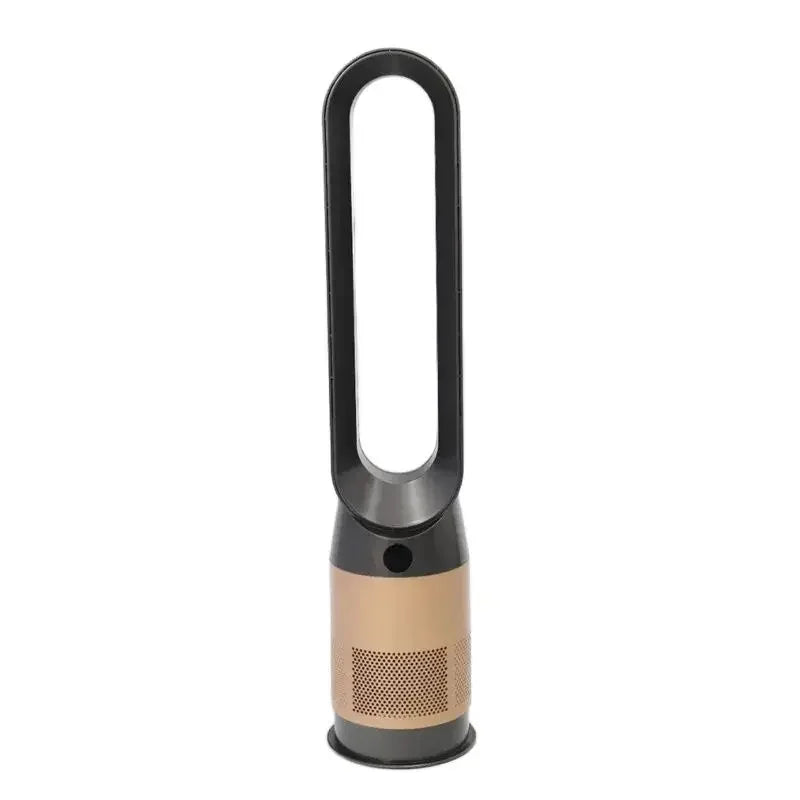
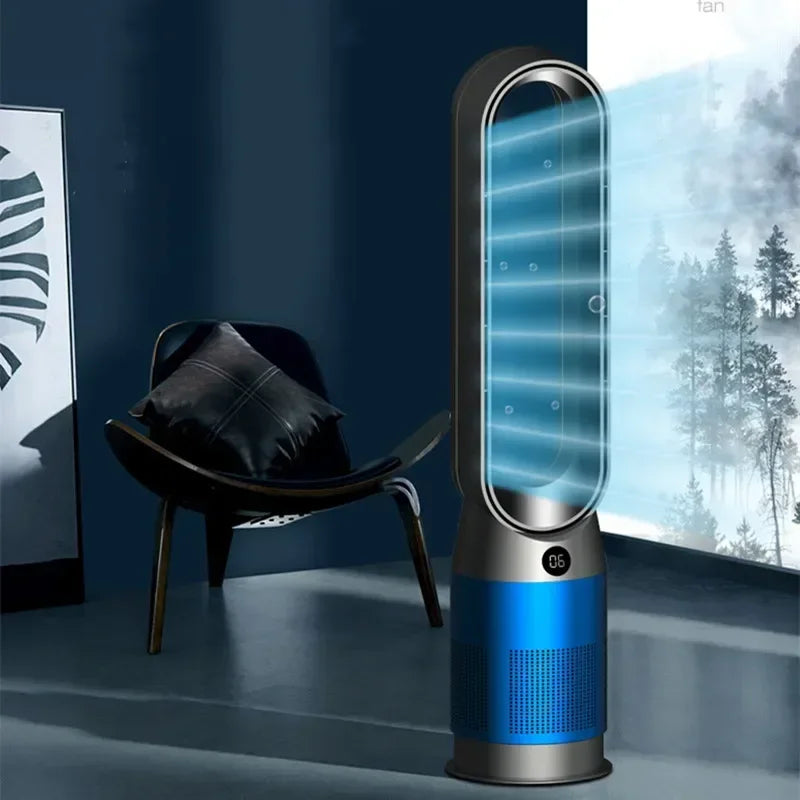
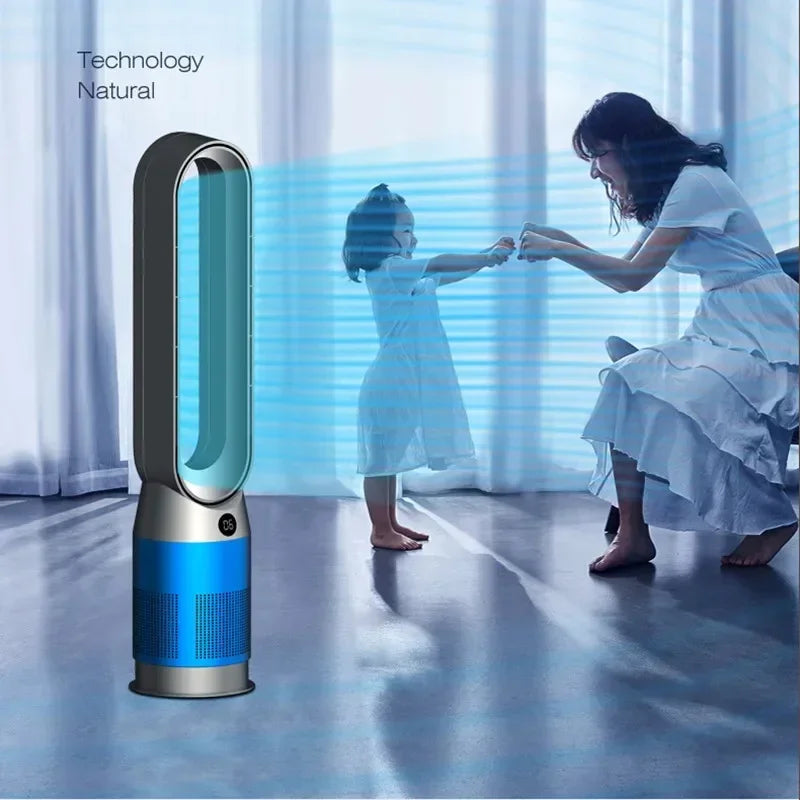
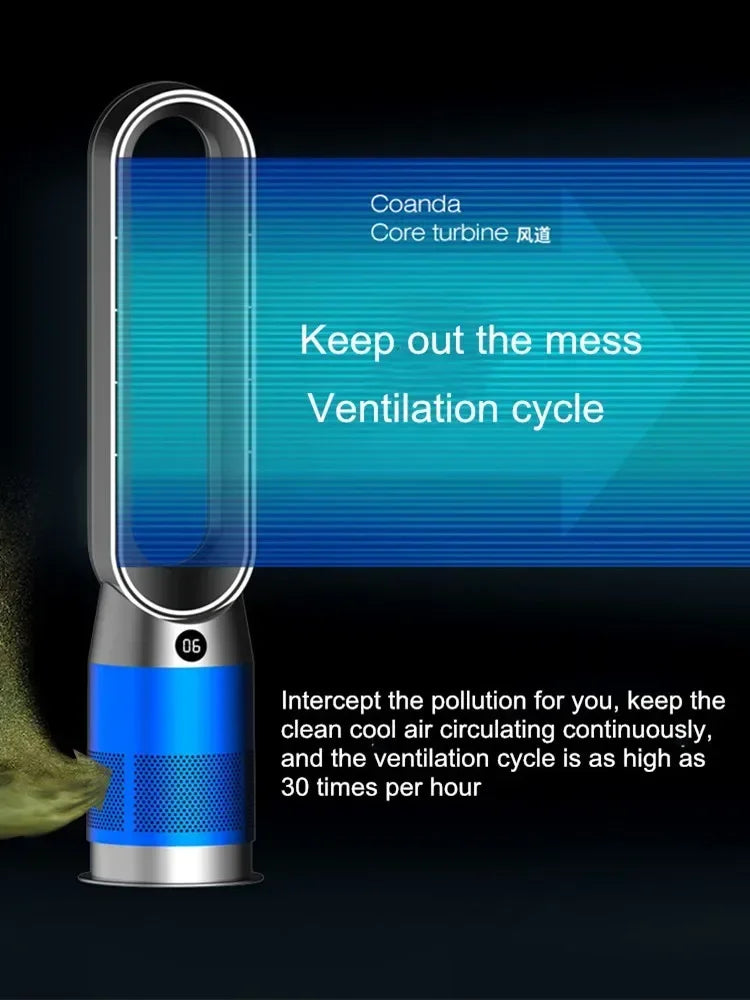
For rooms where you want controlled airflow without a bulky pedestal fan, a tower design can be useful. A bladeless tower fan can also provide enclosed airflow without exposed rotating blades.
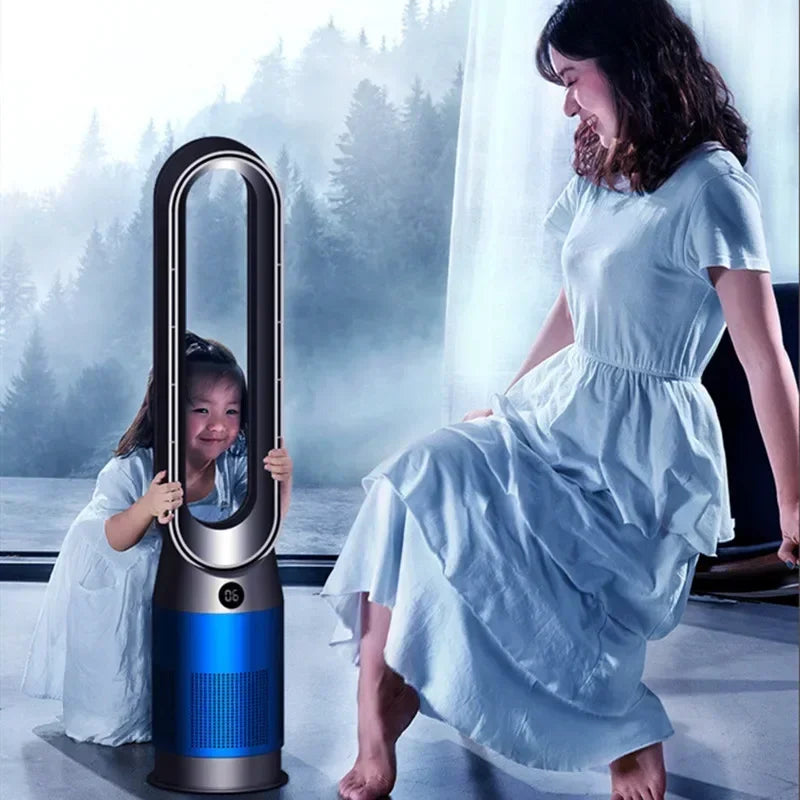
The 42-inch bladeless tower fan described for this guide combines cooling, heating, air circulation, natural wind mode, purification functionality, remote control, and left-right oscillation. It is specified for rooms of approximately 15–25 m² and has a stated noise range of 36–45 dB.
Should You Open or Close Windows When a Room Is Hot?
During the Hottest Part of the Day
If outdoor air is hotter than indoor air, keeping windows closed generally helps prevent additional hot-air infiltration. Combine closed windows with curtains, blinds, shades, or other measures that reduce direct sunlight.
After Sunset and Overnight
When outdoor temperatures fall below indoor temperatures, opening suitable windows can help release stored heat. Cross-ventilation and exhaust fans can make the air exchange more effective when used safely.
Use Outdoor Temperature as the Decision Rule
The simplest rule is: if outside is hotter, limit unwanted outdoor heat; if outside is cooler, use ventilation to remove indoor heat. Humidity, wind conditions, air quality, security, and building layout should also be considered.
How to Cool a Room Without AC
Best No-AC Combination for Dry Weather
In dry conditions, start with sunlight control, then use ventilation when outdoor air is cooler. Add fans for personal comfort and room circulation. If nighttime temperatures drop substantially, use that cooler period to purge accumulated heat from the room.
Best No-AC Combination for Humid Weather
In humid weather, be more selective about bringing outdoor air indoors. Focus on reducing heat gain, managing indoor humidity where appropriate, and using fans for direct airflow. Avoid relying heavily on evaporative cooling when the room is already humid.
What Works Best in a Bedroom
A hot bedroom needs a balance between comfort, airflow, and noise. Block daytime sunlight, reduce heat-producing electronics, use quiet airflow at night, and ventilate when outdoor conditions become favorable.
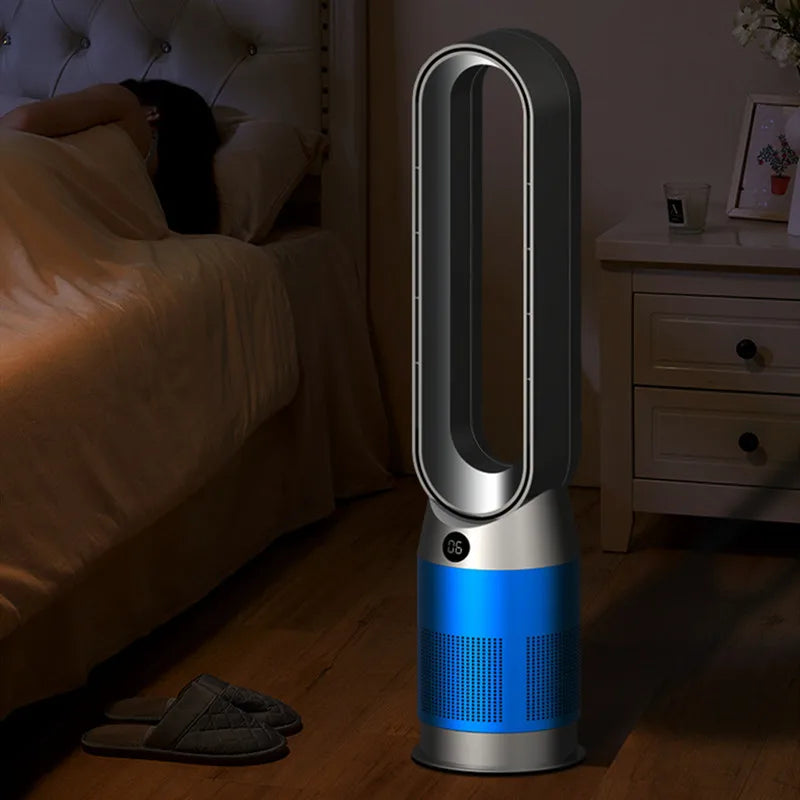
For an all-season approach, a cooling-and-heating tower fan can also reduce the need for separate seasonal appliances. The specified model provides cool-air and warm-air modes, a 2–8 hour timer, remote control, multiple speeds, and oscillation.
Daytime vs. Nighttime Cooling: Use a Different Strategy
Daytime Cooling Strategy
During the day, focus first on preventing heat from entering. Close appropriate window coverings before direct sunlight reaches the room, reduce unnecessary internal heat sources, and keep windows closed when outside air is hotter.
Nighttime Cooling Strategy
At night, the priority can shift from heat prevention to heat removal. When outdoor conditions are cooler, use cross-ventilation, window fans, or exhaust airflow to move accumulated indoor heat outdoors.
Morning Reset Before the Room Heats Up
Morning is the transition point. If outdoor air begins warming quickly, finish nighttime ventilation early and start blocking sunlight before the room absorbs significant solar heat.
What Actually Cools the Room vs. What Only Makes You Feel Cooler?
Methods That Can Remove Heat From the Room
Heat can be removed through ventilation when cooler outdoor air replaces warmer indoor air, exhaust ventilation when conditions support it, air conditioning, and appropriate humidity management. These methods can affect the room's thermal conditions rather than merely moving air around.
Methods That Mainly Improve Comfort
Fans primarily improve perceived cooling by increasing air movement across the body. A fan can make a person feel cooler without substantially lowering the room's air temperature.
Does Ice in Front of a Fan Cool a Room?
Ice can create a localized cooling effect as chilled air moves near the fan. However, a small amount of melting ice is not equivalent to a room-scale air-conditioning system. The effect is temporary and localized, and the ice eventually becomes water that has absorbed heat.
When Evaporative Cooling Helps—and When It Does Not
Evaporative cooling depends on evaporation. Dry air can accept more moisture, making evaporation more effective. High indoor humidity limits that process, so adding moisture to an already humid room may provide little benefit.
Choose the Best Cooling Method for Your Room
| Room Condition | First Priority | Useful Supporting Method |
| Hot room with direct afternoon sun | Block sunlight and reduce solar heat gain | Fan for personal comfort |
| Hot room with cooler outdoor air | Cross-ventilation and exhaust airflow | Window fan |
| Hot and humid room | Manage humidity and reduce heat gain | Controlled airflow |
| Hot bedroom at night | Quiet airflow and nighttime ventilation | Window coverings and low-noise fan |
| Hot room with no AC | Combine shading, ventilation, and airflow | Portable or tower fan |
How to Prevent a Room From Getting Hot Again
Reduce Solar Heat Gain
Use shading and window coverings before the sun heats the room. Exterior shading can be especially valuable for windows receiving intense direct sunlight.
Improve Insulation and Air Sealing
Building-envelope improvements can reduce unwanted heat transfer. If one room repeatedly becomes much hotter than the rest of the home, investigate insulation, air leakage, windows, and solar exposure rather than relying only on portable cooling equipment.
Manage Thermal Mass
Heavy building materials and furnishings can store heat during the day and release it later. Effective nighttime ventilation can help remove warm air while these surfaces gradually cool.
Choose Cooling Equipment Based on Room Conditions
Choose equipment according to the actual problem. A portable fan can improve personal comfort and circulation. A window fan can support ventilation. A dehumidifier can help when humidity is a major comfort issue. AC is designed for actual mechanical cooling and may be more appropriate when outdoor conditions remain too hot for natural ventilation.
For rooms that need both cooling and occasional heating, a tower appliance with both modes can reduce the need to store separate seasonal devices. The specified 42-inch model uses a space-saving tower format and is designed for approximately 15–25 m² rooms.
Safety Tips When Cooling a Hot Room
Fan and Electrical Safety
Keep fans on stable surfaces with clear intake and exhaust paths. Inspect power cords and plugs for visible damage, keep electrical equipment away from water, and avoid overloaded or improvised electrical connections.
Window and Fan Safety
When using a fan near an open window, make sure the installation is stable and cannot fall or become dislodged. Keep cords secured and avoid creating trip hazards. Follow the manufacturer's installation and operating instructions for window-mounted equipment.
When a Hot Room Becomes a Health Concern
Extreme indoor heat can become more than a comfort issue. If someone develops concerning symptoms associated with heat exposure, prioritize moving them to a cooler environment and seeking appropriate medical assistance. Infants, older adults, and people who are especially vulnerable to heat may require extra attention during severe heat.
Frequently Asked Questions
What is the fastest way to cool a hot room?
Start by blocking direct sunlight and reducing internal heat sources. Then determine whether outdoor air is cooler. If it is, use cross-ventilation and exhaust airflow to remove accumulated indoor heat. Use a fan for immediate personal comfort while the room is being ventilated.
Should you open or close windows when a room is hot?
It depends on outdoor conditions. Keep windows closed when outside air is hotter and open suitable windows when outdoor air is cooler and ventilation can remove indoor heat.
Does putting ice in front of a fan actually cool a room?
Ice can provide a temporary localized cooling effect, but it does not replace room-scale cooling. A fan itself mainly improves perceived comfort by moving air across the body.
How should you position a fan to cool down a room?
Point a fan toward occupants for direct personal cooling, across the room for circulation, or toward a window for intake or exhaust ventilation. The best position depends on whether your goal is comfort or actual heat removal.
How can you cool a room without AC?
Combine several methods: block sunlight, reduce heat-producing electronics, ventilate when outdoor air is cooler, use exhaust airflow, and use fans for personal comfort and circulation. In humid conditions, consider humidity management as well.
Is it better to use a fan with the window open or closed?
Use an open window when outdoor air is cooler and you are trying to exchange indoor air. If outside is hotter, keeping the window closed may be preferable while using the fan for personal comfort.
How do you cool a room at night?
If outdoor temperatures fall below indoor temperatures, open suitable windows and use cross-ventilation or exhaust airflow to release accumulated heat. Use quiet direct airflow for sleeping comfort.
Does a dehumidifier make a room feel cooler?
Reducing high humidity can improve comfort because sweat evaporates more effectively in drier air. However, a dehumidifier produces heat during operation, so it should not be considered a direct replacement for an air conditioner.
Do ceiling fans actually lower room temperature?
Ceiling fans mainly improve perceived cooling by moving air across occupants. They generally do not remove heat from the room, so their benefit comes from improved air movement rather than a direct reduction in room temperature.
How can you keep a room cool during the day?
Prevent heat from entering before trying to remove it. Close appropriate curtains or blinds, reduce direct sunlight, limit unnecessary internal heat sources, and keep windows closed when outdoor air is hotter. Use fans for comfort and ventilation when conditions support it.
Final Decision Rule for Cooling a Hot Room
Cooling a hot room is easier when you match the method to the conditions. When outdoor air is hotter, block sunlight and limit unwanted heat entering the room. When outdoor air becomes cooler, ventilate and exhaust accumulated indoor heat. Use fans to improve air circulation and personal comfort, manage humidity when it is high, and address insulation, shading, and other sources of recurring heat gain for a longer-term solution.
If your room needs more than temporary airflow, consider the type of comfort you actually need. A fan is useful for circulation and perceived cooling, while a combined cooling-and-heating tower can provide airflow plus seasonal heating in one appliance. The 42-inch bladeless tower fan is specified with cooling and heating modes, 36–45 dB operation, remote control, left-right oscillation, a 2–8 hour timer, and coverage for approximately 15–25 m².
Pillar Article: Best Bladeless Tower Fan Heaters of 2026: Tested & Compared













