

How can you safely decompress your lower back at home?
You can safely decompress your lower back at home by using gentle stretches and positions that reduce pressure on the spine without forcing movement. The goal is to encourage comfortable spinal movement, relax surrounding muscles, and improve mobility—not to aggressively "pull" the spine apart.
- Lie on your back and gently pull your knees toward your chest.
- Use child's pose to lengthen your lower back and hips.
- Perform slow pelvic tilts to improve spinal mobility.
- If appropriate, hang lightly from a sturdy pull-up bar to allow gentle traction.
- Practice slow diaphragmatic breathing to help muscles relax.
Most healthy adults with mild stiffness from prolonged sitting or muscle tension can try these exercises. Stop immediately if you develop sharp pain, increasing numbness, leg weakness, loss of bladder or bowel control, or pain that rapidly worsens. Seek prompt medical evaluation if those symptoms occur or if you've recently experienced significant trauma, spinal surgery, or a suspected fracture.
⏱ 7 min read
How to Decompress Lower Back Safely at Home (Step-by-Step Guide)
If your lower back feels compressed, stiff, or "jammed," you're not alone. Long hours of sitting, repetitive lifting, and limited movement can place extra stress on your lumbar spine. Fortunately, learning how to decompress your lower back at home with gentle, controlled exercises may help reduce stiffness, improve mobility, and ease everyday discomfort when practiced consistently.
Explore a simple lumbar support option
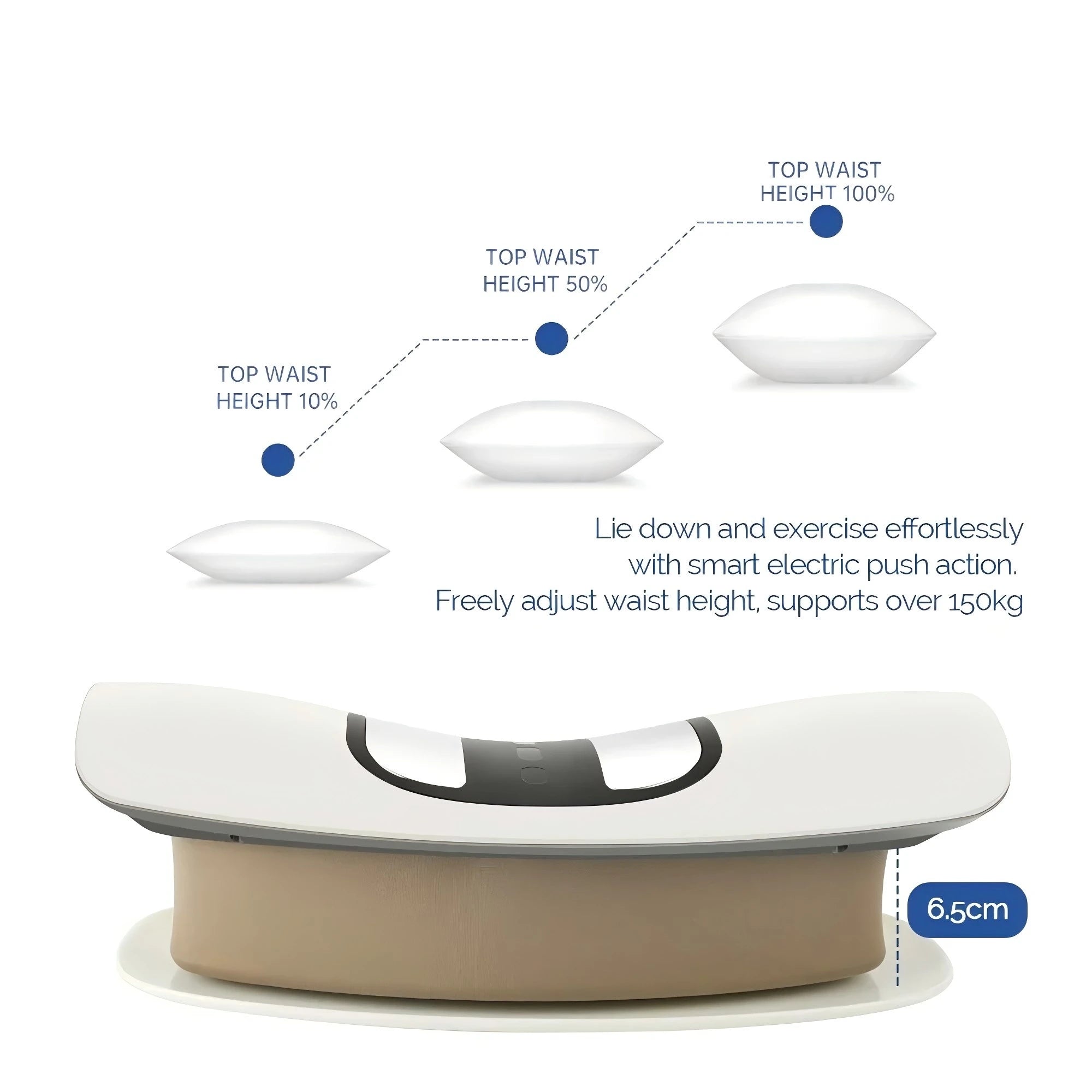
Gentle traction for lower back at home can restore ease and mobility — See it in action
What Is Lower Back Decompression and How It Works
Lower back decompression refers to movements or traction techniques that temporarily reduce pressure on structures within the lumbar spine. At home, this usually involves gentle stretches, body positioning, or light traction rather than the mechanical spinal decompression used in some clinical settings.
When you decompress your low back, several things may happen:
- Muscles around the lumbar spine relax.
- Pressure across joints and discs may temporarily decrease.
- Movement encourages circulation to surrounding tissues.
- Spinal mobility and posture can gradually improve.
Research suggests these techniques can help many people with nonspecific lower back discomfort, especially when stiffness is related to inactivity or prolonged sitting. However, home decompression is not a cure for herniated discs, fractures, spinal instability, or other structural conditions. If symptoms persist or worsen despite several weeks of consistent self-care, professional evaluation is recommended.
Benefits of Lower Back Decompression at Home
Regular lower back decompression can improve how your body feels and moves throughout the day.
- Reduces stiffness and muscle tightness
- May relieve pressure-related discomfort
- Improves flexibility and spinal mobility
- Supports healthier posture habits
- Makes everyday activities like walking or bending feel easier
The greatest improvements typically occur when decompression exercises are combined with regular walking, strengthening, and posture awareness.
7 Effective Ways to Decompress Lower Back at Home
1. Hanging Decompression (Using a Bar or Doorframe)
Best for: Healthy adults with shoulder strength and no balance limitations.
Grip a sturdy pull-up bar and allow your feet to lightly touch the floor if needed. Relax your shoulders and let gravity gently lengthen your spine for 20–30 seconds. Repeat 2–3 times.
Avoid if: You have shoulder injuries, severe osteoporosis, balance problems, or your symptoms worsen while hanging.
2. Knees-to-Chest Stretch
Best for: Morning stiffness and general lumbar tightness.
Lie on your back and slowly pull one or both knees toward your chest. Hold for 20–30 seconds while breathing normally. Repeat 3–5 times.
Common mistake: Pulling aggressively or lifting your head from the floor.
3. Child's Pose Stretch
Best for: Tight back and hip muscles after sitting.
Sit back toward your heels with your arms extended. Allow your lower back to lengthen naturally and hold for 30–60 seconds while breathing deeply.
Avoid if: Knee pain or hip limitations prevent comfortable positioning.
4. Pelvic Tilt (Floor Decompression)
Best for: Beginners learning spinal control.
Lie on your back with knees bent. Slowly flatten your lower back into the floor by tilting your pelvis, then return to neutral. Perform 10–15 slow repetitions.
5. Supported Bridge Pose
Best for: Gentle decompression combined with hip mobility.
Lift your hips only slightly and place a cushion or yoga block beneath your pelvis. Relax for 30–60 seconds without forcing the position.
Avoid if: Extension movements increase your pain.
6. Seated Forward Fold
Best for: Hamstring tightness contributing to lower back stiffness.
Sit with your legs extended and hinge forward from your hips while keeping your back long. Hold for 20–30 seconds and repeat several times.
Common mistake: Rounding the spine excessively to reach farther.
7. Using a Towel or Strap for Gentle Traction
Best for: Beginners who want light assisted traction.
Wrap a towel or yoga strap behind your thighs while lying on your back. Apply only gentle pressure to create a mild traction sensation for 20–30 seconds.
Stop if: You notice increasing pain, numbness, tingling, or muscle weakness.
Try a simple home traction solution
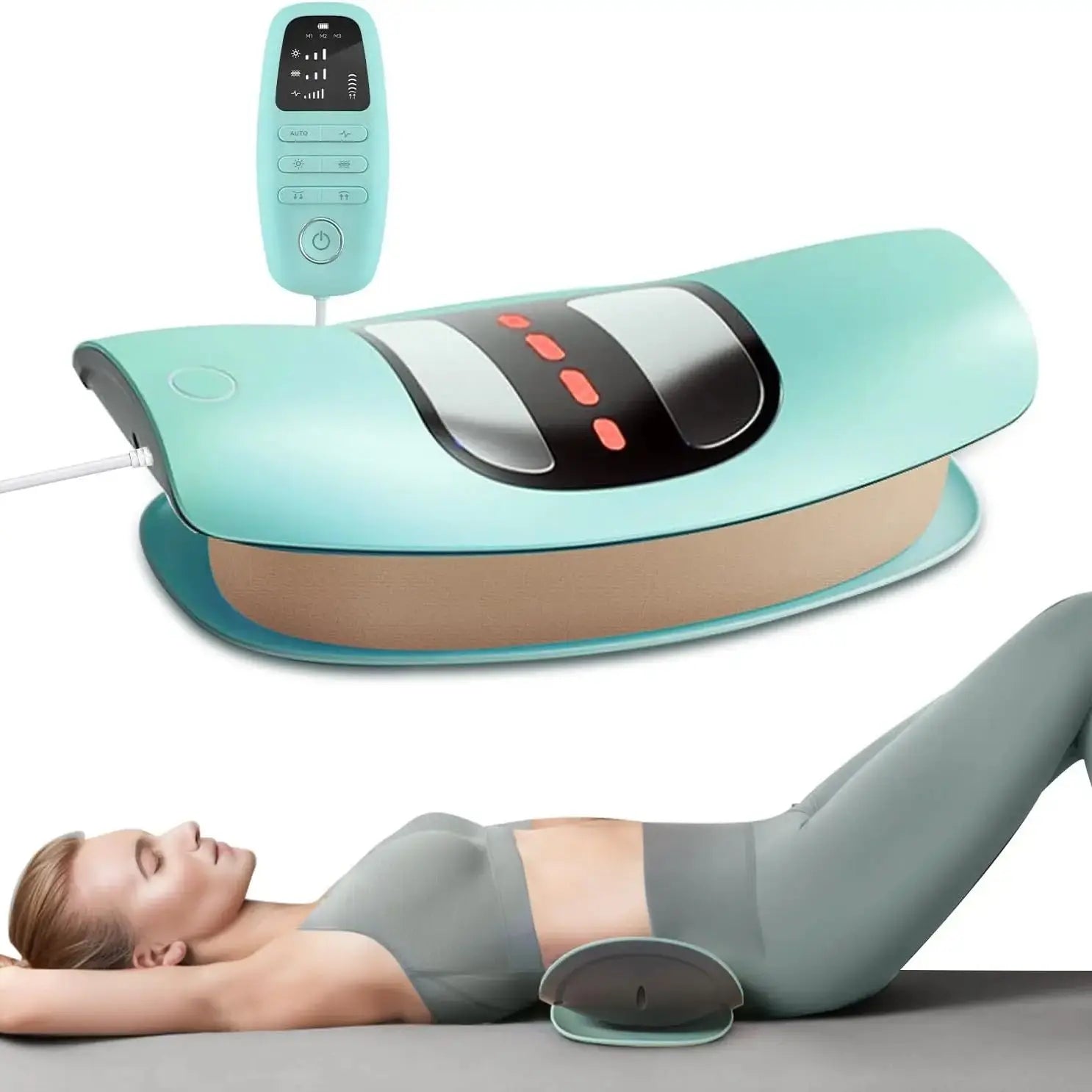
Home back traction can feel calming, not forceful — See it in action
How to Choose the Best Decompression Exercise for Your Symptoms
For lumbar stiffness
Begin with pelvic tilts and knees-to-chest stretches. These gentle movements improve mobility without placing excessive stress on the spine.
For prolonged sitting
Child's pose followed by a short walk often helps restore movement after spending hours at a desk.
For mild sciatica symptoms
Some people benefit from gentle pelvic tilts and carefully controlled knees-to-chest movements. Stop immediately if leg pain, numbness, or tingling increases. Persistent sciatica should be assessed by a healthcare professional.
For beginners with limited mobility
Start with breathing exercises, pelvic tilts, and supported bridge poses. Progress gradually by increasing hold times rather than stretching more aggressively.
5-Minute Daily Lower Back Decompression Routine
Complete the following routine once or twice daily:
- Child's Pose – 1 minute
- Knees-to-Chest Stretch – 1 minute
- Pelvic Tilts – 1 minute
- Supported Bridge – 1 minute
- Forward Fold – 1 minute
Move slowly, breathe continuously, and finish with a brief walk if possible to reinforce comfortable spinal movement.
When Will You Feel Results?
Results vary depending on the underlying cause of your discomfort, activity level, and consistency.
- Immediately: Some people notice temporary relief from muscle tension.
- 1–2 weeks: Daily stiffness and mobility often improve.
- 3–6 weeks: Better movement patterns and posture may lead to more lasting comfort.
Signs you're progressing include easier movement, less morning stiffness, and improved tolerance for sitting or walking. If your symptoms remain unchanged after several weeks or progressively worsen, it's time to reassess your exercise routine and consider medical advice.
Common Mistakes That Prevent Back Decompression
- Stretching into pain instead of mild tension
- Holding your breath during movements
- Performing exercises too quickly
- Poor positioning or spinal alignment
- Ignoring increasing pain, numbness, or weakness
- Being inconsistent with practice
Effective decompression should feel comfortable and controlled rather than forceful.
Who Should Avoid or Modify These Exercises
Home spinal decompression is not appropriate for everyone without medical guidance.
- Recent back surgery or significant injury
- Known spinal fractures or severe osteoporosis
- Severe disc injuries unless cleared by a clinician
- Pregnancy, depending on the exercise
- Progressive numbness, muscle weakness, or balance problems
- Loss of bladder or bowel control, which requires urgent medical attention
If you have chronic back pain, inflammatory arthritis, spinal instability, or another diagnosed spinal condition, ask your healthcare provider or physical therapist which exercises are appropriate.
Tips to Maximize Spinal Decompression at Home
- Breathe slowly throughout every stretch.
- Practice consistently instead of stretching aggressively.
- Stand up and walk every 30–60 minutes if you sit for long periods.
- Strengthen your core to support your lumbar spine.
- Maintain good posture throughout the day.
- Stay hydrated to support healthy spinal discs.
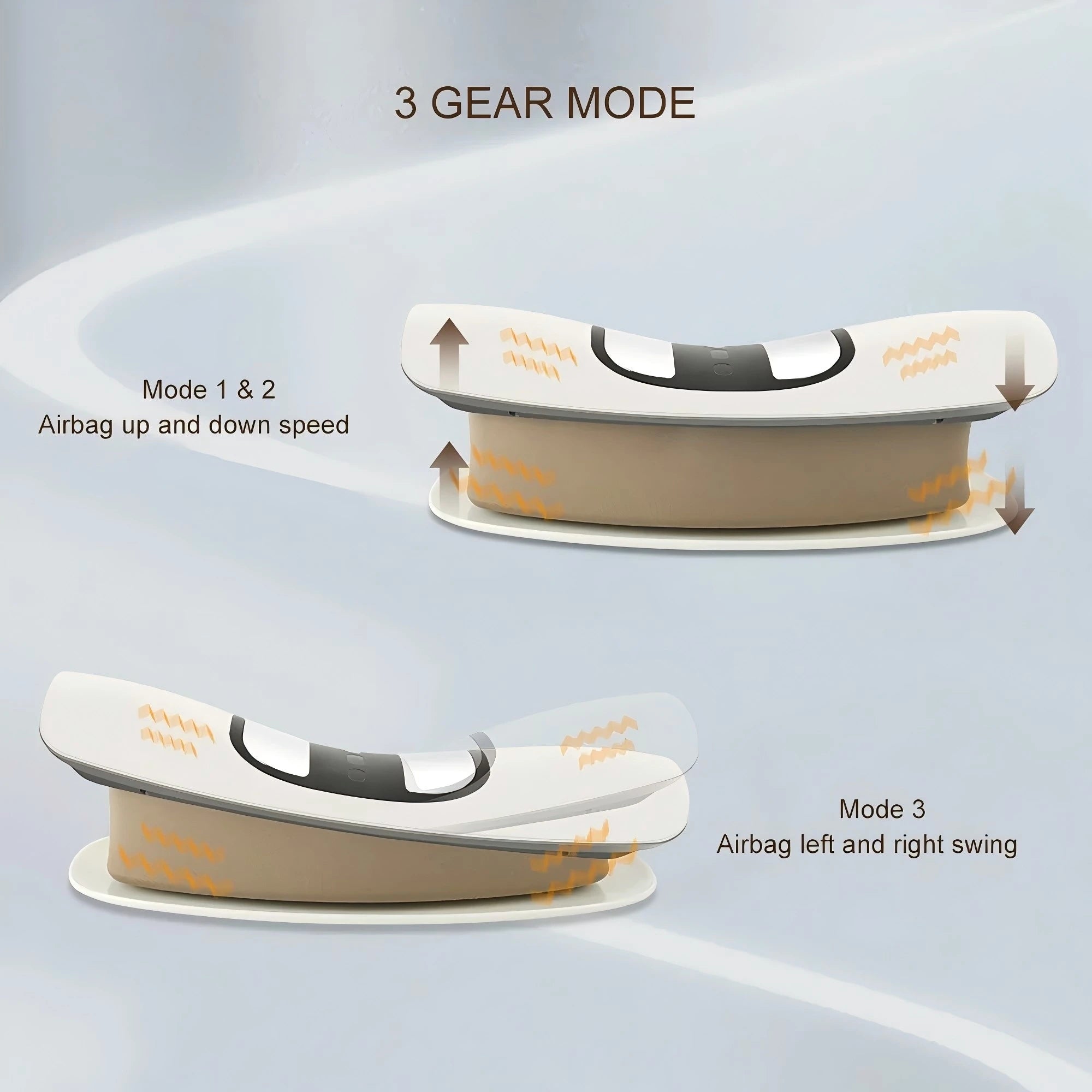
Relaxed posture begins with gentle decompression — See it in action
Optional Tools for Back Decompression at Home
Foam roller
Useful for relieving muscle tightness around the hips and back, although it does not directly decompress the spine.
Yoga strap
Provides light assistance during stretching and helps improve positioning without excessive pulling.
Pull-up bar
Can create gentle traction when used correctly, but should only be used if you have adequate shoulder strength and stability.
Lumbar support devices
Some home traction devices can provide controlled support for people seeking additional comfort between exercise sessions. They should complement—not replace—regular movement and strengthening.
Inversion tables may help some individuals but are generally not recommended for people with glaucoma, uncontrolled high blood pressure, heart disease, or osteoporosis because of the increased pressure associated with inversion.
Frequently Asked Questions
How often should I decompress my lower back?
Gentle decompression exercises can usually be performed daily, especially if your symptoms are related to prolonged sitting or muscle stiffness.
Is spinal decompression at home safe?
Yes, for most people with mild mechanical back discomfort when exercises are performed slowly and without pain. Those with serious spinal conditions should seek medical guidance first.
Can I decompress my back before bed?
Yes. Many people find that gentle stretching before bed reduces muscle tension and improves comfort while sleeping.
What is the fastest way to decompress lower back?
Knees-to-chest stretches, child's pose, or gentle hanging often provide the quickest temporary relief from everyday stiffness.
Can decompression worsen back pain?
Yes. If an exercise causes sharp pain, worsening leg symptoms, numbness, or weakness, stop immediately and seek medical advice if symptoms persist.
Is it safe to decompress spine every day?
Daily gentle movement is appropriate for most healthy adults, provided the exercises remain comfortable and symptoms continue to improve.
Can spinal decompression help sciatica at home?
It may help some people whose symptoms are related to muscle tightness or mechanical irritation, but it is not appropriate for every cause of sciatica. Worsening leg pain or neurological symptoms require medical evaluation.
How long should I hold each decompression stretch?
Most stretches are effective when held for 20–30 seconds. Relaxed positions such as child's pose or supported bridge can often be held for up to one minute if comfortable.
Should decompression exercises hurt?
No. You may feel a gentle stretch, but pain is a signal to stop and reassess your technique.
Which decompression exercise is best after sitting all day?
Child's pose, pelvic tilts, and a short walk are excellent choices for restoring movement after prolonged sitting.
What signs mean I should stop exercising and see a doctor?
Stop exercising if you experience severe pain, increasing numbness, muscle weakness, difficulty walking, fever with back pain, or loss of bladder or bowel control.
Get yours now — limited stock!
Explore more wellness solutions in our :contentReference[oaicite:0]{index=0} collection, or learn more through our Beauty & Self-Care Blog .













