

Does Decompressing Your Back Really Work?
For many people experiencing mild to moderate stiffness, muscle tightness, or postural compression, spinal decompression techniques can provide noticeable relief. Gentle decompression exercises may temporarily reduce pressure on spinal structures, improve mobility, and help relax surrounding muscles.
⏱ 9 min read
How to Decompress Your Back Safely at Home: Science, Exercises, and Tools for Lasting Relief
Learning how to decompress your back isn't simply about stretching—it's about understanding how spinal pressure develops and using evidence-based strategies to improve comfort, mobility, and posture. Whether your discomfort comes from long hours of sitting, physical activity, or age-related stiffness, the right decompression techniques may help reduce tension and restore movement safely.
Discover smarter ways to relieve back tension and improve posture today
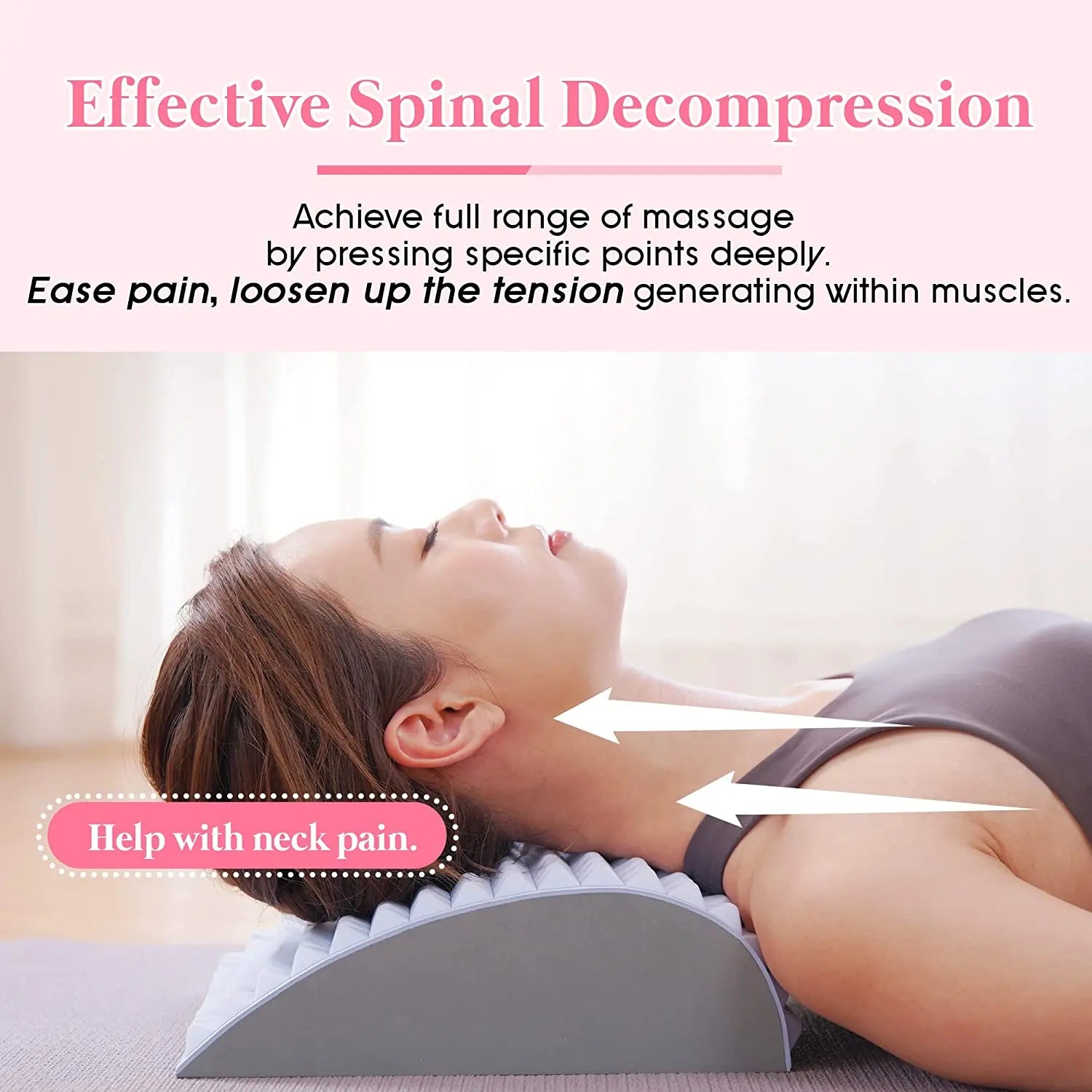
Targeted support for how to decompress your back at home — See it in action
Feeling stiff every morning or after long hours sitting? Daily spinal compression is common, but targeted movement, posture correction, and supportive decompression techniques may help reduce discomfort and improve mobility.
What Does It Mean to Decompress Your Back?
Back decompression refers to techniques that gently reduce pressure on the spine, spinal discs, nerves, and surrounding muscles. While your spine naturally compresses throughout the day due to gravity, prolonged sitting, poor posture, repetitive lifting, and aging can increase this compression and contribute to stiffness, discomfort, and reduced mobility.
How spinal compression happens
Your spine contains soft intervertebral discs that act as cushions between vertebrae. Throughout the day, these discs lose fluid and become slightly compressed. Activities such as sitting for long periods, heavy lifting, or maintaining poor posture can increase pressure on these structures and create sensations of tightness or stiffness.
How spinal decompression reduces pressure and stiffness
Spinal decompression techniques work by creating temporary space between vertebrae, reducing mechanical pressure while encouraging muscle relaxation and improved movement. Techniques may include stretching, traction, hanging exercises, mobility drills, or supportive devices designed to promote gentle spinal extension.
Does Decompressing Your Back Really Work?
For many individuals experiencing mild to moderate stiffness, muscle tightness, or postural compression, spinal decompression techniques can provide meaningful symptom relief and improved mobility.
What research says about spinal decompression
Research suggests that stretching, mobility exercises, traction, and movement therapy may help reduce back discomfort and improve function in some individuals. Outcomes vary based on the underlying cause of symptoms, overall health status, and consistency of treatment.
Temporary relief vs long-term improvement
Decompression exercises often provide immediate short-term relief, but lasting improvement typically requires strengthening exercises, posture correction, ergonomic changes, and regular movement habits.
Why Your Back Feels Compressed or Stiff
Back compression and stiffness rarely result from a single cause. Multiple lifestyle, mechanical, and age-related factors often contribute to reduced spinal mobility.
Prolonged sitting and poor posture
Sitting for extended periods increases pressure on spinal discs while weakening supportive muscles. Forward head posture and rounded shoulders can further increase stress on the cervical and lumbar spine.
Muscle tension and reduced mobility
Tight muscles surrounding the spine may restrict movement and create the sensation of compression even when structural abnormalities are absent.
Aging, disc degeneration, and repetitive stress
As people age, spinal discs naturally lose hydration and elasticity. Repetitive movements, occupational demands, and previous injuries may contribute to progressive stiffness and reduced mobility.
Benefits of Spinal Decompression at Home
- May temporarily reduce pressure on spinal joints and discs
- Can improve flexibility and range of motion
- Helps reduce muscle tension and stiffness
- Supports better posture and spinal alignment awareness
- May improve comfort during daily activities
- Can complement physical therapy and exercise programs
Reduced pressure and improved mobility
Gentle decompression exercises may improve movement tolerance and help restore normal spinal mechanics.
Better posture and muscle relaxation
Many decompression techniques encourage improved body positioning while promoting relaxation of surrounding muscles.
Support for chronic back stiffness relief
Individuals experiencing chronic stiffness may benefit from regular decompression routines combined with strengthening and mobility exercises.
How to Decompress Your Back Effectively at Home
The most effective decompression method depends on your symptoms, mobility level, and overall health.
Beginner decompression methods
- Walking
- Child's pose stretching
- Knees-to-chest stretches
- Pelvic tilts
Intermediate decompression techniques
- Supported hanging
- Foam rolling
- Spinal mobility exercises
- Traction-based stretching
Choosing the right method for your symptoms
Mild stiffness often responds well to mobility exercises, while persistent tightness may benefit from combining stretching, strengthening, posture correction, and supportive decompression devices.
Learn step-by-step how to decompress your back safely at home
Step-by-Step Back Decompression Exercises
Child's pose stretch
- Kneel on the floor.
- Sit back onto your heels.
- Extend your arms forward.
- Hold for 30 to 60 seconds.
Supine spinal traction stretch
- Lie on your back.
- Pull both knees gently toward your chest.
- Relax your lower back.
- Hold for 20 to 30 seconds.
Cat-cow mobility exercise
- Start on your hands and knees.
- Arch your back upward slowly.
- Reverse into a gentle extension.
- Repeat for 10 to 15 repetitions.
Supported hanging decompression
- Grip a sturdy pull-up bar.
- Keep partial weight on your feet if necessary.
- Relax your torso.
- Hold for 10 to 30 seconds.
Knees-to-chest stretch
- Lie on your back.
- Pull one or both knees toward your chest.
- Maintain slow breathing.
- Repeat three times.
Foam roller thoracic extension
- Place a foam roller beneath your upper back.
- Support your head with your hands.
- Gently extend backward.
- Repeat for 8 to 10 repetitions.
How to Decompress Spine Safely at Home
Recommended duration and frequency
Most decompression exercises can be performed for 10 to 20 minutes daily. Start gradually and increase duration based on comfort.
Common mistakes to avoid
- Stretching aggressively
- Holding your breath
- Ignoring sharp pain
- Using advanced traction techniques too early
- Performing exercises with poor form
Who should avoid certain techniques
People with fractures, severe osteoporosis, recent surgery, spinal instability, or serious neurological symptoms should consult a healthcare professional before attempting spinal decompression exercises.
Try a proven solution here: how to decompress your back with a targeted support tool .
Spinal Decompression Devices: Do They Help?
Supportive decompression devices may help some individuals perform spinal stretching more comfortably and consistently.
Spine decompression pillows
Decompression pillows are designed to support gentle spinal extension and postural correction while resting.
Back stretchers
Back stretchers provide passive extension that may temporarily reduce stiffness and improve flexibility.
Inversion and traction devices
More advanced traction devices may provide additional decompression benefits but should be used cautiously and according to manufacturer instructions.
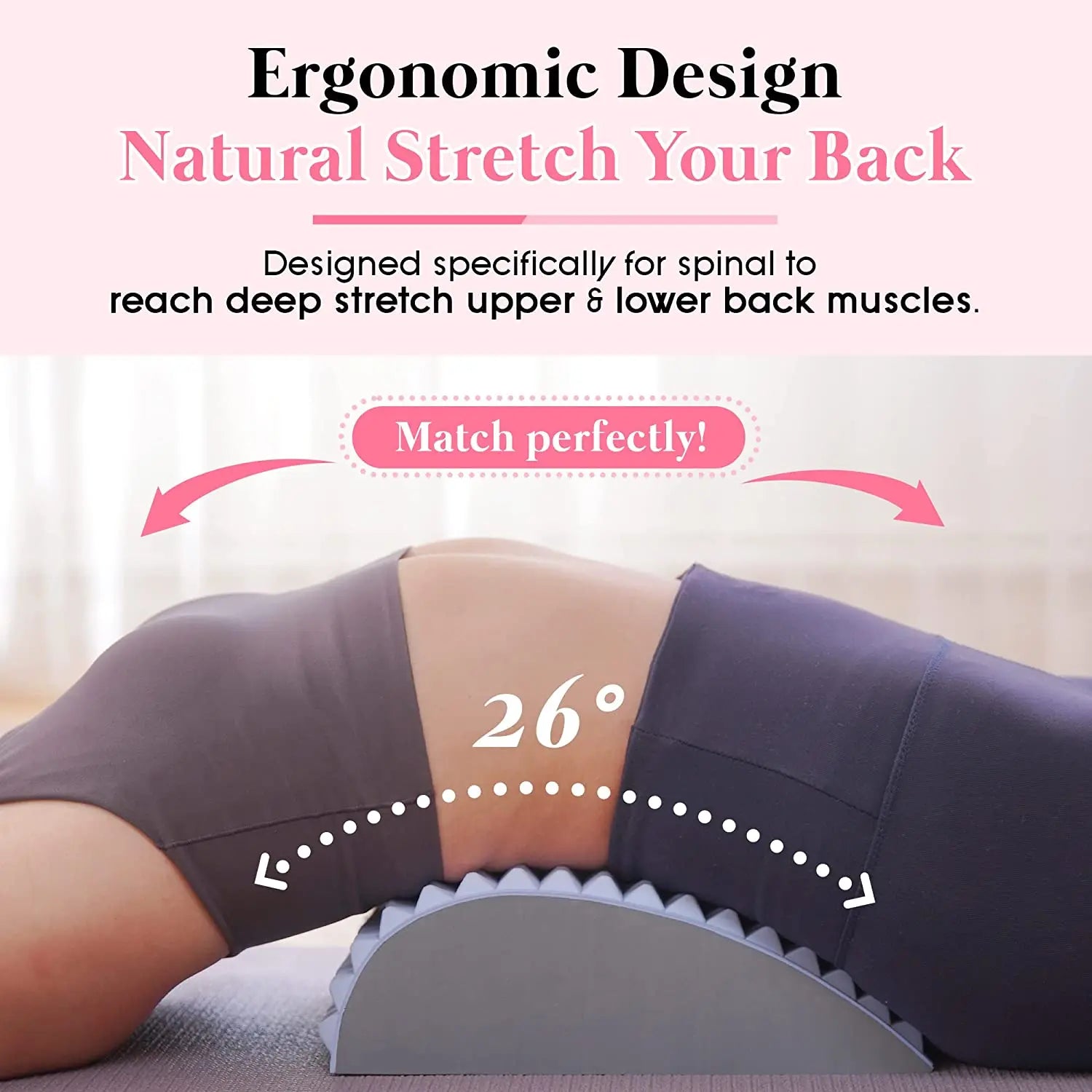
Spine decompression pillow for daily relief and posture correction — See it in action
Why Modern Back Decompression Tools Deliver Faster Relief
Passive stretching versus active mobility
Passive decompression devices may provide faster short-term relief because they reduce muscular effort while promoting gentle spinal extension.
When supportive devices make sense
People with chronic stiffness, desk-related discomfort, or limited mobility may benefit from combining decompression devices with active exercise and posture correction strategies.
Explore more supportive solutions in Body Care and Health Devices for daily recovery routines.
Back Stretcher vs Chiropractor: Which Delivers Better Results?
Benefits and limitations of each
Back stretchers provide affordable, convenient at-home decompression, while chiropractors offer individualized assessment and hands-on treatment. Neither option is universally superior for every condition.
- Back stretcher: lower cost, self-directed use, convenient
- Chiropractor: personalized evaluation, manual therapy, professional supervision
When professional care is necessary
Persistent pain, numbness, weakness, worsening symptoms, or traumatic injuries should be evaluated by a healthcare professional rather than managed exclusively with home decompression methods.
| Factor | Back Stretcher | Chiropractor |
|---|---|---|
| Cost | One-time purchase | Recurring visits |
| Convenience | Use anytime at home | Scheduled appointments |
| Consistency | Daily use possible | Limited frequency |
| Results | Gradual, sustainable | Individualized |
Preventing Future Spinal Compression
Posture habits
Maintain neutral spinal alignment during sitting, standing, and lifting activities.
Core strengthening
Exercises that strengthen abdominal and back muscles help support spinal stability and reduce excessive loading.
Movement breaks and ergonomics
Standing, stretching, and changing positions every 30 to 60 minutes can reduce accumulated spinal compression throughout the day.
When Should You See a Healthcare Professional?
Warning signs requiring medical evaluation
- Persistent or worsening pain
- Numbness or tingling
- Muscle weakness
- Loss of balance
- Pain following trauma
Symptoms that should not be treated at home
Severe neurological symptoms, bowel or bladder dysfunction, unexplained weight loss, or rapidly worsening pain require prompt medical evaluation.
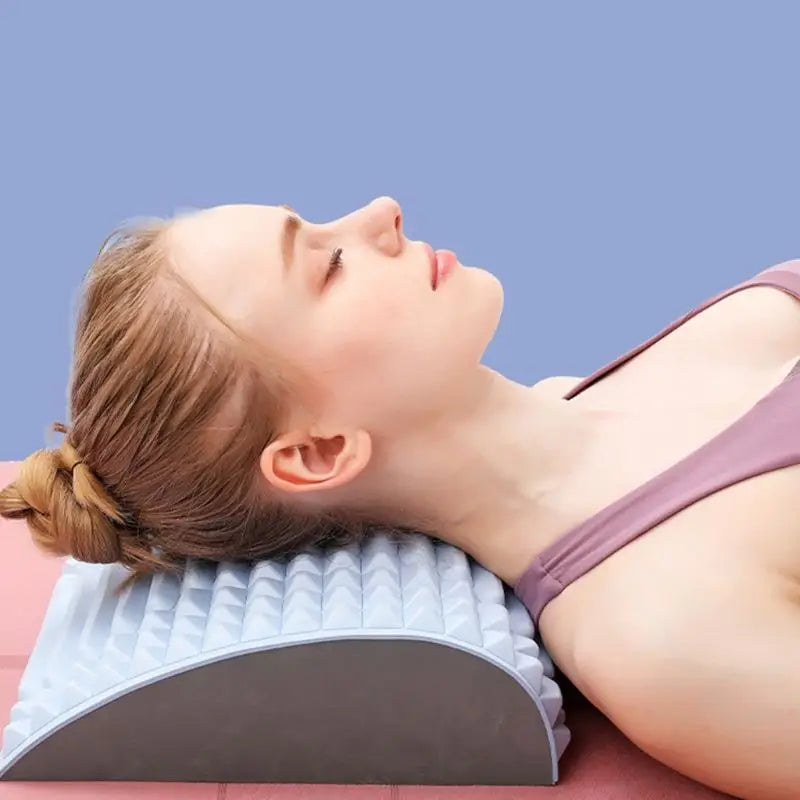
At-home strategies for chronic back stiffness and mobility support — See it in action
Frequently Asked Questions
How long should I decompress my back each day?
Most people benefit from 5 to 20 minutes of decompression exercises daily. Consistency is generally more important than duration.
Is it safe to decompress your spine at home?
Yes, when using proper techniques and avoiding excessive force. Individuals with significant spinal conditions should consult a healthcare professional first.
Can this replace professional treatment?
Home decompression methods can support symptom management but should not replace professional evaluation for severe or persistent symptoms.
When will I see results?
Some people experience immediate symptom relief, while others notice gradual improvements over several weeks of consistent practice.
Can spinal decompression help sciatica?
Some decompression exercises may help relieve symptoms associated with sciatica by reducing mechanical pressure and improving mobility. However, effectiveness varies depending on the underlying cause.
What is the best back decompression exercise?
There is no single best exercise for everyone. Child's pose, knees-to-chest stretches, cat-cow movements, and supported hanging are commonly recommended starting points.
Explore more recovery tools in Body Care and Health Devices to enhance your daily wellness routine.
Pillar Article: Back Stretcher Device: Key Features and Real Relief Benefits
Other Related Articles:
Explore More:













