

Does Deep Conditioning Really Work for Dry or Damaged Hair?
Yes, deep conditioning can make a noticeable difference when it's matched to your hair type and used correctly. Unlike everyday conditioner, a deep conditioning treatment is formulated to deliver concentrated moisturizing, strengthening, and smoothing ingredients that help improve softness, elasticity, and manageability while reducing the appearance of dryness and breakage.
Most deep conditioners combine humectants, emollients, natural oils, butters, ceramides, or hydrolyzed proteins that work beneath the outer cuticle layer. While no conditioner permanently repairs damaged hair, these ingredients temporarily reinforce weakened areas, improve moisture retention, and leave hair feeling healthier between trims.
Results are often most noticeable for people with dry, heat-styled, color-treated, chemically processed, curly, or naturally coarse hair. Those with healthy or fine hair may still benefit, but they typically need lighter formulas and less frequent treatments to avoid weighing hair down.
Technique is just as important as product choice. Applying deep conditioner to freshly cleansed, damp hair, leaving it on for the recommended time, and using gentle heat when appropriate can significantly improve absorption. Consistent weekly care usually delivers better long-term results than using expensive products only occasionally.
How to Deep Condition Hair Step by Step at Home
⏱ 7 min read
Learning how to deep condition hair at home doesn't require salon equipment or professional experience. Whether your hair feels dry, frizzy, brittle, or damaged from heat styling or coloring, a simple routine can restore softness and improve manageability over time. This guide explains what deep conditioning does, who benefits most, and how to deep condition your hair correctly for the best possible results.
Quick summary: Shampoo first → gently towel dry → apply deep conditioner evenly → use gentle heat if appropriate → leave on for 15–30 minutes → rinse thoroughly with cool or lukewarm water. Regular weekly treatments are typically more effective than occasional intensive sessions.
Deep conditioning at home made simple — how to deep condition hair with confidence. See it in action.
What Is Deep Conditioning and How It Works (Moisture vs Protein)
Deep conditioning is an intensive hair care treatment designed to hydrate, strengthen, and smooth the hair shaft more effectively than a standard rinse-out conditioner. It works by allowing conditioning ingredients additional time to coat and penetrate the hair cuticle, helping reduce moisture loss and improve flexibility.
Moisture-Based Deep Conditioning
Moisture-focused formulas typically contain ingredients such as shea butter, plant oils, glycerin, aloe vera, and fatty alcohols. These help replenish hydration, soften rough strands, reduce frizz, and improve elasticity, making them ideal for dry, curly, or dehydrated hair.
Protein-Based Deep Conditioning
Protein-rich treatments use hydrolyzed proteins, amino acids, or keratin derivatives to temporarily reinforce weakened areas of the hair shaft. They are particularly beneficial for hair affected by bleaching, chemical treatments, frequent heat styling, or excessive breakage.
Healthy hair needs a balance between moisture and protein. Excessive protein may leave hair feeling stiff or brittle, while too much moisture without enough structural support can make hair feel overly soft, stretchy, or difficult to style. Choosing the right type of deep conditioner for your hair's current condition is key to achieving consistent results.
How to Deep Condition Hair Step by Step
Step 1 — Start with Clean, Damp Hair
Begin by washing your hair with a gentle shampoo to remove excess oil, styling products, and mineral buildup that can block conditioning ingredients from reaching the hair shaft. Gently squeeze out excess water with a microfiber towel or cotton T-shirt until your hair is damp rather than dripping wet. This helps the deep conditioner stay concentrated instead of becoming diluted.
Step 2 — Section Hair and Apply Evenly
Divide your hair into manageable sections to ensure even coverage. Apply the deep conditioner from the mid-lengths to the ends, concentrating on the driest or most damaged areas. If your scalp is naturally oily, avoid applying large amounts directly to the roots. Use a wide-tooth comb or your fingers to distribute the product evenly through each section.
Step 3 — Use Heat If Appropriate
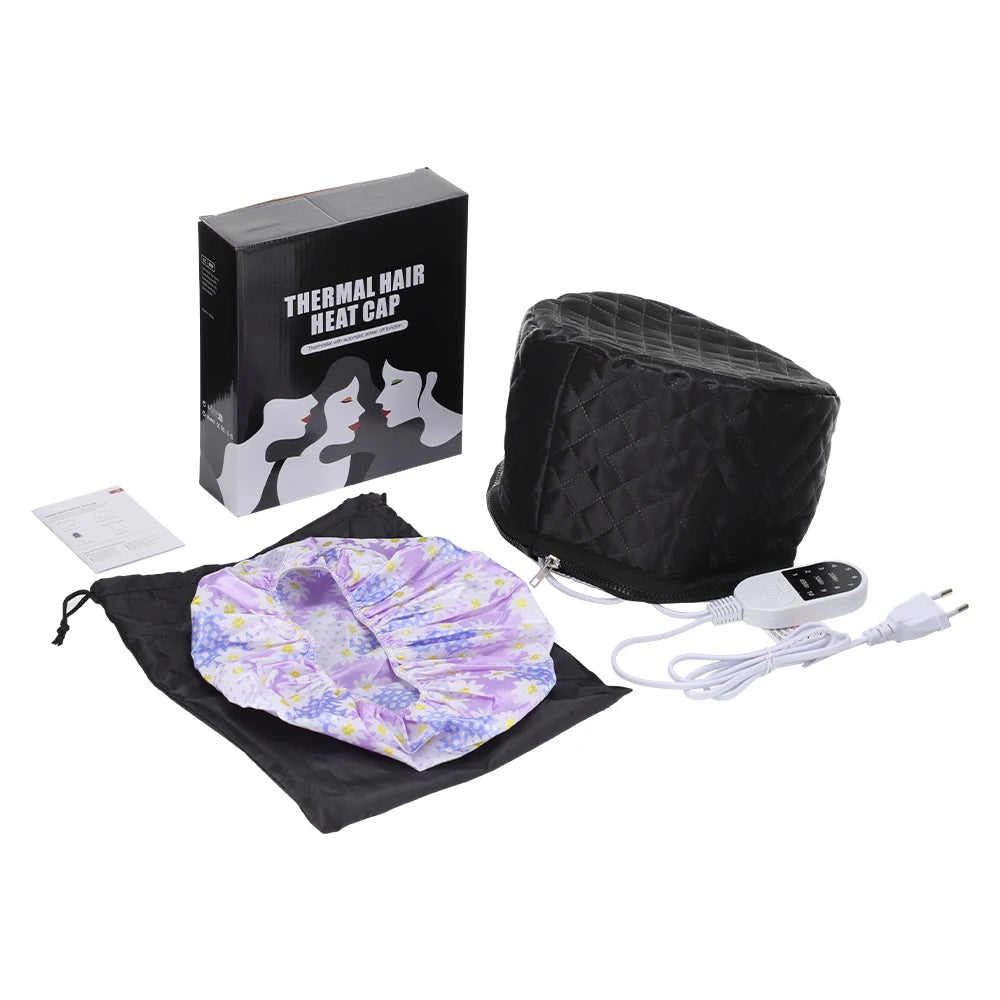
For most dry, coarse, curly, or damaged hair types, gentle warmth can improve the effectiveness of a deep conditioning treatment. Cover your hair with a shower cap, then wrap it in a warm towel or use a heat cap to create mild, consistent warmth. If your hair is fine, healthy, or protein-sensitive, room-temperature conditioning may be sufficient. Avoid excessive heat, which can increase dryness instead of improving moisture retention.
Step 4 — Leave It On for the Recommended Time
Most deep conditioners perform best when left on for 15 to 30 minutes, although richer masks for very dry or textured hair may recommend slightly longer treatment times. Always follow the manufacturer's instructions, especially for protein treatments, since leaving them on longer than directed does not necessarily improve results.
Step 5 — Rinse Thoroughly and Style
Rinse thoroughly with cool or lukewarm water to remove excess product while helping smooth the cuticle. Hair should feel soft and hydrated rather than coated or greasy. Finish with a leave-in conditioner, lightweight serum, or nourishing oil if additional moisture or frizz control is needed before styling.
Why consistency matters more than product price
Healthy hair develops through consistent care rather than occasional intensive treatments. Following a regular deep conditioning routine that matches your hair type often produces better long-term hydration, smoother texture, and less breakage than relying on premium products used only occasionally. Proper application, adequate processing time, and choosing the right moisture or protein balance usually have a greater impact than brand alone.
How Long Should You Leave Deep Conditioner In?
The ideal treatment time depends on both the product formula and your hair's condition. Most moisturizing deep conditioners work effectively within 15 to 30 minutes, while some intensive masks or treatments designed for highly textured hair may recommend slightly longer. Always read the product instructions because different active ingredients require different processing times.
- Fine or thin hair: About 10–20 minutes is usually sufficient to hydrate without weighing hair down.
- Medium, thick, curly, or coily hair: Approximately 20–40 minutes allows richer formulas more time to condition the hair evenly.
- Protein treatments: Follow the manufacturer's recommended timing carefully to help avoid stiffness or protein overload.
- Using gentle heat: Heat may improve conditioning efficiency, so some products achieve optimal results in less time when used with a shower cap and gentle warmth.
Leaving deep conditioner on significantly longer than recommended rarely provides additional benefits and may increase product buildup or leave hair feeling heavy. Consistent weekly treatments are generally more effective than extending a single session.
How Often Should You Deep Condition Your Hair?
How often to deep condition depends on your hair texture, level of damage, styling habits, and environmental exposure. Adjusting your routine as your hair changes throughout the year helps maintain moisture without over-conditioning.
Frequency by hair type
- Dry, damaged, bleached, or heat-styled hair: Deep condition 1–2 times each week, alternating moisture and protein treatments when needed.
- Normal or healthy hair: A weekly treatment is usually enough to maintain hydration and smoothness.
- Fine or oily hair: Deep condition every 1–2 weeks using lightweight formulas focused on the mid-lengths and ends.
- Curly and coily hair: Weekly treatments often help maintain elasticity and reduce dryness, with additional moisture during colder or drier seasons if needed.
If your hair starts feeling limp, greasy, or overly soft, reduce the frequency or switch to a lighter formula. If it remains brittle, rough, or difficult to detangle, increasing moisture treatments or alternating with occasional protein conditioning may help restore balance.
Deep Conditioning by Hair Type
Straight Hair
Straight hair typically needs lightweight hydration rather than rich, heavy formulas. Choose deep conditioners with lightweight moisturizers, apply mainly from the mid-lengths to the ends, and leave the treatment on for 10–20 minutes to avoid reducing volume.
Wavy Hair
Wavy hair benefits from a balanced formula that provides moisture without making strands limp. Focus on the ends where dryness is most common, and deep condition about once a week to maintain softness while preserving natural movement.
Curly Hair
Curly hair naturally loses moisture more quickly because scalp oils travel less efficiently along the bends of each strand. Rich moisturizing masks, gentle heat when appropriate, and careful detangling while the conditioner is in can improve definition, reduce frizz, and minimize breakage.
Coily Hair
Coily hair generally requires the most intensive hydration. Cream-based deep conditioners containing nourishing oils, butters, and humectants can help improve elasticity and reduce dryness. Leaving the treatment on for 20–40 minutes with gentle warmth often produces the best results.
Fine Hair
Fine hair can benefit from deep conditioning without becoming weighed down by selecting lightweight formulas with minimal heavy oils. Apply only to the mid-lengths and ends, rinse thoroughly, and deep condition every one to two weeks as needed.
Color-Treated Hair
Chemically processed hair benefits from sulfate-free, color-safe deep conditioners that combine moisture with occasional protein treatments. This helps support the hair structure while improving softness and maintaining color vibrancy between salon appointments.
Low-Porosity Hair
Low-porosity hair has a tightly closed cuticle that can make it more difficult for conditioning ingredients to penetrate. Applying deep conditioner to freshly cleansed hair and using gentle warmth, such as a shower cap or heat cap, can improve absorption without requiring excessive product.
Deep Conditioning With Normal Conditioner: Does It Work?
A regular rinse-out conditioner can occasionally be used as a substitute for a deep conditioning treatment, but it generally won't deliver the same level of hydration or repair. Standard conditioners are formulated for quick daily use, while deep conditioners contain higher concentrations of conditioning agents designed to remain on the hair longer.
If you only have regular conditioner available, you can improve its performance by:
- Applying a more generous amount than you would for everyday conditioning.
- Leaving it on for approximately 20–30 minutes.
- Covering your hair with a shower cap and using gentle warmth if appropriate for your hair type.
While these techniques may boost hydration, a dedicated deep conditioner or hair mask remains the better choice for dry, damaged, or chemically treated hair because it is specifically formulated for longer contact time and deeper conditioning.
| Normal Conditioner | Deep Mask |
|---|---|
| Lightweight formula for daily use | Richer formula designed for intensive care |
| Primarily smooths the hair surface | Provides longer-lasting hydration and conditioning |
| Works best with extended processing and optional heat | Designed to perform effectively as a treatment |
| Affordable and widely available | Usually higher concentration of conditioning ingredients |
This is why many people pair their conditioner with tools found in the Hair Care and Styling Devices collection to improve results.
Deep Conditioning Without Heat (No Hooded Dryer Needed)
You don't need a hooded dryer to successfully deep condition your hair at home. Although gentle heat may improve absorption for some hair types, consistent application and sufficient processing time remain the most important factors.
- Cover your hair with a shower cap to retain natural body heat.
- Wrap a warm towel around the shower cap for gentle, even warmth.
- Apply your deep conditioner immediately after a warm shower when the hair cuticle is naturally more receptive.
- Allow the product to remain on for the full recommended treatment time before rinsing.
For many people, these simple techniques provide results similar to salon treatments without requiring bulky equipment.
Modern at-home tools, like a reusable steaming cap, make this process easier and more comfortable. Many people choose solutions like the hair steamer cap for consistent heat without bulky equipment.

Deep conditioning without a hooded dryer—simple at-home techniques for healthier, softer hair. See it in action.
Deep Conditioning vs Regular Conditioning: What’s the Difference?
Both regular conditioner and deep conditioner help keep hair healthy, but they are designed for different purposes. Using them together as part of your routine provides better long-term results than relying on either product alone.
- Regular conditioner: Applied after most shampoos to smooth the hair cuticle, improve detangling, reduce friction, and provide lightweight daily hydration.
- Deep conditioner: An intensive treatment formulated with higher concentrations of moisturizing and strengthening ingredients that remain on the hair longer to improve softness, elasticity, and manageability.
Think of regular conditioner as maintenance and deep conditioning as restorative care. Daily conditioning helps protect healthy hair, while weekly deep conditioning supports hair that is dry, damaged, color-treated, or exposed to frequent heat styling.
| Feature | Regular Conditioner | Deep Conditioner |
|---|---|---|
| Purpose | Daily hydration and smoothing | Intensive moisture and strengthening |
| How often to use | After most shampoos | Usually once a week or as needed |
| Processing time | 1–3 minutes | 15–30 minutes or as directed |
| Best for | Routine maintenance | Dry, damaged, curly, or chemically treated hair |
Common Deep Conditioning Mistakes to Avoid
Even high-quality products may deliver disappointing results if they are used incorrectly. Avoid these common mistakes to get the most from every deep conditioning treatment.
- Applying conditioner to dirty hair: Product residue, excess oil, and buildup can reduce the effectiveness of conditioning ingredients. Shampoo first whenever possible.
- Using more product than necessary: Thick layers do not improve performance and may leave hair feeling heavy or greasy. Apply enough to coat the hair evenly.
- Leaving the treatment on for too little—or too long: Rinsing too early limits conditioning, while exceeding the recommended time may contribute to buildup without adding extra benefits.
- Using protein treatments too frequently: Excessive protein can make hair feel stiff or brittle. Alternate protein and moisture treatments based on your hair's condition.
- Skipping thorough rinsing: Residual product may attract dirt and leave hair dull or weighed down. Rinse until hair feels clean, soft, and smooth.
- Applying heavy products directly to the scalp: Unless the product specifically recommends scalp application, focus primarily on the mid-lengths and ends.
Small adjustments to your technique often improve results more than switching products. Following the recommended timing, choosing the correct formula for your hair type, and maintaining a consistent routine are usually the keys to healthier-looking hair.
Frequently Asked Questions
Can I deep condition overnight?
In most cases, no. Most deep conditioners are formulated to work within 15–30 minutes, while some intensive masks may recommend up to 40 minutes depending on the instructions. Leaving a treatment on overnight rarely improves results and may contribute to product buildup, overly soft hair, or scalp irritation. Always follow the directions provided for your specific product.
Does deep conditioning work on all hair types?
Yes. Straight, wavy, curly, coily, fine, and color-treated hair can all benefit from deep conditioning when the formula, frequency, and application method match the hair's individual needs. Choosing the right balance of moisture and protein is more important than using the richest product available.
Should you deep condition before or after shampooing?
Deep conditioning is typically most effective after shampooing because clean hair is free of excess oil and product buildup. This allows conditioning ingredients to coat the hair more evenly and provide better hydration.
Can you deep condition dirty hair?
You can, but results are often less effective. Dirt, styling products, and excess oil create a barrier that limits how well conditioning ingredients adhere to the hair. Washing first generally produces better results.
Should you use heat every time you deep condition?
Not necessarily. Gentle heat can improve conditioning for dry, coarse, curly, coily, or low-porosity hair, but many quality deep conditioners also work well without added heat. Fine or healthy hair often responds well to room-temperature treatments.
Can you deep condition too often?
Yes. Excessive deep conditioning, especially with rich moisturizing products, can leave hair feeling limp, greasy, or difficult to style. Following a schedule based on your hair type—typically once a week for most people—helps maintain a healthy balance.
Can you use a hair mask as a deep conditioner?
Many hair masks are designed to function as deep conditioners. Check the product directions to confirm the recommended processing time and intended use, since some masks focus primarily on moisture while others contain strengthening proteins.
Should you apply deep conditioner to the scalp?
Unless the product is specifically formulated for scalp care, apply deep conditioner mainly to the mid-lengths and ends where dryness and damage are usually greatest. Those with dry scalps should follow the manufacturer's instructions for scalp-safe products.
Can fine hair benefit from deep conditioning?
Absolutely. Fine hair benefits from lightweight deep conditioners used less frequently than thicker hair types. Applying the treatment only to the lengths and ends helps maintain volume while improving softness and reducing breakage.
What ingredients should you look for in a deep conditioner?
The best ingredients depend on your hair's needs. Moisturizing formulas often include glycerin, aloe vera, shea butter, jojoba oil, argan oil, or ceramides, while strengthening treatments may contain hydrolyzed proteins, amino acids, or keratin derivatives. Choosing ingredients that match your hair type will generally produce the best long-term results.













