

How can I dry clothes fast indoors without a dryer?
The fastest way to dry clothes fast without a dryer is to maximize airflow, lower indoor humidity, leave space between garments, and use gentle warmth when available. Together, these conditions speed up evaporation, helping most everyday clothing dry in as little as 2–4 hours instead of taking all day. While exact drying time depends on fabric thickness, room conditions, and how much water remains after washing, this approach is the most effective way to how to dry clothes fast indoors without relying on a traditional tumble dryer.
In this guide, you'll learn how to dry clothes indoors quickly using simple techniques that work in apartments, small homes, and during rainy or cold weather. Follow the step-by-step system below to reduce drying time while helping prevent musty odors and excess indoor moisture.
How to Dry Clothes Fast Indoors (Step-by-Step System That Works)
Drying clothes indoors doesn't have to mean waiting overnight. By combining strong airflow, low humidity, proper garment spacing, and safe, moderate warmth, you can significantly reduce drying time while keeping fabrics fresh and in good condition.
This guide explains the science behind faster indoor drying, practical methods that work in real homes, and the simple setup that delivers the best results without exposing clothes to excessive heat.
⏱ 5 min read
Discover smart tools and space-saving solutions that make laundry day effortless.
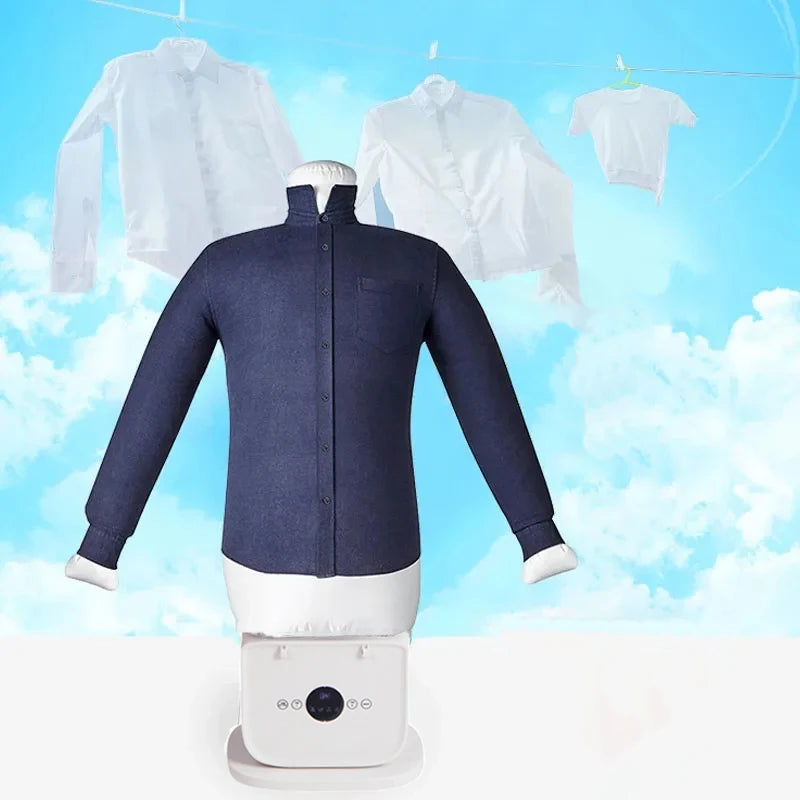
Dry clothes without a dryer faster by improving airflow and spacing garments correctly. See it in action.
The 3 Principles That Speed Up Drying
- Airflow: Moving air continuously removes moisture from fabric surfaces, allowing evaporation to continue at a faster rate.
- Humidity control: Dry air absorbs more moisture than humid air, making ventilation or dehumidification essential for efficient indoor drying.
- Gentle warmth: Mild room temperatures encourage evaporation, but excessive heat can damage delicate fabrics or cause uneven drying.
Fastest Indoor Drying Setup
- Run a high-spin cycle or remove as much water as possible before hanging clothes.
- Hang each garment separately with several inches of space between items.
- Position a fan so air flows across, not just toward, the laundry rack.
- Open a window slightly or improve ventilation whenever outdoor conditions allow.
- Collect drips with a towel or tray to keep the surrounding area dry.
Key takeaway: Air movement, lower humidity, and proper spacing work together to speed evaporation. These simple adjustments consistently outperform relying on room temperature alone and prepare you for the complete step-by-step drying system in the next section.
Why Do Clothes Take So Long to Dry Indoors?
Indoor laundry dries slowly when the surrounding air cannot absorb and carry away moisture. Every wet garment releases water vapor into the room. If that moisture remains trapped because of poor ventilation, high humidity, or limited air movement, evaporation slows dramatically and clothes stay damp for much longer.
The Science of Evaporation Indoors
Evaporation occurs when water on fabric changes into vapor and moves into the surrounding air. The greater the difference between the moisture in your clothes and the moisture already present in the room, the faster drying happens. Once indoor air becomes saturated, evaporation slows until fresh, drier air replaces it.
This is why improving room conditions is often more effective than simply increasing the temperature. Good airflow continuously removes moisture from the fabric surface, allowing evaporation to continue at a steady rate.
How Humidity, Airflow and Temperature Affect Drying
- Humidity: Lower humidity allows air to absorb more moisture from clothing, significantly reducing drying time.
- Airflow: Fans and natural ventilation replace moisture-rich air around garments with drier air, making them one of the most effective ways to speed up clothes drying indoors.
- Temperature: Moderately warm rooms encourage evaporation, but excessive heat can shrink fabrics, damage elastic fibers, or dry garments unevenly.
Balancing these three factors produces faster drying while helping prevent lingering odors and excess indoor moisture.
What Slows Drying Down Most in Homes
- Poor air circulation around the drying rack
- High indoor humidity caused by rain, cooking, or showers
- Garments touching, folding over themselves, or overlapping
- Cold rooms with little natural ventilation
- Heavy fabrics such as towels and denim mixed tightly with lighter clothing
Improving the drying environment is often enough to reduce drying time without using a conventional tumble dryer.
Step-by-Step System: How to Dry Clothes Indoors Quickly
Step 1 — Remove Excess Water Properly
Start by removing as much water as possible before hanging clothes. A high-speed spin cycle is usually more effective and gentler than hand wringing. For delicate fabrics, gently press out excess water with a clean towel instead of twisting the material, which can stretch fibers and increase drying time.
Step 2 — Maximize Airflow Around Clothes
Position a fan so air moves across the entire drying rack rather than directly at a single garment. Leave enough space between items for air to circulate freely on all sides. Consistent airflow is one of the most effective ways to dry laundry fast inside while reducing the chance of musty odors.
Step 3 — Control Humidity Levels
Whenever possible, open a window slightly or dry clothes in a well-ventilated room. If outdoor humidity is high, using a dehumidifier can remove moisture from the air and help maintain steady evaporation throughout the drying process.
Step 4 — Use Strategic Heat Safely
Warm indoor temperatures can shorten drying times, but avoid placing clothing directly against radiators, portable heaters, fireplaces, or other intense heat sources. Gentle ambient warmth combined with moving air is generally the safest and most effective approach for most fabrics.
Step 5 — Optimize Spacing and Layout
Hang shirts, pants, towels, and bedding individually with visible gaps between each item. Spread sleeves, open pockets, and unfold thick fabrics so hidden damp areas are exposed to circulating air. Rotating larger garments halfway through drying can also improve overall results.
Fastest Methods by Situation (Real-Life Scenarios)
Small Apartments or No Ventilation
Limited space doesn't have to mean slow drying. Position a folding drying rack where air can circulate freely, then place a fan so it blows across the entire rack instead of directly at one garment. If possible, leave a door or window slightly open to create fresh airflow. Avoid drying clothes in cramped corners where moisture can build up.
Rainy days increase indoor humidity, making evaporation much slower. Dry laundry in the least humid room available and avoid kitchens or bathrooms, where steam from cooking and showers adds extra moisture. If you own a dehumidifier, running it alongside a fan is one of the most effective indoor laundry drying hacks for humid conditions.
Drying Clothes Overnight
To wake up with dry clothes, remove as much water as possible during the spin cycle, spread garments well apart, and keep air moving throughout the night. Lightweight fabrics often dry completely overnight, while heavier items such as jeans or towels may need additional time depending on room humidity.
Winter Drying
Cold outdoor temperatures don't prevent effective indoor drying, but closed windows can trap moisture indoors. Use gentle heating together with continuous airflow, and ventilate the room briefly whenever practical. This reduces condensation while helping clothes dry more evenly.
Emergency Drying Without a Dryer
When you need clothing ready quickly, press out additional moisture using the towel-roll method, then hang the garment where moving air can reach every surface. Prioritize lightweight fabrics, as they respond fastest to increased airflow and lower humidity.
How to Speed Up Clothes Drying Indoors (Advanced Hacks)
Towel Roll Method
Lay damp clothing flat on a clean, dry towel, roll both together tightly, and press firmly along the length of the roll. The towel absorbs a significant amount of remaining moisture before the garment is hung, reducing drying time without exposing fabric to excessive heat.
Fan + Window Crossflow
Create a crossflow by positioning a fan to move air toward a slightly open window or doorway. Instead of allowing humid air to remain around your laundry, this setup continually replaces it with drier air, helping speed up clothes drying indoors more efficiently than using still air alone.
Dehumidifier vs Fan
Each tool improves drying in a different way. A fan increases air movement around wet fabric, while a dehumidifier removes moisture from the room. In dry climates, a fan alone may be enough. In damp environments, combining both usually produces the fastest and most consistent drying results.
Improve Air Circulation Safely
Keep drying racks several inches away from walls, avoid covering heating vents, and leave enough space between garments so air can circulate freely. Resist the temptation to place clothing directly on radiators, portable heaters, or other high-temperature appliances, as concentrated heat can damage fabrics and create uneven drying.
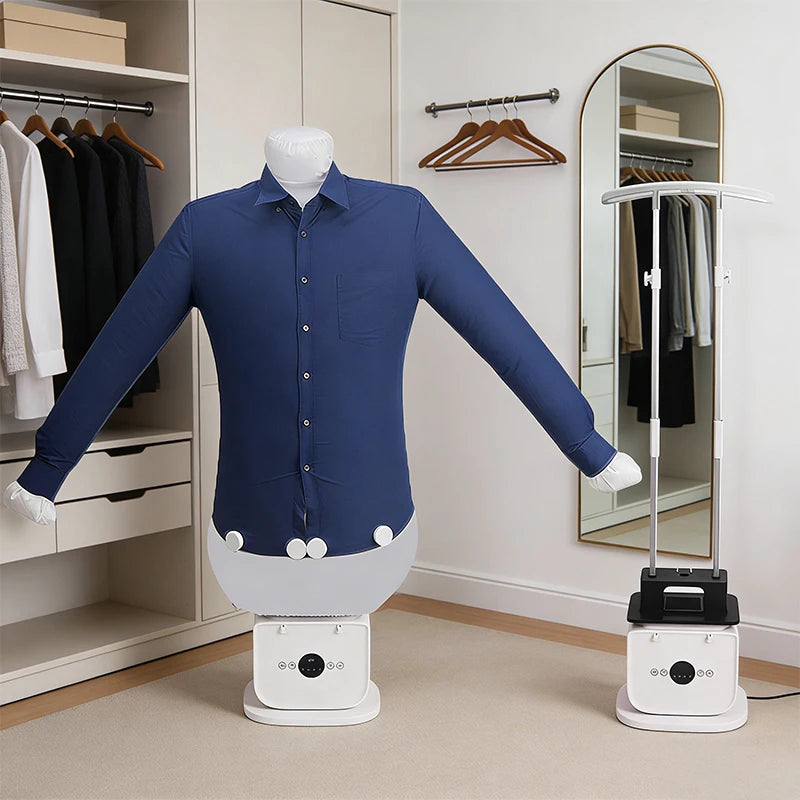
Indoor drying can leave clothes fresh, soft, and ready to wear when airflow and humidity are properly managed. See it in action.
Common Indoor Drying Mistakes That Slow You Down
Even with a good drying setup, a few common mistakes can add hours to drying time or leave clothes smelling musty. Avoiding these issues helps improve efficiency while protecting your fabrics.
Overcrowding Clothes
When garments touch or overlap, air cannot circulate around the fabric evenly. Hang each item with enough space for airflow to reach all sides, especially thicker clothing such as hoodies, jeans, and towels.
Poor Ventilation
Drying laundry in a completely closed room traps moisture indoors. Open a window when weather permits, leave interior doors open, or use a fan to keep humid air moving out of the drying area.
Using Too Much Heat
High heat does not always mean faster drying. Placing clothes directly against radiators, portable heaters, or other hot surfaces can damage delicate fabrics, shrink natural fibers, and create uneven drying. Gentle warmth combined with good airflow is a safer and more effective solution.
Ignoring Humidity
Many people focus on temperature but overlook humidity. When indoor air is already saturated with moisture, evaporation slows dramatically. Using ventilation or a dehumidifier can make a noticeable difference, particularly during rainy weather or winter.
| ❌ Mistake | ✅ Better Option |
|---|---|
| Overcrowding clothes | Leave space between garments for better airflow |
| Drying in sealed rooms | Improve ventilation with a fan or open window |
| Skipping water removal | Use a high-spin cycle or the towel-roll method first |
| Relying on still air | Keep air moving continuously with a fan |
| Using excessive heat | Choose gentle warmth instead of direct heat sources |
| Ignoring room humidity | Reduce moisture with ventilation or a dehumidifier |
Helpful Tools That Make Drying Clothes Faster Indoors
Good drying habits provide the biggest improvement, but the right equipment can make indoor laundry faster, more convenient, and more consistent—especially during cold or humid weather.
Fans
A standard pedestal, tower, or box fan increases airflow across wet garments, helping moisture evaporate more quickly. Fans are inexpensive to operate and often provide the greatest improvement for everyday indoor drying.
Dehumidifiers
In humid climates or poorly ventilated homes, a dehumidifier removes excess moisture from the air so clothes continue drying efficiently. It can also help reduce condensation and improve indoor comfort.
Heated Drying Racks
Heated airers use gentle warmth to speed evaporation while remaining more fabric-friendly than high-temperature appliances. They are particularly useful for delicate garments, children's clothing, or small laundry loads.
When Extra Equipment Is Worth It
If you frequently dry laundry indoors because of limited outdoor space, frequent rain, or apartment living, investing in dedicated drying equipment can save time and improve convenience. One option many households consider is a portable clothes dryer , which uses controlled airflow to help garments dry faster while reducing exposure to harsh heat.
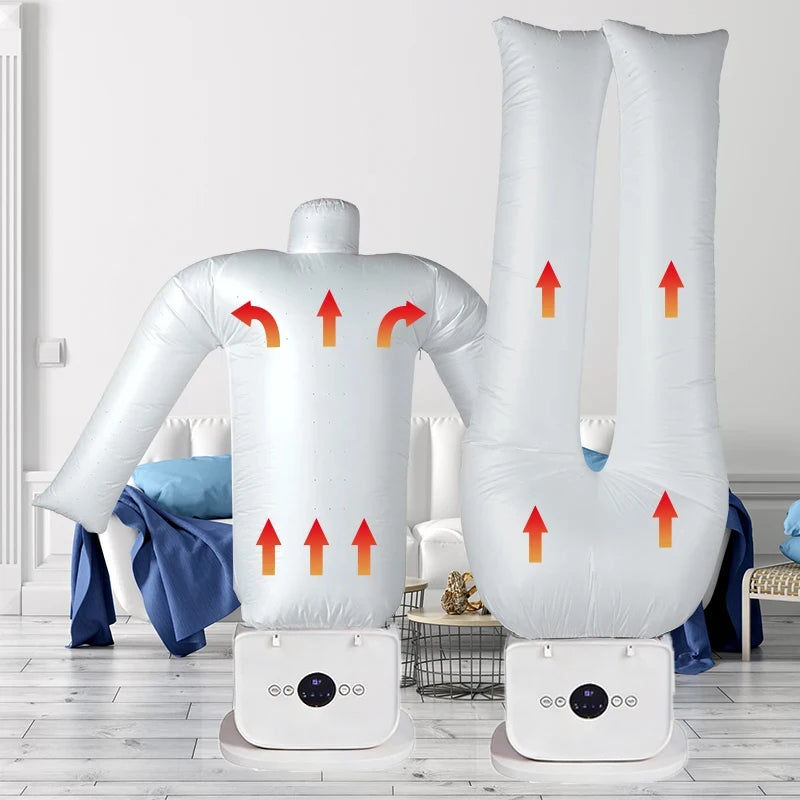
Efficient indoor drying helps clothes stay fresh and ready to wear while minimizing drying time. See it in action.
Troubleshooting: Why Your Clothes Still Feel Damp or Smell
If laundry isn't drying as expected, the cause is usually related to airflow, humidity, or the way garments are arranged. Identifying the problem early helps prevent musty odors, excessive indoor moisture, and unnecessary rewashing.
Clothes Stay Damp
If clothes remain wet after several hours, there is likely too little air circulation or too much moisture in the room. Increase airflow with a fan, separate overlapping garments, and use a higher spin cycle before hanging future loads. Thick items such as towels, jeans, and bedding naturally require more drying time than lightweight fabrics.
Musty Odors
A musty smell usually develops when clothing stays damp for too long. If an odor remains after the garment has dried, washing it again is often the best solution because odor-causing bacteria may already have developed. To prevent repeat problems, improve ventilation, reduce indoor humidity, and avoid leaving wet laundry sitting in the washing machine.
Condensation Problems
If you notice moisture collecting on windows or walls while drying clothes indoors, the room is becoming too humid. Open windows when conditions allow, run a fan or dehumidifier, and avoid drying large loads in small enclosed spaces. Managing excess moisture also helps protect your home from mold and mildew.
Quick fix: For the fastest results, remove as much water as possible before hanging clothes, leave space between garments, keep air moving continuously, and control indoor humidity throughout the drying process.
Frequently Asked Questions
What is the fastest way to dry clothes indoors without a dryer?
The fastest method combines a high-speed spin cycle, generous spacing between garments, continuous airflow from a fan, and low indoor humidity. Under favorable conditions, lightweight clothing can dry in as little as 2–4 hours.
Does a fan or a dehumidifier dry clothes faster?
A fan increases evaporation by moving air across wet fabrics, while a dehumidifier removes moisture from the room. In humid environments, using both together generally produces the quickest drying times.
How long do clothes take to dry indoors?
Most garments dry within 4–12 hours depending on fabric type, room temperature, humidity, and airflow. Thin synthetic fabrics usually dry faster than cotton, denim, towels, or bedding.
Can I safely dry clothes indoors in winter?
Yes. Use good ventilation, continuous airflow, or a dehumidifier to prevent excess indoor moisture and condensation while allowing clothes to dry efficiently.
Why do clothes smell musty after air drying indoors?
Musty odors typically occur when laundry remains damp for too long or is dried in a humid, poorly ventilated room. If the smell persists after drying, rewashing the garment is recommended before drying it again under better conditions.
Which fabrics dry the fastest indoors?
Lightweight synthetic performance fabrics generally dry the quickest, followed by thinner cotton garments. Heavy cotton, denim, towels, and wool usually require considerably more drying time.
Is it safe to dry clothes near a heater or radiator?
It's better to avoid placing clothing directly on radiators or portable heaters. Gentle room warmth combined with good airflow provides faster, more even drying while reducing the risk of fabric damage.
How can I dry towels and bedding faster indoors?
Use the highest suitable spin cycle, shake out bulky items before hanging, spread them fully open, and maintain strong airflow. Turning thick items over halfway through drying can also improve results.
Learning how to dry clothes fast indoors is less about using high heat and more about creating the right drying environment. By combining effective airflow, lower humidity, and proper garment spacing, you can dry clothes more quickly, reduce musty odors, and keep fabrics in better condition throughout the year.













