

How can you find foot veins safely at home?
Quick answer (safe method overview)
To find foot veins safely at home, begin by warming your feet, staying well hydrated, and using bright side lighting to improve contrast. Let your foot rest slightly below heart level for a few minutes, then observe the top of the foot where the dorsal foot vein is commonly visible. Focus on visual observation only, avoid pressing forcefully, and stop if you experience pain, swelling, or discomfort.
When it is safe vs. not safe to attempt
Looking for visible foot veins is generally safe on healthy skin when done as a simple visual observation. However, you should avoid home attempts if you have diabetes, significant swelling, poor circulation, infection, recent foot injuries, severe pain, or a history of vascular disease. If you're uncertain about what you're seeing, it's safer to seek professional advice.
Important safety note: vein identification is not the same as self-injection
This guide explains how to find foot veins safely at home for educational purposes and to better understand foot anatomy. Identifying a visible vein should never be considered guidance for self-injection or any invasive procedure. If a medical procedure requires vein access, it should always be performed by appropriately trained healthcare professionals.
How to Find Foot Veins Safely at Home
⏱ 7 min read
Finding foot veins at home can feel intimidating, especially if you've tried before and ended up frustrated or unsure. This guide explains safe vein finding techniques, basic foot vein anatomy, and practical ways to improve visibility without excessive pressure or repeated trial and error.

Visible foot veins become clearer with the right approach — See it in action
Understanding Foot Vein Anatomy (Beginner-Friendly)
Where are foot veins located?
Most superficial foot veins are located on the top (dorsal side) of the foot, just beneath the skin. They connect with larger veins around the ankle and lower leg, carrying blood back toward the heart. Their exact position varies from person to person, so your vein pattern may not look identical to diagrams.
What is the dorsal foot vein?
The dorsal foot vein, often referred to as the dorsal venous arch, forms a network across the top of the foot. It commonly appears as faint blue or green lines with smaller branches extending toward the toes, making it one of the easiest superficial veins to observe.
How veins differ from arteries and tendons
Beginners often confuse veins with tendons. Tendons usually appear as firm, straight cords that become more noticeable when you flex your toes, while veins generally have a softer appearance and may appear bluish or greenish beneath the skin. Arteries are located deeper and typically cannot be identified by simple visual inspection.
Why Foot Veins Are Hard to See for Many People
Biological factors affecting visibility
Not everyone has easily visible foot veins. Genetics, skin thickness, body composition, and natural vein depth all influence how noticeable veins appear. Some people simply have veins positioned deeper beneath the skin.
Temporary factors (temperature, hydration, lighting)
Cold temperatures cause blood vessels to constrict, making visible foot veins less noticeable. Dehydration, poor lighting, and prolonged inactivity may also reduce contrast, making veins harder to distinguish.
How skin tone, age and swelling affect visibility
Skin tone naturally affects how easily superficial veins can be seen. Individuals with darker skin tones may benefit more from angled lighting than direct overhead lighting. Age-related skin changes, temporary swelling, or fluid retention can also make normal vein patterns more difficult to observe.
Foot Veins Diagram: Visual Guide to Improve Accuracy
How to read a foot veins diagram
A foot veins diagram provides a general reference for the most common vein pathways. Rather than searching for an exact match, use the diagram to understand where veins are typically located before examining your own foot.
Common vein patterns in the foot
Many people have a visible vein arch across the top of the foot with smaller branches extending toward each toe. Others may have one dominant vein or several smaller branches. Both patterns can be completely normal.
Diagram limitations and anatomical variation
No diagram can perfectly represent every person's anatomy. Natural differences in vein placement, branching patterns, and visibility mean your foot may look quite different from illustrations while still being entirely normal.
Step-by-Step Method to Find Foot Veins at Home
Preparation checklist
- Warm your feet using a warm towel or short warm-water soak.
- Drink adequate water throughout the day.
- Choose bright side lighting rather than overhead lighting.
- Sit comfortably with your foot relaxed and slightly below heart level.
- Allow several minutes for circulation to adjust naturally.
Step-by-step safe method
- Relax your foot without tightening your toes.
- Position a light source from the side to create gentle shadows.
- Look for subtle blue or green lines beneath the skin.
- Compare what you see with a basic foot vein anatomy diagram.
- Observe without repeatedly pressing or manipulating the skin.
Visual and tactile identification techniques
Good lighting usually provides more useful information than touch alone. If you gently rest your fingertips on the skin, avoid pressing firmly. Tendons become more pronounced when you move your toes, whereas superficial veins often remain in place and may appear softer beneath the skin. If you're uncertain, it's better to avoid guessing than continue repeated examination.
What to do if veins are not visible
If you still cannot locate visible veins, try improving lighting, warming your feet again, or waiting until your body is relaxed. Multiple unsuccessful attempts usually won't improve results and may only cause unnecessary frustration.

A focused light highlights visible foot veins — See it in action
Safe Techniques to Improve Vein Visibility in Feet
Warming techniques
Gentle warmth encourages superficial blood vessels to relax, making veins easier to observe. A warm towel or a brief soak is usually sufficient. Avoid excessive heat that could irritate the skin.
Hydration and circulation tips
Maintaining normal hydration supports healthy circulation. Light movement, such as walking briefly or gently moving your ankles and toes, may help improve natural blood flow before observation.
Lighting and positioning adjustments
Position a bright lamp or flashlight at an angle instead of directly overhead. Side lighting increases contrast and often reveals subtle vein outlines that are otherwise difficult to see.
Methods that should be avoided
Avoid squeezing, repeatedly tapping, aggressive rubbing, or using extremely hot water to force veins to appear. These approaches are unlikely to improve visibility and may irritate the skin.
Common Mistakes That Make Veins Harder to Find
Mistakes beginners make
- Looking for veins in a cold environment.
- Using only overhead room lighting.
- Pressing firmly on the skin.
- Expecting diagrams to match their anatomy exactly.
Risky behaviors to avoid
Avoid repeated attempts over a short period, excessive pressure, or any invasive activity. Safe vein finding techniques rely on careful observation rather than force.
Signs you may be identifying the wrong structure
If the structure becomes more prominent only when you curl or straighten your toes, you're likely seeing a tendon rather than a vein. Veins also tend to have a branching pattern, whereas tendons usually appear straighter and more defined.
| ❌ Mistake | ✅ Better Approach |
|---|---|
| Looking in cold conditions | Warm the feet first |
| Using only overhead lighting | Use angled or focused lighting |
| Pressing firmly on the skin | Observe gently without pressure |
| Expecting identical anatomy | Use diagrams as general references |
Tools That Make Finding Foot Veins Easier (Optional)
Basic home tools
A bright flashlight, adjustable desk lamp, or magnifying glass can improve visibility by increasing contrast and making subtle vein patterns easier to observe.
How vein finder devices work
Many vein finder devices use specialized light or infrared-based technology to increase contrast between superficial veins and surrounding tissue. These devices do not diagnose medical conditions, but they may help users better visualize naturally visible vein pathways under appropriate conditions.
When to consider vein finder devices
If standard lighting isn't providing enough visibility, a dedicated vein finder may help reduce guesswork during simple anatomical observation. One option many users choose is the KentDO Blue Light Vein Finder Pen , which is designed to improve visualization of superficial vein pathways for home observation.
For broader wellness resources, you can also explore Body Care and Health Devices to support healthy circulation awareness and everyday comfort.
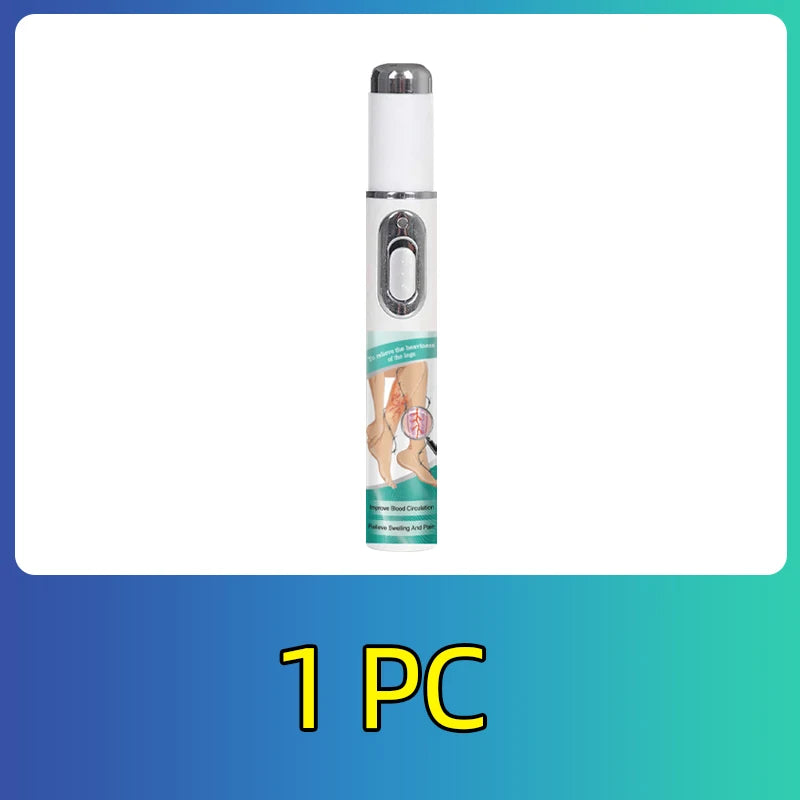
Designed for clarity and confidence — See it in action
When NOT to Try Finding Foot Veins at Home
Medical warning signs
Do not continue attempting to locate foot veins if you notice redness, swelling, warmth, severe pain, drainage, skin infection, sudden discoloration, or symptoms suggesting poor circulation.
Who should avoid home attempts
People with diabetes-related foot complications, significant peripheral vascular disease, severe edema, active wounds, or recent foot surgery should avoid repeated home attempts without guidance from a healthcare professional.
When to seek professional help
If you remain unable to identify veins, develop new symptoms, or have concerns about your circulation, consult a qualified healthcare provider instead of continuing repeated attempts at home.
Troubleshooting: If You Still Cannot Find a Foot Vein
Recheck preparation
Before trying again, confirm that your feet are comfortably warm, your lighting is positioned from the side, and you've given yourself enough time to relax. Small adjustments often make a bigger difference than repeated searching.
When repeated attempts are unhelpful
If your veins remain difficult to see after several careful attempts on different days, further manipulation is unlikely to improve visibility. Normal anatomical variation means some people's superficial veins simply aren't easy to observe.
Safer alternatives
If you frequently need to identify superficial veins for medical reasons, discuss the situation with your healthcare provider. They can recommend the safest approach and determine whether specialized visualization equipment is appropriate.
Frequently Asked Questions
Why do my foot veins disappear sometimes?
Cold temperatures, dehydration, reduced circulation, and changes in body position can temporarily make foot veins less visible.
Is the dorsal foot vein the same for everyone?
No. Although the general location is similar, branching patterns and visibility vary considerably between individuals.
Can tools really help beginners?
Yes. Good lighting and vein finder devices may improve contrast, making naturally visible veins easier to identify without excessive manipulation.
How long does it take to make veins visible?
After warming the feet and allowing circulation to adjust naturally, vein visibility may improve within several minutes, although results vary.
Are visible foot veins a sign of good circulation?
No. Visible veins alone do not reliably indicate overall circulation health. Genetics, skin thickness, lighting, and anatomy all influence visibility.
Conclusion: Safe and Accurate Vein Finding at Home
Learning how to find foot veins safely at home starts with understanding normal foot vein anatomy, using appropriate lighting, and recognizing that every person's vein pattern is unique. Observe rather than force, stop if you experience pain or concerning symptoms, and seek professional medical advice whenever you're unsure or have underlying health conditions affecting circulation.













