

Does Bunion Treatment Without Surgery Really Work?
Yes—bunion treatment without surgery can work for many people, but the results depend on the severity of the bunion and consistent treatment. While conservative care cannot remove the bony prominence, it can relieve pain, reduce pressure on the joint, improve toe alignment, slow progression, and help you stay active. People with mild to moderate bunions generally benefit the most from a combination of supportive footwear, toe alignment devices, exercises, orthotics, and healthy daily habits.
⏱ 12 min read
How to Get Rid of Bunions Without Surgery (Step-by-Step Guide)
Do bunions make you avoid your favorite shoes, skip walks, or feel self-conscious about your feet? You're not alone. Many people assume surgery is the only answer, but learning how to fix bunions safely at home can restore comfort, confidence, and better foot function without an operation. This guide explains what actually works, what doesn't, and how to build an effective daily routine based on evidence and realistic expectations.
Can You Really Get Rid of Bunions Without Surgery?
If you're searching for how to get rid of bunions without surgery, it's important to separate symptom management from permanent structural correction. Conservative treatment is designed to improve comfort and function while slowing progression rather than eliminating the bunion completely.
What Non-Surgical Treatment Can and Cannot Do
Non-surgical bunion treatment focuses on reducing pressure across the big toe joint, supporting healthier toe alignment, improving walking mechanics, and minimizing pain and inflammation. When performed consistently, many people notice meaningful improvements in daily comfort.
- Reduce pain during walking and standing
- Improve toe positioning while wearing alignment devices
- Decrease irritation from footwear
- Slow worsening of the deformity
- Improve balance and foot function
However, home treatment cannot permanently remove the enlarged bone or completely reverse an established bunion.
Can Bunions Be Reversed Without Surgery?
In most adults, bunions cannot be fully reversed without surgery because the underlying joint position has changed over time. Early-stage bunions may show modest improvements in alignment with consistent use of toe spacers, splints, exercises, and wider footwear, but the primary goal is long-term symptom control rather than complete correction.
When Surgery Becomes Necessary
Surgery may become appropriate when pain remains severe despite months of conservative treatment, walking becomes difficult, daily activities are limited, or the toe continues to drift significantly. If your symptoms remain mild to moderate, non-surgical treatment is often the recommended first step.
Explore gentle options designed for daily relief
What Causes Bunions and Why They Get Worse
Bunions develop when the big toe gradually shifts toward the smaller toes while the first metatarsal bone moves in the opposite direction. Over time this changes how weight is distributed across the foot, causing irritation, inflammation, and the familiar bump near the base of the big toe.
The Biomechanics Behind Bunion Formation
The metatarsophalangeal (MTP) joint normally allows the big toe to bend efficiently during walking. When joint alignment changes, surrounding ligaments, tendons, and muscles begin pulling unevenly. This imbalance increases pressure with every step and gradually worsens the deformity if left unmanaged.
Risk Factors: Genetics, Foot Shape, Shoes and Arthritis
- Inherited foot structure or family history
- Flat feet or excessive pronation
- Narrow, pointed or high-heeled shoes
- Inflammatory arthritis such as rheumatoid arthritis
- Occupations requiring prolonged standing
- Weak foot muscles and poor walking mechanics
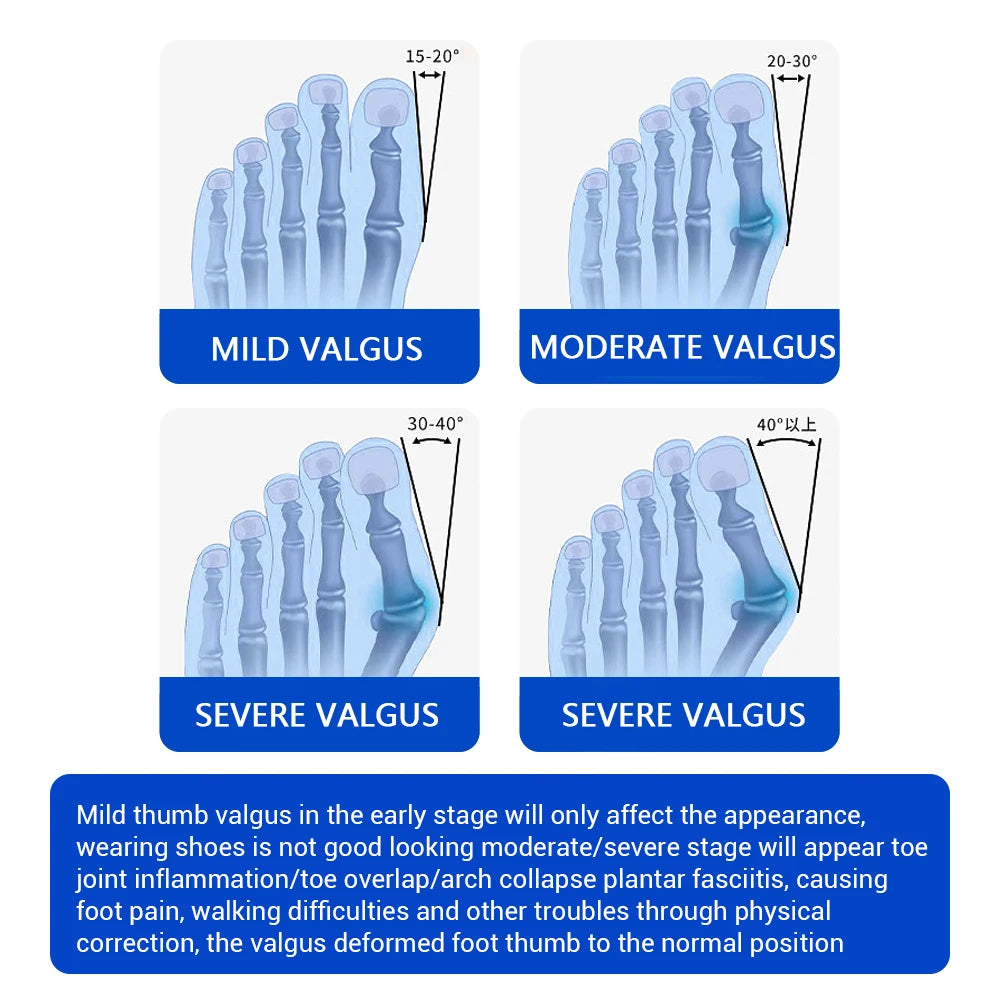
Visual guide to how to fix bunions naturally and comfortably See it in action
Step-by-Step Bunion Treatment Without Surgery
Step 1 – Choose Footwear With a Wide Toe Box
The simplest and often most effective first step is wearing shoes that allow your toes to spread naturally. Look for a wide toe box, supportive sole, flexible upper material, and a low heel. Proper footwear immediately reduces pressure on the bunion and lowers irritation during walking.
Step 2 – Use Toe Spacers, Correctors and Splints
Toe spacers create space between the first and second toes, while bunion correctors and night splints provide gentle alignment support. These devices work best for mild to moderate bunions and should be viewed as tools for improving comfort rather than permanently reshaping the joint.
Step 3 – Perform Daily Toe and Foot Exercises
Targeted exercises strengthen the intrinsic muscles of the foot, improve mobility, and encourage healthier movement patterns. Performing them consistently is more important than exercising intensely.
Step 4 – Reduce Pain and Inflammation
Ice packs, short periods of rest after prolonged standing, gentle massage, and activity modification help calm irritated tissues during flare-ups.
Step 5 – Support Your Feet With Orthotics
Orthotics help redistribute pressure beneath the foot, improve stability, and reduce excessive pronation that may contribute to bunion progression. Many people benefit from quality over-the-counter inserts, while complex foot mechanics may require custom orthotics.
Learn step by step how to support your toes at home
Best Exercises to Realign Toes Without Surgery
Toe Spread Exercise
Spread your toes apart as far as comfortably possible, hold for five seconds, then relax. Repeat 10–15 times, once or twice daily to improve muscle activation.
Towel Curls
Place a towel on the floor and use your toes to pull it toward you. This exercise strengthens the small stabilizing muscles that support the arch and forefoot.
Short Foot Exercise
Without curling your toes, gently shorten your foot by lifting the arch. Hold for 5–10 seconds and repeat 10 times. This exercise improves foot stability during walking.
Big Toe Mobility Drill
Use your hand to gently move the big toe up, down, and slightly away from the second toe within a comfortable range. Perform for one to two minutes daily without forcing painful movement.
Orthotics vs Bunion Splints vs Toe Spacers
| Option | Best For | Main Benefit | Limitation |
|---|---|---|---|
| Orthotics | Walking and standing | Redistributes pressure and improves mechanics | Does not directly realign the toe |
| Toe Spacers | Mild bunions and daily wear | Maintains toe spacing and comfort | Benefits require consistent use |
| Bunion Splints | Evening or resting | Provides gentle alignment support | Not intended for active walking |
Rather than choosing only one option, many people achieve the best results by combining supportive footwear, orthotics when needed, and toe alignment devices as part of a comprehensive non surgical bunion correction plan.
How to Fix Bunions at Home: Daily Routine
Morning Routine
Begin with five to ten minutes of stretching, perform toe mobility exercises, and put on supportive shoes before leaving the house. Avoid spending long periods barefoot on hard flooring.
During the Day
Take movement breaks, avoid tight footwear, maintain good walking posture, and switch shoes if pressure develops around the bunion.
Evening Recovery
Use a toe spacer or bunion corrector while relaxing, perform strengthening exercises, massage the foot if stiff, and apply ice after particularly active days.
Natural Bunion Remedies That Actually Help
Ice, Massage and Stretching
Natural remedies cannot remove a bunion, but they can make symptoms easier to manage.
- Ice packs for 15 to 20 minutes after activity
- Gentle massage to reduce muscle tension
- Foot and calf stretching to improve mobility
- Warm Epsom salt soaks for temporary comfort
Remedies That Don't Work
There is no reliable evidence that creams, essential oils, magnets, or supplements can dissolve a bunion or permanently straighten the toe. Be cautious of products promising rapid structural correction.
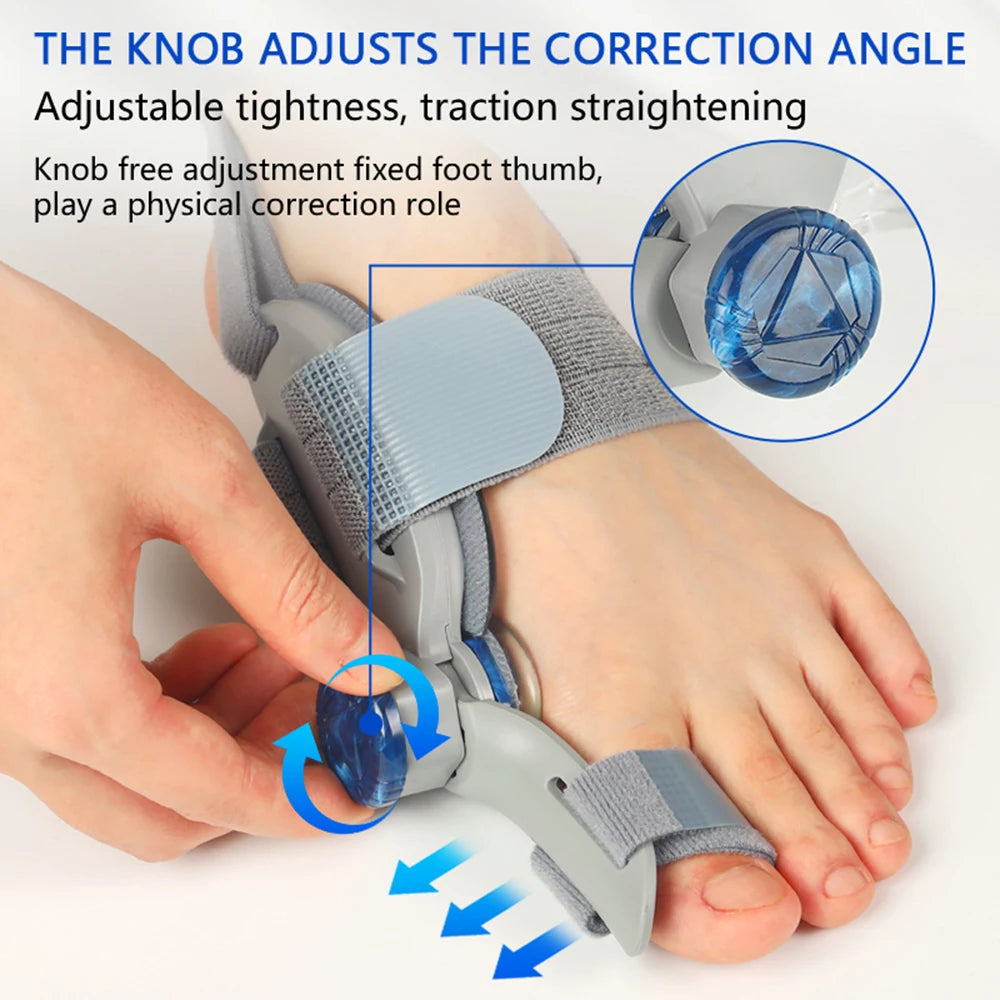
Natural remedies for bunions paired with alignment support See it in action
Mistakes That Make Bunions Worse
- Continuing to wear narrow or high-heeled shoes despite pain.
- Ignoring persistent swelling and hoping symptoms disappear.
- Expecting toe spacers or splints to permanently correct severe bunions.
- Stopping exercises once symptoms improve.
- Delaying professional evaluation when walking becomes difficult.
How to Measure Progress at Home
Simple Toe Alignment Checks
Take photographs from the same angle every four to six weeks, compare how your shoes fit, and note whether the big toe rests in a more comfortable position during daily activities.
Signs Treatment Is Working
- Lower daily pain scores
- Reduced swelling after activity
- Improved comfort in shoes
- Better walking endurance
- Greater toe flexibility and mobility
Do Bunion Correctors and Splints Really Work?
Bunion correctors can provide meaningful support when used consistently as part of a broader treatment plan. They are most helpful for relieving pressure, encouraging healthier toe positioning, and improving comfort during rest. They are less effective for severe deformities where joint changes are already advanced.
Explore supportive solutions within Body Care and Health Devices to complement your routine.
Get yours now — support your feet today
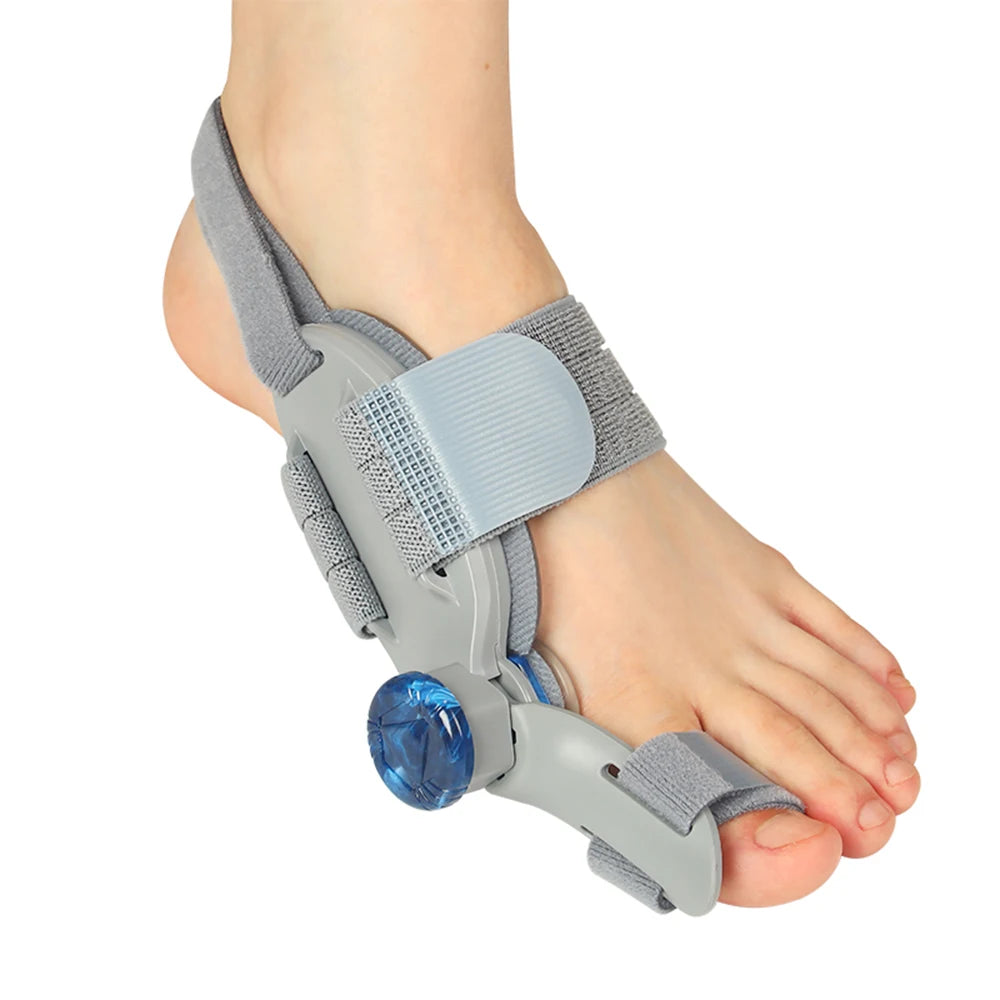
How to fix bunions with consistent support See it in action
When Home Treatment Is No Longer Enough
Warning Signs
- Persistent pain despite several months of conservative treatment
- Difficulty walking or exercising
- Rapid progression of toe deformity
- Repeated swelling, redness, or skin breakdown
When to See a Foot Specialist
Consult a podiatrist or orthopedic foot specialist if home treatment no longer controls symptoms or your bunion significantly limits daily activities. Early assessment may help prevent additional joint damage and determine whether surgery should be considered.
Frequently Asked Questions
How long does it take to reduce bunions without surgery?
Many people notice less pain within several weeks, while improvements in comfort and toe positioning often require several months of consistent treatment.
Can bunions be reversed naturally?
No. Bunions generally cannot be completely reversed without surgery, although symptoms and progression can often be managed successfully.
What is the best non-surgical bunion treatment?
The best approach combines wide footwear, toe alignment devices, strengthening exercises, orthotics when appropriate, and healthy daily habits.
Can bunions come back?
Yes. Even after symptoms improve, bunions may worsen again if pressure, poor footwear, or abnormal foot mechanics are not addressed.
Are bunion correctors safe for daily use?
Most bunion correctors are safe when used according to manufacturer instructions and should never cause severe pain or numbness.
Can a bunion disappear without surgery?
No. Conservative treatment improves symptoms but does not eliminate the underlying bony prominence.
Do toe spacers permanently fix bunions?
No. Toe spacers help maintain alignment and reduce pressure while being worn but are not a permanent structural correction.
What shoes are best for bunions?
Choose shoes with a wide toe box, supportive cushioning, flexible uppers, and low heels to minimize pressure on the big toe joint.
Can exercises straighten a bunion?
Exercises improve strength, mobility, and function, but they cannot fully straighten an established bunion.
Are orthotics worth using for bunions?
Yes. Orthotics can improve walking mechanics and reduce pressure on painful areas, especially for people with flat feet or overpronation.
How do you sleep comfortably with a bunion?
Many people find relief by wearing a comfortable night splint or toe spacer if recommended, avoiding pressure from bedding, and keeping inflammation under control before bed.
Can walking make bunions worse?
Walking itself is usually beneficial, but poorly fitting shoes or excessive pressure on the joint can aggravate symptoms.
Which bunions respond best to conservative treatment?
Mild to moderate bunions with manageable pain typically respond best to non-surgical treatment started early and followed consistently.













