

How can you improve foot circulation at home effectively?
If you're wondering how to improve foot circulation at home, the most effective approach is to combine regular movement, gentle foot massage, warmth, and calf-activating exercises throughout the day. These simple, evidence-based habits help improve foot circulation naturally by encouraging healthy blood flow, easing tired aching feet, reducing leg fatigue from standing, and keeping your feet feeling warmer and more comfortable. While many people notice relief after a few consistent sessions, lasting improvements typically come from making these techniques part of your daily routine.
⏱ 12 min read
How to Improve Foot Circulation at Home Effectively
Do your feet regularly feel cold, heavy, swollen, or achy after sitting or standing for long periods? Poor circulation can contribute to discomfort, stiffness, and end-of-day fatigue, but in many cases, simple lifestyle changes can help support healthier blood flow. This guide explains how to improve foot circulation at home using practical, science-informed techniques that fit easily into everyday life. You'll learn what causes circulation problems, how to recognize early warning signs, and which home strategies may help you feel better sooner.
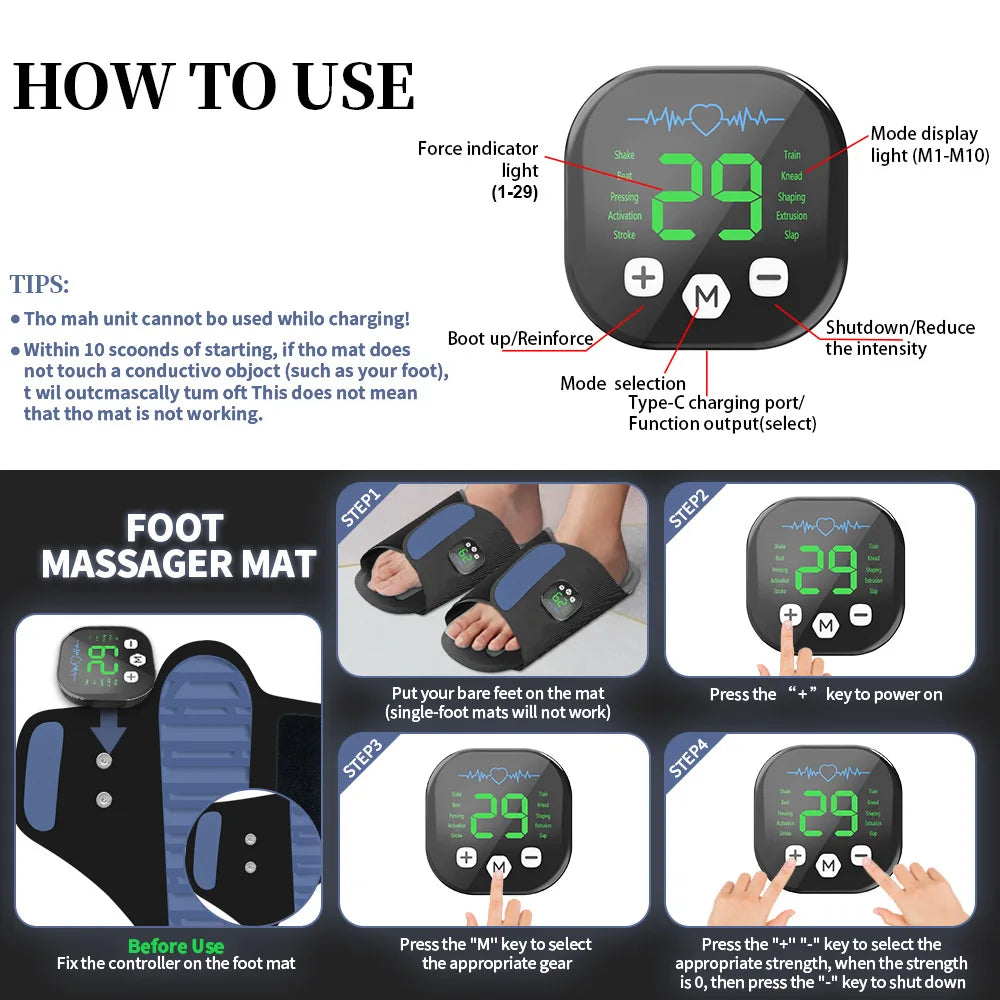
Improve foot circulation and ease tired aching feet daily — See it in action
Understanding Poor Foot Circulation
Healthy circulation delivers oxygen and nutrients to the muscles, skin, and nerves in your feet while helping remove waste products from the tissues. When blood flow becomes less efficient, your feet may feel colder, tire more easily, or take longer to recover after daily activities. Understanding the underlying causes and recognizing early symptoms can help you choose the right self-care strategies and know when professional medical evaluation is appropriate.
Causes of Poor Circulation in Feet
The causes of poor circulation in feet range from everyday habits to underlying medical conditions. Common contributing factors include:
- Prolonged sitting, driving, or standing without regular movement
- Peripheral artery disease (PAD) , which narrows arteries and limits blood flow
- Diabetes and neuropathy , which may affect both circulation and nerve function
- Smoking, which damages blood vessels and restricts circulation
- Excess body weight and low levels of physical activity
- Poorly fitting footwear that creates unnecessary pressure on the feet
Signs of Poor Circulation in Feet
The signs of poor circulation in feet often develop gradually. Paying attention to early symptoms may help prevent further problems. Common signs include:
- Feet that frequently feel cold compared with the rest of the body
- Numbness, tingling, or "pins and needles" sensations
- Swelling around the feet or ankles
- Changes in skin color or temperature
- Muscle cramping during walking that improves with rest
- Slow-healing cuts, blisters, or sores
When to See a Doctor
Home care can support healthy circulation, but it should not replace medical treatment when serious symptoms are present. Seek medical evaluation promptly if you experience persistent foot pain, non-healing wounds, severe swelling, sudden color changes, one foot becoming much colder than the other, or symptoms that continue to worsen. People with diabetes, known vascular disease, or suspected PAD should discuss ongoing circulation concerns with their healthcare provider before relying solely on home remedies.
How to Improve Foot Circulation in Minutes
If your feet feel stiff, cold, or fatigued, a few minutes of targeted movement can encourage healthier blood flow. The most effective exercises to improve foot circulation activate the calf muscles, increase ankle mobility, and reduce the effects of prolonged sitting or standing. These techniques are easy to perform at home, at work, or while traveling.
Quick Exercises That Boost Blood Flow
These simple movements help increase blood flow to the feet by encouraging the natural pumping action of the leg muscles.
- Toe Flexes: Lift, spread, and curl your toes 10–15 times to activate the small muscles in the feet.
- Ankle Circles: Rotate each ankle slowly clockwise and counterclockwise for 10–15 repetitions to improve joint mobility.
- Heel Raises: Stand with feet hip-width apart and lift your heels 10–20 times. This activates the calf muscles, which help return blood from the lower legs toward the heart.
- Foot Pumps: While seated, alternate pressing your toes down and lifting them toward your shins for 30–60 seconds.
- Toe-to-Heel Rocks: Shift your weight smoothly from your heels to the balls of your feet for one minute to keep circulation moving.
For the best results, repeat these exercises every hour if your job requires prolonged sitting or standing.
Simple Foot Massage Techniques
Foot circulation massage techniques can help reduce muscle tension, encourage relaxation, and temporarily improve local blood flow. Gentle pressure is usually sufficient—deep or painful massage is not necessary.
- Use your thumbs to slowly press and roll along the arch from heel to forefoot.
- Massage each toe individually for 10–15 seconds using gentle circular motions.
- Knead the heel and ball of the foot to release tight tissues.
- Finish by stroking from the toes toward the ankle to promote venous return.
If you experience significant pain, numbness, open wounds, or diabetic foot complications, consult your healthcare provider before performing vigorous massage.
Walking and Ankle Mobility
Walking is one of the simplest ways to increase blood flow to your feet because it repeatedly contracts the calf muscles and improves circulation throughout the lower legs. Even brief movement breaks can make a noticeable difference after long periods of inactivity.
- Walk for 5–10 minutes whenever possible during the day.
- Flex and point your feet while sitting during travel or desk work.
- Alternate standing and walking instead of remaining in one position for extended periods.
- Combine ankle circles with short walks to keep joints flexible and muscles active.
Step-by-Step Daily Routine That Works
Consistency matters more than intensity. Building a few circulation-friendly habits into your morning, workday, and evening can help improve foot circulation naturally while reducing daily discomfort.
Morning Routine to Wake Up Feet
- Stretch your toes, ankles, and calves before getting out of bed.
- Soak your feet in comfortably warm water for 3–5 minutes if they feel cold or stiff.
- Apply lotion or massage oil and perform a gentle 2–3 minute foot massage.
- Finish with 10–15 heel raises before starting your day.
Midday Movement Breaks
- Stand and move at least once every hour.
- Perform one to two minutes of heel raises or foot pumps.
- Take a brisk 5–10 minute walk whenever your schedule allows.
- Use a foot roller under your desk for gentle muscle stimulation between tasks.
Evening Relaxation Techniques
- Elevate your feet above heart level for 10–15 minutes to help reduce swelling.
- Try a contrast bath by alternating warm water for 3 minutes with cool water for 30 seconds, repeating 2–3 cycles if comfortable.
- Finish with gentle calf, ankle, and plantar fascia stretches before bedtime.
Warmth, Contrast Therapy, and Compression
Several home remedies for poor foot circulation can complement regular exercise and stretching. Warmth, contrast therapy, and compression each work differently, so choosing the right method depends on your symptoms and overall health. These approaches may temporarily improve comfort and blood flow, but they are not substitutes for medical treatment if circulation problems are caused by an underlying vascular condition.
Warm Soaks and Heating Pads
Warmth encourages blood vessels near the skin to widen, making it a simple option for people whose feet often feel cold or stiff. A warm foot soak or heating pad can also relax tight muscles after a long day.
- Soak your feet in comfortably warm—not hot—water for 5–10 minutes.
- Use a heating pad on a low or medium setting for 10–15 minutes.
- Dry your feet thoroughly afterward, especially between the toes.
- Follow warmth with gentle ankle movements or a short walk for additional circulation benefits.
Avoid excessive heat if you have reduced sensation from diabetes or neuropathy, as burns may occur without being noticed.
Contrast Baths (Hot & Cold)
Contrast therapy alternates warm and cool water to stimulate changes in blood vessel diameter. Many people use this technique to help reduce feelings of heaviness and support recovery after prolonged standing or exercise.
- Begin with warm water for about 3 minutes.
- Switch to cool water for approximately 30 seconds.
- Repeat the cycle 2–3 times.
- Always finish with the temperature that feels most comfortable for your condition.
If you have peripheral artery disease, severe diabetes-related circulation problems, open wounds, or significant nerve damage, consult your healthcare provider before trying contrast baths.
Compression Socks & Elevation
Compression socks gently support the veins in your lower legs, helping blood return toward the heart and reducing swelling caused by prolonged sitting or standing. Elevating your feet complements compression by encouraging fluid drainage and relieving pressure.
- Wear properly fitted compression socks during long workdays or travel if recommended by your healthcare provider.
- Elevate your feet above heart level for 10–15 minutes once or twice daily.
- Move your ankles and toes while your legs are elevated to encourage continued circulation.
- Remove compression garments if they become painful, excessively tight, or cause skin irritation.
Compression socks are not appropriate for everyone. People with certain forms of severe peripheral artery disease or other circulation disorders should seek medical advice before using them.
Smart Adjustments for Standing or Sedentary Jobs
Long periods of standing or sitting can slow circulation and contribute to tired, aching feet. Small ergonomic changes and regular movement breaks help reduce pressure on the feet while keeping muscles active throughout the day.
Footwear & Insoles
Supportive footwear plays an important role in reducing fatigue and improving overall comfort. Shoes that fit well allow your feet to move naturally without unnecessary pressure.
- Choose shoes with adequate arch support and cushioning.
- Replace worn-out footwear that no longer provides shock absorption.
- Consider supportive insoles if you stand for several hours each day.
- Avoid shoes that are excessively tight around the toes or midfoot.
Desk Ergonomics & Microbreaks
If you spend most of your day sitting, regular movement is one of the most effective ways to maintain healthy circulation.
- Stand and walk for 2–5 minutes every hour.
- Perform seated ankle circles and foot pumps between tasks.
- Keep both feet flat on the floor instead of crossing your legs for extended periods.
- Adjust your chair height so your knees remain comfortably bent and your feet are well supported.
Relieve Foot Fatigue from Standing
If your work requires standing for long periods, combining movement with supportive equipment can help relieve foot fatigue from standing and reduce end-of-day soreness.
- Shift your weight regularly instead of remaining in one position.
- Alternate resting one foot on a small footrest when possible.
- Walk briefly during scheduled breaks to reactivate the calf muscles.
- Stretch your calves and ankles after work to reduce stiffness.
- Elevate your feet for several minutes once you get home to ease swelling and discomfort.
Helpful Tools to Make It Easier
While daily movement remains the foundation of healthy circulation, certain tools can make your routine more convenient and comfortable. These devices work best as supplements to regular exercise, stretching, and healthy lifestyle habits—not as replacements for appropriate medical care.
Massage Balls, Rollers, and Stimulators
Simple massage tools can support foot circulation massage techniques by reducing muscle tension and encouraging movement in the soft tissues of the feet.
- Massage balls: Roll the arch of your foot over a textured or smooth massage ball for 2–3 minutes per foot to relieve tightness.
- Foot rollers: Keep a roller under your desk to perform gentle massage during work breaks or while seated.
- Electric foot massagers: For people who prefer automated massage, devices can provide consistent kneading or vibration. One option is the KentDO Plantar Foot Massager Pad , which may help ease tired feet after long days of standing or walking.
Use massage tools with light to moderate pressure, especially if you have sensitive feet. Avoid using them directly over open wounds, areas of infection, or recent injuries, and consult your healthcare provider if you have diabetes-related nerve damage or significant circulation disorders.
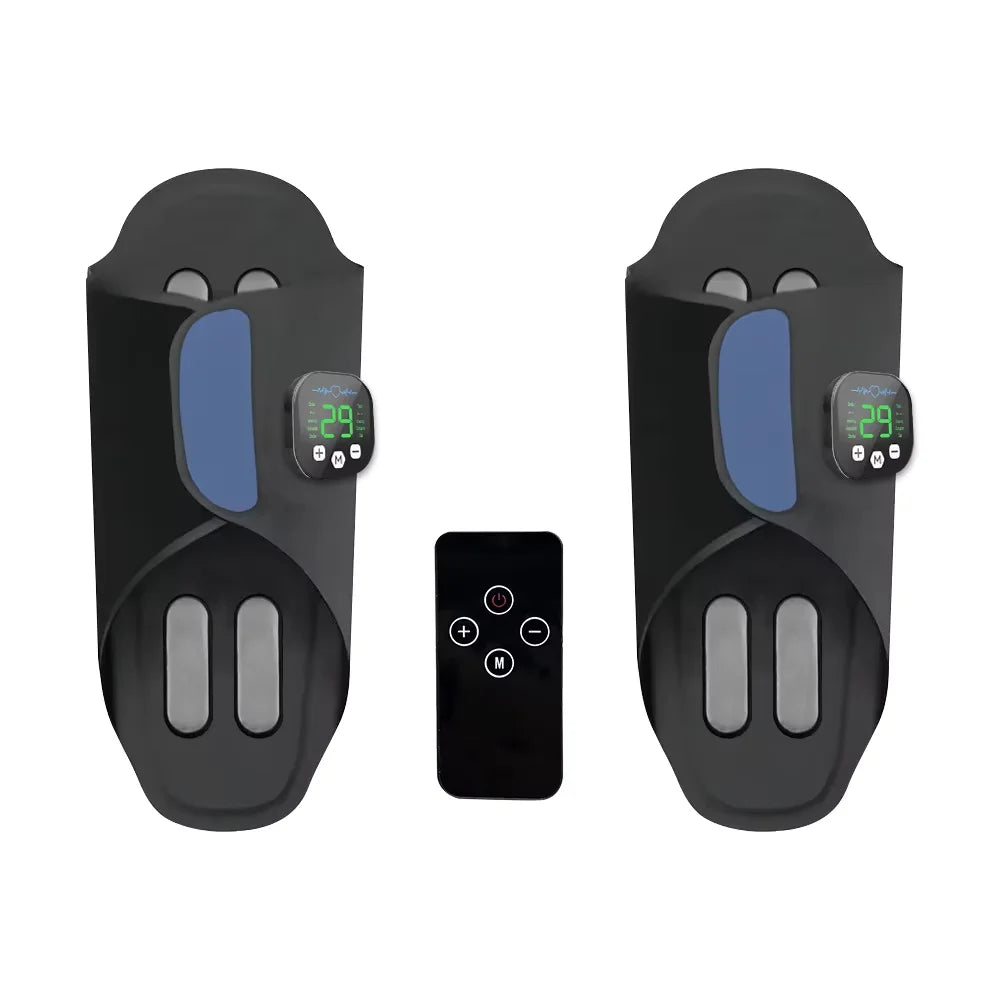
Beat foot fatigue from long workdays — See it in action
Compression and Recovery Accessories
Recovery accessories can help complement your daily circulation routine, particularly if you spend long hours sitting, standing, or traveling.
- Compression socks: May help reduce swelling and support healthy venous blood flow when properly fitted.
- Footrests: Elevating your feet slightly while sitting can improve comfort and reduce prolonged pressure.
- Foam rollers: Rolling the calves helps relax tight muscles that contribute to lower-leg fatigue.
- Supportive recovery sandals: Cushioned footwear worn after activity may improve comfort by reducing stress on tired feet.
No single device can permanently improve circulation on its own. For the best results, combine supportive tools with regular walking, ankle mobility exercises, stretching, and healthy daily habits. If symptoms continue to worsen despite consistent home care, seek medical evaluation to identify any underlying vascular or neurological conditions.
Quick Answers to Common Questions
How Long Does It Take to See Results?
Many people notice warmer feet, reduced stiffness, or less end-of-day discomfort within one to two weeks of consistently performing circulation exercises, walking regularly, and avoiding prolonged inactivity. If poor circulation is related to conditions such as peripheral artery disease or diabetes, improvement depends on treating the underlying cause as well as maintaining healthy daily habits.
Is Foot Massage Safe to Do Daily?
For most healthy adults, gentle foot massage is safe to perform every day and may help relieve muscle tension while temporarily improving local blood flow. Avoid deep pressure over painful areas, recent injuries, open wounds, infections, or swollen veins. People with diabetes, neuropathy, or vascular disease should ask their healthcare provider about the safest massage techniques.
Can This Help Foot Fatigue from Long Workdays?
Yes. Combining regular movement breaks, calf exercises, supportive footwear, foot massage, and periodic elevation can help relieve foot fatigue from standing or sitting for extended periods. Small movement sessions performed throughout the day are often more effective than waiting until discomfort becomes severe.
How to Fix Cold Feet Circulation?
If your feet frequently feel cold, start with gentle ankle exercises, a short walk, warm foot soaks, and appropriate socks to help maintain warmth. Staying physically active throughout the day is one of the most effective ways to improve circulation naturally. However, persistent cold feet accompanied by pain, skin color changes, numbness, or non-healing wounds should be evaluated by a healthcare professional.
Can Poor Circulation in the Feet Be Reversed Naturally?
When poor circulation is primarily caused by inactivity or prolonged sitting, lifestyle changes such as regular walking, stretching, weight management, and quitting smoking can significantly improve circulation over time. If an underlying medical condition is responsible, home care should be used alongside professional treatment rather than as a replacement.
What Is the Fastest Way to Increase Blood Flow to Your Feet?
The quickest methods include walking for several minutes, performing ankle circles and heel raises, using foot pumps while seated, and warming your feet with a comfortable foot bath. These activities stimulate the calf muscles, which play an important role in returning blood from the lower legs.
Which Exercises Improve Foot Circulation the Most?
Heel raises, ankle circles, foot pumps, toe flexes, and regular walking are among the most effective exercises because they activate the muscles responsible for promoting healthy blood flow throughout the feet and lower legs.
Does Foot Massage Really Improve Circulation?
Gentle massage can temporarily increase local blood flow, reduce muscle tightness, and improve relaxation. Although massage alone cannot treat underlying vascular disease, it can be a helpful addition to a comprehensive circulation routine that includes regular movement and healthy lifestyle habits.
Are Cold Feet Always Caused by Poor Circulation?
No. Cold feet may also result from cool environments, low body fat, stress, certain medications, thyroid disorders, anemia, or nerve-related conditions. If cold feet are persistent or accompanied by pain, numbness, or changes in skin color, medical evaluation is recommended.
Who Should Avoid Compression Socks or Contrast Baths at Home?
People with severe peripheral artery disease, significant diabetic nerve damage, open wounds, active skin infections, or other serious circulation disorders should consult a healthcare provider before using compression garments or alternating hot and cold water therapies.
For more self-care ideas that fit busy lives, explore the Beauty & Self-Care Blog and Body & Face Blog .













