

Does Foot Massage Really Improve Circulation?
Short answer: Foot massage can temporarily improve blood flow and warmth, but long-term circulation benefits depend on consistent movement, muscle activation, and daily habits.
What the evidence shows
Massage works by stimulating soft tissues and gently dilating surface blood vessels, which can create a warming effect and short-term relief. However, it does not replace the role of active muscle contraction (especially in the calves) that drives circulation over time.
For best results, combine foot massage for blood circulation with exercises, walking, and proper foot care.
How to Improve Foot Circulation at Home (Step-by-Step Guide)
Cold feet, numb toes, or that heavy, tired feeling at the end of the day are more common than you think. If you’ve ever wondered how to improve foot circulation at home without complicated routines or clinic visits, you’re not alone. The good news? Small, consistent habits can significantly improve blood flow, comfort, and mobility.
How Blood Circulation Works in Your Feet
The calf muscle pump explained
Your lower legs act like a natural pump. Each time your calf muscles contract, they push blood upward toward the heart. This is often called the calf muscle pump , and it plays a critical role in keeping blood moving efficiently through your feet and legs.
Why movement improves blood flow
Without movement, blood can pool in the lower extremities, leading to swelling, coldness, or discomfort. Simple actions like walking, flexing your ankles, or standing periodically help activate this pump and improve circulation naturally.
Signs of Poor Circulation in Feet (Do You Have It?)
Recognizing the signs of poor circulation in feet early can help you take action before symptoms worsen.
- Cold feet even in warm environments
- Tingling or numbness in toes
- Swelling in feet or ankles
- Cramping or throbbing pain
- Skin discoloration (pale, bluish, or reddish)
- Slow healing of cuts or sores
Symptoms that need urgent medical care
- Sudden severe pain or swelling
- Loss of sensation
- Open wounds that do not heal
- Dark or bluish discoloration
If these occur, home remedies are not enough—seek medical evaluation promptly.
⏱ 8 min read
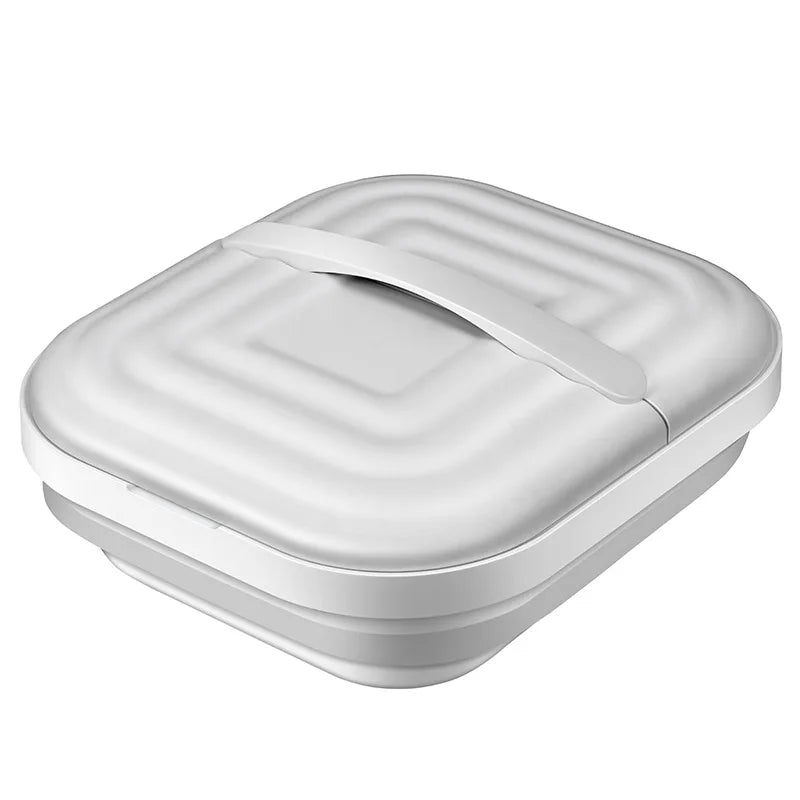
how to improve foot circulation with daily comfort rituals See it in action
Why Poor Foot Circulation Happens
Common medical and lifestyle causes
- Inactivity: Sitting for long periods reduces blood flow
- Tight footwear: Restricts vessels
- Cold exposure: Causes vasoconstriction
- Chronic conditions: Diabetes, peripheral artery disease
- Poor posture: Crossing legs or slouching
Conditions that mimic poor circulation
Not all symptoms are circulation-related. Nerve conditions (neuropathy) can cause tingling or numbness, while joint or muscle issues may cause pain. Identifying the root cause helps guide the right solution.
How to Improve Foot Circulation at Home Step by Step
Step 1 – Warm Up and Activate Muscles
Start with light movement to prepare tissues and stimulate blood flow.
- Foot flex and point (15 reps)
- Gentle ankle circles (10 each direction)
Step 2 – Foot Exercises for Circulation
Activate the calf pump and improve circulation.
- Heel raises (10–15 reps)
- Toe curls and spreads
- Ankle pumps
Step 3 – Self-Massage
Use massage techniques to relax tight areas and improve comfort.
Step 4 – Elevation and Relaxation
- Elevate feet above heart level for 10–15 minutes
- Combine with slow breathing
Step 5 – Walking and Daily Movement
A short walk (5–10 minutes) helps sustain circulation improvements throughout the day.
Best Foot Exercises for Circulation
Ankle pumps
Flex and point your feet repeatedly (15–20 reps).
Heel raises
Lift heels while standing to activate calf muscles (10–15 reps).
Toe curls
Grip the floor with your toes to strengthen foot muscles.
Walking progression
Start with short walks and gradually increase duration to improve circulation naturally.
Foot Massage for Blood Circulation: Techniques That Work
Step-by-step self-massage
- Warm feet if possible
- Stroke from toes to heel
- Apply pressure along the arch
- Massage toes individually
- Finish with ankle circles
Manual vs massage tools
| Method | Pros | Cons |
|---|---|---|
| Manual massage | Free, flexible | Requires effort |
| Massage devices | Consistent pressure, less effort | Requires equipment |
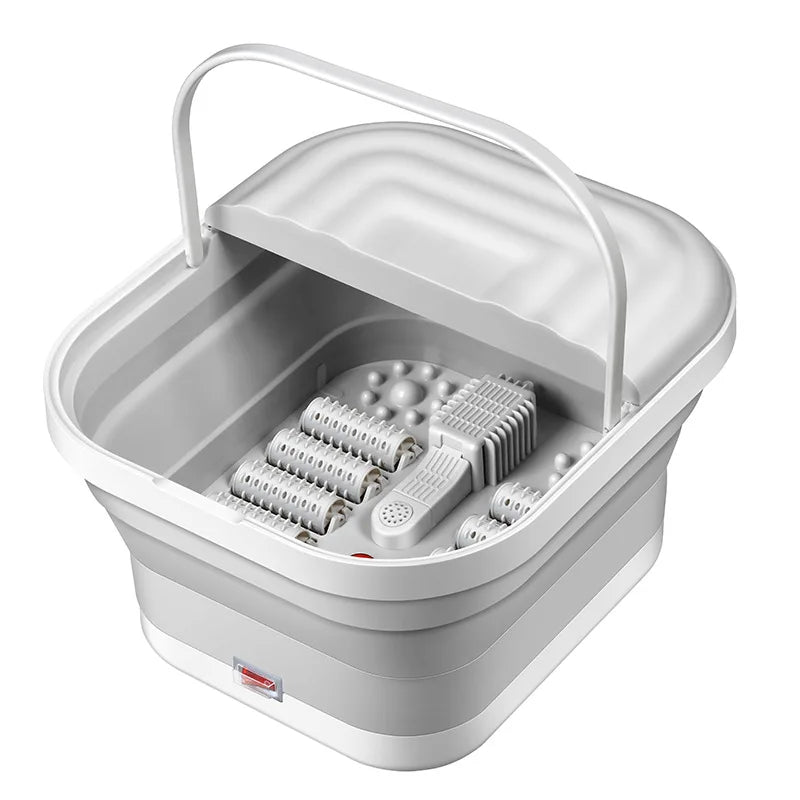
foot massage circulation for daily cold feet relief See it in action
Natural Ways to Improve Circulation in Feet
Hydration
Staying hydrated helps maintain healthy blood volume.
Nutrition
Foods like leafy greens, garlic, and ginger support circulation.
Keeping feet warm
Warmth helps dilate blood vessels and improve flow.
Healthy footwear
Choose shoes that do not restrict blood flow.
Daily Habits That Restrict Circulation
Sitting too long
Take movement breaks every 30–60 minutes.
Smoking
Reduces blood vessel function and circulation efficiency.
Tight footwear
Avoid shoes or socks that compress blood vessels.
Build a Simple Daily Routine to Boost Circulation in Feet and Legs
Morning routine
- 5 minutes of foot exercises
- Light stretching
Evening routine
- Foot massage or warm soak
- Elevation for 10–15 minutes
For convenience, many people use tools like the KentDO Heated Foot Bath Massager to combine warmth and massage in one step.
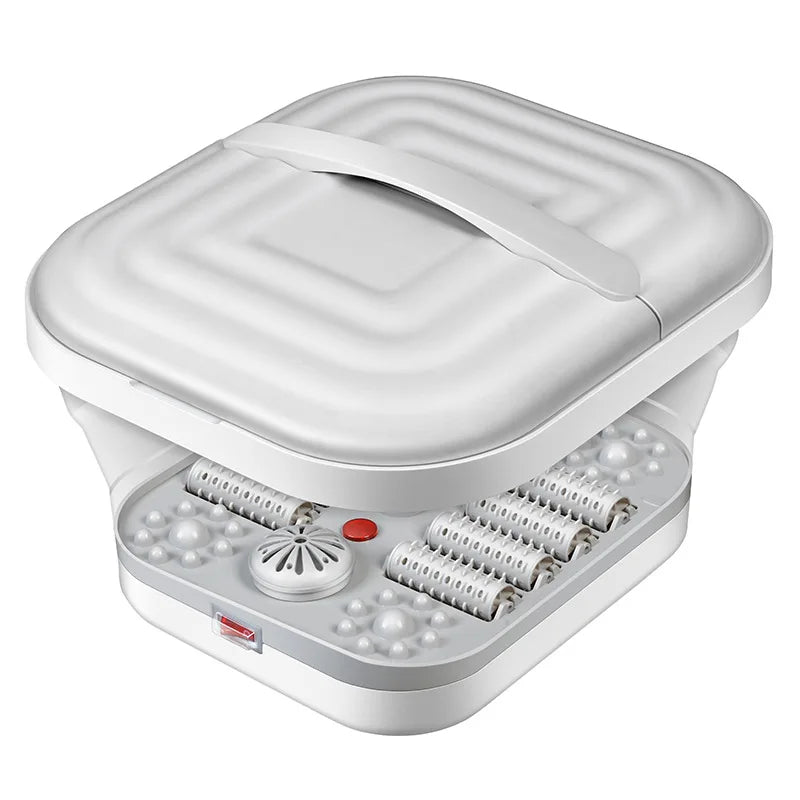
benefits of heating feet for nightly relaxation See it in action
At-Home Foot Circulation Options Compared
| Method | Best For | Effectiveness |
|---|---|---|
| Exercises | Long-term circulation | High |
| Massage | Short-term relief | Moderate |
| Compression socks | Swelling control | Moderate |
| Heating methods | Warmth and comfort | Moderate |
When to See a Doctor About Poor Foot Circulation
Red flag symptoms
- Persistent pain
- Severe numbness
- Non-healing wounds
Who should seek evaluation sooner
People with diabetes, vascular conditions, or worsening symptoms should consult a healthcare provider early.
Frequently Asked Questions About Foot Circulation
How to increase blood flow to feet quickly?
Movement, massage, and warmth provide immediate improvements.
How long does it take to improve circulation in feet?
Immediate relief is possible, but lasting improvement takes consistent habits over weeks.
Are foot exercises or massage more effective?
Exercises provide long-term benefits; massage provides short-term relief.
Is poor circulation reversible naturally?
In many cases, yes—especially when caused by lifestyle factors.
Can drinking more water improve foot circulation?
Yes, hydration supports healthy blood flow.
Do compression socks improve circulation at home?
They can help reduce swelling and support venous return, especially when combined with movement.
For more wellness routines and self-care ideas, explore the Body Care and Health Devices collection and discover tools designed to support everyday comfort at home.













