

Do Insoles Improve Foot Stability?
Yes—foot stability insoles can improve balance, alignment, and control when they match your foot type and are used correctly. They work by supporting the natural structure of your feet, reducing excessive motion (like overpronation), and distributing pressure more evenly.
However, insoles are not a magic fix. They are most effective when combined with supportive footwear and foot-strengthening exercises. If used improperly—or without addressing underlying weaknesses—the benefits may be limited.
- When insoles help: mild to moderate instability, poor alignment, fatigue, or uneven pressure
- When they don’t: severe structural issues, untreated injuries, or improper footwear
- What to expect: noticeable improvements in 2–4 weeks with consistent use
How to Improve Foot Stability With Insoles (Step-by-Step Guide)
Foot pain, wobbling ankles, or fatigue when walking are often signs of poor stability and alignment. If you’re looking for a practical way to improve foot stability without overhauling your routine, insoles offer a simple and effective starting point. Combined with the right habits, they can improve balance, comfort, and long-term movement efficiency.
⏱ 6 min read
Better balance starts at the base — see how insoles help you improve foot stability
What Is Foot Stability and Why It Matters
Foot stability refers to how well your feet maintain balance, alignment, and control during movement. A stable foundation allows your entire body to move efficiently and reduces unnecessary strain on joints.
How stability affects your whole body
- Improves posture and alignment
- Reduces knee and hip strain
- Minimizes ankle rolling risk
- Enhances walking and running efficiency
Foot biomechanics: arches, alignment, pressure distribution
Your feet rely on arches, muscles, and joints to absorb shock and control motion. When arches collapse or alignment shifts, pressure becomes uneven—leading to instability, fatigue, and discomfort over time.
Common Causes of Poor Foot Stability
Weak foot and ankle muscles
Underactive muscles reduce your ability to stabilize during movement, leading to wobbling or fatigue.
Improper footwear and worn-out shoes
Soft, unsupportive, or worn shoes fail to provide structure, making instability worse over time.
Flat feet, high arches, and imbalances
Structural differences affect how your foot distributes weight and absorbs impact.
Injuries and overuse
Past ankle sprains or repetitive strain can weaken stability and disrupt normal movement patterns.
Signs You Need Better Foot Stability Support
- Feet rolling inward or outward while walking
- Frequent ankle instability or minor sprains
- Foot fatigue after standing or walking
- Knee, hip, or lower back discomfort
- Uneven shoe wear patterns
These symptoms often indicate poor arch support or misalignment—both of which stability insoles can help correct.
How Insoles Improve Foot Stability (Science Explained)
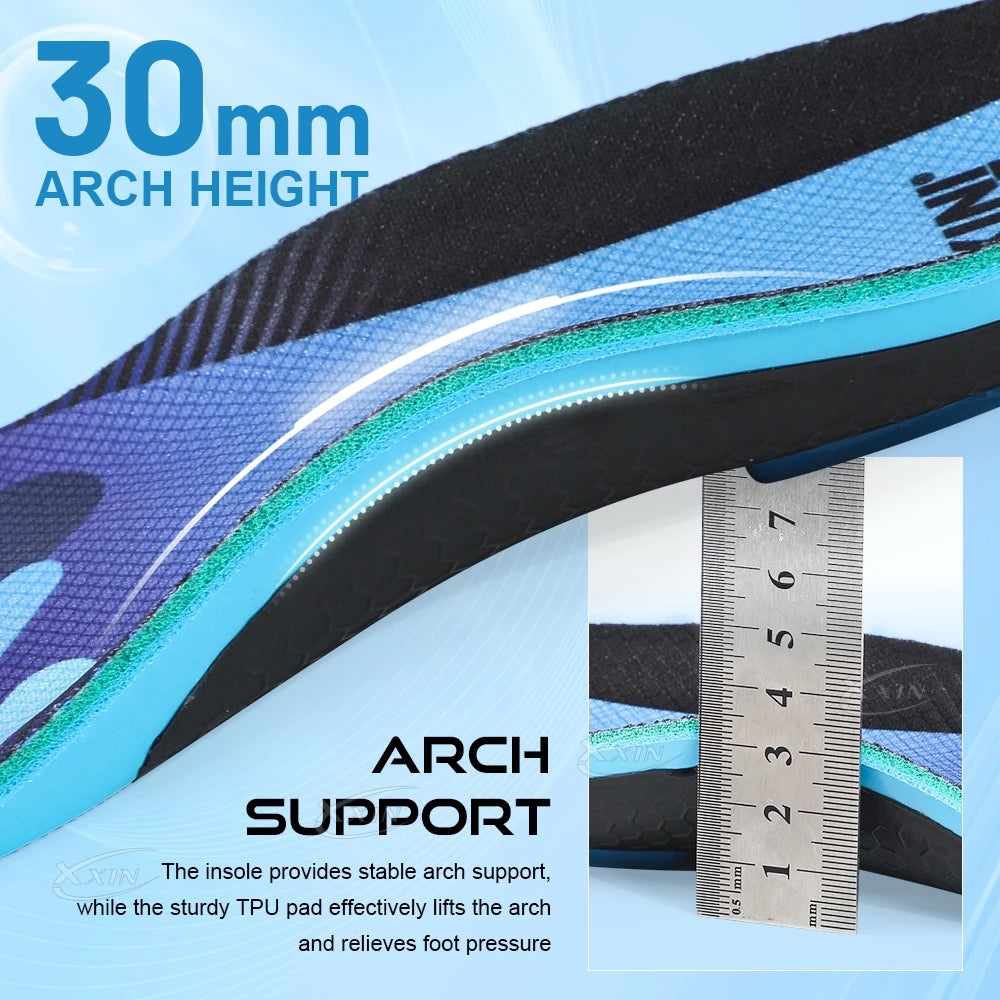
Arch support and load distribution
Insoles maintain the natural arch, preventing collapse and distributing weight evenly across the foot.
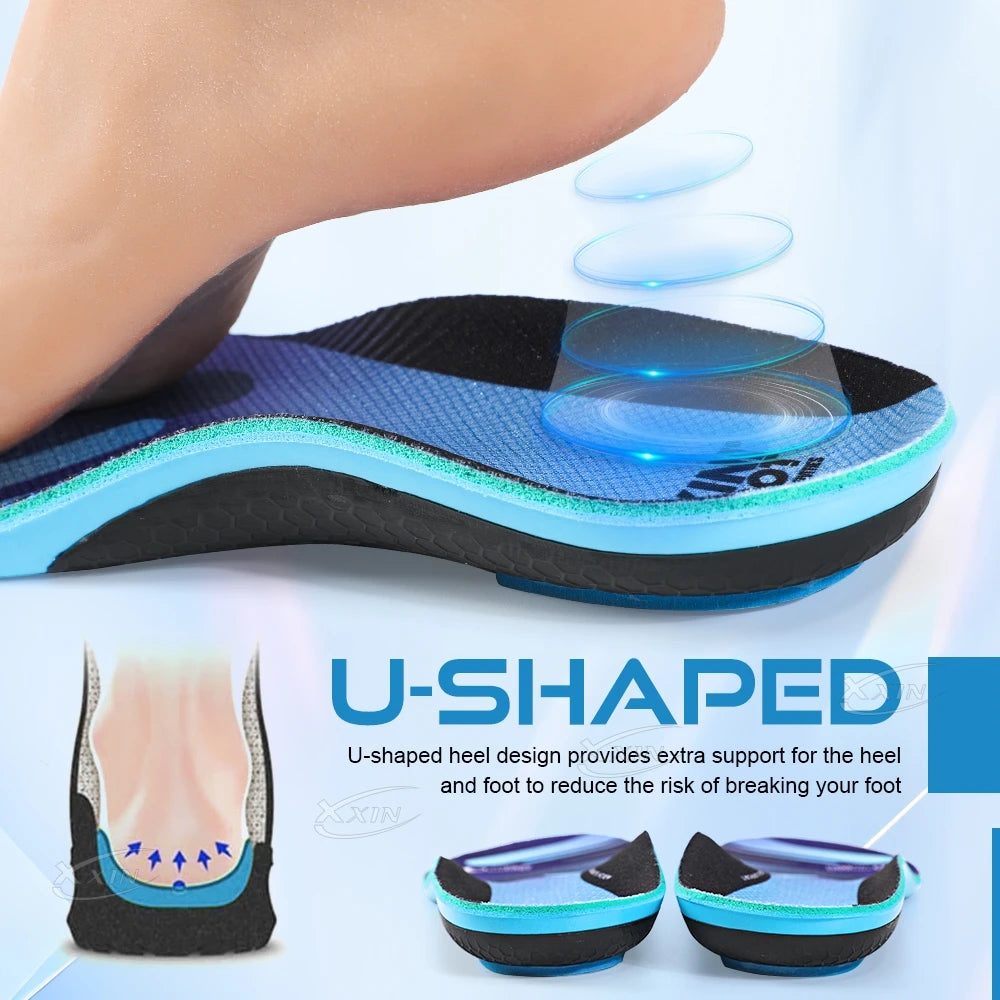
Heel cup and alignment control
A structured heel cup stabilizes the rearfoot, helping keep your ankle aligned during movement.
Shock absorption and pressure balance
Materials designed for cushioning reduce impact stress while maintaining structural support.
Stability vs cushioning differences
Stability insoles prioritize control and alignment, while cushioning insoles focus on comfort. The best options balance both.
Step-by-Step: How to Improve Foot Stability With Insoles
Step 1: Identify Your Foot Type
Flat feet tend to overpronate, while high arches underpronate. A footprint test or gait analysis can help determine your needs.
Step 2: Choose the Right Foot Stability Insoles
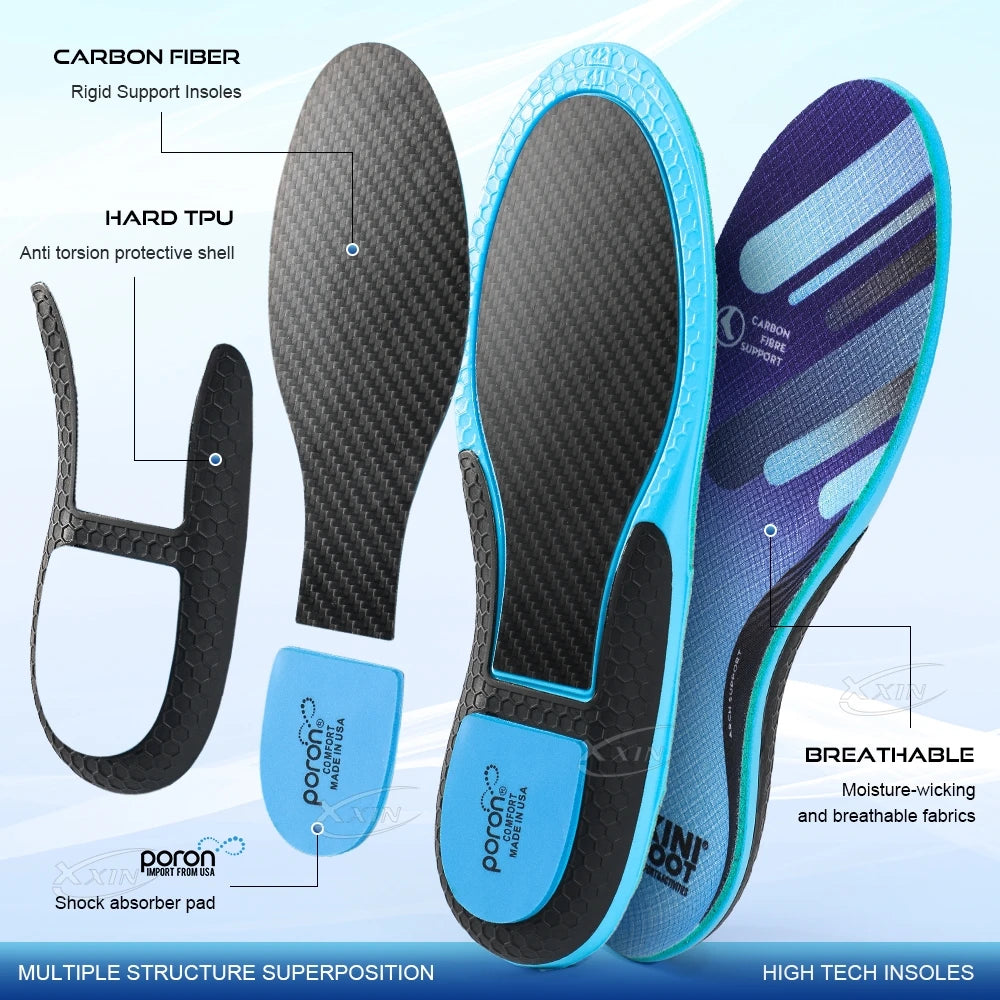
Select insoles designed for your foot type and activity level. Look for structured arch support, a firm heel cup, and durable materials. Options like carbon fiber insoles are known for their lightweight strength and support.
Step 3: Insert Insoles Correctly for Maximum Support
- Align the heel first
- Ensure arch support matches your foot
- Test comfort while walking
Step 4: Pair Insoles With Stable Footwear
Use shoes with firm midsoles and proper heel support. Avoid overly soft or worn-out footwear.
Step 5: Train Your Feet and Muscles
Combine insoles with exercises like toe curls and balance drills. For a full routine, see foot strengthening exercises .
How to Choose the Right Insoles for Stability
Arch height and support level
Match the insole arch to your natural foot shape.
Rigid vs flexible insoles
Rigid insoles provide maximum control; flexible ones offer more comfort.
Heel cup depth and structure
Deeper heel cups improve alignment and stability.
Material and durability
High-quality materials ensure long-term performance without breakdown.
For a deeper comparison, visit best insoles guide .
Best Insoles for Different Foot Types
Flat Feet (Overpronation)
Choose firm, structured insoles that control inward rolling. See flat feet support guide .
High Arches (Underpronation)
Look for cushioned insoles that improve shock absorption.
Neutral Feet (Balanced Support)
Use versatile insoles that enhance comfort while maintaining alignment.
Small daily changes create lasting comfort
How to Wear and Adjust Insoles for Best Results
Break-in period and adaptation timeline
Start with 2–4 hours daily and gradually increase wear time over 1–2 weeks.
Daily wear progression
Increase usage as comfort improves to allow your body to adapt naturally.
Signs of proper vs improper fit
- Proper fit: balanced pressure, improved comfort
- Improper fit: pain, slipping, or pressure points
When to replace insoles
Replace every 6–12 months or when support begins to decline.
Daily Habits That Strengthen Foot Stability Faster
- Walk barefoot on safe surfaces occasionally
- Practice single-leg balance exercises
- Stretch calves and plantar fascia
- Avoid worn-out shoes
- Gradually increase activity intensity
Foot Stability Tips for Sports and Active Lifestyles
- Use sport-specific stability insoles
- Replace insoles regularly
- Ensure proper shoe fit
- Warm up with mobility drills
Explore recovery tools in the Body Care and Health Devices collection.
Experience stability that moves with you
Common Mistakes That Reduce Insole Effectiveness
- Using the wrong type for your foot
- Not replacing worn-out insoles
- Wearing them in unsupportive shoes
- Skipping strengthening exercises
- Expecting instant results
FAQ: How to Improve Foot Stability With Insoles
What type of insoles are best for improving foot stability?
Structured insoles with firm arch support and a deep heel cup are best for stability.
Can insoles help with balance issues in older adults?
Yes, they can improve alignment and reduce fall risk when combined with balance training.
How do arch support insoles improve walking stability?
They maintain proper alignment and distribute pressure evenly, reducing instability.
Should I use insoles in all my shoes?
Yes, consistent use ensures continuous support and better results.
When should I see a podiatrist for foot instability?
If pain persists, instability worsens, or you have a history of injury, consult a specialist.













