

Does improving leg circulation at home really work?
Yes—learning how to improve leg circulation at home can help reduce temporary leg heaviness, stiffness, and swelling when the cause is related to inactivity or prolonged sitting. Regular movement, ankle and calf exercises, leg elevation, healthy lifestyle habits, and appropriately used compression or massage may support better blood flow. Consistency matters, but persistent or severe symptoms may be caused by a medical condition that requires professional evaluation and treatment.
How to Improve Leg Circulation at Home: 10 Doctor-Recommended Methods
Learning how to improve leg circulation at home can help support comfortable movement and healthy blood flow in the lower body. Your legs rely on a combination of healthy arteries, veins, muscles, and regular movement to transport oxygen-rich blood to tissues and return blood toward the heart.
When you sit or stand in one position for too long, physical activity is limited, or an underlying health condition affects the blood vessels, you may notice heaviness, swelling, cold feet, numbness, tingling, or leg fatigue. The right approach depends on the cause, but many everyday habits can support circulation and reduce discomfort.
This guide explains how to improve blood circulation in your legs at home with movement, leg circulation exercises, hydration, lifestyle changes, elevation, massage, and compression therapy. It also explains when home care is not enough and when circulation symptoms should be evaluated by a healthcare professional.
⏱ 8 min read
Discover gentle, at-home solutions that support daily comfort.
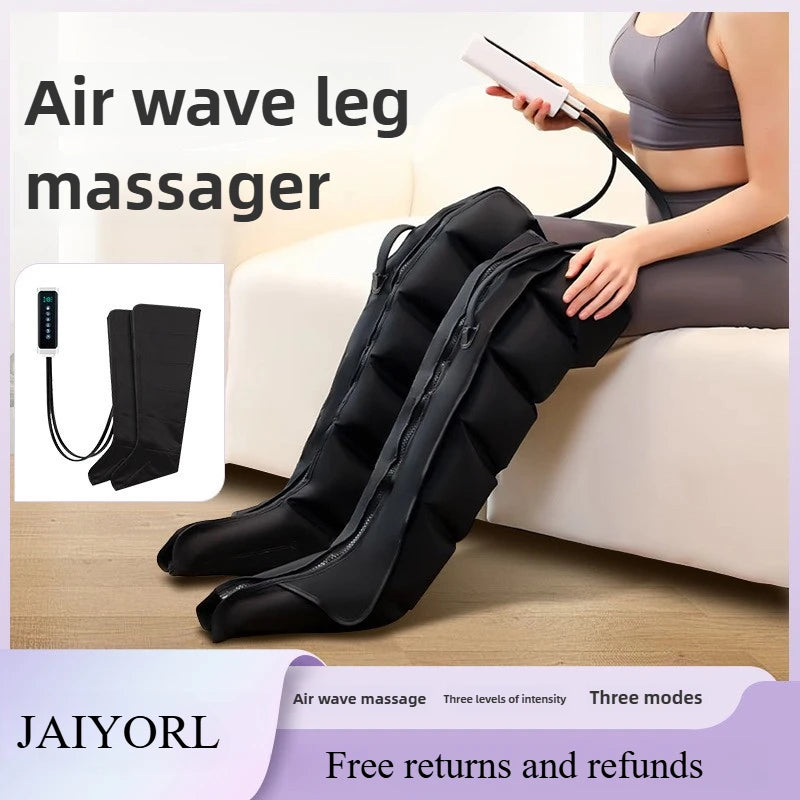
See how simple daily habits and tools can support how to improve leg circulation at home. See it in action
How Healthy Leg Circulation Works
Understanding how circulation works makes it easier to understand why movement, exercise, and other home strategies may help. Blood circulation is a continuous process that delivers oxygen and nutrients to the legs while carrying metabolic waste away from tissues.
How blood flows through the legs
Arteries carry oxygen-rich blood from the heart toward the legs and feet. Smaller blood vessels then deliver oxygen and nutrients to muscles, skin, nerves, and other tissues. Veins return blood toward the heart.
Because blood in the leg veins must travel upward against gravity, the calf muscles play an important role. When you walk, flex your ankles, or contract your calf muscles, the movement helps compress nearby veins and support the return of blood toward the heart. This is one reason regular movement can help improve blood circulation in the legs.
Why circulation slows down
Blood flow may feel slower after sitting or standing in one position for a long time because the leg muscles are not actively contracting. Other factors, including smoking, limited physical activity, diabetes, aging, obesity, peripheral artery disease (PAD), and venous problems, can also affect circulation.
Home strategies can support circulation when symptoms are related to inactivity or everyday habits. However, they cannot treat every underlying cause of poor blood flow. Persistent symptoms should be evaluated rather than managed indefinitely at home.
Signs and Symptoms of Poor Leg Circulation
Poor circulation symptoms can vary depending on whether the problem involves arterial blood flow, venous return, swelling, nerve function, or another condition. Temporary heaviness after a long day is different from persistent symptoms that continue or worsen.
Common symptoms of poor circulation in legs
- Swelling in the lower legs, ankles, or feet
- Leg fatigue, heaviness, or aching after sitting or standing
- Muscle cramps, including cramps that occur at night
- Numbness or tingling sensations
- Cold legs or feet compared with the rest of the body
- Discomfort that improves after changing position or moving around
Signs of poor blood flow in feet and toes
- Slow-healing cuts or sores
- Dry or cracked skin
- Pale, bluish, or unusually discolored skin
- Reduced hair growth on the lower legs in some cases
- Feet that remain unusually cold
- A weak or difficult-to-detect pulse, which should be assessed by a professional
Symptoms that require urgent medical care
Seek prompt medical attention for sudden or severe symptoms, especially sudden swelling, pain, warmth, or redness in one leg; sudden shortness of breath or chest pain; a suddenly cold or pale limb; or new severe numbness or weakness. These symptoms can indicate a serious circulation problem and should not be treated with home massage or compression.
If symptoms are persistent, worsening, or affecting your ability to walk or carry out normal activities, schedule a medical evaluation to determine the underlying cause.
What Causes Poor Circulation in the Legs?
The causes of poor leg circulation range from temporary inactivity to conditions that affect the arteries or veins. Identifying the likely cause helps determine whether lifestyle changes are appropriate or whether medical treatment is needed.
Lifestyle causes
- Long periods of sitting or inactivity
- Lack of regular exercise
- Smoking or tobacco use
- Excess body weight
- Frequent prolonged standing
- Limited movement during travel or desk work
Medical conditions affecting circulation
- Peripheral artery disease (PAD)
- Diabetes
- Chronic venous insufficiency and varicose veins
- High blood pressure
- Heart and vascular disease
- Conditions associated with aging or reduced mobility
Risk factors you can control
Regular physical activity, avoiding tobacco, maintaining a healthy weight, following a balanced eating pattern, and managing conditions such as diabetes and high blood pressure can help reduce vascular risk. These habits support long-term circulation but should not replace treatment prescribed for an existing medical condition.
How to Improve Leg Circulation at Home (Step-by-Step Guide)
For many people, the best way to improve leg circulation at home is to combine frequent movement with habits that reduce prolonged pressure and support healthy blood flow. Use the following steps as a practical starting point.
1. Move every hour
Break up long periods of sitting or standing. Stand up, walk around the room, stretch your legs, or perform ankle pumps for a few minutes. If you work at a desk, setting a regular movement reminder can make this habit easier to maintain.
2. Elevate your legs when appropriate
Elevating the legs for about 15–20 minutes can help reduce the feeling of heaviness and may support fluid movement, particularly after prolonged standing. Keep the position comfortable and avoid elevation as a substitute for medical evaluation when swelling is sudden, severe, or limited to one leg.
3. Stay hydrated
Drink fluids regularly according to your individual needs. Hydration supports normal body function, although drinking extra water alone is not a treatment for vascular disease or a guaranteed way to resolve chronic swelling.
4. Use regular leg circulation exercises
Ankle pumps, foot circles, calf raises, and walking activate the muscles that help support movement in the lower legs. Start with gentle repetitions and increase activity gradually based on your comfort and mobility.
5. Wear supportive compression when appropriate
Compression garments can help some people manage swelling and support venous blood return. The correct level and type of compression depend on the person and the cause of the symptoms. People with suspected arterial circulation problems should seek professional advice before using compression.
6. Avoid restrictive clothing and footwear
Choose comfortable clothing and shoes that do not create tight bands around the legs, ankles, or feet. Comfort and freedom of movement make it easier to stay active throughout the day.
Leg Circulation Exercises You Can Do at Home
Leg circulation exercises are a simple way to activate the calf and foot muscles. They can be especially useful during periods of prolonged sitting, although regular walking and broader physical activity are important for overall health.
Ankle pumps and foot circles
- Sit or lie comfortably with your legs supported.
- Point your toes away from you, then pull them gently toward you.
- Repeat for 10–20 controlled repetitions.
- Lift one foot slightly and make slow circles with the ankle.
- Perform 10 circles in each direction, then switch sides.
These exercises can be performed while sitting at a desk, during a long journey, or whenever you need a gentle movement break.
Calf raises
- Stand near a stable surface for balance.
- Place your feet approximately hip-width apart.
- Slowly raise your heels while keeping your weight balanced.
- Pause briefly, then lower your heels with control.
- Repeat 10–15 times and rest as needed.
Calf raises activate the lower-leg muscles and can be gradually progressed as your strength improves.
Walking routine
Walking is one of the most practical ways to keep the leg muscles active. Start with short, comfortable walks and gradually build duration according to your fitness level. If walking repeatedly causes leg pain that consistently improves with rest, discuss the symptom with a healthcare professional rather than simply increasing your walking distance.
Seated exercises
- March in place while seated.
- Extend one leg at a time and gently lower it.
- Flex and point your toes.
- Perform ankle circles during regular movement breaks.
For a simple beginner routine, perform ankle pumps for 1–2 minutes, foot circles for 1 minute per side, and calf raises for 10–15 repetitions. Repeat gentle movement breaks throughout the day rather than relying on one long exercise session.
Lifestyle Habits That Support Healthy Circulation
Movement is only one part of a circulation-friendly lifestyle. Daily habits that support cardiovascular and vascular health can also help reduce risk factors associated with poor circulation.
Hydration
Drinking enough fluids supports normal blood volume and overall body function. Hydration needs vary by person, activity level, climate, and health status. If you have been told to restrict fluids because of a medical condition, follow your healthcare professional's advice rather than increasing water intake independently.
Nutrition
A balanced eating pattern that includes vegetables, fruit, whole grains, legumes, lean protein, and healthy fats supports overall cardiovascular health. Foods such as leafy greens, berries, nuts, seeds, and fatty fish can fit into a circulation-supportive diet.
Reducing excess sodium may help some people manage fluid retention, but persistent swelling should not automatically be attributed to diet.
Weight management
Maintaining a weight that is healthy for your individual body can reduce strain on mobility and support cardiovascular health. Focus on sustainable eating and regular physical activity rather than rapid or restrictive approaches.
Quit smoking
Smoking damages blood vessels and is an important risk factor for vascular disease. Quitting can support long-term cardiovascular health. If you smoke, a healthcare professional can help you find an evidence-based cessation plan.
Natural Home Remedies for Poor Leg Circulation
Some natural home remedies may support comfort and circulation when used as complementary habits. They should be viewed as supportive strategies, not cures for conditions such as peripheral artery disease, blood clots, or chronic venous disease.
Warm baths and contrast therapy
A comfortably warm bath may help relax tense muscles and make the legs feel more comfortable. Some people use alternating warm and cool water, but extreme temperatures can irritate the skin or create risks for people with reduced sensation or certain medical conditions. Avoid very hot water and stop if you experience pain, dizziness, or skin irritation.
Herbal and nutrition support
Foods rich in omega-3 fatty acids, leafy greens, and antioxidants can support an overall healthy eating pattern. Supplements and herbal products are different from food and may interact with medications or medical conditions, so discuss them with a healthcare professional before use.
Daily walking habits
Short walks spread throughout the day can be more practical than trying to complete one long session. Even brief periods of movement help interrupt prolonged sitting and activate the leg muscles.
Circulation Massage for Legs: Techniques That Help Blood Flow
Gentle self-massage can help relax tight muscles and may temporarily improve comfort in the lower legs. If you massage your legs, use light-to-moderate pressure and avoid aggressive or painful techniques.
Many people use slow strokes from the lower leg toward the knee as part of a relaxation routine. However, massage is not appropriate for every circulation problem. Avoid massaging a leg with sudden swelling, significant pain, unusual warmth, or redness until a healthcare professional has ruled out a serious cause.
Massage may complement movement and stretching, but it should not replace regular physical activity or medical treatment for an underlying vascular condition.
Do Leg and Foot Massagers Help Improve Circulation?
A leg and foot massager can be a convenient supportive tool for people who want to add relaxation and gentle stimulation to their routine. Depending on the device, massage or rhythmic air compression may help temporarily reduce feelings of tightness, heaviness, and fatigue.
Who may benefit
People who experience occasional leg fatigue after sitting, standing, travel, or daily activity may appreciate a hands-free massage routine. A leg and foot massager for circulation can be used while relaxing, reading, or watching TV.
Limitations
A massager does not repair narrowed arteries, cure peripheral artery disease, dissolve a blood clot, or replace prescribed treatment. Its benefits should be considered supportive and comfort-focused rather than a cure for poor circulation.
How massagers compare with exercise
Exercise actively contracts the muscles and supports functional mobility, while a massage device provides passive stimulation or compression. For most people, a massager is best used alongside regular movement rather than as a replacement for walking and leg circulation exercises.
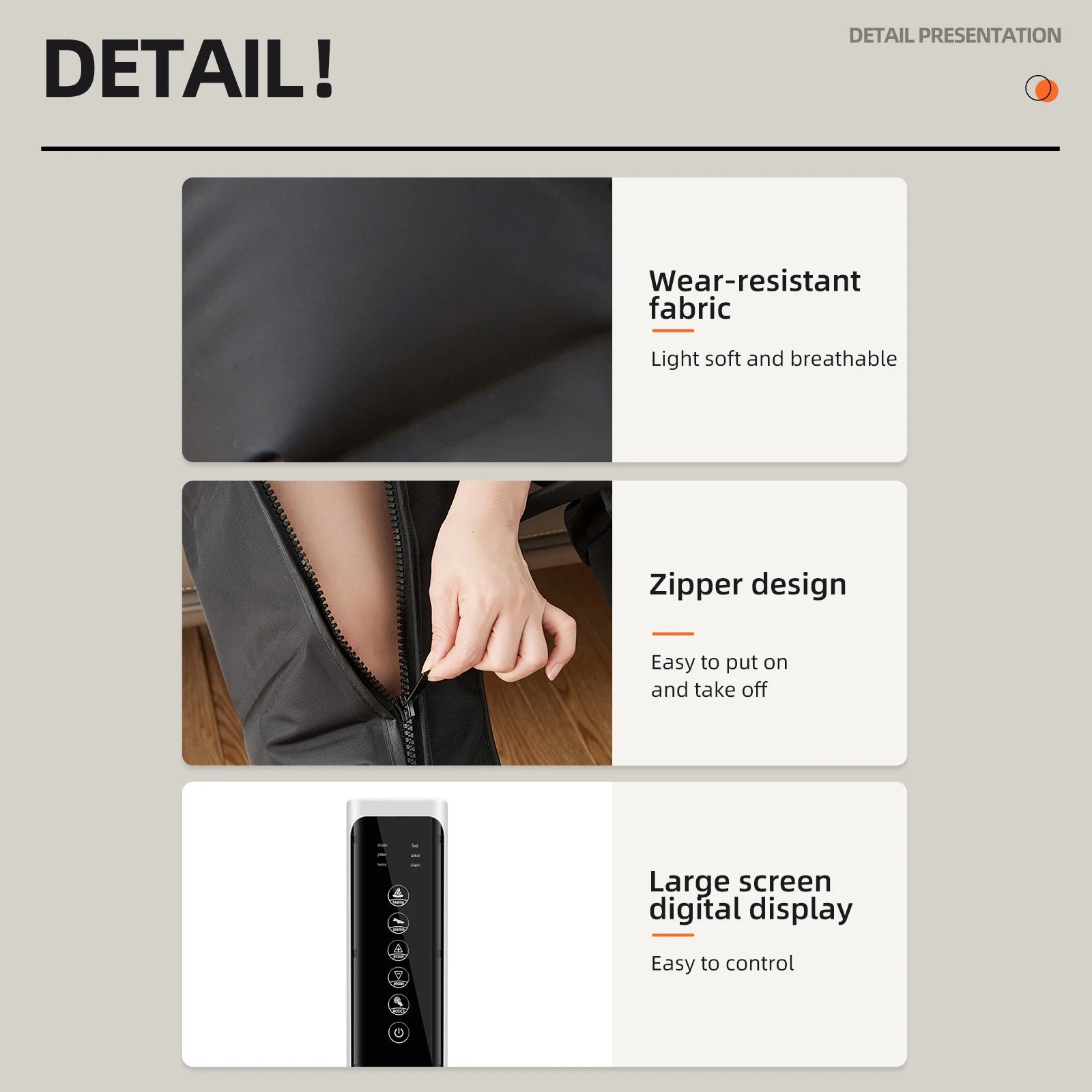
A modern approach to circulation massage for daily comfort. See it in action
Explore more wellness tools in our Body Care and Health Devices collection to build a routine that fits your lifestyle.
Compression Therapy at Home
Compression therapy applies graduated pressure to the legs to help support venous blood return and manage certain types of swelling. Compression stockings are commonly used for some venous circulation problems, while pneumatic compression devices use intermittent air pressure.
Who should use compression
People with certain types of chronic leg swelling, venous insufficiency, or circulation-related discomfort may benefit from compression when the appropriate garment or pressure level has been selected. A healthcare professional can help determine whether compression is suitable.
Who should avoid it
Compression may not be appropriate for people with significant arterial circulation problems or certain other medical conditions. Do not use strong compression to self-treat unexplained swelling, sudden one-sided leg symptoms, or suspected blood clots. If you have a vascular condition, diabetes, reduced sensation, or significant swelling, seek professional guidance before choosing compression therapy.
When appropriately selected, compression can be a useful part of a broader plan that may also include movement, exercise, and treatment of the underlying cause.
Comparison of Home Methods to Improve Leg Circulation
Different methods support circulation in different ways. The best option depends on whether your main goal is to increase movement, reduce temporary heaviness, support venous return, or create a sustainable daily routine.
| Method | Potential benefit | Cost | Ease of use | Best use case |
|---|---|---|---|---|
| Walking and regular movement | Activates leg muscles and supports functional mobility | Low | Easy | Daily circulation support |
| Ankle pumps and calf raises | Activates the feet and calf muscles | Low | Very easy | Desk work, travel, and beginner routines |
| Leg elevation | May help reduce feelings of heaviness and fluid buildup | Low | Easy | Rest after prolonged standing |
| Self-massage | Promotes relaxation and temporary comfort | Low | Easy | Evening recovery routines |
| Leg and foot massager | Provides convenient passive massage or compression | Moderate | Easy | Hands-free relaxation and supportive routines |
| Compression therapy | May support venous return and manage certain types of swelling | Low to moderate | Moderate | Appropriate venous circulation concerns with professional guidance |
For most people, movement and regular physical activity provide the foundation. Other methods can be added based on individual needs, comfort, and medical guidance.
Nighttime Habits That Improve Leg Circulation While You Sleep
Nighttime habits can support comfort after a day of sitting, standing, or physical activity. If your legs feel heavy in the evening, a short period of gentle movement followed by comfortable rest may help you relax.
Some people find that slightly elevating the legs while resting helps reduce feelings of heaviness. A pillow under the lower legs may provide comfortable support, but avoid positions that cause numbness, pain, or restricted breathing.
Gentle stretching or ankle movements before bed may also help counter long periods of daytime inactivity. During the day, avoid staying in one position for extended periods and change positions regularly.
Persistent nighttime cramps, swelling, numbness, or pain should not automatically be attributed to sleeping position. If symptoms continue, discuss them with a healthcare professional.
Daily 15-Minute Home Routine for Better Leg Circulation
A practical routine is easier to maintain when it fits naturally into your day. The following plan combines short movement sessions with evening recovery and can be adjusted to your mobility level.
Morning: 3 minutes
- Perform 10–20 ankle pumps per foot.
- Complete 10 slow ankle circles in each direction.
- Take a brief walk or perform gentle calf raises.
During the workday: 5 minutes total
- Stand or walk for a few minutes at regular intervals.
- Perform seated ankle pumps during long periods of sitting.
- Use stairs or take a short walk when practical.
Evening: 7 minutes
- Walk gently for several minutes if comfortable.
- Perform a few controlled calf raises or seated exercises.
- Rest with your legs comfortably elevated if appropriate.
- Use gentle self-massage or a supportive massage routine if there are no contraindications.
The goal is not to complete a perfect routine every day. Consistent movement throughout the week is generally more useful than occasional intense sessions. Adjust the routine to your current fitness and mobility level, and stop if exercise causes unusual or worsening pain.
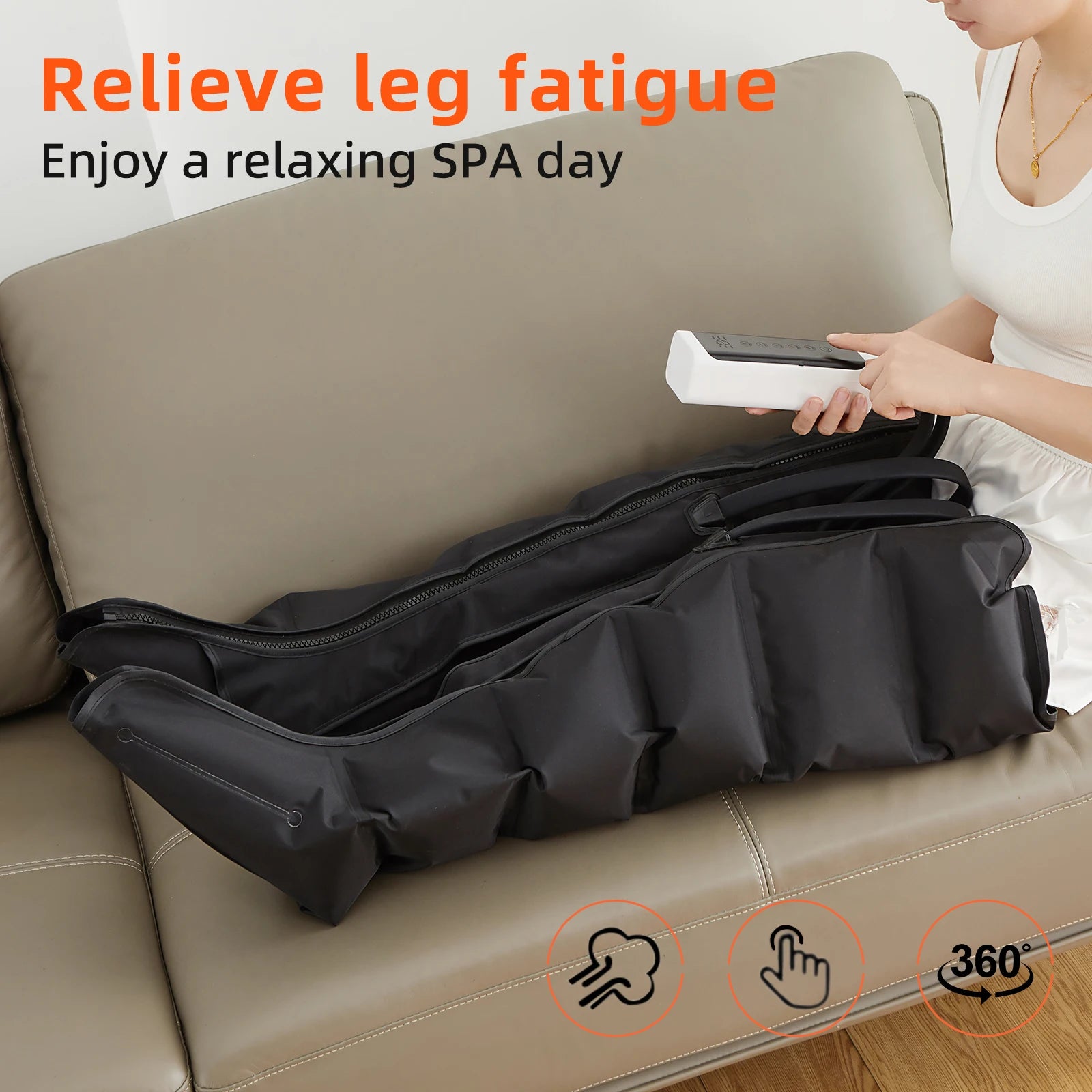
Build a nightly ritual that supports how to improve leg circulation. See it in action
When Poor Circulation Requires Medical Attention
Home strategies may help with discomfort related to inactivity, but they cannot diagnose or treat every cause of poor leg circulation. Persistent or worsening symptoms deserve professional evaluation.
Peripheral artery disease
Peripheral artery disease can reduce blood flow through the arteries supplying the legs. Symptoms may include leg pain during walking that improves with rest, cold feet, skin changes, or wounds that heal slowly.
Chronic venous insufficiency
Problems with the veins can contribute to ongoing swelling, aching, heaviness, skin changes, or varicose veins. A healthcare professional can recommend appropriate treatment, which may include compression when suitable.
Deep vein thrombosis warning signs
Sudden swelling, pain, warmth, or redness in one leg can be a warning sign of a serious condition such as deep vein thrombosis. Do not attempt to treat sudden one-sided symptoms with vigorous massage or compression. Seek prompt medical care.
Seek urgent medical attention for sudden severe leg symptoms, a suddenly cold or pale limb, new severe weakness or numbness, or symptoms accompanied by chest pain or shortness of breath.
Frequently Asked Questions About Leg Circulation
Can poor circulation in the legs be reversed naturally?
Sometimes symptoms related to inactivity or certain lifestyle factors can improve with regular movement, exercise, healthy habits, and treatment of contributing risk factors. However, conditions such as peripheral artery disease or chronic venous disease may require medical treatment. Whether poor circulation can be reversed depends on the underlying cause.
What exercises improve leg circulation the fastest?
Short walks, ankle pumps, foot circles, calf raises, and gentle seated leg movements can quickly activate the muscles of the lower legs. The most effective exercise is one you can perform safely and consistently. Sudden or severe pain during exercise should be evaluated rather than ignored.
Does drinking more water improve circulation?
Staying adequately hydrated supports normal body function and blood volume, but drinking excessive amounts of water is not a treatment for chronic circulation problems. People with fluid restrictions should follow their healthcare professional's advice.
How can I increase blood flow to my feet while sitting?
Perform ankle pumps, foot circles, seated marches, and gentle leg extensions. Stand up and walk for a few minutes whenever possible. These simple movements activate the muscles in the feet and legs during long periods of sitting.
Do compression socks improve circulation or just reduce swelling?
Compression garments can support venous blood return and may help manage certain types of swelling. They are not appropriate for everyone, particularly people with significant arterial circulation problems. Ask a healthcare professional whether compression is suitable for your situation.
Can a leg massager replace exercise for circulation?
No. A leg massager can provide passive massage or compression and may support relaxation and temporary comfort, but it does not replace the muscle activity, mobility benefits, and broader health benefits of regular exercise.
How long does it take to improve circulation in the legs?
The timeline varies widely depending on the cause. Some people notice improved comfort after a movement break, while longer-term improvements in fitness and vascular health may take weeks or longer. Persistent symptoms should be evaluated instead of waiting indefinitely for home remedies to work.
Are leg circulation exercises safe for seniors?
Gentle ankle pumps, foot circles, seated movements, and other low-impact exercises may be suitable for many older adults. Start gradually and use support when needed. Anyone with significant medical conditions, severe pain, or major mobility limitations should ask a healthcare professional for individualized guidance.
Browse our Beauty & Self-Care Blog and Body & Face Blog for more practical guides.













