

How to Improve Room Air Circulation: A Room-by-Room Guide
When one room feels stuffy, hot, stagnant, or noticeably different from the rest of your home, the problem may not be your HVAC system alone. Poor room air circulation often happens because air has no clear path to move through the space. Furniture can block vents, closed doors can interrupt airflow, and a fan pointed directly at a person may provide personal cooling without actually circulating the entire room.
The most effective approach is to diagnose the airflow problem first, then create a continuous path for air to enter, move through, and leave the room. This guide explains how to improve room air circulation using ventilation, fan placement, HVAC adjustments, and room-specific strategies for bedrooms, living rooms, bathrooms, and windowless spaces.
How Can I Improve Air Circulation in a Room?
You can improve room air circulation by creating a continuous airflow path, removing obstructions, keeping supply and return vents clear, using fans strategically, and checking HVAC or ventilation problems when airflow remains weak.
The 5 Basic Ways to Improve Air Circulation
- Create an airflow path: Give air a clear route between intake, circulation, and exhaust points.
- Remove obstructions: Move furniture, curtains, rugs, or other objects that block vents or doorways.
- Improve air intake and exhaust: Use windows, door gaps, return vents, or exhaust ventilation appropriately.
- Use fans strategically: Position fans to move air across the room instead of simply blowing directly at an occupant.
- Troubleshoot HVAC distribution: Check vents, returns, filters, and persistent room-to-room temperature differences.
The key principle is simple: better circulation is about moving air through the room, not merely moving more air at one location.
Why Room Air Circulation Matters
Good circulation helps distribute conditioned air more evenly and reduces areas where air feels stagnant. It can also make a room feel more comfortable when temperatures vary between corners, furniture zones, or adjacent rooms.
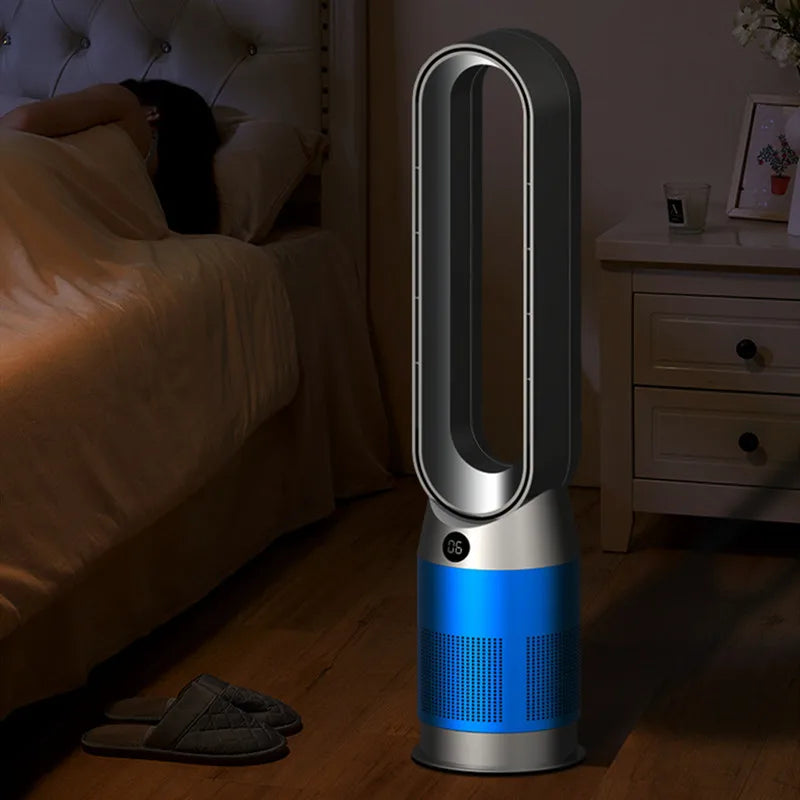
Air Circulation vs. Ventilation vs. Air Conditioning
Air circulation moves existing indoor air around a room or home. A fan is a common circulation tool.
Ventilation exchanges indoor air with outdoor air or moves stale indoor air toward an exhaust point. Opening windows or using an exhaust fan can provide ventilation when conditions allow.
Air conditioning and HVAC systems condition air by cooling, heating, filtering, or otherwise treating it while distributing that air through the building.
These functions can overlap, but they are not interchangeable. A fan can move stagnant air without replacing it with outdoor air, while an exhaust fan can remove indoor air but may work poorly if there is no effective replacement-air path.
Signs of Poor Airflow
- One room consistently feels hotter or colder than adjacent rooms.
- Air feels stale or stagnant even when the HVAC system is running.
- Odors linger longer than expected.
- Corners or enclosed areas feel noticeably less ventilated.
- There is weak airflow from a supply vent.
- Furniture or curtains are positioned directly over vents or returns.
- A bedroom becomes uncomfortable at night despite the rest of the home feeling comfortable.
How to Diagnose Airflow Dead Zones Before Adding a Fan
Before buying another fan, identify where the circulation path breaks down. Adding more equipment does not necessarily solve poor airflow if air has nowhere useful to go.
Step 1: Identify Where Air Feels Stagnant
Walk through the room and identify corners, enclosed areas, spaces behind furniture, and locations that consistently feel warmer or stuffier. Pay particular attention to areas far from supply vents or areas separated by large pieces of furniture.
Step 2: Map the Air Intake and Exhaust Paths
Identify supply vents, return-air openings, windows, doors, and exhaust fans. Think of the room as an airflow system: air needs an entry point, a path through the occupied space, and an exit or return path.
Step 3: Check for Blocked Air Vents
Furniture, curtains, cabinets, rugs, and accumulated dust can restrict airflow. Make sure supply vents and return openings are not covered or tightly enclosed. A blocked return can be particularly problematic because the HVAC system depends on a usable return-air path.
Step 4: Look for Temperature and Airflow Differences
Compare the problem room with nearby rooms. A persistent difference may indicate poor circulation, blocked vents, an HVAC distribution issue, insulation differences, or an airflow imbalance rather than simply a need for a stronger fan.
How to Create Better Airflow Paths
Once you understand where airflow is breaking down, focus on connecting the room's intake, circulation, and exhaust paths.
Create a Continuous Airflow Path
Air moves most effectively when it has somewhere to go. Instead of positioning a fan in isolation, consider what the fan is moving air toward. A useful airflow path might connect a cooler area with a warmer area, a supply vent with a return, or a room with a better-ventilated part of the home.
Use Cross-Ventilation When Windows Are Available
When outdoor conditions are favorable, opening windows on opposite or offset sides of a home can create cross-ventilation. This allows air to enter through one opening and leave through another rather than simply accumulating inside the room.
Cross-ventilation is most useful when outdoor temperature and air quality make opening windows appropriate. It should not be treated as a universal solution when outdoor air is hotter, polluted, excessively humid, or otherwise unsuitable.
Keep Interior Air Paths Open
Open interior doors when appropriate, maintain usable gaps beneath or around doors where ventilation depends on them, and avoid placing large furniture directly in important airflow paths. Small layout changes can sometimes improve circulation without adding another appliance.
Where Should I Place a Fan to Improve Room Air Circulation?
For general room circulation, position a fan so it moves air across the room or toward another airflow zone rather than blowing directly at one person. The ideal position depends on whether your goal is circulation, cooling, intake, or exhaust.

Best Fan Placement for General Air Circulation
Place the fan where its airflow can travel through an open portion of the room. Oscillation can help distribute air across multiple zones instead of concentrating airflow in one direction.
For larger rooms, avoid placing the fan directly behind furniture or in a cramped corner. Give the intake and outlet areas enough open space to function effectively.
How to Position a Fan Near a Window
If the goal is to bring cooler outdoor air inside, position the fan to support inward airflow. If the goal is to remove warm indoor air, use an exhaust-oriented position that directs indoor air toward the window.
The correct direction depends on outdoor conditions and the room's overall airflow path. A fan near a window is most useful when it works together with another opening or interior path rather than operating in isolation.
Ceiling Fan vs. Tower Fan for Air Movement
A ceiling fan is useful for broad overhead air movement and can distribute air throughout a room without occupying floor space. A tower fan provides more localized, directional airflow and can be useful when floor-level placement, oscillation, portability, or remote control is important.
| Airflow Need | Potentially Useful Option | What to Consider |
|---|---|---|
| Broad room circulation | Ceiling fan | Requires suitable ceiling installation and room configuration |
| Directional floor-level airflow | Tower fan | Placement and oscillation affect coverage |
| Window intake or exhaust | Portable fan | Direction matters more than simply increasing fan speed |
| Large or poorly connected spaces | Two-fan setup | One fan can support intake while another supports exhaust or circulation |
When Two Fans Work Better Than One
Two fans can be useful when a single room has a long airflow path or when two connected spaces need to exchange air. One fan can move air toward a second area while another supports exhaust or return airflow. The important factor is coordination: both fans should contribute to a clear airflow path.
How to Improve Air Circulation in a Bedroom
Bedrooms require a balance between effective air movement and comfort. Strong, direct airflow can feel unpleasant while sleeping, and excessive fan noise may disrupt rest.
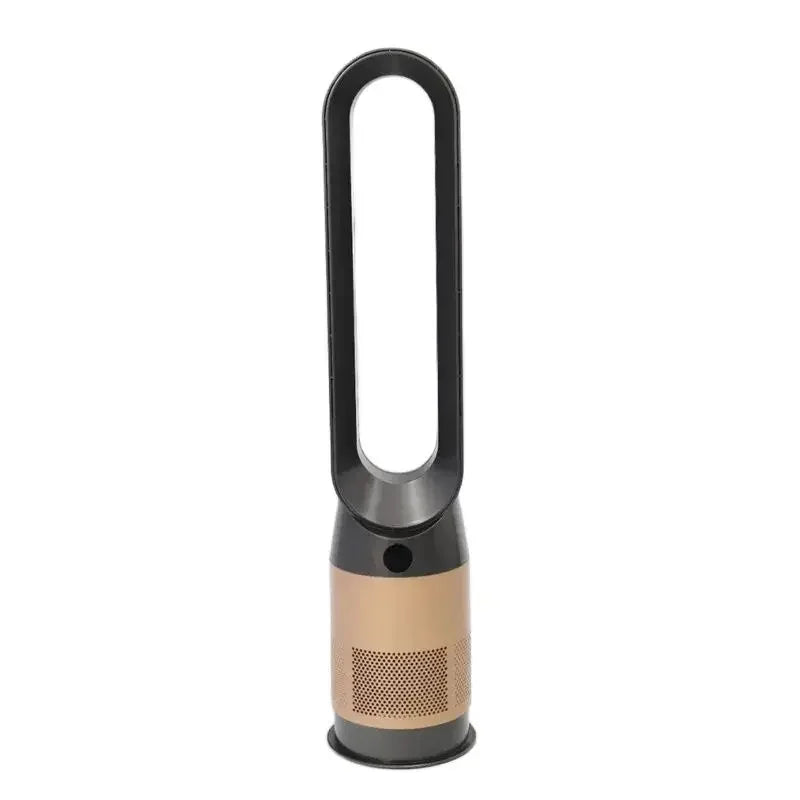
Improve Airflow Without Blowing Directly on the Bed
Instead of aiming a fan directly at the sleeper, position it to move air across the room. Indirect circulation can reduce uncomfortable drafts while still helping distribute conditioned air.
Use a Ceiling Fan or Quiet Tower Fan
A ceiling fan can provide broad circulation, while a quiet tower fan can be positioned where floor-level airflow is needed. For bedrooms, consider adjustable speeds, oscillation, timer functions, and operating noise rather than focusing only on maximum airflow.
Keep Bedroom Vents and Doorways Unblocked
Check that beds, dressers, curtains, and storage furniture are not blocking supply or return vents. If the bedroom is consistently warmer or more stagnant than nearby rooms, the airflow path should be investigated before simply increasing fan speed.
How to Improve Air Circulation in a Living Room
Use Fan Placement to Move Air Across the Room
Living rooms often contain large seating areas, cabinets, entertainment units, and other objects that interrupt airflow. Position a fan where it can move air through an open path rather than directly into a sofa or wall.
Improve Airflow Around Furniture
Large sofas, tall cabinets, curtains, and room dividers can create dead zones. Where practical, create more open space around vents and avoid placing bulky furniture immediately in front of supply or return openings.
How to Improve Air Circulation in a Bathroom
Use Exhaust Ventilation Effectively
Bathroom exhaust fans are designed to remove humid indoor air. Run the exhaust system appropriately during and after activities that create moisture, following the equipment manufacturer's recommendations.
Keep the Air Intake Path Clear
An exhaust fan needs replacement air to move air effectively. If a bathroom is tightly sealed, the exhaust system may have difficulty removing air unless there is a suitable path for replacement air through a door gap, transfer opening, or other intended ventilation route.
How to Improve Air Circulation in a Room Without Windows
Windowless rooms cannot rely on natural cross-ventilation, so the solution depends on interior airflow paths and mechanical ventilation. Connect the room to a better-circulated area whenever the building layout allows it.
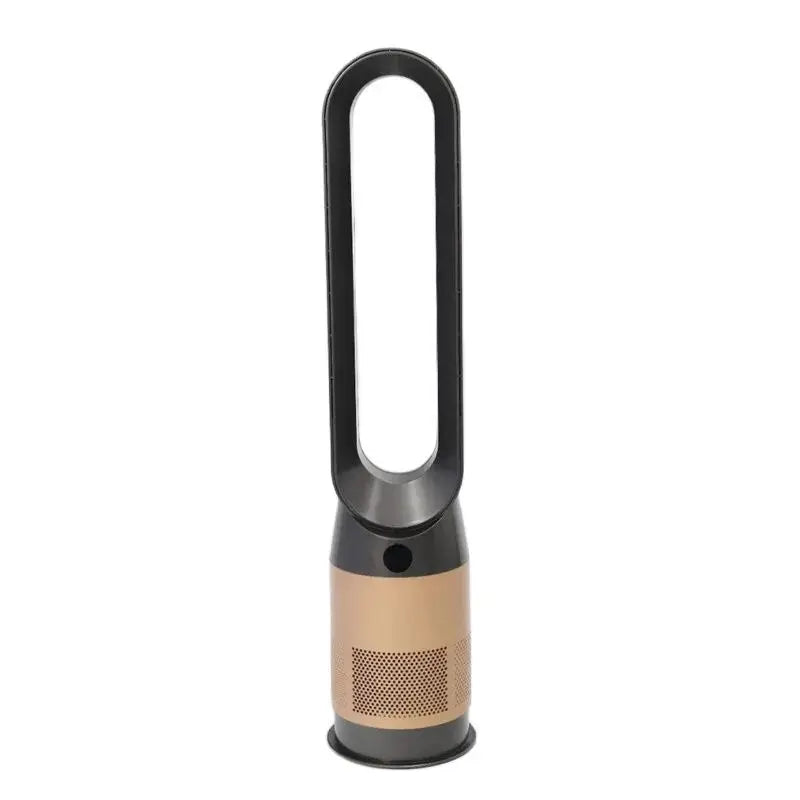
Use Interior Air Paths and Doorway Gaps
Keep the doorway connected to a better-circulated part of the home when practical. A clear path between the windowless room and adjacent space can help prevent stagnant pockets of air.
Use a Fan to Move Air Into or Out of the Room
A fan can help transfer air between a windowless room and an adjacent area. Direction matters: determine whether the room needs air brought in, stale air moved out, or simply more circulation within the room.
Improve Mechanical Ventilation
Where a room has persistent ventilation problems, mechanical ventilation or an HVAC-connected solution may be more appropriate than adding portable fans. If the issue involves building-level ventilation, professional assessment may be necessary.
How to Improve Air Circulation With an HVAC System
Check Supply and Return Vents
Supply vents deliver conditioned air, while return pathways allow air to move back toward the HVAC system. Both are important for effective distribution. Make sure vents and returns are open and accessible.
Keep HVAC Vents and Returns Unobstructed
Move furniture, curtains, and other objects away from vents. Also check filters according to the HVAC manufacturer's maintenance recommendations. A dirty or overloaded filter can affect system airflow.
When One Room Is Hotter or More Stagnant
A persistent room-to-room imbalance can have several causes, including duct distribution, closed or blocked vents, inadequate return airflow, insulation differences, or the room's location within the building. If basic airflow checks do not help, the issue may be system-level rather than a simple circulation problem.
When to Have the HVAC System Checked
Consider professional HVAC inspection when airflow remains unusually weak, one room is consistently much hotter or colder, ducts are suspected of leaking or being poorly balanced, or the system behaves abnormally. Adding more portable fans may mask the symptom without correcting the underlying problem.
Room-by-Room Air Circulation Quick-Fix Guide
Bedroom
- Use indirect airflow instead of aiming a fan directly at the bed.
- Keep supply and return vents clear.
- Choose quieter fan speeds during sleep.
Living Room
- Position fans to move air across open areas.
- Reduce furniture-related airflow dead zones.
- Use oscillation when airflow needs to cover multiple seating areas.
Bathroom
- Use exhaust ventilation to remove humid air.
- Keep the replacement-air path clear.
- Address persistent moisture or ventilation problems rather than relying on a circulation fan alone.
Windowless Room
- Connect the room to a better-circulated interior space.
- Use directional fan placement to move air between spaces.
- Consider mechanical ventilation when natural airflow is unavailable.
Common Air Circulation Mistakes to Avoid
Pointing a Fan Directly at Yourself
Direct airflow can make a person feel cooler, but personal cooling is not the same as whole-room circulation. If the rest of the room remains stagnant, reposition the fan to move air through the larger space.
Blocking Supply or Return Vents
A beautiful room layout does not help if a sofa, cabinet, curtain, or other object blocks an important HVAC opening. Keep the airflow path around vents and returns open.
Using Too Many Fans Without an Airflow Path
More fans do not automatically create better circulation. Several fans pointed randomly in different directions can produce turbulent local airflow without establishing useful movement through the room.
Ignoring Exhaust and Replacement Air
Exhaust systems need replacement air. Similarly, circulation fans cannot substitute for ventilation when the real problem is stale indoor air that needs to be exchanged.
When to Troubleshoot Airflow—and When to Call a Professional
Problems You Can Usually Fix Yourself
- Improving fan placement.
- Removing furniture from vents and returns.
- Opening appropriate interior airflow paths.
- Using window ventilation when outdoor conditions are suitable.
- Adjusting circulation around furniture and room dividers.
Problems That May Require HVAC Service
- Persistent room-to-room temperature imbalance.
- Unusually weak supply airflow.
- Suspected duct problems.
- Repeated HVAC airflow issues after basic maintenance.
- Unusual equipment behavior or persistent ventilation problems.
Choosing a Tower Fan for Room Air Circulation
If the room needs controllable supplemental airflow after the basic airflow path has been addressed, a tower fan can be a practical option. Look for features that match the room rather than choosing based only on maximum fan speed.
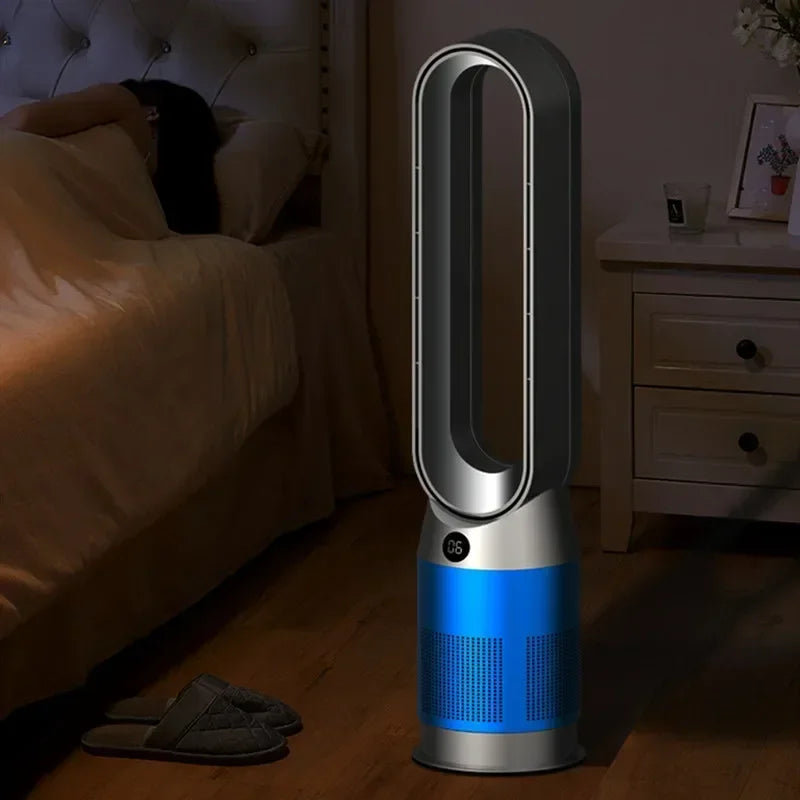
The Bladeless Tower Fan 42-Inch is designed for rooms of approximately 15–25 m² and combines cooling, heating, air circulation, and purification functions in one tower. Its listed features include left-and-right oscillation, remote control, adjustable speeds, natural wind mode, a 2–8 hour timer, and stated operating noise of 36–45 dB.
Its enclosed bladeless design avoids exposed rotating blades, while the cooling and heating modes make it suitable for year-round room comfort. The product is specified at 40W, 220V, and 50Hz, so customers who require 110V should confirm availability before ordering.
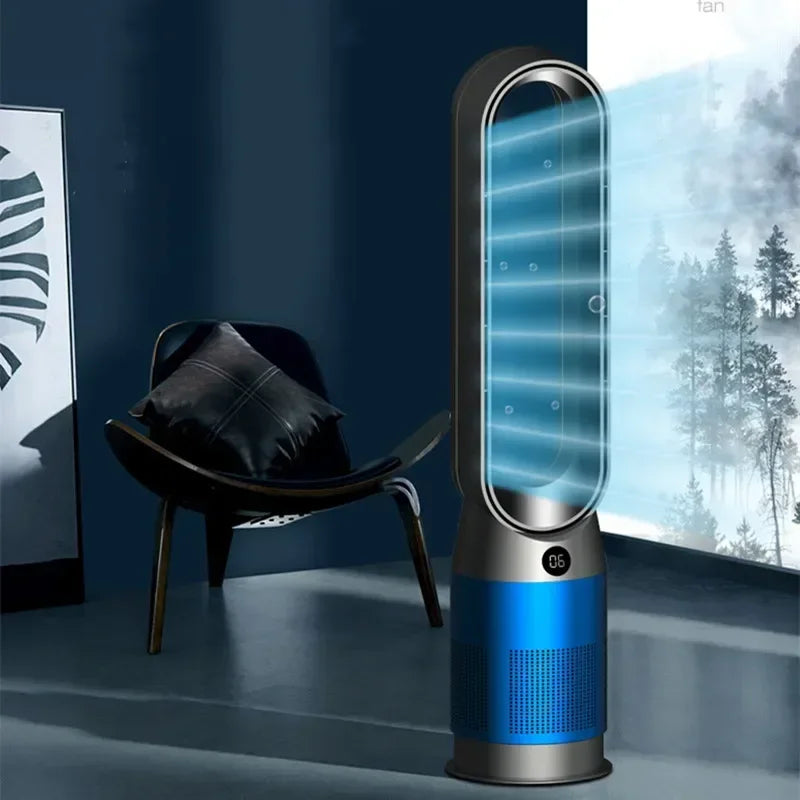
For readers who need room-level airflow rather than a complete HVAC replacement, a tower fan can complement an existing ventilation or air-conditioning setup. The important consideration is still placement: even a capable fan works better when it supports a clear airflow path.
Final Takeaway: Improve the Airflow Path First
The best way to improve room air circulation is to diagnose the problem before adding equipment. Start by identifying stagnant areas, checking supply and return paths, removing obstructions, and determining whether the room needs circulation, ventilation, or HVAC distribution improvements.
Then choose the solution that fits the room. Cross-ventilation can help when windows are available and outdoor conditions are suitable. Exhaust ventilation is important in bathrooms and other moisture-prone spaces. HVAC adjustments can address persistent distribution problems. A strategically positioned ceiling fan or tower fan can provide supplemental room-level circulation when the airflow path is already understood.
For a controllable all-season option, a bladeless tower fan with oscillation, adjustable speeds, cooling and heating modes, and remote control can help support everyday comfort in appropriately sized rooms. The goal is not simply to create stronger airflow in one spot—it is to create useful movement throughout the space.
Pillar Article: Best Bladeless Tower Fan Heaters of 2026: Tested & Compared













