

Do built in heating wires really keep hands warm?
Built in heating wires generate gentle, low-voltage heat directly along the fingers and palm, helping cyclists maintain warmth in cold and windy conditions. Unlike traditional insulation that only slows heat loss, heated elements actively add warmth to areas that lose heat quickly, helping reduce cold fingers and discomfort during long winter rides.
How to Keep Hands Warm While Cycling in Winter
Cold hands can quickly ruin a winter bike ride. Even when your legs and core stay warm from pedaling, your fingers remain exposed to wind, moisture, and constant airflow. Learning how to keep hands warm while cycling in winter starts with understanding why hands lose heat and choosing the right combination of insulation, wind protection, and circulation support.
The most effective winter cycling hand-warming strategy is not always the thickest glove. A properly fitted glove system, protection from wind chill, and smart riding habits can help you keep hands warm biking in cold weather while maintaining comfort and handlebar control.
⏱ 7 min read
Discover how modern heating technology transforms winter comfort.
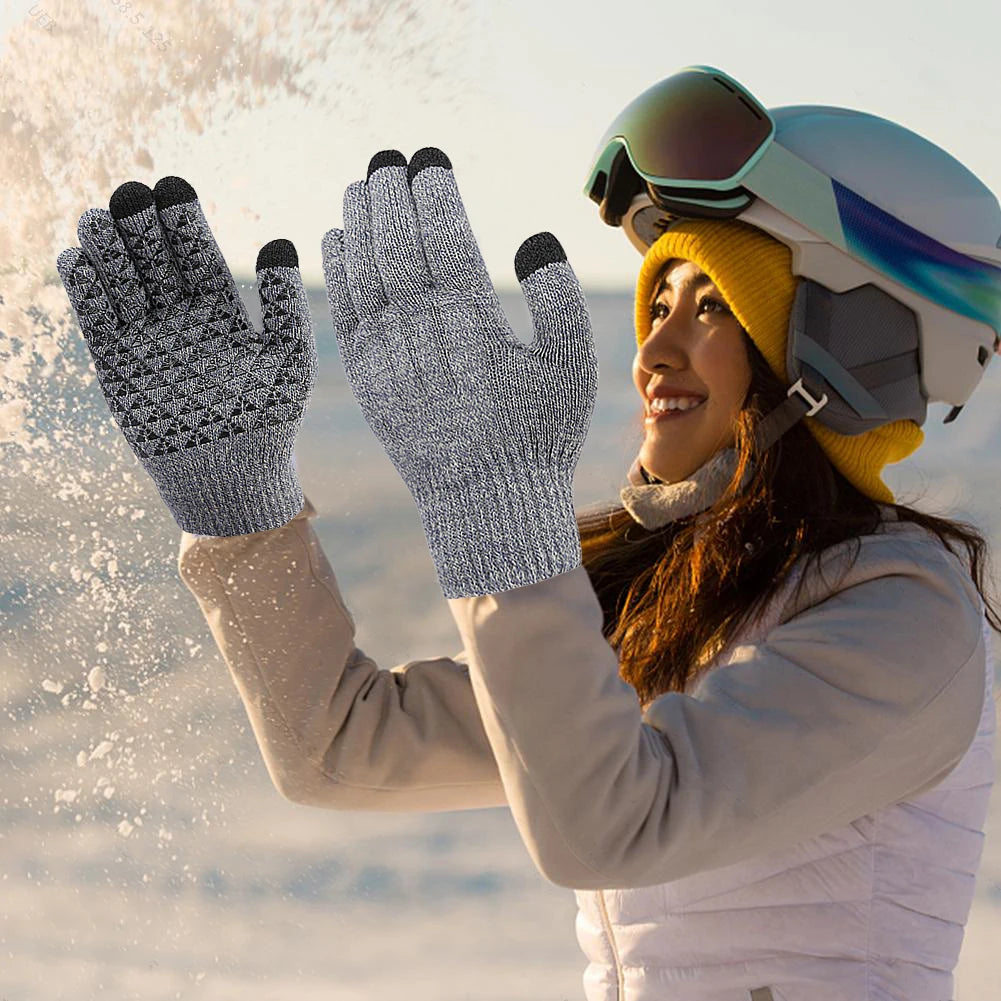
Built in heating wires deliver warmth exactly where fingers need it most See it in action
Why Do Hands Get Cold When Cycling in Winter?
Cold hands during winter cycling are usually caused by a combination of wind chill, moisture buildup, reduced circulation, and rapid heat loss . While your legs and core generate heat through movement, your hands remain relatively inactive while gripping handlebars and are continuously exposed to cold air.
Understanding why hands get cold when cycling helps you choose better gloves and avoid common mistakes that lead to numb hands cycling in winter . The goal is to prevent heat loss before your fingers become cold rather than trying to restore warmth after circulation has already decreased.
Wind Chill and Constant Air Exposure
Cycling creates continuous airflow across your hands, increasing the rate of heat loss. Even moderate winter temperatures can feel much colder when combined with cycling speed, especially during fast descents, open roads, or strong headwinds.
Windproof gloves and handlebar protection work by reducing direct air exposure. Blocking wind often provides a bigger improvement than simply adding thicker insulation because moving air removes warmth faster from exposed skin and glove surfaces.
Sweat Cooling Inside Gloves
Your hands can sweat during physical activity even when outdoor temperatures are low. If gloves trap moisture without allowing ventilation, sweat can create evaporative cooling that makes fingers feel colder when your pace slows or when you stop riding.
Choosing breathable materials and managing layers helps prevent damp gloves from losing their insulating ability. Dry insulation is far more effective than wet insulation during winter cycling.
Reduced Blood Flow and Grip Pressure
Cold temperatures already encourage the body to conserve heat, and additional pressure from a tight grip or poorly fitted gloves can further reduce comfort. Excessive handlebar pressure, vibration, and restricted glove space may make fingers feel colder or contribute to numbness.
A relaxed grip, proper glove sizing, and changing hand positions regularly help support circulation during longer rides.
Why Fingers Lose Heat Faster Than the Rest of the Body
Fingers lose heat quickly because they contain little muscle mass and have a large surface area compared with their size. Unlike the legs, which generate significant warmth through pedaling, fingers produce very little heat while cycling.
Because hands are exposed and mostly stationary, they depend heavily on external protection such as insulated gloves, wind barriers, and active heating solutions in extreme cold.
Quick Tips to Keep Hands Warm While Cycling
If your hands get cold quickly during winter rides, small adjustments can reduce heat loss before you need heavier gear.
- Start your ride with warm hands. Warm your hands indoors before heading outside so circulation is already active when you begin cycling.
- Avoid gloves that are too tight. Tight gloves can restrict circulation and remove the insulating air space that helps retain warmth.
- Keep your core warm. A warm torso supports overall comfort and helps your body maintain circulation to the extremities.
- Relax your grip. Holding the handlebars too tightly can increase pressure on your hands and reduce comfort.
- Move your fingers regularly. Small movements during long rides can help maintain circulation and prevent stiffness.
Choosing the Right Cycling Gloves for Cold Weather
The best cycling gloves for cold weather need to balance insulation, wind protection, breathability, and fit. A glove that is too bulky may reduce braking control, while one that is too thin can allow heat to escape quickly. The right winter cycling glove keeps hands warm while maintaining the dexterity needed for steering, shifting, and controlling the bike.
Insulated Winter Cycling Gloves
Insulated winter cycling gloves use synthetic insulation and protective outer materials to trap warm air around the hands. They are a reliable choice for moderate cold conditions where riders still need flexibility and precise finger movement.
Look for gloves with enough insulation for your typical riding temperature without creating excessive bulk. A comfortable fit should allow fingers to move naturally while leaving enough space for a thin layer of warm air inside the glove.
Lobster Claw Gloves for Extreme Cold
Lobster claw gloves group fingers together while keeping the thumb and braking fingers separated. This design allows fingers to share warmth, making them one of the best gloves for winter cycling when temperatures approach freezing.
They are especially useful for long rides in cold conditions because they provide more warmth than traditional five-finger gloves while still allowing important handlebar control.
Layering with Thin Glove Liners
Adding thin thermal glove liners underneath winter cycling gloves creates an additional insulating layer. This layering approach helps riders adapt to changing weather because liners can be added or removed depending on temperature and ride intensity.
However, avoid over-layering with gloves that become too tight. Compression around the fingers can reduce circulation and make hands feel colder.
Waterproof vs Windproof Materials
Windproof materials are essential for cycling because constant airflow increases heat loss. They prevent cold air from passing through the glove and help maintain warmth during faster rides.
Waterproof gloves protect against rain, snow, and wet conditions, but they should also provide breathability to prevent sweat buildup. For harsh winter weather, gloves that combine wind resistance, water protection, and insulation offer the most balanced performance.
Temperature Guide: Best Gloves for Winter Cycling Conditions
Choosing the best gloves for winter cycling depends on more than the temperature alone. Wind, humidity, ride duration, and cycling intensity all affect how quickly your hands lose heat.
5°C to 10°C (40°F–50°F)
For cool but not freezing conditions, lightweight thermal cycling gloves or wind-resistant gloves usually provide enough warmth while maintaining breathability and finger control.
These conditions are ideal for riders who need flexibility and do not want excessive insulation that may cause sweaty hands during higher-intensity rides.
-5°C to 5°C (23°F–40°F)
When temperatures approach freezing, insulated winter cycling gloves become more important. Adding thin glove liners can provide extra warmth during longer rides or exposed routes with stronger wind.
A combination of insulation and wind protection is usually more effective than simply choosing a thicker glove without airflow protection.
Below -5°C (23°F)
Extreme cold conditions often require a more complete hand protection system. Lobster claw gloves, handlebar mitts, or heated gloves can help maintain comfortable hand temperatures during extended winter rides.
For very cold weather, prioritize blocking wind and retaining heat rather than focusing only on glove thickness.
Wet and windy conditions
Cold rain and strong wind can make hands feel much colder than the actual air temperature. In these conditions, waterproof outer materials, wind-blocking layers, and moisture management become critical.
Riders facing frequent wet winter conditions should choose gloves that keep external moisture out while allowing sweat vapor to escape.
Handlebar Mitts: The Secret to Keeping Hands Warm While Cycling
Handlebar mitts, also known as bar mitts or pogies, attach directly to the handlebars and create a protective pocket around your hands. By reducing direct wind exposure, they dramatically decrease heat loss during cold-weather rides.
How Bar Mitts Block Wind Chill
Unlike gloves that must fight against constant airflow, handlebar mitts prevent wind from reaching your hands in the first place. This makes them highly effective for reducing wind chill during fast cycling, commuting, and long-distance winter rides.
Because they provide an external wind barrier, riders can often use lighter gloves inside bar mitts while maintaining excellent warmth and flexibility.
When to Use Handlebar Mitts Instead of Thicker Gloves
Bar mitts are especially useful for cyclists who regularly ride in freezing temperatures, strong winds, or long exposed routes. They are popular among commuters and touring cyclists who need reliable warmth for extended periods.
For many riders, improving wind protection with bar mitts is more comfortable than wearing extremely thick gloves that limit hand movement.
Combining Bar Mitts with Lightweight Gloves
Many cyclists pair thin gloves with handlebar mitts to create a warm, flexible setup. This combination provides insulation from the gloves while the mitts block cold airflow.
The result is improved dexterity, easier brake control, and better comfort during extremely cold rides.
Do Heated Gloves Really Work for Winter Cycling?
Heated cycling gloves can provide active warmth by using built-in heating elements powered by rechargeable batteries. Unlike traditional gloves that only slow down heat loss, heated gloves add warmth directly around areas that become cold fastest, including the fingers and back of the hand.
For riders facing freezing temperatures, long winter rides, or persistent cold hands, heated gloves can improve comfort when standard insulation is not enough. However, their performance depends on proper fit, battery capacity, insulation, and protection from wind and moisture.
How Electric Heating Elements Warm the Fingers
Electric heating elements inside heated gloves use flexible, low-voltage wires or panels to distribute gentle warmth across the fingers, palm, and back of the hand. These elements are designed to provide consistent heat without adding the bulk of extra insulation layers.
The most effective heated gloves combine active heating with traditional cold-weather protection. Heating elements help replace lost warmth, while insulated and wind-resistant materials prevent that warmth from escaping.
When Heated Gloves Are Worth Using
Heated gloves are especially useful for cyclists who spend extended periods outdoors in cold conditions. They can be a practical choice for:
- Long winter rides: Extended exposure increases the chance of heat loss, making active warmth more valuable.
- Cold-weather commuting: Riders traveling early mornings or evenings may benefit from consistent hand warmth.
- Freezing temperatures: Extremely cold conditions can overwhelm traditional gloves, even when properly insulated.
- Riders who struggle with cold fingers: Some cyclists naturally experience colder hands and may benefit from additional heat support.
Limitations in Wet or Windy Conditions
Heated gloves improve warmth, but they are not a replacement for windproof and waterproof protection. Strong airflow can still remove heat from the glove surface, and moisture can reduce insulation performance.
For the best results, choose heated gloves with protective outer materials and combine them with smart layering when riding in rain, snow, or strong winds.
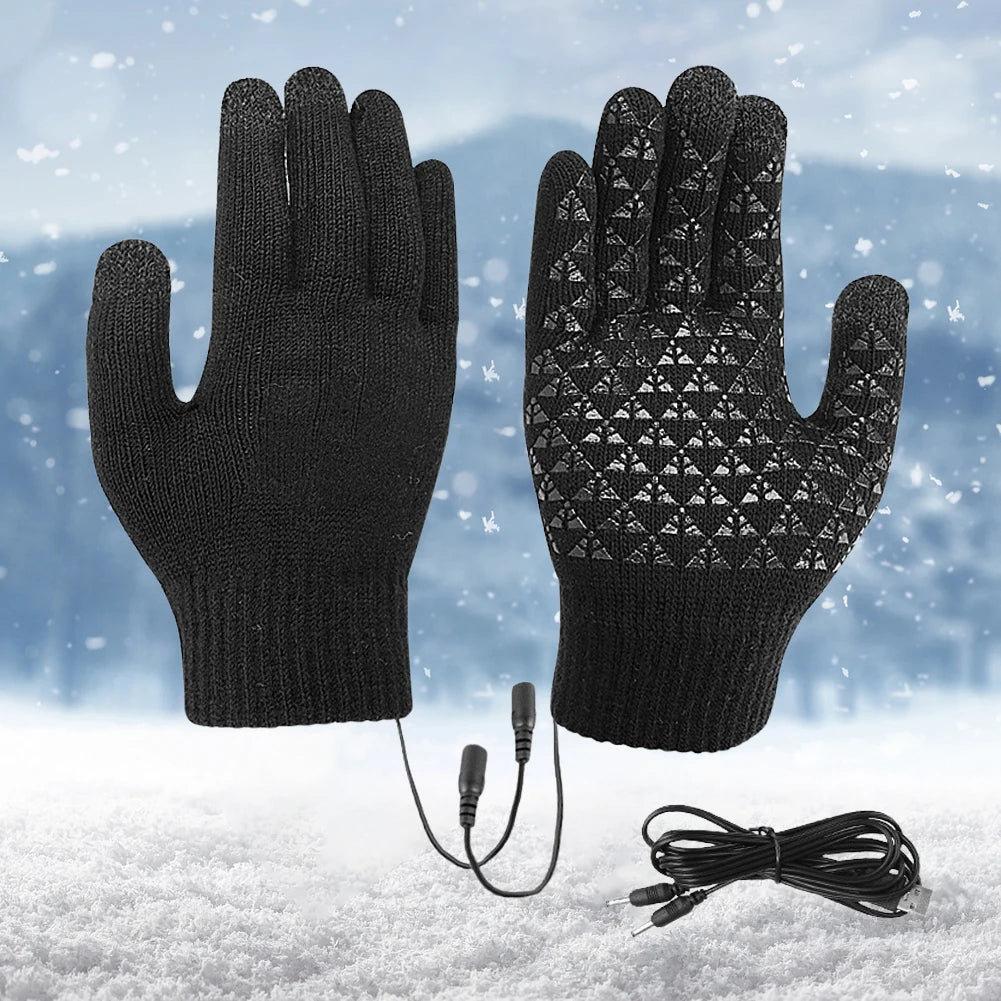
Wire heating elements deliver consistent warmth with minimal bulk See it in action
How to Prevent Numb Hands When Cycling in Winter
Numb hands while cycling in winter are usually caused by a combination of cold temperatures, reduced circulation, and pressure on nerves. Preventing numbness requires more than warmer gloves—it also involves improving hand position, reducing pressure points, and maintaining comfortable circulation.
Improve Blood Circulation While Riding
Keeping your core warm helps your body maintain overall comfort in cold weather. During longer rides, regularly moving your fingers and briefly adjusting your grip can encourage circulation and reduce stiffness.
Small movements, such as opening and closing your hands or changing pressure on the handlebars, can help prevent fingers from becoming cold and unresponsive.
Relax Your Grip to Reduce Nerve Pressure
A tight grip creates unnecessary pressure on the palms and wrists, which can contribute to discomfort and numbness. Holding the handlebars with a relaxed grip allows better circulation and reduces stress on nerves.
If your hands frequently become numb, consider whether you are gripping too tightly because of cold, riding position, or handlebar setup.
Change Hand Positions Frequently
Keeping your hands in the same position for long periods can create repeated pressure on the same areas. Changing hand positions regularly helps distribute pressure and improves comfort during extended winter rides.
Check Glove Fit and Bike Setup
Gloves that are too tight can restrict circulation and reduce warmth, while oversized gloves may limit control. A proper fit should allow finger movement without squeezing.
Your bike setup can also affect hand comfort. Handlebar height, riding posture, and pressure distribution can influence how much stress reaches your hands during a ride.
How to Stop Hands Freezing While Biking: Complete Winter Setup
Learning how to stop hands freezing while biking requires a complete winter hand protection system rather than relying on a single piece of gear. The most effective setup combines insulation, wind protection, moisture control, and riding adjustments to help maintain warmth throughout your ride.
Layered Glove System
A layered glove system helps trap warm air while allowing flexibility in changing conditions. A thin thermal liner can provide additional insulation under winter cycling gloves, while an insulated outer glove helps retain heat and protect against cold air.
The key is avoiding excessive layers that make gloves too tight. Proper fit allows circulation and creates the insulating air space needed to keep fingers warm.
Wind Protection Strategy
Wind is one of the biggest causes of heat loss while cycling. Windproof gloves, protective outer layers, and handlebar mitts reduce direct airflow and help preserve warmth during exposed rides.
For riders facing strong winter winds, improving wind protection can often provide a greater comfort improvement than simply adding thicker insulation.
Moisture Management
Keeping hands dry is essential for maintaining warmth. Sweat trapped inside gloves can reduce insulation performance and make fingers feel colder as moisture evaporates.
Choose breathable glove materials and adjust layers based on riding intensity. A glove system that releases moisture while blocking cold air helps maintain a more comfortable temperature.
Circulation and Bike Fit Adjustments
Good circulation is an important part of how to keep hands warm cycling . Relax your grip, move your fingers periodically, and change hand positions during longer rides to reduce pressure points.
Bike fit also affects hand comfort. Excessive pressure on the palms, wrists, or handlebars can contribute to numbness, so adjusting riding position may improve comfort during cold-weather cycling.
Winter Cycling Hand-Warming Checklist
Use this checklist before, during, and after winter rides to maintain warmer hands and improve your cold-weather cycling setup.
Before the ride
- Warm your hands first: Start with warm fingers before heading outdoors instead of trying to recover warmth after they become cold.
- Check the weather: Consider temperature, wind, rain, and ride duration when choosing gloves and layers.
- Prepare your gear: Make sure gloves are dry, liners are ready, and heated glove batteries are charged if applicable.
- Choose the right glove setup: Match insulation and protection to your expected riding conditions.
During the ride
- Move your fingers regularly: Small movements help maintain comfort during long rides.
- Keep your grip relaxed: Avoid unnecessary pressure on your hands and wrists.
- Adjust before discomfort starts: Add warmth or change layers before fingers become numb.
- Monitor moisture: Sweaty hands can become cold quickly when temperatures drop.
After wet rides
- Dry gloves completely: Moist insulation loses effectiveness and can reduce warmth on future rides.
- Clean and maintain gear: Proper care helps preserve glove materials and waterproof protection.
- Recharge and inspect heated gear: Check batteries and heating components before your next cold-weather ride.
Frequently Asked Questions
Should winter cycling gloves be tight or loose?
Winter cycling gloves should fit comfortably without squeezing your fingers. A slightly relaxed fit allows better circulation and creates a layer of warm air inside the glove.
Are bar mitts better than heated gloves?
Bar mitts and heated gloves solve different problems. Bar mitts are excellent for blocking wind, while heated gloves provide active warmth. Many cyclists combine them with lightweight gloves for maximum comfort in extreme cold.
How do I keep my fingers warm on long winter rides?
Use a combination of insulated gloves, wind protection, moisture management, and proper circulation habits. Preventing heat loss early is usually more effective than trying to warm cold fingers later.
Why do my hands sweat even when they feel cold?
Exercise increases body temperature, so hands can sweat even during cold-weather rides. If moisture becomes trapped inside gloves, evaporation can reduce warmth and make fingers feel colder.
Can glove liners make winter cycling gloves warmer?
Yes. Thin glove liners add another insulating layer and can improve warmth when paired with properly sized winter cycling gloves.
What is the best way to prevent numb hands when cycling in winter?
The best approach is combining proper glove fit, wind protection, relaxed grip technique, regular hand movement, and a comfortable bike setup to reduce pressure and maintain circulation.













