

How to Wear a Neck Warmer in Cold Weather
Choose the Right Fit and Coverage
If you're wondering how to wear a neck warmer for maximum comfort and warmth, start with the fit. A neck warmer for winter should rest snugly against your neck without restricting breathing or movement. Position it so it covers all exposed skin around the neck, with enough height to pull over your chin, mouth, and nose when temperatures drop or wind picks up. A close fit helps trap warm air while reducing cold drafts.
Adjust for Warmth and Breathability
Adjust your neck warmer based on both the weather and your activity level. Pull it higher over your face during freezing or windy conditions for extra protection, then lower it slightly during high-output activities to improve airflow and reduce moisture buildup. This simple adjustment helps balance heat retention with all-day comfort.
Common Mistakes to Avoid
- Wearing it too loosely, allowing cold air to enter around the collar.
- Pulling it too tightly, reducing comfort and breathability.
- Leaving gaps between the neck warmer and your jacket collar in windy weather.
- Failing to adjust coverage as temperatures or activity levels change.
⏱ 6 min read
How to Wear a Neck Warmer: 10+ Ways for Cold Weather Protection
Learn how to wear a neck warmer with practical techniques for everyday winter use, outdoor sports, and extreme cold. This guide covers multiple wearing styles, from classic neck coverage and face protection to balaclava-style configurations and smart layering tips.
A cold breeze slipping through your jacket collar can quickly make even a short walk uncomfortable. Unlike a traditional scarf that may loosen or require constant adjustment, a thermal neck warmer stays securely in place while helping retain body heat. Whether you're commuting, hiking, cycling, or spending extended time outdoors, learning how to wear a neck warmer correctly improves warmth, comfort, and protection without adding unnecessary bulk.
Explore how a thermal neck warmer adapts to your cold-weather routine
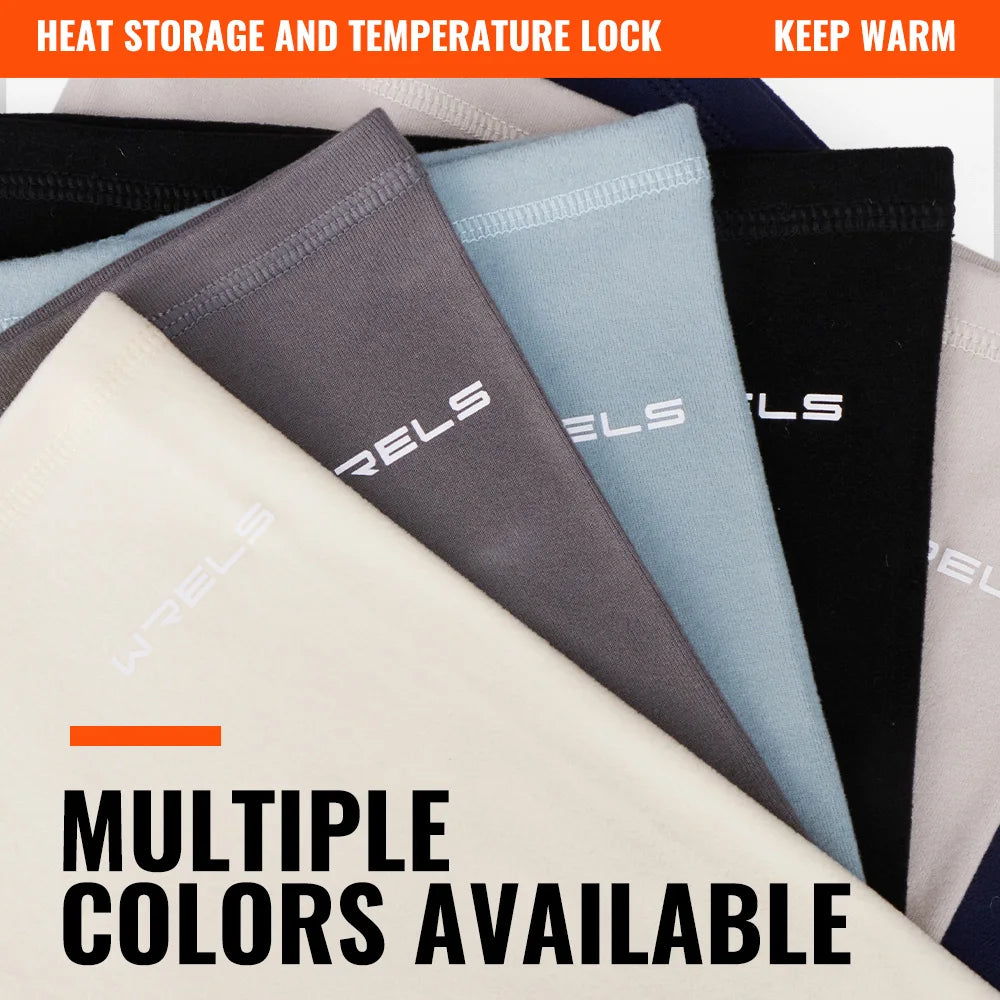
Thermal neck warmer layered for daily winter wear. See it in action.
How to Wear a Neck Warmer in Cold Weather
Choose the Right Fit and Coverage
A properly fitted neck warmer sits close to the skin while remaining comfortable enough for all-day wear. Position it evenly around your neck so it overlaps your jacket collar and seals exposed skin. When needed, pull the upper edge over your chin, mouth, or nose for additional protection against wind chill without restricting natural movement.
Adjust for Warmth and Breathability
Knowing how to wear a neck warmer also means adapting it to changing conditions. Raise the gaiter for better wind protection during cold weather, then lower it slightly during strenuous activity to improve ventilation and reduce excess heat. Making small adjustments throughout the day helps maintain a comfortable temperature.
Common Mistakes to Avoid
- Leaving gaps between the neck warmer and your jacket collar.
- Wearing it too tightly, reducing comfort and airflow.
- Ignoring changing weather or activity levels instead of adjusting the fit.
- Using a loose fit that allows cold air to circulate inside the collar.
How to Use a Neck Gaiter Step-by-Step
Step 1: Position Around the Neck
- Slide the neck gaiter comfortably over your head.
- Center it evenly around your neck so the fabric lies flat.
- Make sure it overlaps your jacket collar to minimize gaps where cold air can enter.
Step 2: Adjust Height and Seal
For colder weather, pull the upper edge over your chin, mouth, or nose while keeping the fit comfortable. A proper seal helps retain body heat and block wind without making breathing feel restricted.
Step 3: Adapt for Changing Conditions
One advantage of learning how to use a neck gaiter is its flexibility. Raise it for stronger wind protection, then lower it slightly during hiking, running, or other high-output activities to improve airflow and reduce moisture buildup.
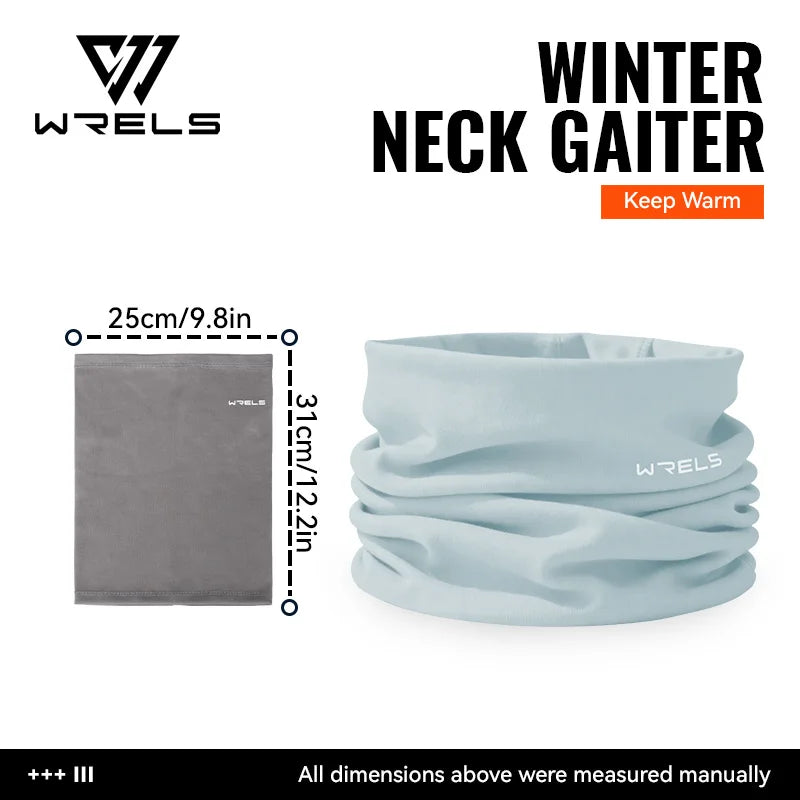
Insulated neck gaiter setup for windy conditions. See it in action.
Learn how to style a thermal neck gaiter for your daily routine.
10+ Ways to Wear a Neck Warmer
Classic Neck Wrap
Wear the gaiter around your neck as an everyday insulating layer to trap warmth and shield against cold air. This is the most versatile option for commuting, walking, and general winter use.
Folded Thermal Collar
Fold the gaiter in half before wearing it to create a thicker collar that provides extra insulation during freezing temperatures without adding bulk.
Pull-Up Face Cover
Pull the upper portion over your nose and mouth to reduce exposure to wind, blowing snow, and cold air while maintaining comfortable coverage.
Half-Face Wind Guard
Cover your chin, cheeks, and lower face while leaving your nose partially exposed when you need a balance between warmth and easy breathing.
Full Balaclava Style
Stretch the gaiter upward over your head, leaving only your eyes uncovered. This configuration offers excellent protection for skiing, snowboarding, and other cold-weather activities.
Scarf Alternative
Wear the gaiter lower around your neck for the appearance of a lightweight scarf while enjoying a more secure fit that stays in place.
Headband
Fold the gaiter into a wide band to keep hair in place and provide light insulation across the forehead during cool-weather activities.
Ear Warmer
Position the folded gaiter over your ears to help retain heat without fully covering your head, making it ideal for brisk walks or winter runs.
Beanie Style
Pull the gaiter over the top of your head and tuck the upper edge inward to create a lightweight beanie for mild winter conditions.
Helmet Liner
Wear a thin thermal neck gaiter beneath a ski, cycling, or motorcycle helmet to improve warmth around the neck and lower face while maintaining helmet comfort.
Double-Layer Winter Wrap
Fold the gaiter over itself before putting it on to increase insulation during exceptionally cold mornings or strong winds.
Convertible Hood
Pair the gaiter with a hooded jacket to create continuous coverage from your shoulders to the top of your head, minimizing exposed skin.
Wristband Storage
When temperatures rise temporarily, roll the gaiter onto your wrist for convenient storage until additional warmth is needed again.
Emergency Face Shield
Quickly pull the gaiter over your nose and mouth when unexpected gusts, blowing snow, or dusty conditions reduce comfort during outdoor activities.
How to Layer a Thermal Neck Warmer for Extreme Cold
Choose a Moisture-Wicking Base Layer
For effective extreme cold neck protection, wear your thermal neck warmer directly against the skin or over a lightweight moisture-wicking base layer. This helps retain body heat while moving perspiration away from your skin, keeping you warmer and more comfortable during extended outdoor activities.
Add Insulation Without Bulk
Layer your thermal neck warmer with an insulated jacket or mid-layer fleece instead of relying on a single thick garment. Multiple lightweight layers provide better temperature regulation, improve mobility, and allow moisture to escape without sacrificing warmth.
Seal Gaps Around Collar and Jacket
Overlap the neck warmer with your jacket collar and adjust it to cover the chin and lower jaw when needed. Eliminating gaps where cold air can enter significantly improves wind resistance and helps reduce heat loss in freezing conditions.
Adjust Layers as Conditions Change
Knowing how to layer a neck warmer means adapting throughout the day. Pull the gaiter higher during strong winds or low temperatures, then lower it slightly or open your outer layer during strenuous activity to prevent overheating and maintain consistent comfort.
Best Neck Warmer Styles for Different Activities
Skiing and Snowboarding
Wear your neck gaiter in a full balaclava style or as a pull-up face cover beneath a helmet. This combination helps protect your face and neck from wind chill, blowing snow, and changing mountain conditions while maintaining a secure fit.
Running
Choose a lightweight thermal neck gaiter that can be raised or lowered easily as your body temperature changes. A breathable fit helps manage moisture while protecting your neck during cold-weather runs.
Cycling
Wear the gaiter as a half-face wind guard or helmet liner to shield your neck and lower face from cold air without interfering with helmet comfort or visibility.
Hiking
A classic neck wrap works well for most trails, while a pull-up face cover provides additional protection on exposed ridges or during sudden weather changes. Adjust coverage throughout your hike to balance warmth and breathability.
Commuting
For everyday travel, wear the gaiter as a simple neck wrap that seals comfortably against your coat collar. It offers reliable warmth without the bulk or constant adjustment often associated with traditional scarves.
Outdoor Work
Workers exposed to prolonged cold can switch between a neck wrap and full face covering as temperatures, wind, and workload change. A thermal neck gaiter provides flexible protection while allowing comfortable movement throughout the day.
Fit & Comfort Tips for All-Day Wear
Prevent Slipping
A properly sized neck gaiter should stay comfortably in place without feeling restrictive. Choose a fabric with good stretch recovery so it maintains its shape after repeated use, and position it so it overlaps your jacket collar to reduce movement during walking, hiking, or commuting.
Reduce Glasses Fogging
If you wear glasses or goggles, avoid pulling the gaiter too high over the bridge of your nose. Instead, shape the upper edge to direct warm breath downward and maintain a secure but breathable fit. This simple adjustment can help reduce lens fogging while preserving warmth.
Avoid Overheating
Knowing how to use a neck gaiter means adjusting it throughout the day. Lower the fabric slightly during strenuous activities to improve airflow, then pull it back up when you stop moving or temperatures drop. Moisture-wicking materials also help keep you comfortable by managing perspiration.
Switch Styles Outdoors
A thermal neck gaiter can quickly change from a classic neck wrap to a face cover, ear warmer, or balaclava-style configuration. Switching between these styles as weather conditions change helps maintain comfort without carrying extra winter accessories.
Many people find that replacing a traditional scarf with a well-fitted thermal neck gaiter provides more consistent warmth, reduces skin irritation caused by shifting fabric, and requires fewer adjustments throughout the day.
Neck Warmer vs Scarf vs Balaclava
| Feature | Thermal Neck Warmer | Scarf | Balaclava |
|---|---|---|---|
| Stays in place | ✅ | ❌ | ✅ |
| Breathable | ✅ | ⚠️ | ⚠️ |
| Easy to adjust | ✅ | ❌ | ❌ |
| Everyday comfort | ✅ | ⚠️ | ⚠️ |
Coverage Comparison
A thermal neck gaiter provides targeted coverage around the neck and lower face while remaining easy to reposition. Scarves offer flexible styling but are more likely to loosen or leave gaps, whereas balaclavas provide the greatest head and face coverage but are less adaptable once in place.
Warmth and Breathability
For most winter conditions, a thermal neck gaiter balances insulation and airflow more effectively than a traditional scarf. Balaclavas generally deliver the highest level of warmth for severe weather, although they may retain more heat during vigorous outdoor activities.
Best Situations for Each
- Thermal neck warmer: Daily commuting, hiking, cycling, running, and other active winter use where flexibility and breathability matter.
- Scarf: Casual outings and low-activity situations where style is a priority.
- Balaclava: Skiing, snowboarding, snowmobiling, and prolonged exposure to freezing temperatures or strong winds.
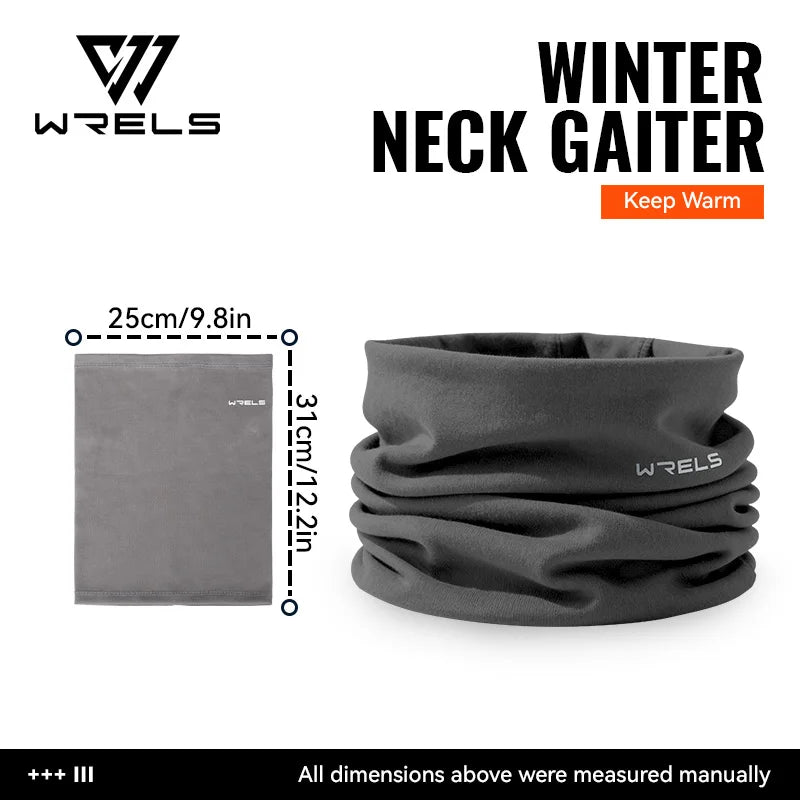
Neck warmer for winter protection in extreme cold. See it in action.
Get yours now — limited stock!
Frequently Asked Questions
Can a Neck Warmer Replace a Scarf?
Yes. A thermal neck warmer can replace a scarf for most winter activities because it fits more securely, traps heat more effectively around the neck, and can quickly convert into a face covering when weather conditions change.
Is It Safe to Breathe Through a Thermal Neck Gaiter?
Yes, provided the gaiter fits comfortably and is made from breathable materials. Avoid wearing it too tightly, and adjust the position during strenuous activity to maintain comfortable airflow.
How Do I Stop My Glasses from Fogging?
Position the upper edge of the gaiter so exhaled air is directed downward instead of upward toward your lenses. A snug fit around the nose and cheeks, without excessive pressure, can also help reduce fogging.
Can I Wear a Neck Gaiter Under a Helmet?
Yes. A lightweight thermal neck gaiter fits comfortably under most bike, ski, snowboard, and motorcycle helmets while adding warmth around the neck, ears, and lower face without affecting helmet fit.
Which Material Is Warmest for Winter?
Fleece and merino wool provide excellent insulation for cold weather. High-performance synthetic fabrics are also a strong choice because they dry quickly, wick moisture efficiently, and maintain warmth during active outdoor use.
How Should I Wash and Dry a Neck Warmer?
Machine wash your insulated neck gaiter on a gentle cycle using cold water and mild detergent. Air drying or tumble drying on low heat helps preserve elasticity, insulation, and the fabric's long-term performance.
Related Guide: What Is a Gaiter and How to Wear One for Winter Comfort













