

What is the best way to stay warm and safe when riding a motorcycle in winter?
The best way to stay warm and safe when riding a motorcycle in winter is to use a three-layer motorcycle clothing system: a moisture-wicking base layer, an insulating mid layer, and a windproof, weather-resistant outer shell. Together, these layers manage perspiration, trap body heat, and block wind chill, helping riders maintain comfort, mobility, focus, and better control in cold-weather conditions.
How to Layer for Winter Motorcycle Riding (Complete Rider System)
⏱ 8 min read
Cold-weather riding presents challenges that ordinary winter clothing isn't designed to handle. As speed increases, wind chill strips away body heat, muscles become stiffer, and concentration can decline. Instead of simply adding more clothing, experienced riders rely on a motorcycle-specific layering system that balances warmth, breathability, mobility, and protection. This guide explains how to layer for winter motorcycle riding so you can stay comfortable, reduce fatigue, and ride more confidently in changing winter conditions.
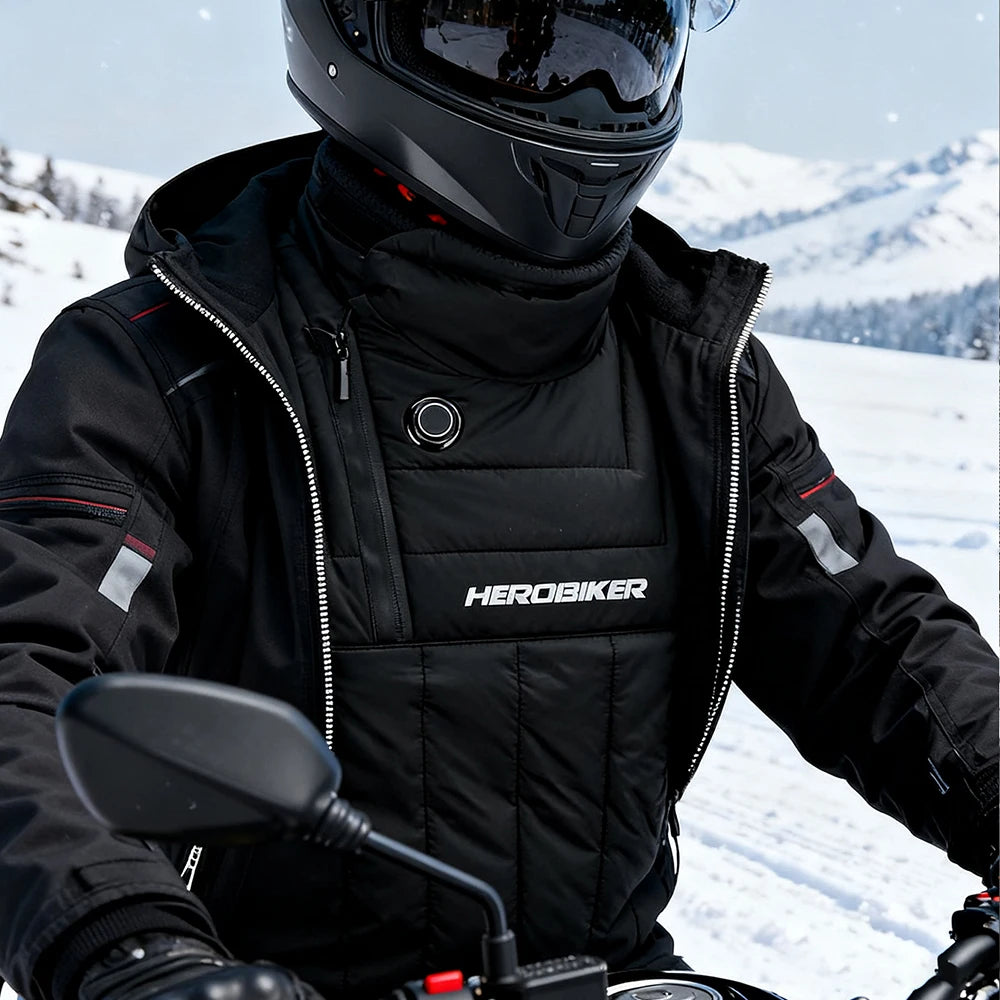
Layering for winter starts with smart choices, not bulky gear. See it in action.
Why Winter Layering Matters for Motorcyclists
Learning how to stay warm on a motorcycle in winter starts with understanding how quickly your body loses heat while riding. Even on days that feel comfortable when standing still, airflow created at highway speeds dramatically increases wind chill, causing your body temperature to drop much faster than the air temperature alone suggests.
Cold exposure affects more than comfort. As your hands, arms, and core cool down, muscle flexibility decreases, reaction times can slow, and fatigue develops sooner. Moisture from perspiration makes the situation worse because damp clothing accelerates heat loss once the wind passes through your riding gear.
A properly designed motorcycle gear layering system addresses these challenges by allowing each clothing layer to perform a specific job instead of expecting one garment to do everything.
- Moisture control: Wicks perspiration away from the skin to reduce chilling during long rides.
- Insulation: Traps warm air close to the body, creating an effective thermal barrier.
- Wind protection: Blocks cold air and weather that would otherwise strip away stored body heat.
This layered approach is one of the most effective motorcycle cold weather layering tips because it adapts easily to changing temperatures, riding speeds, and weather conditions. Rather than wearing bulky clothing that restricts movement, riders can add or remove individual layers while maintaining comfort and safe control of the motorcycle.
Unlike everyday winter outfits, motorcycle clothing must also work with protective riding equipment, allowing full steering movement while keeping armor correctly positioned throughout the ride.
The 3-Layer Motorcycle System Explained (Base, Mid, Outer)
The foundation of every winter motorcycle layering guide is a simple three-layer system. Each layer has a dedicated purpose, and together they create a balanced combination of warmth, breathability, and weather protection. Removing one layer reduces the overall performance of the system, even if the remaining layers are thicker.
How the Three Layers Work Together While Riding
- Base layer: Moves moisture away from your skin to keep you dry and maintain consistent body temperature.
- Insulation layer: Traps warm air generated by your body without adding unnecessary bulk.
- Outer shell: Blocks wind, rain, and road spray while providing the protective motorcycle jacket and pants required for riding.
When these layers work together, they help prevent cold while riding a motorcycle by controlling moisture, preserving body heat, and reducing the effects of wind chill throughout the ride.
Why Motorcycle Layering Differs From Regular Winter Clothing
Winter motorcycle riding exposes you to continuous airflow, changing weather, and a seated riding position for extended periods. Clothing designed for walking or casual outdoor use often becomes compressed under motorcycle gear, reducing its insulating ability and limiting mobility.
Motorcycle-specific layering prioritizes close-fitting moisture management, efficient insulation, and wind resistance while allowing enough flexibility to operate the controls safely. It also keeps thermal clothing separate from abrasion-resistant riding gear, ensuring each performs its intended function.
How to Layer Under Motorcycle Armor Without Restricting Movement
Thermal clothing should always be worn beneath your armored motorcycle jacket and pants—not over them. Keep the base layer close to the skin, choose an insulation layer that fits comfortably without excessive bulk, and finish with properly fitted protective riding gear. Before setting off, check that you can fully turn your head, reach the handlebars, bend your elbows and knees, and operate every control without restriction. A well-fitted layering system keeps you warm while allowing your protective armor to stay correctly positioned during the ride.
Base Layer: Moisture Control and Thermal Regulation
A quality base layer for cold weather riding sits directly against your skin and forms the foundation of your winter motorcycle clothing system. Its primary job is not to create warmth but to move perspiration away from your body, helping you stay dry so your insulation layer can work efficiently throughout the ride.
Merino Wool vs Synthetic Base Layers
- Merino wool: Naturally regulates temperature, resists odors, remains comfortable during long rides, and continues to provide insulation even when slightly damp.
- Synthetic fabrics: Dry quickly, offer excellent durability, and are often the preferred choice for riders who expect higher activity levels or frequent washing.
Merino wool is often the better option for extended winter touring and consistently cold conditions, while synthetic base layers are well suited for commuting, shorter rides, and riders looking for a more budget-friendly solution.
Why a Dry Base Layer Helps You Stay Warm
Moisture is one of the biggest causes of heat loss during winter riding. Sweat trapped against your skin cools rapidly as wind passes through your riding gear, making you feel colder even if your insulation layer is thick. Moisture-wicking fabrics reduce this effect by transporting perspiration away from the skin, allowing it to evaporate without soaking your clothing.
This simple process helps prevent chills, improves the performance of your insulation layer, and keeps your body temperature more consistent during long rides.
Avoid cotton as your first layer whenever possible. Cotton absorbs and holds moisture instead of moving it away, causing it to feel cold and heavy once damp. This makes it one of the least effective choices for motorcycle cold weather layering tips.
How Base-Layer Fit Affects Comfort Under Motorcycle Gear
Your base layer should fit close to the body without restricting circulation or movement. A snug fit allows moisture to transfer efficiently while reducing bunching beneath protective riding gear.
For complete comfort, wear matching thermal tops and leggings so both your upper and lower body benefit from moisture management. Keeping your torso, hips, and legs dry helps maintain warmth more effectively than protecting only your upper body.
Insulation Layer: Choosing Warmth for Temperature and Activity
The insulation layer traps warm air produced by your body, creating a thermal barrier between the base layer and your protective motorcycle jacket. The ideal insulation depends on riding temperature, expected wind exposure, ride duration, and weather conditions rather than air temperature alone.
Fleece vs Down vs Synthetic Insulation
- Fleece: Breathable, lightweight, and easy to move in, making it an excellent choice for cool to moderately cold rides.
- Down: Delivers exceptional warmth for its weight but loses much of its insulating ability if it becomes wet, making it best suited to dry winter conditions.
- Synthetic insulation: Retains warmth even in damp weather and offers an excellent balance of insulation, durability, and weather resistance.
Temperature-Based Layering (0°C, 5°C, 10°C+)
The amount of insulation you need depends on several factors, including riding speed, wind exposure, and trip length. In general:
- Around 10°C: A lightweight insulating layer is usually sufficient beneath protective motorcycle gear.
- Around 5°C: Medium-weight fleece or synthetic insulation provides a good balance of warmth and mobility.
- Around 0°C: Heavier insulation becomes more appropriate, particularly for long highway rides where wind chill significantly lowers the effective temperature.
How Much Insulation Do You Need for Motorcycle Riding?
More insulation is not always better. Bulky clothing can compress beneath motorcycle jackets, reducing its ability to trap warm air while also restricting steering movement and changing the position of protective armor. Choose only as much insulation as needed for the conditions, allowing enough flexibility to comfortably operate the motorcycle throughout the ride.
| Insulation Type | Warmth | Mobility | Best Use |
|---|---|---|---|
| Fleece | Medium | High | Mild to cold rides |
| Thermal Synthetic | High | High | Cold, windy rides |
| Down | Very High | Medium | Dry, extreme cold |
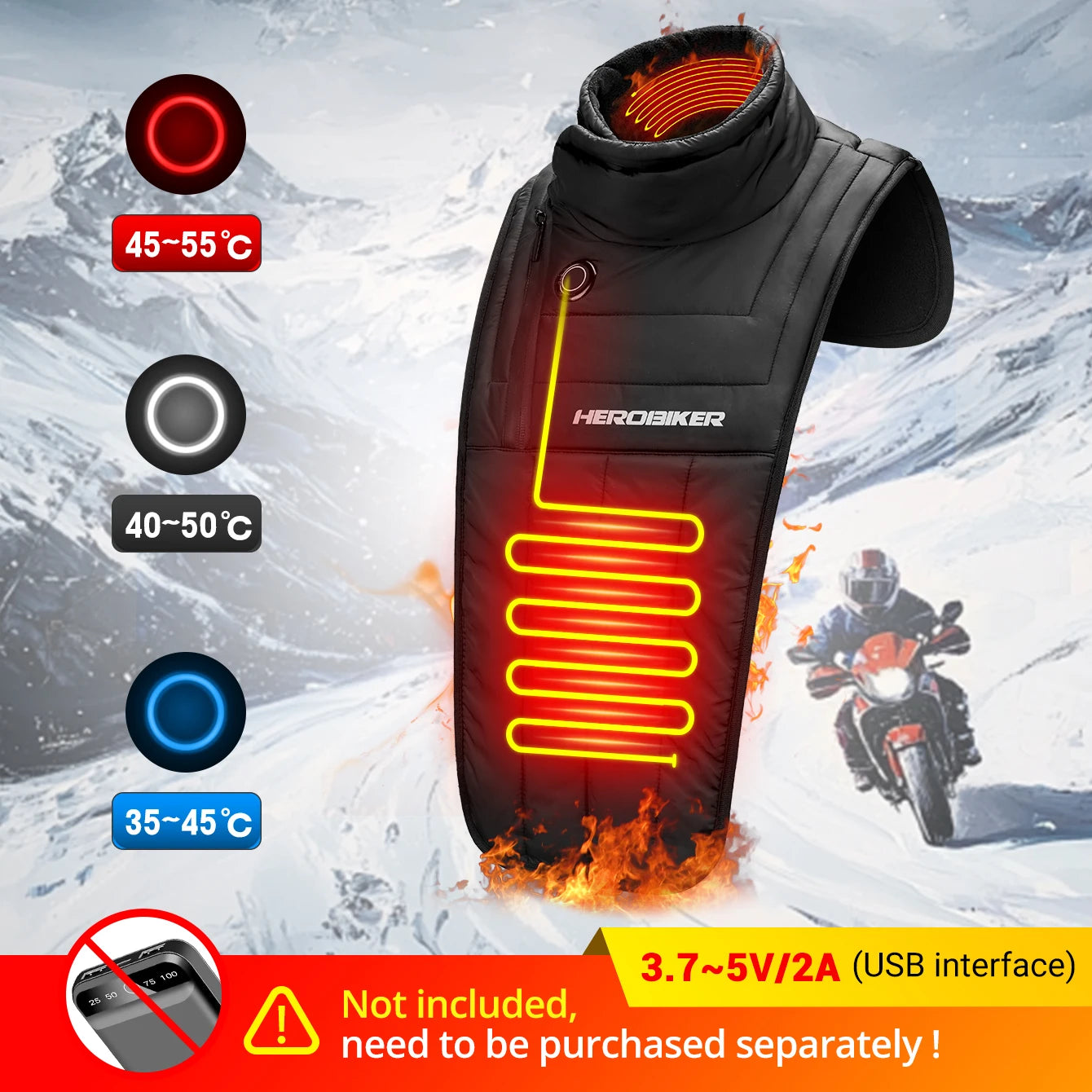
The insulation layer locks in heat while keeping movement fluid. See it in action.
Outer Layer: Windproofing, Waterproofing, and Motorcycle Protection
Your outer layer is responsible for shielding you from wind, rain, road spray, and other environmental conditions that accelerate heat loss. While the base and insulation layers manage warmth, the outer shell preserves that warmth by preventing cold air from reaching the layers underneath.
What to Look For in a Winter Motorcycle Riding Shell
- Windproof construction to reduce wind chill at riding speeds.
- Waterproof or highly water-resistant materials for rain and wet roads.
- Adjustable cuffs, collar, waist, and closures to reduce cold-air entry.
- Certified protective motorcycle jacket and pants with integrated armor that maintain proper fit over your clothing layers.
Windproof vs Waterproof: Which Protection Matters Most?
Windproofing is essential because even dry winter air can remove body heat rapidly at highway speeds. Waterproofing becomes increasingly important when riding through rain, sleet, or melting snow, preventing moisture from soaking your insulation layers. The best winter riding shells combine both features without sacrificing breathability.
How to Layer Under Motorcycle Armor and Protective Gear
Protective motorcycle jackets and pants should always be the outermost layer of your clothing system. Thermal garments belong underneath the armor, allowing impact protectors to stay correctly positioned against your body. After dressing, verify that your jacket closes comfortably, your armor remains aligned over key impact areas, and you can move freely without excessive tightness.
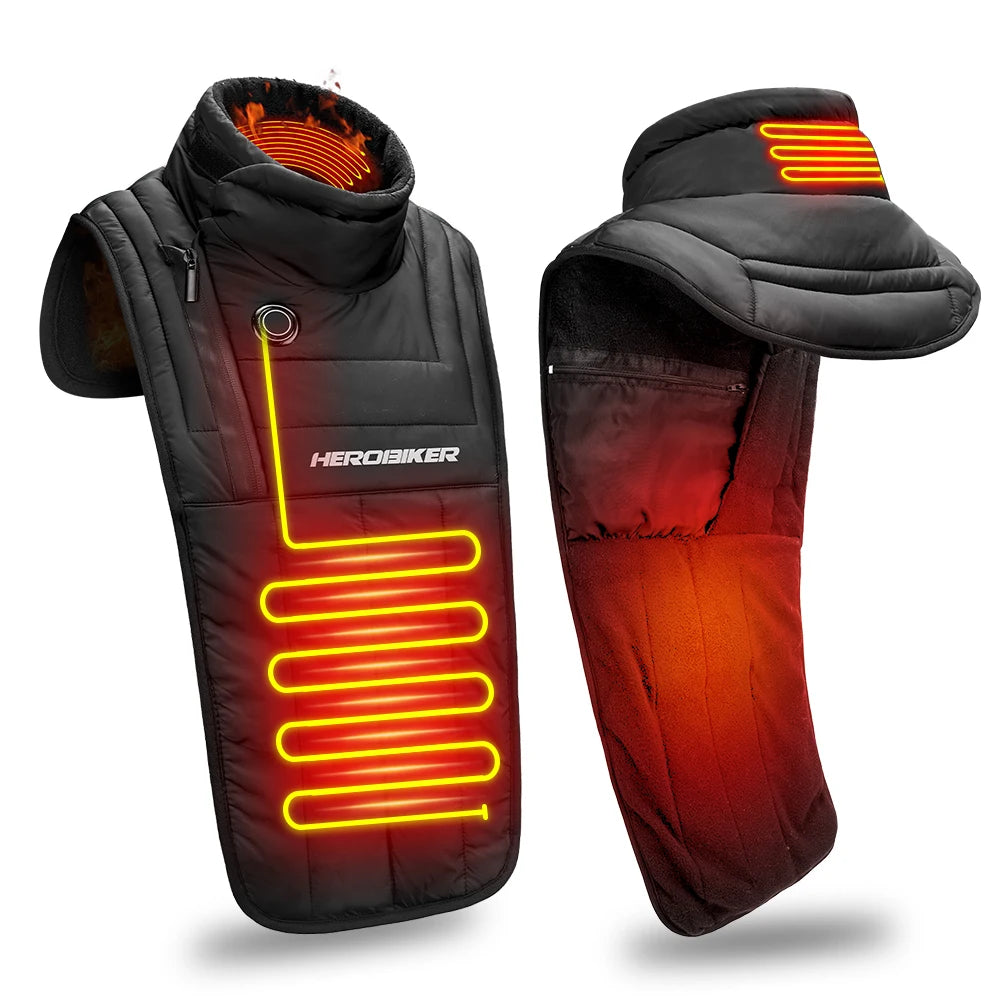
Complete winter layering for motorcyclists with targeted protection. See it in action.
Real-World Layering Setups (By Riding Conditions)
Short City Commutes
Urban riding usually involves lower speeds, frequent stops, and changing activity levels. A lightweight moisture-wicking base layer, a thin fleece or light synthetic mid layer, and a breathable protective outer shell typically provide enough warmth while helping prevent overheating during stop-and-go traffic.
Long Highway Rides
Extended highway riding exposes you to continuous wind chill, making heat loss much more severe than the ambient temperature suggests. A thermal base layer, an appropriately insulated mid layer, and a fully windproof motorcycle jacket and pants create the best balance of warmth and protection. Before setting off, seal openings around the neck, wrists, waist, and ankles to minimize cold air entering your riding gear.
Wet and Freezing Conditions
Rain, sleet, and melting snow reduce the effectiveness of many insulating materials. Choose a moisture-wicking base layer, synthetic insulation that continues to perform when damp, and a waterproof outer shell. This combination helps maintain warmth even when riding through prolonged wet weather.
Step-by-Step Winter Motorcycle Layering System
Step 1: Start With a Moisture-Wicking Base Layer
Begin with a close-fitting thermal base layer that covers both your upper and lower body. The goal is to move perspiration away from your skin so moisture does not reduce your body temperature during the ride.
Step 2: Add Insulation Based on Temperature
Select a fleece, synthetic insulated jacket, or another suitable insulating layer based on the expected temperature, wind exposure, and ride duration. Choose enough insulation to stay warm without creating unnecessary bulk.
Step 3: Put On Protective Motorcycle Gear
Wear your armored motorcycle jacket and pants over your thermal clothing. Ensure the protective gear fits correctly, closes comfortably, and keeps impact armor properly positioned without compressing the insulation excessively.
Step 4: Seal Wind Gaps at the Neck, Wrists, and Ankles
Even small openings allow cold air to circulate inside your riding gear. Tighten jacket cuffs, close collar adjustments, secure waist closures, and ensure your pants overlap your boots to reduce heat loss during the ride.
Step 5: Check Mobility and Adjust Before Riding
Before starting the motorcycle, turn your head fully, bend your elbows and knees, grip the handlebars, and operate all controls. Your layering system should allow unrestricted movement while keeping protective armor securely in place.
Following this practical dressing order makes it easier to adapt your clothing to changing weather without sacrificing comfort, mobility, or riding safety.
Common Winter Layering Mistakes Riders Make
- Wearing cotton or damp layers: Cotton holds moisture against the skin, increasing heat loss once temperatures drop.
- Adding excessive bulk: Too many thick layers can compress insulation, restrict movement, and interfere with properly fitted motorcycle armor.
- Ignoring wind gaps: Openings around the neck, wrists, waist, and ankles allow cold air to circulate inside your riding gear, reducing overall warmth.
- Relying on insulation alone: Even the warmest insulation performs poorly without an effective windproof outer shell.
- Dressing only for the air temperature: Wind chill at riding speeds can make conditions feel significantly colder than the forecast, especially on highways.
The neck is one of the largest sources of heat loss during winter riding. Pair your setup with a winter neck warmer to help block cold airflow, improve comfort, and create a more effective seal between your helmet and jacket.
Protect the Cold-Exposed Areas: Hands, Feet, Neck, and Gaps
How to Keep Hands Warm While Riding
Your hands are constantly exposed to wind, making them one of the first areas to lose warmth. Choose insulated motorcycle gloves that still allow precise control of the throttle, clutch, and brake. In colder conditions, thin glove liners can provide additional warmth without noticeably reducing dexterity.
Warm feet start with moisture-wicking socks and properly fitted motorcycle boots. Thick socks should not compress your feet or restrict circulation, as poor blood flow can make your feet feel colder rather than warmer. Insulated waterproof boots also help keep feet dry during rain, slush, and melting snow.
Why Neck and Wrist Gaps Cause Rapid Heat Loss
Small openings around your jacket allow cold air to circulate inside your riding gear, reducing the effectiveness of every clothing layer underneath. A properly fitted winter neck warmer helps seal the gap between your helmet and jacket while improving comfort on long rides. Secure cuffs and jacket closures to minimize additional heat loss around the wrists and waist.
Many riders improve comfort with items from the Lifestyle collection for practical cold-weather upgrades.
Heated Gear vs Passive Insulation: When to Add Extra Warmth
When Heated Motorcycle Gear Makes Sense
Heated jackets, gloves, and vests are most beneficial during extended highway rides, near-freezing temperatures, or all-day winter touring. Rather than replacing your clothing layers, they supplement your existing insulation when passive warmth alone is no longer sufficient.
How to Combine Heated Gear With Clothing Layers
Wear heated garments over your moisture-wicking base layer and beneath your protective motorcycle jacket. This placement allows heat to distribute efficiently while your outer shell retains the warmth generated by the heated gear.
Avoiding Overheating and Excessive Bulk
Use adjustable heat settings and remove unnecessary insulation whenever conditions warm up. Maintaining comfortable body temperature without excessive bulk helps preserve mobility, keeps protective armor properly positioned, and reduces fatigue during changing weather conditions.
Winter Riding Safety Considerations Beyond Warmth
Mobility vs Bulk
Warm clothing should never interfere with safe motorcycle operation. After layering, verify that you can comfortably turn your head, reach the controls, bend your arms, and move your legs freely without your clothing pulling or bunching beneath your riding gear.
Cold Fatigue and Reduced Focus
Cold temperatures gradually reduce dexterity, increase physical fatigue, and slow reaction times. Staying appropriately warm helps you remain alert, maintain smoother control inputs, and make safer decisions throughout the ride.
Visibility and Traction in Winter Conditions
Winter riding hazards extend beyond low temperatures. Rain, frost, black ice, wet leaves, and road salt can significantly reduce available traction. Shorter daylight hours and fog may also reduce visibility. Ride at appropriate speeds, increase following distance, and ensure your motorcycle lights and visor remain clean for maximum visibility.
Pre-Ride Winter Motorcycle Layering Checklist
- Confirm your base layer is dry, clean, and fits close to the body.
- Choose insulation appropriate for the expected temperature, wind, and ride duration.
- Check that your outer riding gear blocks wind and precipitation.
- Seal openings around the neck, wrists, waist, and ankles.
- Verify that armor remains correctly positioned after dressing.
- Move through your full riding position to ensure unrestricted mobility.
- Pack an extra insulating layer or lightweight thermal garment if weather conditions may change during the ride.
Winter Riding Mini FAQ
How Many Layers Should I Wear When Riding a Motorcycle in Winter?
Most riders stay comfortable with a three-layer system consisting of a moisture-wicking base layer, an insulation layer, and a protective outer shell. The thickness of each layer should be adjusted based on temperature, wind chill, ride duration, and weather rather than following a fixed number of garments.
What Is the Best Base Layer for Cold-Weather Motorcycle Riding?
Merino wool and quality synthetic fabrics are both excellent choices. Merino offers outstanding temperature regulation and odor resistance, while synthetic materials dry faster and perform well during active riding. Avoid cotton because it retains moisture and increases heat loss.
How Do I Layer Under Motorcycle Armor?
Wear your base layer first, followed by your insulation layer, and then your armored motorcycle jacket and pants. This keeps protective gear correctly positioned while allowing your thermal clothing to manage moisture and retain warmth effectively.
Is a Neck Warmer Necessary for Winter Motorcycle Riding?
Yes. The neck is one of the largest areas of heat loss while riding. A properly fitted neck warmer seals the opening between your helmet and jacket, reducing cold airflow and improving overall warmth throughout the ride.
How Cold Is Too Cold for Motorcycle Riding?
There is no universal temperature limit because rider experience, wind chill, road conditions, motorcycle equipment, and clothing all influence safety. If cold significantly reduces your mobility, concentration, or ability to control the motorcycle—or if roads are icy or visibility is poor—it's safest to postpone your ride until conditions improve.
Ready to upgrade your cold-weather setup? A well-planned layering system, properly fitted protective gear, and attention to exposed areas can help you stay warmer, more comfortable, and better prepared for winter motorcycle riding.













