

How to Heal a Sprained Ankle Fast: Step-by-Step Recovery Guide
A sprained ankle can disrupt work, exercise, and everyday activities in an instant. Fortunately, most ankle sprains heal well with the right combination of protection, progressive movement, and rehabilitation. From proven home care strategies to supportive tools like an electric ankle heating pad or heated ankle wrap , this guide explains how to heal a sprained ankle fast while reducing the risk of long-term instability.
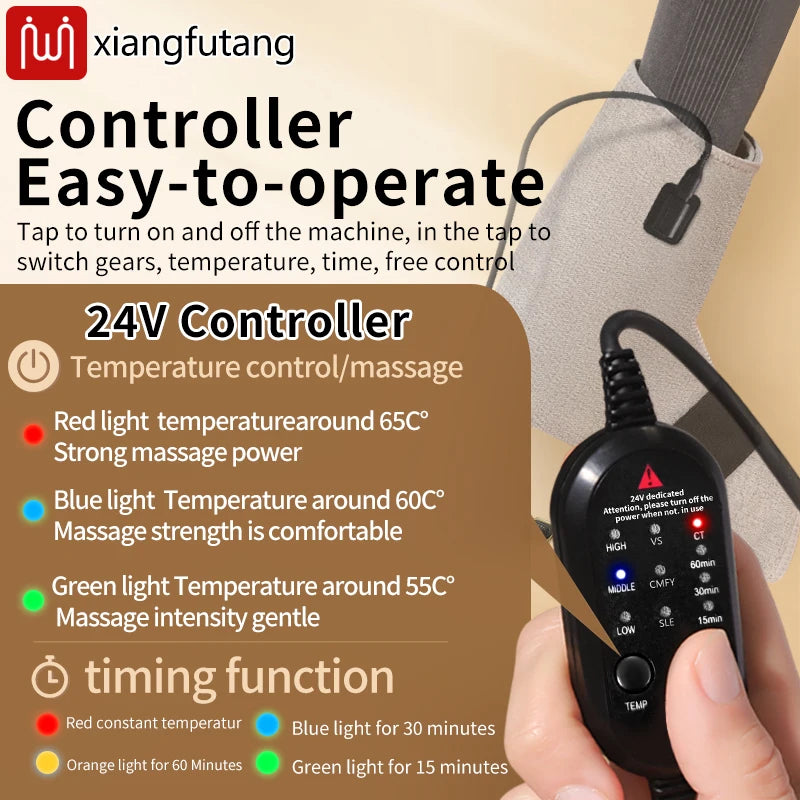
See it in action: how to recover ankle sprain fast with a heated ankle wrap
Understanding Ankle Sprains and How They Heal
What Happens to the Ligaments During a Sprain
An ankle sprain occurs when one or more ligaments are stretched beyond their normal range or torn. The body responds with inflammation, swelling, and pain to begin the healing process. During the following weeks, new collagen fibers gradually repair the damaged tissue. Gentle, progressive movement helps these fibers align correctly, restoring stability and reducing stiffness.
Types of Ankle Sprains: Grade I, II, and III
- Grade I: Mild stretching of the ligament with slight swelling and tenderness. Walking is usually possible with minimal discomfort.
- Grade II: Partial ligament tear with moderate swelling, bruising, and reduced ankle stability.
- Grade III: Complete ligament rupture causing severe pain, marked instability, and difficulty or inability to bear weight. Medical evaluation is recommended.
Why Early Protection and Progressive Movement Speed Recovery
Current rehabilitation emphasizes protecting the injured ankle while introducing gentle movement as soon as pain allows. Early mobility helps maintain joint flexibility, improves circulation, and reduces the likelihood of chronic ankle weakness without placing excessive stress on healing ligaments.
Sprained Ankle Recovery Time by Severity
- Grade I: Approximately 1–2 weeks.
- Grade II: Usually 3–6 weeks with structured rehabilitation.
- Grade III: Often 6–12 weeks or longer, depending on treatment and physical therapy.
Recovery speed depends not only on injury severity but also on following an appropriate rehabilitation plan rather than returning to activity too early.
What to Do Immediately: First 24–72 Hours
PEACE & LOVE vs. RICE: Current Best Practice
Modern rehabilitation increasingly recommends the PEACE & LOVE approach. During the acute stage, focus on Protection, Elevation, Avoid anti-inflammatory overuse unless medically advised, Compression, and Education . As symptoms improve, continue with Load, Optimism, Vascularization, and Exercise . Traditional RICE principles still remain useful, particularly ice, compression, and elevation for symptom control.
Heat or Ice for a Sprained Ankle: When to Use Each
During the first 48–72 hours, ice helps reduce pain and swelling by limiting excessive inflammation. Once swelling has largely settled, heat therapy becomes beneficial for easing stiffness, increasing circulation, and preparing the ankle for stretching or strengthening exercises. Avoid using heat during the acute inflammatory phase because it may worsen swelling.
After the initial recovery period, an heated ankle wrap can provide consistent warmth before mobility exercises to improve comfort and flexibility.
Best Ways to Reduce Swelling
- Elevate the ankle above heart level several times daily.
- Use a compression bandage or ankle sleeve without restricting circulation.
- Perform gentle ankle pumps if comfortable.
- Avoid prolonged standing during the first few days.
- Take short periods of protected walking instead of complete immobilization when pain allows.
Can You Walk on a Sprained Ankle?
Yes, if you can bear weight with only mild discomfort. Walking should be gradual and supported by a brace or compression wrap when needed. If every step causes severe pain or you cannot bear weight at all, seek medical evaluation promptly.
Recovery Timeline: Day-by-Day and Week-by-Week
Days 1–3
Focus on protecting the ankle, controlling swelling, and maintaining gentle pain-free movement. Ice, compression, elevation, and short periods of protected walking are typically appropriate.
Week 1
Swelling usually begins to improve. Begin gentle range-of-motion exercises while avoiding activities that increase pain or cause limping.
Weeks 2–4
Most mild and moderate sprains enter the strengthening phase. Resistance exercises, calf raises, and balance training help restore ankle stability and reduce future injury risk.
Weeks 4–8 and Return to Activity
Higher-impact activities such as jogging, jumping, and sports should only resume after strength, balance, and mobility are nearly equal to the uninjured ankle. Returning too early significantly increases the chance of another sprain.
Ankle Exercises That Help You Recover Faster
Range-of-Motion Exercises
- Alphabet exercise by tracing letters with your toes.
- Slow ankle circles.
- Toe curls.
- Gentle towel calf stretches.
Strengthening Exercises
- Resistance band plantarflexion, dorsiflexion, inversion, and eversion.
- Supported calf raises.
- Controlled walking on flat surfaces.
- Heel-to-toe walking when balance improves.
Balance and Proprioception Training
- Single-leg standing.
- Standing with eyes closed when appropriate.
- Balance pad or wobble board exercises.
- Lateral stepping and controlled step-ups.
When to Progress or Stop
Exercises should produce mild effort but not sharp pain. Increase difficulty only after swelling remains stable and normal walking becomes comfortable. Reduce intensity if swelling returns or pain persists for several hours after exercise.
Support, Compression, and Heat Therapy
Best Support for a Sprained Ankle
- Elastic ankle sleeves for mild injuries.
- Semi-rigid braces for moderate instability.
- Athletic taping during sports or rehabilitation.
- Supportive walking shoes that limit excessive ankle movement.
Compression and Elevation Tips
Compression works best when combined with regular elevation and gentle movement. Ensure wraps are snug but never tight enough to cause numbness, tingling, or color changes in the foot.
Heated Ankle Wrap Benefits
Once swelling has resolved, a heated ankle wrap may help improve comfort by promoting circulation, reducing stiffness, and preparing muscles and connective tissues before rehabilitation exercises.
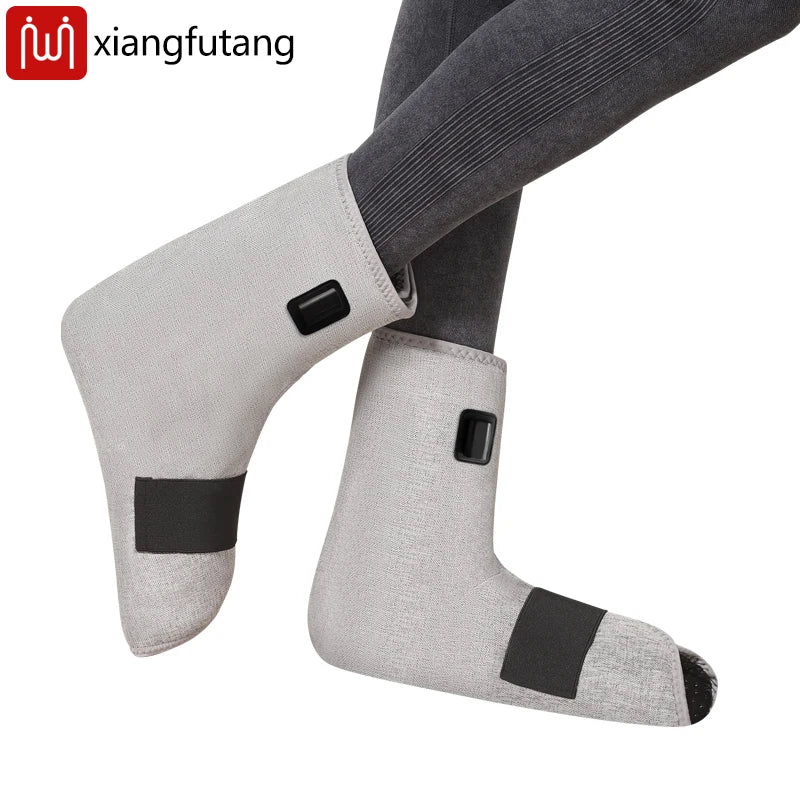
Explore heated ankle wrap benefits: how to recover ankle sprain fast
When Heat Is Appropriate
Heat therapy is most effective after the acute inflammatory phase, typically after 48–72 hours or once swelling has noticeably improved. It should complement exercise rather than replace rehabilitation.
Mistakes That Slow Healing
Returning to Activity Too Soon
Many recurrent ankle sprains occur because athletes and active individuals resume running or sports before their ligaments regain full strength.
Overusing Ice or Heat
Ice should not be applied continuously for long periods, and heat should not be introduced while the ankle remains significantly swollen.
Skipping Rehabilitation
Pain relief alone does not mean the ankle has fully recovered. Balance and strengthening exercises are essential for preventing chronic ankle instability.
Ignoring Persistent Pain
Ongoing pain, repeated ankle instability, or swelling lasting several weeks may indicate additional ligament damage, cartilage injury, or a fracture that requires professional assessment.
When to See a Doctor
Signs of a Fracture or Severe Injury
- Inability to bear weight immediately after injury.
- Visible deformity.
- Pain directly over the ankle bones rather than the ligaments.
- Rapid swelling accompanied by severe bruising.
Symptoms That Need Medical Evaluation
- Swelling or pain that fails to improve after two weeks.
- Repeated episodes of the ankle giving way.
- Numbness or changes in skin color.
- Increasing pain despite following home treatment.
When Imaging or Specialist Care Is Needed
Your healthcare provider may recommend X-rays to rule out fractures or MRI imaging if significant ligament, tendon, or cartilage injuries are suspected.
Quick Tips to Heal a Sprained Ankle Faster
Daily Recovery Checklist
- Protect the ankle during painful activities.
- Wear compression if swelling persists.
- Perform prescribed mobility exercises every day.
- Progress strength and balance training gradually.
- Monitor swelling after each activity.
Nutrition, Sleep, and Hydration
- Eat adequate protein to support tissue repair.
- Include vitamin C and zinc-rich foods.
- Stay hydrated throughout recovery.
- Aim for sufficient nightly sleep to maximize healing.
Returning to Sports or Work Safely
Resume physically demanding activities only after restoring full ankle motion, nearly equal strength compared with the uninjured side, and good balance without pain or instability.
Frequently Asked Questions
How long does a sprained ankle take to heal?
Grade I sprains often recover within 1–2 weeks, Grade II injuries usually require 3–6 weeks, while Grade III sprains commonly need 6–12 weeks or longer.
Can you walk on a sprained ankle?
If walking causes only mild discomfort, gradual weight-bearing is generally encouraged. Severe pain or inability to bear weight warrants medical evaluation.
Should I use heat or ice first?
Ice is recommended during the first 48–72 hours to reduce swelling. Heat is most helpful afterward to decrease stiffness and prepare for rehabilitation exercises.
What is the fastest way to heal an ankle sprain?
The fastest recovery combines early protection, compression, gradual weight-bearing, progressive exercises, adequate nutrition, and avoiding a return to sports before the ankle is fully functional.
Do ankle braces help recovery?
Yes. Proper ankle braces improve stability, reduce reinjury risk, and provide confidence during rehabilitation and return to activity.
How do I know if it's a sprain or a fracture?
A fracture is more likely if you cannot bear weight, have pain directly over the bones, notice deformity, or experience severe swelling immediately after injury. An X-ray can confirm the diagnosis.
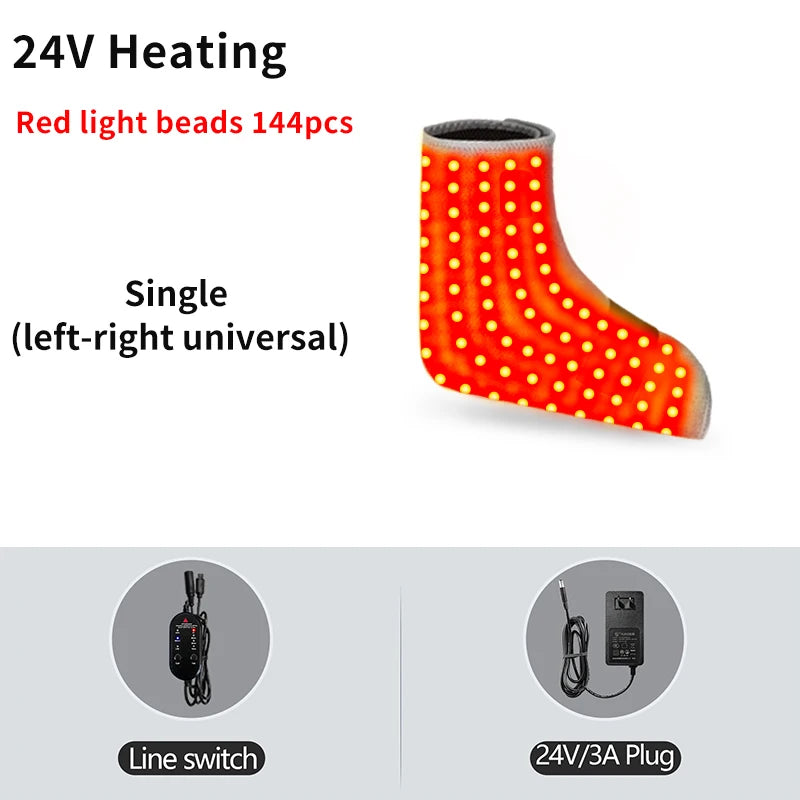
Apply a heated ankle wrap during mobility exercises for greater comfort as your ankle recovers
| Recovery Method | Primary Benefit | Best Time to Use | Role in Recovery |
|---|---|---|---|
| Ice, Compression & Elevation | Controls pain and swelling | First 48–72 hours | Early injury management |
| Progressive Mobility Exercises | Restores flexibility | As pain allows | Prevents stiffness |
| Strength & Balance Training | Improves stability | Weeks 2–6 | Reduces reinjury risk |
| Heated Ankle Wrap + Rehabilitation | Improves comfort before exercise | After swelling subsides | Supports long-term recovery |













