

How can you reduce tension headaches at home?
How to reduce tension headaches at home begins with simple habits that relax tight muscles and calm your body's stress response. Gentle head massage, posture correction, regular screen breaks, hydration, light stretching, and relaxation exercises can ease pressure within minutes. When practiced consistently, these drug-free strategies help reduce both the frequency and intensity of stress-related headaches while supporting long-term tension headache self-care.
⏱ 7 min read
Tension Headache Self Care: Step-by-Step Relief at Home
A dull, tightening ache around your temples, forehead, or the back of your head can make it difficult to concentrate, work, or enjoy everyday activities. If tension headaches keep coming back, you may wonder whether there's a way to manage them without immediately reaching for medication. The encouraging news is that many tension headaches respond well to practical lifestyle adjustments that target their most common causes—muscle tightness, stress, poor posture, dehydration, and prolonged screen use. This guide explains how to reduce tension headaches safely at home with evidence-based self-care strategies that are easy to incorporate into your daily routine.
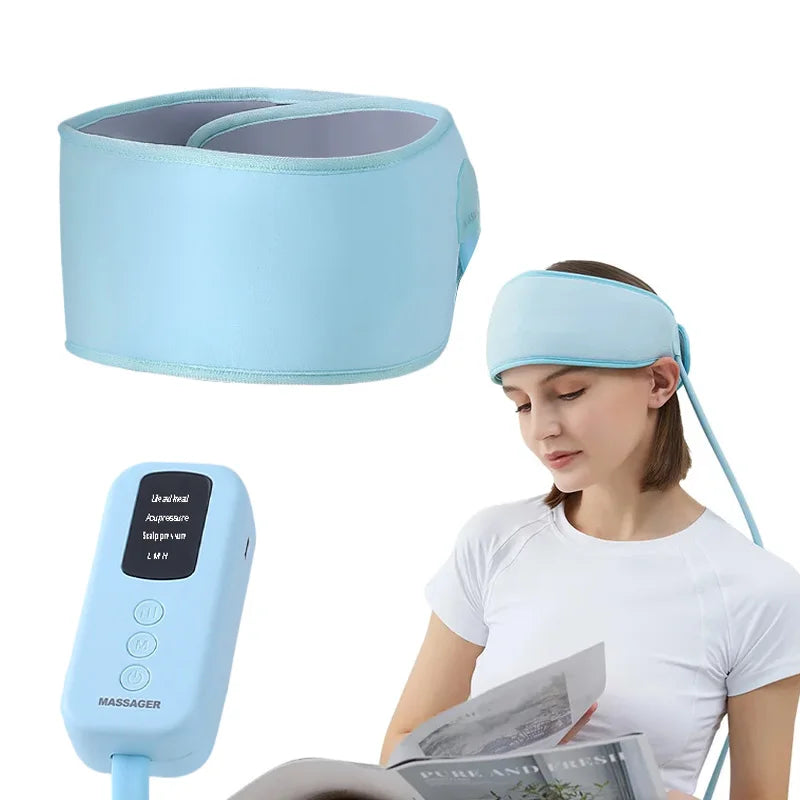
A simple routine can transform how you manage stress-related headaches at home. See it in action.
Understanding Tension Headaches
What Are Tension Headaches?
Tension headaches are the most common form of primary headache. They typically develop when muscles in the scalp, neck, shoulders, and upper back become tight or fatigued, often after periods of stress or prolonged sitting. The pain is usually mild to moderate and feels like a constant band of pressure around the forehead or a dull ache across both sides of the head.
Unlike migraines, tension headaches rarely cause severe nausea, vomiting, or significant sensitivity to light and sound. Although they are generally less intense than migraines, recurring episodes can reduce productivity, interrupt sleep, and affect overall quality of life if left unmanaged.
Common Triggers and Causes
Most tension headaches are linked to everyday habits rather than a single underlying condition. Identifying your personal triggers is an important first step toward effective tension headache self-care.
- Extended screen time with limited movement
- Poor workstation ergonomics or prolonged sitting
- Emotional stress, anxiety, or mental fatigue
- Neck, jaw, and shoulder muscle tension
- Irregular sleep schedules or insufficient rest
- Dehydration or skipping meals
- Eye strain from digital devices
These factors often work together. For example, spending hours at a computer while under stress can tighten neck and shoulder muscles, increase eye strain, and contribute to persistent head pressure. Understanding what triggers your symptoms makes it easier to build a daily routine that helps reduce tension headaches before they become more severe.
Recognizing Symptoms Before They Escalate
Early Warning Signs
Tension headaches usually develop gradually rather than appearing suddenly. Recognizing the earliest symptoms allows you to start self-care before muscle tightness and discomfort become more intense.
- A dull, pressing sensation around the forehead, temples, or back of the head
- Neck stiffness, tight shoulders, or soreness at the base of the skull
- Tenderness in the scalp, jaw, or shoulder muscles
- Mild fatigue or difficulty concentrating
- Occasional light sensitivity without the severe symptoms commonly associated with migraines
Many people notice these symptoms after long hours at a computer, periods of emotional stress, or poor sleep. Addressing them early with hydration, stretching, and relaxation can often prevent the headache from worsening.
When Symptoms Require Medical Attention
Although most tension headaches can be managed safely at home, some symptoms require prompt medical evaluation. Contact a healthcare professional if your headache:
- Begins suddenly with severe, intense pain
- Occurs after a head injury
- Is accompanied by vision loss, confusion, weakness, numbness, difficulty speaking, or trouble walking
- Includes persistent vomiting, fever, or a stiff neck
- Becomes more frequent, changes significantly in pattern, or no longer improves with usual self-care
If you experience recurring headaches several times each week or rely on pain medication frequently, it's also worth discussing your symptoms with a healthcare provider to identify underlying causes and develop an appropriate treatment plan.
Quick Relief Techniques for Tension Headaches
Knowing how to reduce tension headaches quickly means combining several simple approaches that target muscle tightness, stress, and dehydration at the same time. These methods often work best when started as soon as symptoms appear.
Immediate At-Home Remedies
- Apply a warm compress or heating pad to the neck and shoulders to relax tight muscles.
- Use a cool pack on the forehead if heat feels uncomfortable or you prefer cooling relief.
- Drink a glass of water, especially if you've been working, exercising, or haven't had fluids recently.
- Move to a quiet environment and practice slow, controlled breathing for 3 to 5 minutes.
- Loosen your jaw, unclench your shoulders, and gently correct your sitting posture.
Targeted Head and Neck Stretches
Gentle stretching helps release tension that commonly builds up in the neck, upper back, and shoulders. Perform each movement slowly without forcing the range of motion.
- Chin tucks to improve neck alignment
- Shoulder rolls to reduce upper back tightness
- Side neck stretches held for 20 to 30 seconds per side
- Upper trapezius and levator scapulae stretches
- Gentle chest-opening stretches to counter prolonged desk posture
Repeat the sequence once or twice while breathing normally. Stop if any movement causes sharp pain or dizziness.
Breathing and Relaxation Exercises
Stress can amplify muscle tension, making relaxation techniques an effective part of head tension relief. Slow breathing lowers the body's stress response and may decrease headache intensity.
- Practice box breathing by inhaling, holding, exhaling, and pausing for four seconds each.
- Try diaphragmatic breathing with slow breaths that expand your abdomen instead of your chest.
- Use progressive muscle relaxation by gently tightening and relaxing muscle groups from your shoulders to your scalp.
- Spend a few quiet minutes practicing mindfulness or guided meditation if stress is a frequent trigger.
Combining hydration, gentle movement, stretching, and relaxation provides a practical, evidence-based approach to managing tension headaches at home while helping reduce the likelihood of symptoms escalating.
A Step-by-Step Daily Routine for Lasting Relief
Reducing the frequency of tension headaches is often about building small habits into your day rather than relying on occasional treatment. This simple routine helps relieve muscle tightness, improve posture, and lower stress before discomfort has a chance to build.
Step 1: Morning Head and Neck Reset (5 Minutes)
Begin your day with gentle movements that loosen muscles stiffened during sleep and prepare your body for hours of sitting or screen use.
- Perform slow neck rotations and side bends without forcing the movement.
- Roll your shoulders backward and forward 10 times.
- Gently tuck your chin to improve neck alignment.
- Massage your temples and scalp with your fingertips for one to two minutes.
- Drink a glass of water before starting work.
Step 2: Midday Screen Break and Eye Relaxation
Long periods at a desk commonly contribute to tension headache from screen time. Schedule intentional breaks to interrupt muscle fatigue and reduce eye strain.
- Stand up and walk for two to five minutes.
- Stretch your neck, shoulders, and upper back.
- Look away from your screen and focus on distant objects.
- Blink slowly several times to reduce dry eyes.
- Take a few slow, deep breaths before returning to work.
Step 3: Evening Decompression Ritual
Creating a relaxing evening routine helps your muscles recover from the day while lowering stress levels that may contribute to nighttime or next-day headaches.
- Reduce bright lighting and minimize unnecessary screen use.
- Practice five minutes of diaphragmatic or box breathing.
- Apply gentle heat to tight neck or shoulder muscles if needed.
- Spend several minutes stretching your upper back and shoulders.
Step 4: Sleep Hygiene and Evening Wind-Down
- Dim lights at least one hour before bedtime and avoid unnecessary screen exposure.
- Complete gentle neck stretches or a short guided meditation.
- Maintain a consistent bedtime and wake-up schedule, including weekends.
- Keep your bedroom cool, quiet, and comfortable to support restorative sleep.
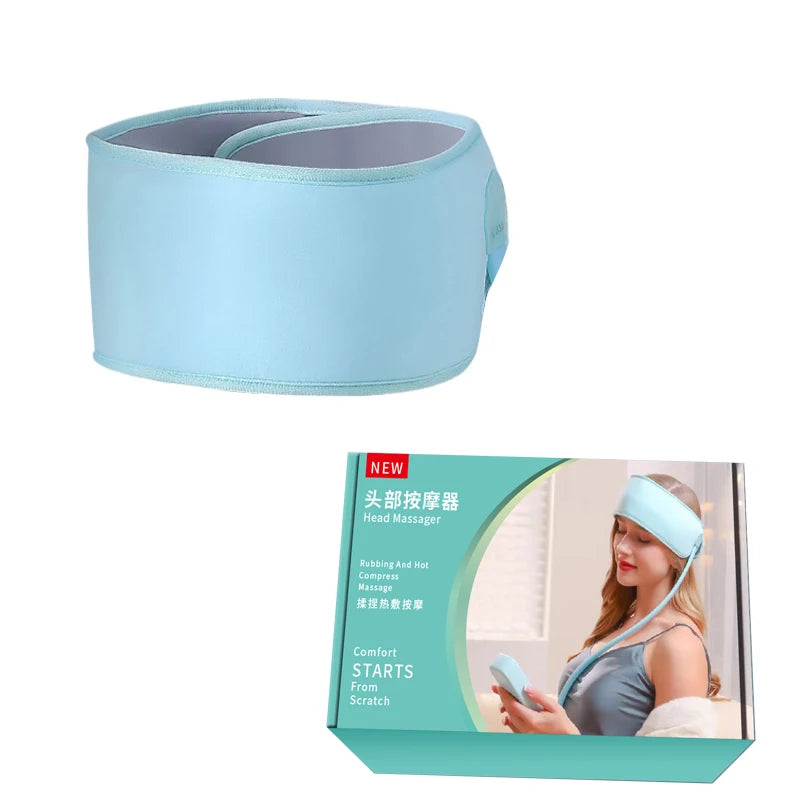
Consistent habits are one of the most effective ways to relieve a tension headache. See it in action.
Tension Headache From Screen Time: What Helps Most
Extended computer use is one of the most common triggers for recurring tension headaches. Poor posture, reduced blinking, prolonged muscle contraction, and visual fatigue can all contribute to discomfort. Optimizing your workstation and taking regular movement breaks can significantly reduce these triggers.
Ergonomic Adjustments
- Position your monitor so the top third of the screen is at approximately eye level.
- Keep your elbows close to your body with your forearms supported.
- Sit with your feet flat on the floor and your lower back supported.
- Relax your shoulders instead of allowing them to creep upward while typing.
- Place frequently used items within easy reach to avoid repetitive neck strain.
Scheduled Micro-Breaks
Even short breaks can interrupt muscle tension before it becomes painful. Aim to stand, stretch, or walk for a few minutes every hour, especially during intensive computer work.
- Set a timer to remind yourself to move.
- Perform shoulder rolls and gentle neck stretches.
- Alternate between sitting and standing if possible.
- Refill your water bottle during breaks to encourage hydration.
Digital Eye Strain Reduction Techniques
- Follow the 20-20-20 rule: every 20 minutes, look at something about 20 feet away for at least 20 seconds.
- Use blue-light filtering or night mode during extended evening computer sessions.
- Adjust screen brightness to match the surrounding room.
- Increase text size when needed to reduce squinting.
- Blink consciously to keep your eyes comfortably lubricated.
| Helpful Habit | Why It Works |
|---|---|
| Screen height at eye level | Reduces neck flexion and shoulder muscle strain. |
| Hourly movement breaks | Prevents prolonged muscle tension and improves circulation. |
| 20-20-20 eye breaks | Reduces digital eye strain that can contribute to head discomfort. |
| Gentle head massage | Relaxes scalp muscles and promotes temporary head tension relief. |
Does Head Massage Reduce Stress and Head Pain?
Head massage can be a helpful addition to a tension headache self-care routine. While it does not treat the underlying cause of every headache, gentle massage may reduce muscle tightness, improve relaxation, and temporarily ease discomfort caused by stress and prolonged muscle tension.
Types of Head Massage
- Self-massage: Use your fingertips to apply gentle circular pressure to the temples, scalp, and the base of the skull for several minutes.
- Neck and shoulder massage: Since tension often starts in the upper back and neck, massaging these areas can help reduce referred pain in the head.
- Professional massage therapy: A licensed massage therapist can address persistent muscle tightness and improve mobility in the neck and shoulders.
- Acupressure: Applying gentle pressure to specific points may promote relaxation for some individuals, although responses vary.
How Often to Practice
Short sessions performed consistently are generally more beneficial than occasional longer treatments. A daily massage lasting 5 to 10 minutes can be incorporated into your morning routine, work breaks, or evening wind-down.
- Promotes relaxation and helps lower stress levels
- May improve circulation to the scalp and surrounding muscles
- Helps reduce tightness in the temples, jaw, neck, and shoulders
- Complements stretching, hydration, and posture correction for more comprehensive head tension relief
Helpful Tools That Make Relief Easier
Supportive tools cannot replace healthy habits, but they can make your daily routine more effective and convenient when used alongside stretching, movement, stress management, and adequate sleep.
Heat and Cold Therapy Options
- Microwavable neck wraps or heating pads to relax tight muscles
- Reusable cold packs for temporary pain relief when cooling feels more comfortable
- Warm showers to reduce stiffness in the neck and upper shoulders
Tension Relief Devices
- Massage balls or foam rollers to release tight muscles in the upper back and shoulders
- Ergonomic office chairs, adjustable desks, or monitor stands to improve posture
- Supportive cervical pillows for people whose neck position contributes to morning stiffness
Apps and Wearables for Monitoring Stress
- Mindfulness and breathing apps that guide short relaxation sessions
- Meditation timers for building a consistent stress-management habit
- Posture reminder apps or wearable posture trackers to reduce prolonged neck strain
- Smartwatches with stress or activity reminders that encourage regular movement breaks
An electric head massager can provide gentle, consistent scalp stimulation that complements stretching and relaxation techniques, making it easier to maintain a regular self-care routine for head tension relief.
Explore more wellness solutions through Body Care and Health Devices or discover additional relaxation tips on the Beauty & Self-Care Blog .
Lifestyle Adjustments That Prevent Recurrence
Stress Management Habits
Managing daily stress is one of the most effective long-term strategies for reducing recurring tension headaches. Even a few minutes of relaxation each day can help decrease muscle tension and improve resilience to everyday stressors.
- Practice meditation, mindfulness, or deep breathing for 5 to 10 minutes daily.
- Keep a journal to identify stress patterns and headache triggers.
- Participate in regular physical activity such as walking, yoga, swimming, or cycling.
- Schedule short breaks throughout the day to prevent mental and physical fatigue.
Posture and Ergonomics
Maintaining proper posture reduces unnecessary strain on the neck, shoulders, and upper back, helping prevent tension from building throughout the day.
- Maintain a neutral spine whether sitting or standing.
- Adjust your monitor so it sits at approximately eye level.
- Support your lower back with an ergonomic chair or lumbar cushion.
- Keep your shoulders relaxed and avoid cradling your phone between your ear and shoulder.
- Alternate sitting and standing whenever possible during extended work sessions.
Hydration, Nutrition, and Sleep Tips
Healthy daily habits support overall well-being while reducing several common headache triggers.
- Drink water consistently throughout the day instead of waiting until you feel thirsty.
- Avoid skipping meals and choose balanced foods that include protein, fiber, and healthy fats.
- Limit excessive caffeine and alcohol if you notice they trigger headaches.
- Aim for 7 to 9 hours of quality sleep each night.
- Maintain a consistent bedtime and wake-up schedule to support healthy recovery.
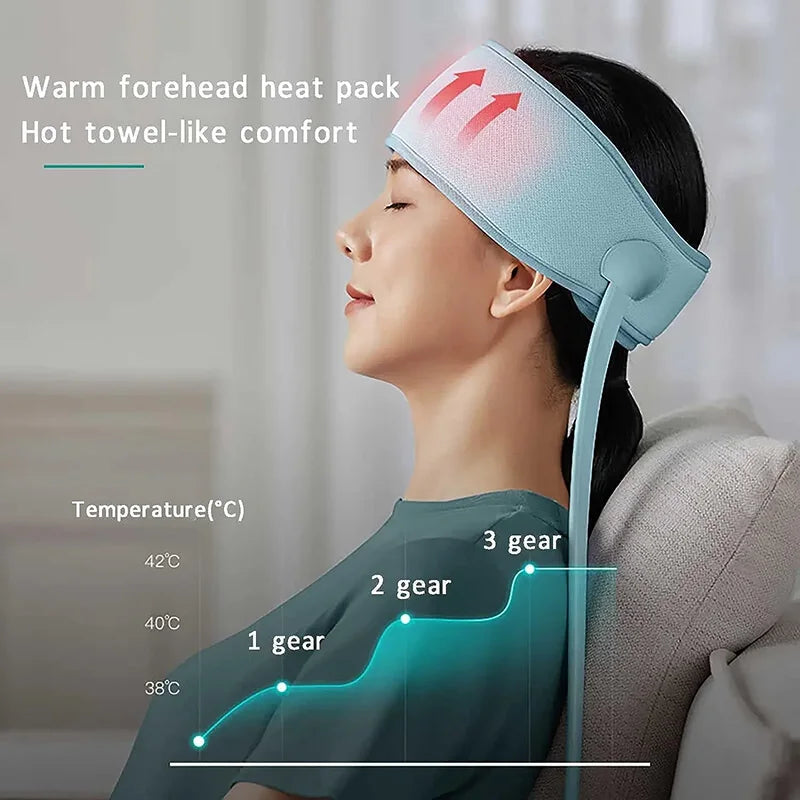
Daily stress relief starts with simple, repeatable care. See it in action.
Frequently Asked Questions
How long does a tension headache usually last?
A tension headache may last anywhere from 30 minutes to several hours. Some episodes can continue for a day or longer, particularly when stress, poor posture, or muscle tension persist. Early tension headache self-care often helps shorten the duration.
What is the fastest way to relieve a tension headache at home?
Many people experience relief by combining hydration, gentle neck stretches, slow breathing, posture correction, and a warm compress applied to the neck or shoulders. Taking a short break from screens and relaxing in a quiet environment may also help reduce symptoms quickly.
How do I know if I have a tension headache or a migraine?
Tension headaches usually cause a dull, pressing sensation on both sides of the head without severe nausea or vomiting. Migraines are more likely to produce throbbing pain, sensitivity to light or sound, nausea, and may worsen with physical activity. If you are unsure, consult a healthcare professional for an accurate diagnosis.
Can dehydration cause tension headaches?
Yes. Even mild dehydration may contribute to headaches or make existing muscle tension feel worse. Drinking water regularly throughout the day is a simple but important preventive habit.
Does heat or ice work better for tension headaches?
Heat is often preferred because it relaxes tight muscles in the neck and shoulders, which commonly contribute to tension headaches. Some people find temporary relief with cold packs, particularly if cooling feels more comfortable. The best choice depends on your personal response.
Can poor posture and screen time trigger tension headaches?
Yes. Sitting for extended periods with poor posture or using digital devices without regular breaks can strain the neck, shoulders, and eyes. Optimizing your workstation and following regular movement breaks can significantly reduce recurring symptoms.
How often can I use pain relievers for tension headaches?
Over-the-counter pain relievers may provide short-term relief when used according to label directions. However, frequent use can contribute to medication-overuse headaches. If you find yourself needing pain medication regularly, speak with your healthcare provider.
What natural remedies help reduce tension headaches?
Natural approaches include gentle stretching, stress management, adequate hydration, heat therapy, relaxation breathing, regular physical activity, quality sleep, and head or neck massage. Combining several of these strategies is often more effective than relying on a single technique.
When should recurring tension headaches be evaluated by a doctor?
Seek medical evaluation if headaches become more frequent, significantly change in severity or pattern, interfere with daily life, occur after a head injury, or are accompanied by symptoms such as weakness, confusion, vision changes, difficulty speaking, or persistent vomiting. A healthcare professional can determine whether additional evaluation or treatment is needed.













