

How to Relieve Neck and Head Tension: Complete Feature Breakdown
Do you wake up with a stiff neck that triggers a pounding headache? Or sit all day at your desk only to feel the tension creep up from your shoulders into your scalp? Many professionals and athletes alike deal with nagging head tension caused by tight neck and shoulder muscles. In this post you’ll discover exactly how to relieve neck and head tension using proven, practical techniques—from deep tissue massage for neck and shoulders to smart massage techniques for neck and shoulder pain, and how to free yourself from chronic neck and shoulder muscle pain for good.
💡 Learn how deep tissue massage for neck and shoulders can break the loop of tension.
Why Neck and Head Tension Happens
Many people underestimate how much the neck and shoulders impact headaches and overall head tension. Understanding the root causes can help you address the issue—not just suppress symptoms.
- Muscle strain – sitting long hours with a forward head posture causes your neck and shoulder muscles to overwork and tighten.:contentReference[oaicite:1]{index=1}
- Tense shoulders – stress and anxiety cause your upper traps and shoulder muscles to contract, which often radiates into the neck and skull.:contentReference[oaicite:2]{index=2}
- Poor posture – when your head drifts forward of the shoulders, the neck has to support more weight, increasing tension.:contentReference[oaicite:3]{index=3}
- Trigger points – small knots in the neck musculature refer pain into the head (often labelled a tension-type headache).:contentReference[oaicite:4]{index=4}
Recognizing these mechanics is your first step toward relief.
Relief with Deep Tissue Massage for Neck and Shoulders
Deep tissue massage for neck and shoulders is one of the most effective hands-on ways to release tight muscle bands and stop tension from migrating into your head.
What makes deep tissue massage so powerful?
Unlike surface massage, deep tissue techniques target the deeper layers of muscle and connective tissue (fascia). This means you can:
- Break up adhesions and trigger points in the neck and shoulder area.
- Improve circulation and help flush metabolites that accumulate in chronically tight muscles.
- Restore mobility and reduce nerve irritation that might be contributing to head tension.
How to choose a good deep tissue session or device
| Feature | Why it matters |
|---|---|
| Professional therapist or quality device | Ensures muscle layers are properly accessed without damage to cervical spine. |
| Focus on neck and upper-back (not just shoulders) | Head tension often originates from upper thoracic and cervical muscles. |
| Comfort and support during the session | You’re more relaxed, deeper pressure is tolerated, and muscles respond better. |
💡 Deep tissue massage for neck and shoulders can relieve head tension fast.
Step-by-Step Massage Techniques for Neck and Shoulder Pain
This section moves into how you can relieve tension at home, every day—without depending entirely on a therapist.
- Warm the area first: Use a warm compress or warm shower on your neck and shoulders for 5-10 minutes to increase blood flow.:contentReference[oaicite:5]{index=5}
- Self-massage the traps: Use your fingertips or a massage ball: locate the muscle between the side of your neck and shoulder, and apply steady pressure for 20-30 seconds until you feel a release.
- Work the base of skull: Using your thumbs or a massage tool, gently press where your skull meets your neck (suboccipital area) for short bursts of 15-20 seconds. This area often sends tension up into the head.
- Shoulder blade release: With your arm relaxed by your side, use the opposite hand to press your shoulder blade area (mid-upper back) while taking slow deep breaths in/out. This helps unload neck/shoulder link tension.
- Stretch and reposition: After massage, move into gentle neck and shoulder stretches (see next section), holding each for 20-30 seconds, repeating 2-3× each side.
- Hydrate and rest: Drink water and allow the muscles 10-15 minutes of rest in a supported position (lie down or sit in a lumbar-support chair) so that the body can integrate the release.
Being consistent—3-4 times/week for about 10-15 minutes—is key to breaking the cycle of tension, especially for chronic neck and shoulder muscle pain.
Daily Posture and Stretch Habits That Prevent Recurrence
Relief isn’t just about treating tension when it flares up; it’s also about preventing it from happening again.
Posture fixes to implement today
- Keep your screen/monitor at eye level so your head isn’t drifting forward.:contentReference[oaicite:6]{index=6}
- Sit with your ears over your shoulders and shoulders over hips—don’t lean the head forward.:contentReference[oaicite:7]{index=7}
- Take frequent short breaks: stand, stretch, roll your shoulders back and down every 30-45 minutes.
Key stretches for neck/head tension relief
- Side-neck stretch: Gently tilt your head to one side, hand to the opposite side, hold 20-30 s. Repeat both sides.:contentReference[oaicite:8]{index=8}
- Chin-tuck: Sit tall, gently draw chin back (think “double-chin”), hold 5-10 s, repeat 10×. Helps with forward-head posture.:contentReference[oaicite:9]{index=9}
- Cat-Cow (on hands & knees): Inhale into Cow (chin up, chest open), exhale into Cat (chin down, rounding spine) 10×. Releases upper spine and neck.:contentReference[oaicite:10]{index=10}
- Shoulder blade squeeze: Sit upright, pinch your shoulder blades together and hold 5–10 s, repeat 10× every hour.†:contentReference[oaicite:11]{index=11}
†From expert-driven suggestions for neck and shoulder tightness.
When to Seek Professional Help for Chronic Neck and Shoulder Muscle Pain
While many of us can relieve tension with self-care, chronic neck and shoulder muscle pain warrants professional evaluation. Here are red-flags:
- Headaches occur several times per week and last for many hours.:contentReference[oaicite:12]{index=12}
- Pain or stiffness in neck accompanied by fever, vision changes, or neurological symptoms (e.g., weakness, numbness).:contentReference[oaicite:13]{index=13}
- Your neck and shoulder pain doesn’t improve after a few weeks of consistent self-care and posture/habit changes.
- You notice a sharp, sudden onset of neck pain following injury or trauma.
A physical therapist or doctor can help diagnose and guide treatment for cases that may involve underlying issues (e.g., nerve impingement, cervical disc problems, or a type of headache linked to the neck).:contentReference[oaicite:14]{index=14}
Tool & Device Recommendations to Boost Relief
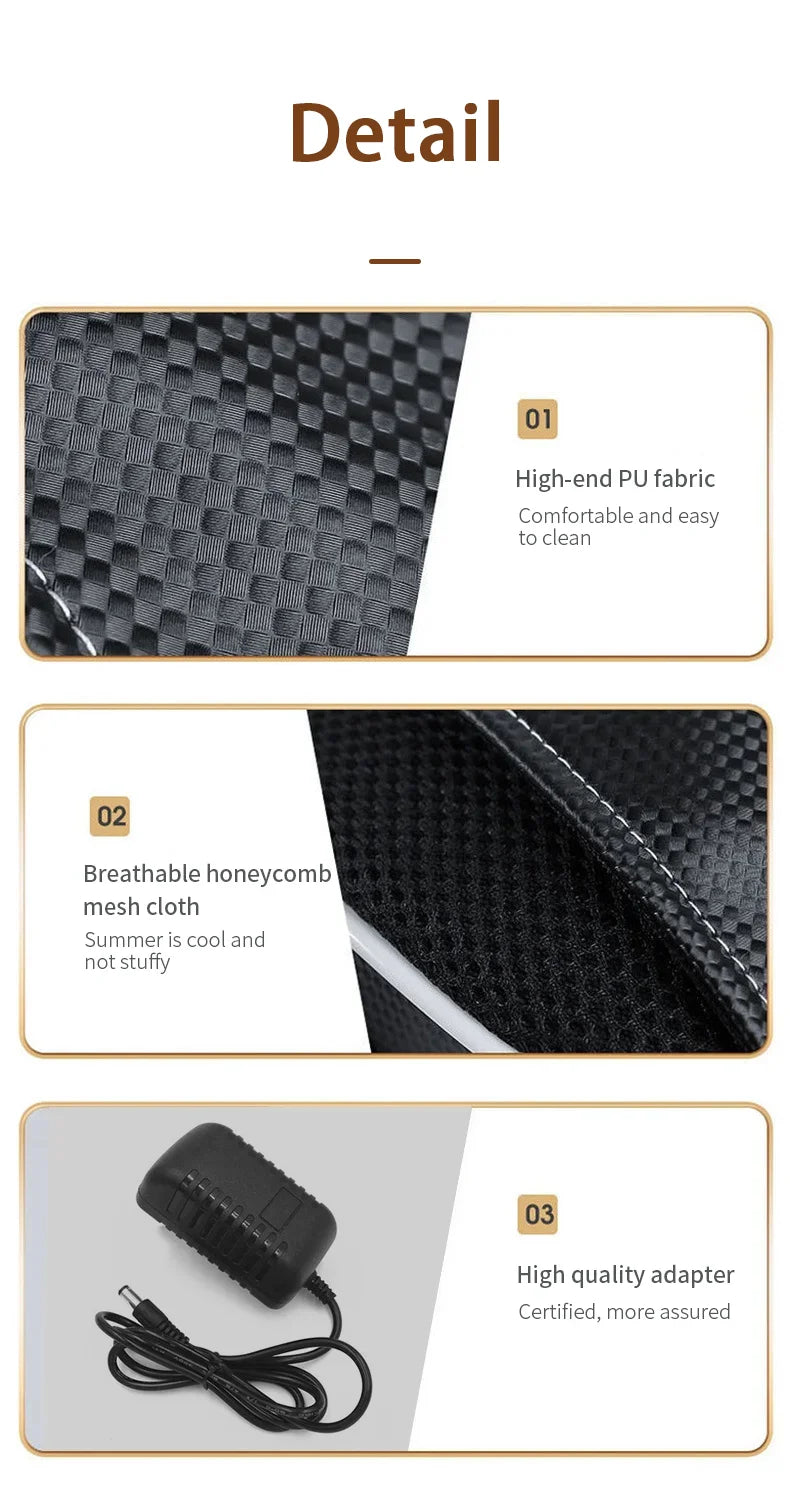
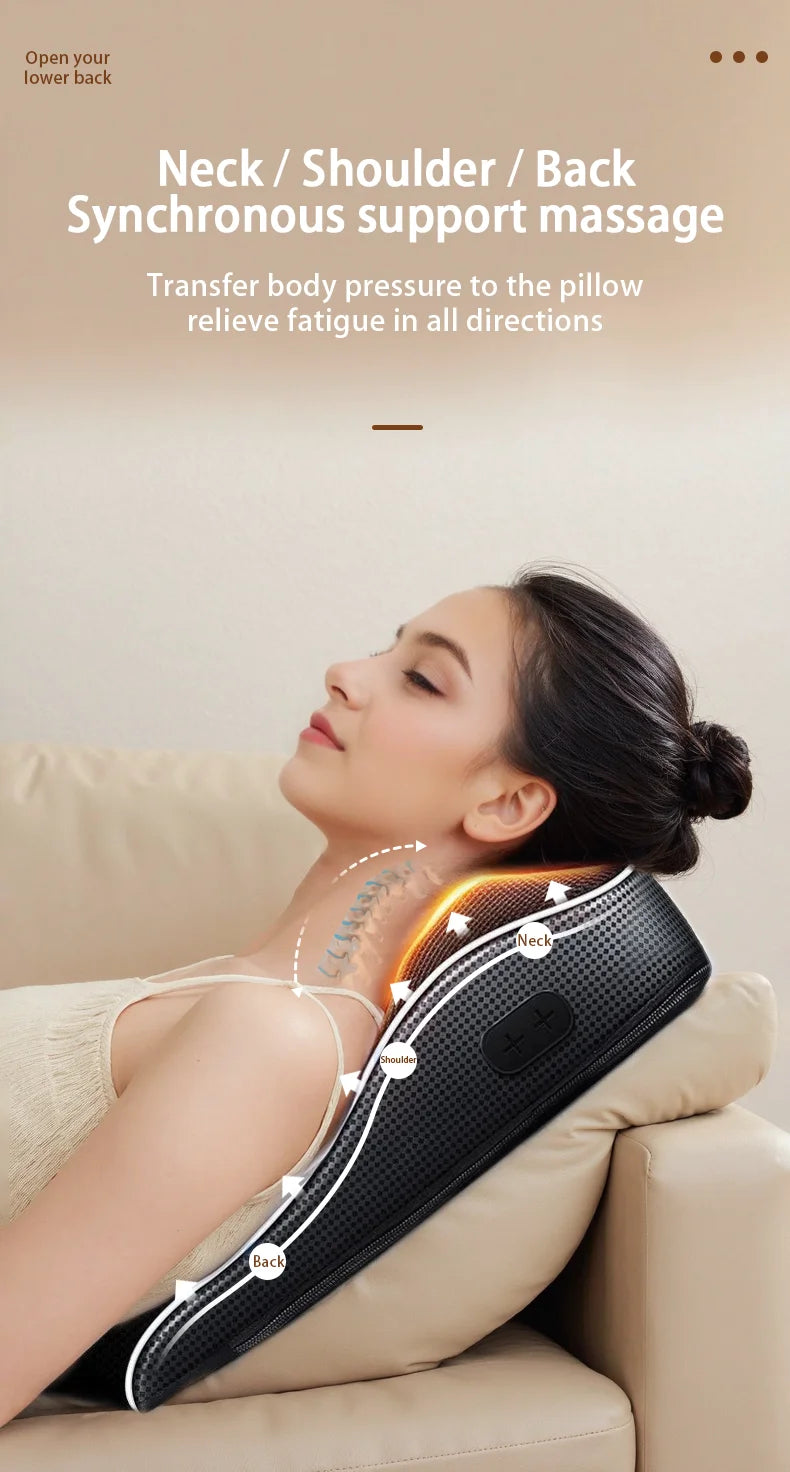
To streamline your home-wellness routine, consider integrating tools designed to support neck and head tension relief. For example, the KentDO Electric Massage Neck Pillow is designed for consistent, targeted upper-neck and shoulder muscle release.
Here’s how you can integrate it into your protocol:
- Use it after your massage-self-care session above, for 10–12 minutes in a supported position, to maintain release.
- Keep it accessible—schedule usage right after work or before bed to catch the tension before it solidifies overnight.
- Combine with your daily stretch set to reinforce posture adjustment and muscular mobility.
There are also complementary product categories you might explore via our Body Care & Health Devices collection for full-body tension relief or the Lifestyle collection for broader relaxation and ergonomic tools.
Mini-FAQ
- How long before I see relief from neck and head tension?
- Many people feel noticeable relief within a week when they consistently apply massage, posture fixes, and stretching (10-15 min/day). Chronic cases may take 4-6 weeks to shift significantly.
- Can I do deep tissue massage at home safely?
- Yes — with caution. Use gentle pressure on neck/shoulder areas especially if you have no prior experience. Avoid bones and sensitive joints. If you feel dizziness or sharp pain, stop and consult a professional.:contentReference[oaicite:15]{index=15}
- Do I still need medications if I use these techniques?
- These techniques target the muscular and postural sources of tension, but they don’t replace medications when underlying conditions exist (e.g., nerve impingement, severe cervical pathology). Consult your healthcare provider.
- Is head tension always caused by neck issues?
- No — while many tension-type headaches stem from neck and shoulder muscle tightness, other factors (ocular strain, sinus issues, migraines) can appear similar. That’s why persistent or worsening head tension deserves evaluation.:contentReference[oaicite:16]{index=16}
By combining thoughtful posture habits, regular self-massage and stretching, and the right tools, you’re empowering your body to release tension at its root and restore comfort, clarity and confidence in your daily rhythm—no more letting headaches and tight neck muscles hold you back.
Related Articles:
- How to Relieve Tension in Neck: Expert Tips You Can Try
- Instant Relief: How to Get Rid of Muscle Fatigue at Home
- Simple Neck and Shoulder Stretches You Can Do Anywhere
Pillar Articles:













