

Does learning how to relieve shoulder tension really work?
Yes. Learning how to relieve shoulder tension can be highly effective when tightness is caused by stress, poor posture, prolonged desk work, or muscle overuse. Consistently combining gentle movement, stretching, heat therapy, and relaxation techniques can reduce discomfort, improve mobility, and restore normal shoulder function without expensive equipment. While severe injuries require medical evaluation, many people experience noticeable shoulder tension relief within days of establishing a regular self-care routine.
Why shoulder tension responds to self-care
Most shoulder tightness develops because muscles remain contracted for extended periods. Stress activates the body's natural protective response, while repetitive activities and poor posture place continuous strain on the neck, shoulders, and upper back. Gentle stretching, breathing exercises, and home remedies for pain in shoulder help increase circulation, reduce muscle guarding, and improve flexibility, making it easier to relieve stress in shoulders naturally.
When self-care is most effective
Self-care provides the greatest benefit when shoulder tension is linked to everyday habits rather than structural injury. If stiffness develops after long hours at a computer, exercise, driving, or emotional stress, a combination of posture correction, mobility exercises, and upper back stiffness stretches often produces meaningful improvement. Performing these techniques consistently is more effective than relying on occasional treatment.
When it may not be muscle tension
Not every case of shoulder pain is caused by tight muscles. Sudden weakness, severe loss of motion, numbness, tingling, pain following trauma, or discomfort that radiates into the arm may indicate another condition, such as a rotator cuff injury, nerve irritation, or joint disorder. If symptoms persist despite several weeks of appropriate self-care or continue to worsen, seek evaluation from a qualified healthcare professional.
How to Relieve Shoulder Tension in 5 Minutes (Quick Relief Routine)
If you need quick relief , this five-minute routine helps reduce muscle guarding, improve circulation, restore posture, and promote relaxation. Perform each movement slowly without forcing the range of motion.
-
Step 1 – Breathing reset
Inhale slowly through your nose for four seconds, allowing your rib cage to expand. Exhale gently for six seconds and consciously let your shoulders drop away from your ears. Repeat for five to eight breaths to calm your nervous system and reduce automatic shoulder tightening.
-
Step 2 – Shoulder rolls
Roll your shoulders backward in slow circles for 30 seconds, then reverse the direction. Keep your neck relaxed and move through a comfortable range of motion to improve joint mobility and begin releasing built-up tension.
-
Step 3 – Neck and trap stretch
Gently tilt your head toward one shoulder while keeping both shoulders level. For a deeper stretch, rest your opposite hand behind your back. Hold for 20 to 30 seconds on each side without bouncing.
-
Step 4 – Posture reset
Sit or stand tall with your ears aligned over your shoulders. Draw your shoulder blades gently back and down without arching your lower back. Hold this position for 10 to 15 seconds to counteract slouching and relieve shoulder stress.
-
Step 5 – Shoulder blade activation
Squeeze your shoulder blades together gently as though holding a small object between them. Hold for five seconds, relax, and repeat 8 to 10 times. This activates the muscles that support healthy posture and helps release shoulder tension after prolonged sitting.
How to Relieve Shoulder Tension: Step-by-Step Methods That Work Fast
Learning how to relieve shoulder tension starts with understanding what causes tightness and choosing techniques that match the underlying problem. This guide explains evidence-based methods for fast relief, practical stretching routines, and daily habits that help you release tension from shoulders, improve mobility, and reduce the likelihood of recurring discomfort.
Why Your Shoulders Feel Tight (Common Causes Explained)
Understanding why your shoulders feel tight is one of the most important steps in achieving lasting shoulder tension relief. In most people, stiffness develops gradually through everyday habits rather than a single injury. Identifying the underlying cause allows you to choose the most effective way to reduce shoulder tension.
Stress and muscle guarding
Psychological stress commonly causes the muscles around the neck and shoulders to remain partially contracted throughout the day. This protective response, often called muscle guarding, limits relaxation, reduces blood flow, and contributes to aching, stiffness, and fatigue. Learning stress-management strategies alongside stretching can significantly improve symptoms.
Poor posture and desk habits
Forward head posture, rounded shoulders, and prolonged sitting increase the workload on the upper trapezius and surrounding muscles. Hours spent looking at computers, phones, or tablets can gradually shorten chest muscles while weakening the upper back, making it harder to stop tensing shoulders naturally.
Overuse and physical strain
Repeated lifting, overhead work, strength training without adequate recovery, and repetitive keyboard use can overload shoulder muscles. Small amounts of fatigue accumulate over time, leading to persistent tightness and discomfort even without a significant injury.
Trigger points and muscle imbalance
Small areas of tightened muscle fibers, commonly called trigger points, frequently develop in the upper trapezius, levator scapulae, and muscles between the shoulder blades. These sensitive spots may cause localized tenderness or pain that spreads into the neck, upper back, or arm. Muscle imbalances caused by prolonged sitting or repetitive movement often contribute to their development.
When it could be another condition
Although muscle tension is common, persistent pain accompanied by significant weakness, numbness, restricted movement, swelling, or pain after a fall may indicate a rotator cuff injury, frozen shoulder, arthritis, or nerve involvement. These conditions require a different treatment approach than routine shoulder tension relief exercises.
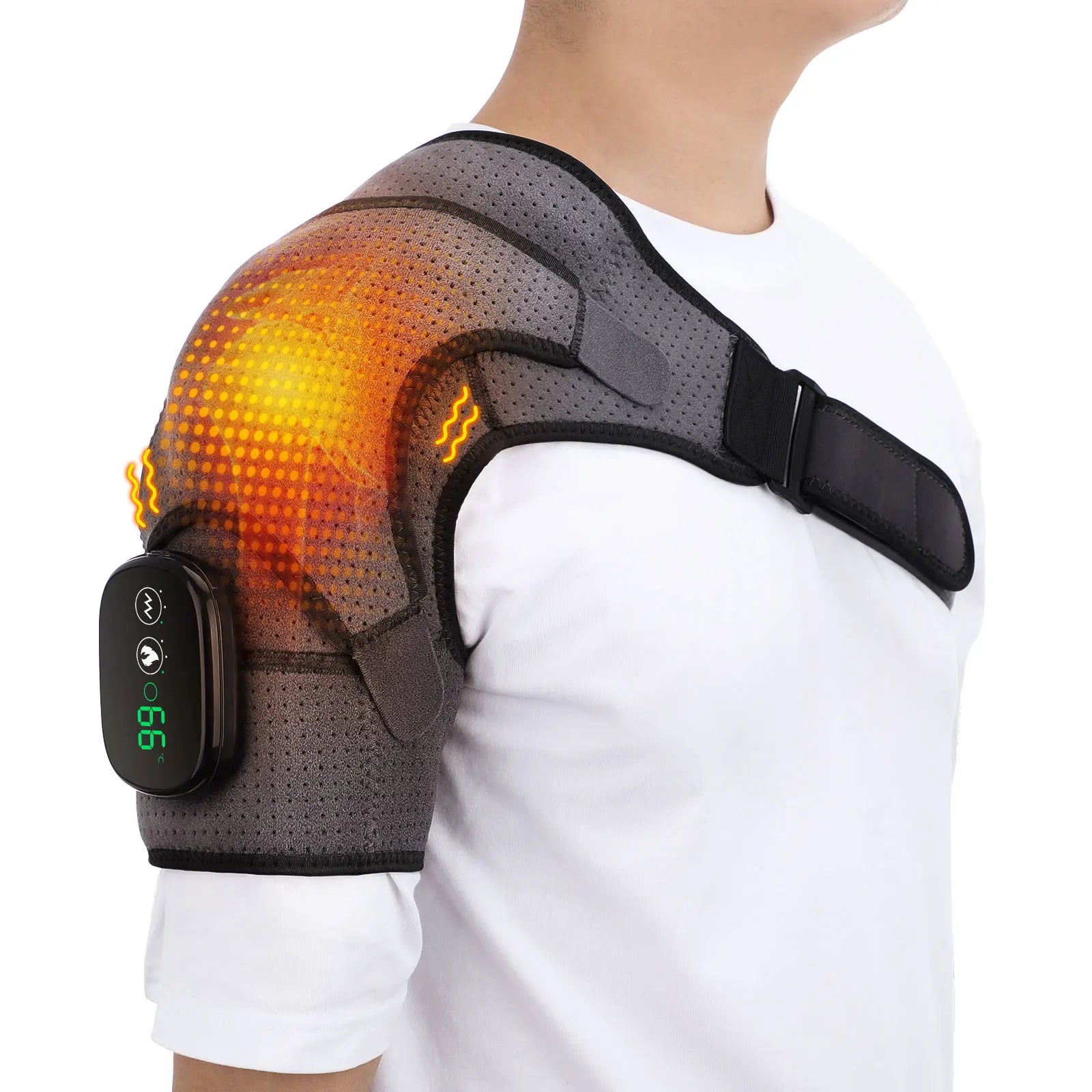
See how home remedies for pain in shoulder provide instant relief when combined with posture correction and regular movement.
How to Relax Tense Shoulders at Home (Beyond Stretching)
Stretching is only one part of effective shoulder care. Combining heat, self-massage, relaxation techniques, and appropriate recovery methods often provides faster and longer-lasting results when learning how to relax tense shoulders. These approaches work best when performed consistently and paired with healthy posture throughout the day.
Heat therapy and warm showers
Heat is one of the simplest ways to encourage muscle relaxation. Applying a warm compress, heating pad, or taking a warm shower for 10 to 15 minutes increases local circulation, improves tissue flexibility, and may reduce the sensation of stiffness before stretching or gentle exercise. Avoid applying excessive heat directly to the skin and discontinue use if swelling or redness increases.
Self-massage and trigger point release
Gentle self-massage can help release shoulder tension by reducing tightness in the upper trapezius, levator scapulae, and muscles surrounding the shoulder blades. Use your fingertips, a massage ball against a wall, or a foam roller to apply steady pressure to tender areas for 20 to 30 seconds before slowly releasing. Moderate pressure is usually more effective than aggressive massage, which may increase muscle soreness.
Breathing and relaxation techniques
Many people unknowingly elevate their shoulders while working or during periods of stress. Slow diaphragmatic breathing helps calm the nervous system and interrupts this pattern. Inhale through your nose, allowing your abdomen to expand, then exhale slowly while consciously relaxing your neck and shoulders. Repeating this exercise for several minutes throughout the day is one of the easiest ways to relieve shoulder tension caused by stress.
Cold therapy when appropriate
While heat is generally preferred for muscle tightness, cold therapy may be helpful after strenuous activity or when the shoulder feels irritated or mildly inflamed. Apply a wrapped cold pack for 10 to 15 minutes to reduce discomfort. If your primary complaint is muscle stiffness without inflammation, heat is typically the better option before movement or stretching.
Using a quality heated shoulder massager from the Body Care and Health Devices collection can combine warmth and vibration to help relax tight muscles while complementing stretching and other recovery techniques.
Yoga to Release Shoulder Tension (Beginner-Friendly Flow)
A short yoga routine improves shoulder mobility, restores flexibility, and reduces stress-related muscle tension. These beginner-friendly poses can be practiced daily and require little equipment, making them an effective way to release tension from shoulders while improving posture.
Cat-Cow
Begin on your hands and knees with your wrists beneath your shoulders. Alternate between gently arching your back and rounding your spine while coordinating each movement with your breath. This dynamic movement improves spinal mobility and prepares the shoulders for deeper stretches.
Child's Pose
Sit back toward your heels while extending your arms forward along the floor. Allow your chest to sink comfortably as your shoulders lengthen. Hold for 30 to 60 seconds while breathing slowly to encourage relaxation throughout the upper back.
Thread the Needle
From a tabletop position, slide one arm underneath your body and gently rotate your upper torso until your shoulder rests comfortably on the floor. This pose stretches the muscles between the shoulder blades and improves thoracic mobility. Hold for 20 to 30 seconds on each side.
Supported Chest Opener
Lie on your back with a rolled towel or yoga bolster placed lengthwise beneath your spine. Let your arms relax comfortably to each side while maintaining slow breathing. This gentle chest-opening position counteracts rounded shoulders caused by prolonged sitting and computer work.
Practicing these poses several times each week supports healthy posture, improves flexibility, and helps prevent recurring shoulder tightness. Supplementing yoga with tools from the Skin and Beauty Care Devices collection can further enhance relaxation and recovery.
How to Stop Tensing Your Shoulders (Daily Habit Fixes)
Long-term shoulder tension relief depends on changing the habits that continually overload the muscles. Small adjustments to your workstation, movement patterns, and daily routines can dramatically reduce recurring tightness.
Desk ergonomics setup
Position your monitor at eye level, keep your elbows close to your sides at approximately 90 degrees, and rest your forearms comfortably while typing. Relax your shoulders instead of shrugging them toward your ears, and keep both feet supported on the floor to maintain balanced posture.
Micro-break routine
Stand, walk, or perform gentle shoulder movements every 30 to 60 minutes. Even one or two minutes of movement improves circulation, reduces muscle fatigue, and helps prevent stiffness from developing during long work sessions.
Stress awareness cues
Create reminders throughout the day to check your posture. If you notice your shoulders creeping upward or your jaw tightening, take several slow breaths and consciously release unnecessary muscle tension before returning to your activity.
Sleep posture
Your sleeping position can influence shoulder discomfort. Sleeping on your back or on your side with a supportive pillow that keeps your neck aligned may reduce overnight strain. Avoid sleeping with your arm positioned overhead for long periods if it increases shoulder stiffness.
Phone and driving posture
Avoid cradling your phone between your shoulder and ear, and keep both hands relaxed while driving instead of gripping the steering wheel tightly. Adjust your seat so your shoulders remain supported and your elbows stay slightly bent, reducing unnecessary muscle tension during longer trips.
Best Stretches to Release Tension from Shoulders (Step-by-Step)
Performing the best stretches consistently can improve flexibility, restore normal movement, and provide lasting shoulder tension relief. Move slowly, breathe steadily, and stop if any stretch causes sharp pain. Hold each position for 20 to 30 seconds and repeat two or three times per side.
Cross-body shoulder stretch
Bring one arm across your chest and gently support it with the opposite hand just above the elbow. Keep your shoulders relaxed rather than lifting them toward your ears. This stretch targets the rear shoulder muscles and helps relieve tightness caused by repetitive reaching or prolonged desk work.
Upper trapezius stretch
Sit or stand with good posture and slowly tilt one ear toward the same-side shoulder. Keep the opposite shoulder relaxed and, if comfortable, place your hand lightly on the side of your head to deepen the stretch. This movement reduces tension in the upper trapezius, one of the muscles most commonly affected by stress.
Levator scapulae stretch
Turn your head approximately 45 degrees toward one armpit, then gently lower your chin. Rest one hand behind your back while using the opposite hand to guide the stretch if needed. This exercise targets the levator scapulae muscle, which often becomes tight after long periods of computer work or poor posture.
Doorway chest stretch
Stand in a doorway with your forearms resting on the frame and elbows slightly below shoulder height. Step forward slowly until you feel a comfortable stretch across your chest and the front of your shoulders. This helps lengthen tight chest muscles and supports improved shoulder alignment.
Thread the Needle
Begin on your hands and knees, then slide one arm underneath your body while rotating your upper back until your shoulder rests comfortably on the floor. Hold the position while breathing slowly before repeating on the opposite side. This stretch improves mobility throughout the thoracic spine and muscles surrounding the shoulder blades.

Practice these upper back stiffness stretches alongside gentle mobility exercises to improve flexibility and reduce recurring shoulder tension.
Comparison Table: Methods & Benefits
| Method | Effectiveness | Time Required | Ease of Use | Best For |
|---|---|---|---|---|
| Heat Therapy / Massager | High | 10–15 mins | Easy | Relaxing tight muscles before stretching and promoting quick shoulder tension relief |
| Cold Therapy | Moderate | 10–15 mins | Easy | Managing soreness or mild inflammation after strenuous activity |
| Yoga Poses | High | 15–20 mins | Moderate | Improving flexibility, posture, breathing, and stress management |
| Stretching | High | 5–10 mins | Easy | Daily mobility maintenance and preventing recurring shoulder tightness |
Using Shoulder Massagers Effectively
Heated and vibrating shoulder massagers can complement stretching and mobility exercises by encouraging muscle relaxation. They work best as part of a broader recovery routine rather than as a replacement for movement, posture correction, or strengthening exercises.
Who may benefit
People with mild muscle tightness from desk work, exercise, repetitive activities, or everyday stress often find shoulder massagers helpful. Gentle heat and massage may temporarily improve comfort, reduce muscle stiffness, and prepare the shoulders for stretching.
Safe usage tips
- Position the massager over the upper shoulder or surrounding muscles instead of directly on bony joints.
- Choose comfortable heat and vibration settings that do not cause discomfort.
- Limit individual sessions to approximately 15–20 minutes.
- Use the device before or after stretching to enhance flexibility and recovery.
- Discontinue use if pain becomes worse or unusual symptoms develop.
When to avoid massage
Avoid using massage devices over areas with significant swelling, open wounds, suspected fractures, active infections, or immediately after an acute injury unless advised by a healthcare professional. Individuals with certain medical conditions should consult their healthcare provider before using heated massage devices.
Many users incorporate a heated shoulder massager from the Body Care and Health Devices collection into their daily recovery routine alongside stretching, posture improvement, and stress management for more consistent shoulder tension relief.
When Shoulder Tension Might Need Medical Attention
Most cases of shoulder tension improve with consistent self-care, posture correction, stretching, and stress management. However, persistent or worsening symptoms may indicate an underlying condition that requires medical evaluation. Seeking timely care can help identify problems such as rotator cuff injuries, frozen shoulder, nerve compression, or inflammatory joint disorders before they become more difficult to treat.
Emergency symptoms
Seek immediate medical attention if shoulder pain occurs after a significant fall or accident, is accompanied by chest pain, shortness of breath, severe swelling, obvious deformity, fever, or sudden inability to move the arm. These symptoms may indicate a medical emergency rather than routine muscle tension.
Persistent pain
Arrange an appointment with a healthcare professional if shoulder discomfort lasts longer than two to four weeks despite appropriate home treatment, continues to interfere with sleep, or repeatedly returns after temporary improvement. Persistent pain deserves further assessment to determine its underlying cause.
Loss of strength or motion
Difficulty lifting your arm, progressive weakness, numbness, tingling, or a significant decrease in shoulder range of motion may indicate tendon, joint, or nerve involvement. These symptoms should be evaluated rather than treated solely with home remedies.
- Pain that persists for several weeks despite appropriate self-care
- Sharp, burning, or radiating pain extending into the arm or hand
- Progressive weakness or noticeable loss of shoulder movement
- Swelling, redness, warmth, or visible joint changes
- Numbness, tingling, or symptoms that worsen at night
If you experience any of these warning signs, consult a qualified healthcare professional for an accurate diagnosis and personalized treatment plan.
FAQ
How quickly can I relieve shoulder tension at home?
Many people notice improvement within 5 to 20 minutes by combining gentle stretching, diaphragmatic breathing, posture correction, and heat therapy. Lasting results usually depend on performing these techniques consistently over several days or weeks.
Why do my shoulders stay tense all the time?
Persistent shoulder tension is commonly caused by prolonged sitting, poor posture, emotional stress, repetitive movements, inadequate recovery after exercise, or a combination of these factors. Identifying and correcting the underlying cause is essential for long-term relief.
Should I use heat or ice for shoulder tension?
Heat is generally the preferred option for muscle tightness because it promotes circulation and relaxation before stretching. Ice may be more appropriate after strenuous activity or when soreness is accompanied by mild inflammation. If swelling is significant or pain follows an acute injury, seek medical advice.
Can stress alone cause shoulder tension?
Yes. Emotional stress frequently causes unconscious muscle guarding, particularly in the neck and shoulders. Combining stress-management techniques, breathing exercises, and regular movement can significantly reduce stress-related shoulder tightness.
How often should I stretch tight shoulders?
For most people, stretching once or twice daily is sufficient. Hold each stretch for 20 to 30 seconds and avoid forcing painful movements. Consistency is more important than stretching aggressively.
When should I see a physical therapist?
Consider seeing a physical therapist if shoulder tightness limits your daily activities, repeatedly returns despite home care, follows an injury, or is associated with weakness or restricted movement. A therapist can identify movement impairments and develop a personalized rehabilitation program.













