

How to Remove Calluses From Feet Safely at Home
Understanding Foot Calluses: Causes, Symptoms, and Why They Form
Calluses are thickened, hardened areas of skin that develop when repeated pressure or friction causes the skin to protect itself. They commonly appear on the heels, balls of the feet, sides of the feet, and toes. In many cases, calluses are harmless, but they can become uncomfortable, crack, or signal that footwear, walking mechanics, or another source of pressure needs attention.
- Common causes: tight or poorly fitted shoes, prolonged standing, walking, running, high-impact activities, and repeated pressure on the same area.
- Common symptoms: rough, thick, dry, or yellowish skin that may feel less sensitive than the surrounding skin.
- Common locations: heels, the balls of the feet, the outer edges of the feet, and areas beneath the toes.
- Why they return: the underlying pressure or friction continues, so the skin keeps producing extra protective layers.
Calluses are not necessarily a sign of poor foot care. They are often a normal response to repeated stress. The goal is to reduce uncomfortable buildup without damaging healthy skin, then address the source of the pressure to help prevent the callus from returning.
⏱ 8 min read
Rough heels. Thick patches that snag socks. Painful cracks that make you hide your feet. If you’ve ever wondered why your efforts never seem to last, you’re not alone. Learning how to remove calluses from feet doesn’t require painful scraping or expensive salon visits. With the right steps and tools, smoother, healthier-looking feet are completely achievable at home.

Softening rough skin is the first step in how to remove calluses from feet. See it in action.
Quick Answer: What Is the Best Way to Remove Calluses From Feet?
The best way to remove calluses from feet at home is to soften the thickened skin, gently exfoliate only the hardened surface with a pumice stone, foot file, or suitable electric callus remover, and then apply a rich moisturizer or callus-softening cream. Avoid cutting the callus with a blade or aggressively scraping until the skin is raw.
For most people, noticeable softening can begin after one or two gentle treatments, but thicker calluses usually require gradual care over several days or weeks. The safest approach is to remove small amounts of hardened skin at a time while reducing the friction or pressure that caused the callus.
For a detailed routine, follow the step-by-step callus removal guide below. If you have diabetes, reduced sensation, poor circulation, or signs of infection, home removal may not be appropriate.
Callus or Something Else? How to Tell the Difference
Before attempting plantar callus removal at home, make sure the thickened area actually looks like a typical callus. Several foot conditions can appear similar but may require different care.
Calluses vs Corns
A callus is usually a broader area of thickened skin caused by repeated pressure or friction. A corn is typically smaller and more concentrated, often with a hard central core. Corns commonly develop on or between the toes or on pressure points where footwear rubs.
Gentle home care may be appropriate for a mild, uncomplicated callus, but painful or persistent corns should be evaluated by a healthcare professional rather than aggressively filed or cut.
Calluses vs Plantar Warts
Plantar warts are caused by a viral infection and can sometimes be mistaken for a callus. A wart may interrupt the normal lines of the skin and may contain small dark dots. Pain can also feel different depending on how pressure is applied.
If you are unsure whether a rough spot is a callus or a plantar wart, avoid repeatedly scraping it and seek professional advice for an accurate diagnosis.
Calluses vs Cracked Heels
Cracked heels can occur when dry, thickened skin loses flexibility and splits. A heel callus may contribute to cracking, but deep, painful, bleeding, or infected cracks need more careful treatment than simple surface exfoliation.
Home care is generally most appropriate for uncomplicated, intact callused skin. Stop treatment and seek medical advice if you notice significant pain, spreading redness, swelling, warmth, drainage, or other signs of infection.
How Do You Remove Calluses From Feet Safely at Home?
To learn how to remove calluses from feet at home safely, use a gradual routine rather than trying to eliminate all the thickened skin in one session. The basic process is:
- Soften the skin: Soak your feet briefly in comfortably warm water.
- Gently exfoliate: Use a pumice stone, foot file, or suitable electric callus remover on the thickened area.
- Apply a softening treatment: A foot cream containing ingredients such as urea may help soften persistent rough skin.
- Moisturize and protect: Apply a rich moisturizer and reduce the friction or pressure contributing to the callus.
Do not cut a callus with a razor, knife, or other sharp blade. Cutting too deeply can injure healthy tissue and increase the risk of bleeding and infection. If a callus is unusually thick, painful, recurrent, or difficult to distinguish from another condition, professional evaluation is safer.
Why Calluses Keep Coming Back Even After You Remove Them
Calluses can return because removing the thickened skin does not necessarily remove the pressure that caused it. The skin responds to repeated friction and pressure by building a protective layer again.
- Footwear: Tight, narrow, stiff, or poorly fitted shoes can repeatedly rub or compress the same area.
- Activity: Running, standing for long periods, and high-impact activities can increase pressure on certain parts of the feet.
- Biomechanics: The way you walk or distribute weight can create repeated pressure on one area.
- Dry skin: Dry, less flexible skin may be more prone to roughness and cracking.
- Inconsistent care: Waiting until a callus becomes very thick can make maintenance more difficult.
There is no guaranteed way to remove calluses from feet permanently if the source of friction or pressure remains. Long-term results usually depend on combining gentle exfoliation with better footwear, pressure reduction, and regular moisturizing.
Step-by-Step At-Home Callus Removal Routine
This routine can help you remove callus from feet gradually while minimizing unnecessary irritation. The key is controlled, consistent care rather than aggressive one-time removal.
Step 1: Soak Feet to Soften the Callus
Soak your feet in comfortably warm water for about 10 to 20 minutes. A short foot bath for calluses helps soften hardened surface skin and can make gentle exfoliation more comfortable.
The water should feel warm, not hot. Very hot water can irritate or burn the skin, while soaking for excessively long periods may leave the skin overly waterlogged and more vulnerable to irritation.
Step 2: Gently Exfoliate With a Pumice Stone or Foot File
After soaking, gently work on the thickened area with a pumice stone or foot file. Use light pressure and short sessions. You are trying to smooth excess hardened skin, not remove every layer of the callus immediately.
Stop if the skin becomes painful, raw, or irritated. Avoid filing healthy skin around the callus, and clean tools according to the manufacturer's instructions after use.
Step 3: Apply a Callus Softening Cream
For persistent roughness, a foot cream designed to soften thick skin may complement gentle exfoliation. Ingredients such as urea can help hydrate and soften rough skin, while other exfoliating ingredients may help loosen excess buildup.
Follow the product directions carefully, especially if you have sensitive skin. Do not apply exfoliating products to open wounds, actively bleeding cracks, or irritated skin unless advised by a healthcare professional.
Step 4: Moisturize and Protect the Skin
Finish with a rich foot cream or moisturizer to help maintain the skin barrier and reduce dryness. Pay particular attention to the heels and other areas that repeatedly become rough.
Do not apply thick moisturizer between the toes unless the product specifically recommends it, because excessive moisture in that area can contribute to skin problems. Allow your feet to dry appropriately and wear comfortable, well-fitting footwear.
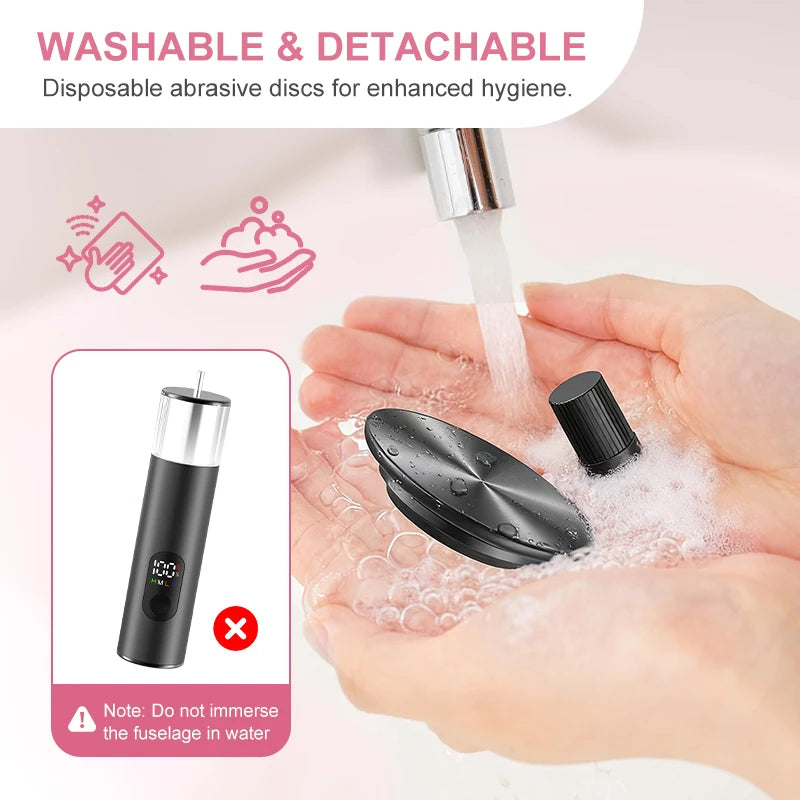
Proper pedicure at home steps lead to visible foot smoothing. See it in action.
Best Callus Removal Methods Compared
The best way to remove foot callus depends on how thick the buildup is, how sensitive your skin feels, and how much control you want over the process. No single tool is ideal for everyone.
| Method | Best For | Advantages | Limitations and Safety Tips |
|---|---|---|---|
| Pumice Stone | Mild to moderate calluses | Simple, inexpensive, and easy to control | Requires gentle, repeated use; do not scrub aggressively |
| Foot File | Targeted rough areas | Provides more focused exfoliation and control | Too much pressure can irritate healthy skin |
| Electric Callus Remover | Stubborn or larger areas of thickened skin | Can smooth buildup efficiently with less manual effort | Use according to instructions and avoid prolonged pressure in one spot |
| Exfoliating Creams | Dry, rough, or persistent calluses | Can soften thickened skin while supporting hydration | Use as directed and avoid damaged or open skin |
Pumice Stone
A pumice stone is a practical option for gradually smoothing mild to moderate calluses after the skin has been softened. It gives you direct control over the amount of exfoliation, making it useful for people who prefer a simple manual method.
Foot File
A foot file can target specific rough areas, such as the heel or ball of the foot. Use gentle strokes and avoid repeatedly filing the same area until it feels tender. The goal is smoother skin, not a completely friction-free surface.
Electric Callus Remover
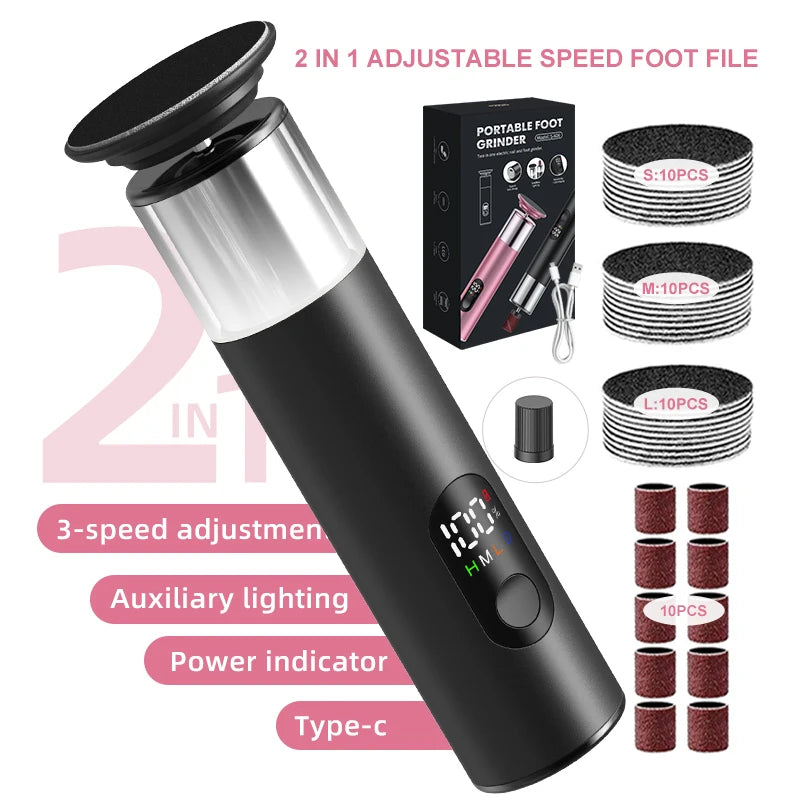
An electric callus remover can be convenient for thicker or more stubborn buildup. Because powered devices can remove rough skin efficiently, start gently, follow the manufacturer's instructions, and avoid holding the device in one spot for too long.
For those serious about learning how to remove calluses from feet effectively, the electric foot grinder offers precision without pain.
Exfoliating Creams
Callus-softening creams can help improve rough texture over time and may be especially useful as part of a maintenance routine. Moisturizing ingredients help support the skin barrier, while certain exfoliating ingredients can help loosen excess buildup.
Explore complementary tools in Skin and Beauty Care Devices to elevate your routine.
Common Callus Removal Mistakes to Avoid
Knowing how to safely remove calluses from feet also means knowing what not to do. Common mistakes can lead to irritation, injury, or recurring roughness.
- Using sharp blades: Cutting a callus yourself can remove too much skin and increase the risk of injury and infection.
- Over-exfoliating: Scrubbing or filing too aggressively can damage the skin barrier and cause soreness.
- Removing too much at once: Trying to achieve perfectly smooth skin in a single session can lead to irritation.
- Skipping moisturizer: Exfoliation without consistent hydration can leave skin dry and more prone to roughness.
- Ignoring pressure sources: A callus may return quickly if uncomfortable footwear or repetitive friction is not addressed.
- Treating damaged skin aggressively: Open cracks, bleeding, significant redness, or drainage require extra caution and may need professional care.
Who Should Not Remove Calluses at Home?
Home callus removal is not appropriate for everyone. Some health conditions can increase the risk of unnoticed injury, delayed healing, or infection.
Diabetes
People with diabetes should be especially cautious with foot care. Reduced sensation or circulation problems can make it harder to notice an injury or allow it to heal properly. Avoid cutting or aggressively removing calluses yourself and follow your healthcare professional's recommendations.
Neuropathy or Poor Circulation
Reduced sensation or poor circulation can increase the risk of complications from even minor foot injuries. If you have neuropathy, known circulation problems, or another condition affecting foot healing, seek professional guidance before using aggressive exfoliation tools.
Signs You Need a Podiatrist
Professional evaluation is advisable if a callus is persistently painful, keeps returning despite reducing pressure, becomes unusually thick, or is difficult to distinguish from a corn or plantar wart. Seek prompt medical attention for spreading redness, swelling, warmth, drainage, or other possible signs of infection.
How to Prevent Calluses From Coming Back
Once you remove foot callus buildup, prevention is usually more effective than repeatedly waiting for thick skin to develop. A simple routine can help reduce recurrence.
- Choose properly fitted shoes: Look for comfortable footwear with enough room for your toes and adequate cushioning.
- Reduce repeated pressure: Consider cushioning or other appropriate ways to reduce friction in areas that repeatedly develop calluses.
- Moisturize regularly: Apply a rich foot moisturizer to dry areas as part of your daily foot care routine.
- Exfoliate gently: Use a pumice stone, file, or suitable device periodically rather than waiting until buildup becomes severe.
- Inspect your feet: Check regularly for new rough areas, cracks, irritation, or other changes.
- Keep feet clean and dry: Good foot hygiene supports overall skin health and helps you notice changes early.
Consistent care keeps calluses away. See it in action.
FAQs About Callus Removal
What is the safest way to remove calluses from feet at home?
The safest approach is to soften the skin with a brief warm soak, gently exfoliate the thickened surface with a suitable pumice stone, foot file, or callus remover, and moisturize afterward. Avoid cutting calluses with blades or aggressively scraping the skin.
How often should I remove calluses?
There is no universal schedule, but many people can maintain mild calluses with gentle exfoliation about once a week or as needed. Thick or persistent calluses may require a gradual routine rather than frequent aggressive treatment. Stop if the skin becomes sore or irritated.
How long should I soak my feet for callus removal?
About 10 to 20 minutes in comfortably warm water is generally enough to soften the surface of a callus before gentle exfoliation. Avoid very hot water and excessively long soaking sessions, which can irritate the skin.
Can calluses be removed permanently?
Calluses can often be significantly reduced and managed, but they may return if the pressure or friction that caused them continues. For longer-lasting results, combine gentle removal with better-fitting footwear, pressure reduction, regular moisturizing, and consistent foot care.
What is the best tool for removing foot calluses?
The best tool depends on the thickness of the callus and your comfort level. A pumice stone or foot file offers direct control for mild buildup, while an electric callus remover can be convenient for thicker areas when used carefully and according to its instructions.
Is it safe to cut a callus with a blade?
No. Cutting a callus yourself can injure healthy skin and increase the risk of bleeding and infection. Gradual smoothing is safer for uncomplicated calluses, while particularly thick or painful calluses should be assessed by a qualified professional.
How do I know if it's a callus or a plantar wart?
Calluses usually develop as broader areas of thickened skin over pressure points. Plantar warts can have different features, including disruption of normal skin lines and small dark dots. Because the conditions can be difficult to distinguish at home, seek professional advice if you are uncertain.
Can I remove calluses overnight?
There is no reliable way to safely remove a thick callus completely overnight. A moisturizer or callus-softening treatment may improve the feel of dry skin overnight, but thicker buildup generally needs gradual care. Trying to force rapid removal with aggressive scraping can damage the skin.
When should I see a podiatrist instead of treating a callus at home?
See a podiatrist or other qualified healthcare professional if you have diabetes, neuropathy, poor circulation, a painful or unusually thick callus, a recurring problem that does not improve, or signs of infection such as increasing redness, swelling, warmth, or drainage.
For more self-care inspiration, explore Beauty & Self-Care Blog and discover routines that restore confidence from head to toe.













