

How can I remove earwax safely at home?
The safest way to remove earwax at home is to soften the wax first, then consider gentle irrigation only if needed and only if you do not have conditions that make home treatment unsafe. In many cases, earwax clears naturally without requiring removal.
- Use doctor-recommended earwax-softening drops such as saline, mineral oil, glycerin, or carbamide peroxide products as directed.
- Allow 1–3 days for hardened wax to soften.
- If appropriate, gently rinse with body-temperature water using a bulb syringe.
- Let the ear drain naturally and dry the outer ear with a clean towel.
Never insert cotton swabs, hairpins, or other objects into the ear canal. Stop home treatment and seek medical care if you develop severe pain, bleeding, drainage, dizziness, sudden hearing loss, or symptoms that do not improve.
How to Remove Earwax Safely at Home (Doctor-Approved Methods)
⏱ 6 min read — A blocked, itchy, or muffled ear can be uncomfortable, but trying to remove earwax the wrong way may push it deeper or injure the ear canal. This guide explains how to remove earwax safely at home, when home care is appropriate, and when professional removal is the safer choice.
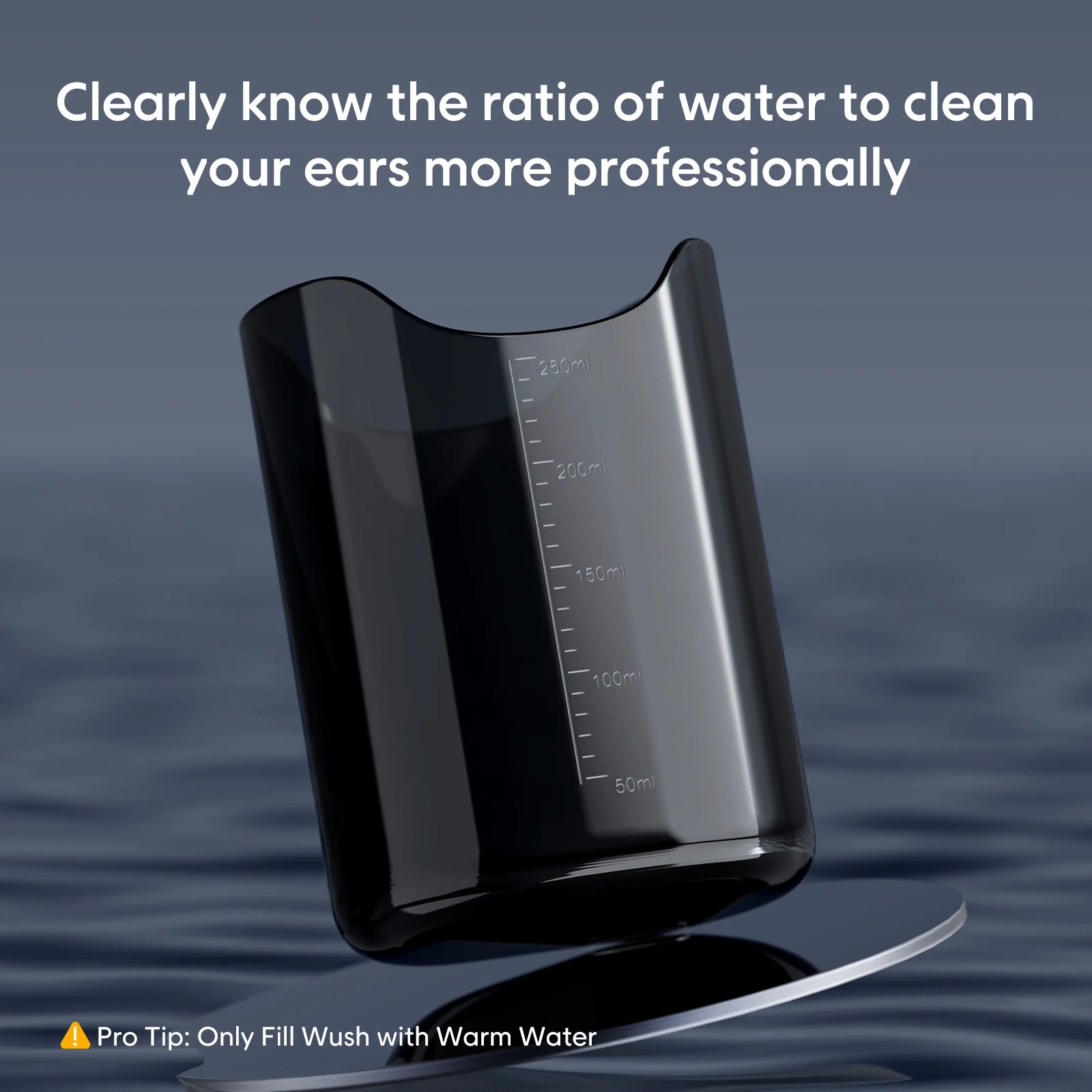
Natural earwax removal starts with gentle habits — See it in action
What Is Earwax and Why It Builds Up
Earwax, also called cerumen, is a normal and healthy part of your ear's defense system. It traps dust, dirt, and microorganisms before they reach the eardrum while also helping keep the ear canal lubricated.
Most ears are self-cleaning. Jaw movements from talking and chewing slowly move older wax toward the outer ear, where it naturally flakes away. For this reason, routine ear canal cleaning is usually unnecessary.
Excessive or impacted earwax may develop when this natural process is interrupted by:
- Using cotton swabs or tissues inside the ear
- Frequent use of earbuds, hearing aids, or earplugs
- Naturally narrow or curved ear canals
- Producing unusually large amounts of earwax
If wax becomes impacted, it may block the ear canal and cause symptoms that warrant safe removal.
Do You Actually Need to Remove the Earwax?
Signs of Possible Earwax Buildup
Not every blocked sensation is caused by earwax. However, impacted wax may contribute to:
- Muffled or reduced hearing
- A feeling of fullness or blockage
- Ringing in the ear (tinnitus)
- Mild itching
- Occasional discomfort
These symptoms can also result from infections, fluid behind the eardrum, allergies, or other ear conditions. If symptoms are severe or appear suddenly, seek medical evaluation rather than assuming earwax is the cause.
When Earwax May Not Need Removal
If you have no symptoms, there is usually no need to remove earwax. In many people, leaving earwax alone is the safest way to maintain healthy ears because the body naturally removes older wax over time.
Who Should NOT Remove Earwax at Home
Home earwax removal is not appropriate for everyone. Skip DIY treatment and consult a healthcare professional if you have:
- A perforated or damaged eardrum
- Ear tubes
- Previous ear surgery
- Active ear pain, drainage, or suspected infection
- Persistent dizziness or unexplained hearing loss
- Young children who cannot clearly describe discomfort
These situations increase the risk of complications, making professional assessment much safer.
Which Earwax Removal Method Is Safest for You?
Softening Earwax: The Usual First Step
For most adults with suspected wax buildup, softening drops are the preferred first step. They help loosen hardened wax so it can leave the ear naturally or be removed more easily if irrigation becomes necessary.
Irrigation: When It May Be Appropriate
Gentle irrigation with body-temperature water may help after wax has softened. However, irrigation should never be forceful and should not be attempted if you have a history of eardrum problems, ear surgery, infection, or significant pain.
When to Skip Home Removal
If symptoms worsen, you experience severe discomfort, or the blockage persists after several days of appropriate home care, stop treatment and arrange professional earwax removal instead of repeating multiple home methods.
How to Soften Earwax Safely at Home
Using Recommended Earwax-Softening Drops
Clinically recognized earwax-softening options include:
- Saline solutions
- Mineral oil
- Glycerin-based drops
- Hydrogen peroxide or carbamide peroxide products used according to package directions
These products soften hardened wax rather than instantly dissolving every blockage, making removal gentler and less likely to cause injury.
How to Use Drops Without Irritating the Ear
- Wash your hands before treatment.
- Lie with the affected ear facing upward.
- Apply the recommended number of drops.
- Remain in position for 5–10 minutes.
- Allow excess liquid to drain naturally.
Stop using the drops if you develop worsening pain, dizziness, bleeding, or drainage.
Step-by-Step: How to Remove Earwax Safely at Home
Method 1: Soften the Wax
- Begin with earwax-softening drops.
- Repeat as directed for 1–3 days if necessary.
- Avoid inserting any objects into the ear canal.
Method 2: Consider Gentle Irrigation Only If Appropriate
- Use only body-temperature water.
- Fill a rubber bulb syringe with warm water.
- Tilt your head and gently allow water to enter the ear without force.
- Let the water and loosened wax drain naturally.
Method 3: Let the Ear Drain Naturally and Clean the Outer Ear
- Dry only the outer ear using a clean towel.
- Do not insert cotton swabs into the ear canal.
- Stop immediately if you experience pain, dizziness, bleeding, or worsening symptoms.
What Dissolves Earwax Safely?
No solution instantly dissolves all earwax. Instead, approved softening agents help loosen wax so it can move out naturally or be removed more safely.
- Mineral oil
- Saline solution
- Glycerin-based drops
- Hydrogen peroxide or carbamide peroxide products
Although some people use natural oils, they are not appropriate for every situation. Avoid placing household chemicals or unverified remedies into the ear, particularly if you have pain, drainage, or a suspected eardrum injury.
How to Clean Your Ears Without Cotton Swabs
Cotton swabs often push earwax deeper into the canal instead of removing it. This increases the risk of impacted wax, irritation, and accidental injury.
For routine hygiene, simply wash the outer ear with a soft cloth while bathing and dry it afterward. If earwax is causing symptoms, use evidence-based softening methods instead of inserting objects into the ear canal.
Earwax Removal Methods to Avoid
Cotton Swabs and Other Objects
Hairpins, keys, fingernails, cotton swabs, and metal tools can scratch the ear canal or push wax deeper.
Ear Candling
Ear candling has not been shown to remove earwax effectively and may cause burns or additional ear injuries.
Aggressive or Improvised Flushing
High-pressure water devices or forceful irrigation can damage delicate ear structures, especially if the eardrum is weakened or already injured.
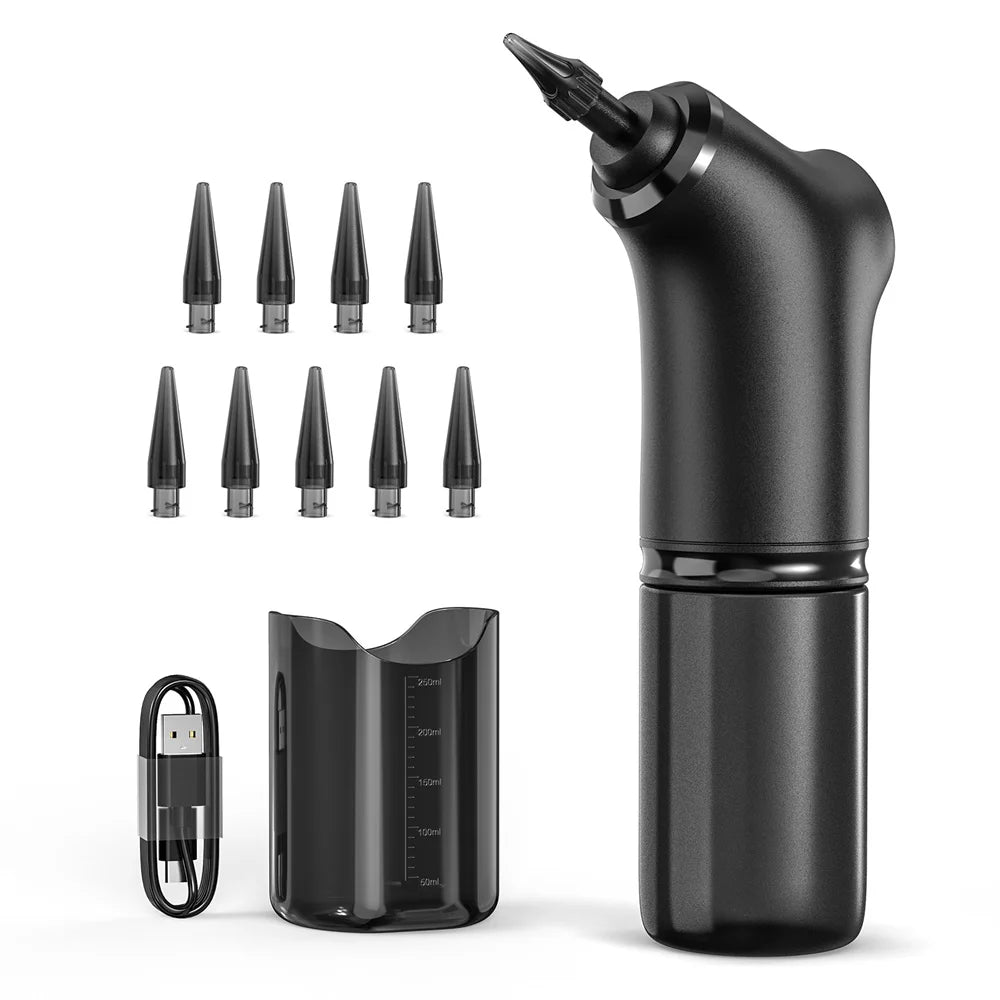
A safe way to remove earwax with gentle tools — See it in action
Common Earwax Removal Mistakes to Avoid
- Trying to remove earwax when you have ear pain or infection
- Using cotton swabs or inserting objects deeply into the ear canal
- Applying excessive pressure during irrigation
- Repeating home treatment for persistent blockage instead of seeking medical care
- Assuming every hearing problem is caused by earwax
A careful, step-by-step approach helps reduce the risk of impacted wax and ear canal injury.
When to Stop Home Treatment and See a Healthcare Professional
Seek medical evaluation if you experience:
- Persistent blockage despite appropriate home treatment
- Sudden or worsening hearing loss
- Severe ear pain
- Bleeding or drainage from the ear
- Persistent dizziness or balance problems
- A history of ear surgery, ear tubes, or recurrent ear disease
Healthcare professionals can safely remove impacted earwax using specialized equipment while minimizing the risk of injury.
FAQ: Safe Earwax Removal at Home
Is It Safe to Remove Earwax at Home?
Yes, for many healthy adults with mild wax buildup. However, home treatment should be avoided if you have ear pain, drainage, a perforated eardrum, ear tubes, previous ear surgery, or sudden hearing loss.
What Is the Safest Way to Remove Earwax at Home?
Most experts recommend starting with earwax-softening drops and considering gentle irrigation only if appropriate. Avoid inserting anything into the ear canal.
Can You Remove Impacted Earwax at Home?
Some mild cases improve with softening drops and gentle irrigation, but stubborn or painful impactions should be treated by a healthcare professional.
What Dissolves Earwax Safely?
Saline, mineral oil, glycerin-based products, and peroxide-based earwax drops help soften wax so it can be removed more safely.
Is Natural Earwax Removal Effective?
Yes. In many people, the ear naturally moves wax outward without treatment. Intervention is only necessary when symptoms develop.
How Can You Clean Your Ears Without Cotton Swabs?
Clean only the outer ear with a soft cloth. Avoid placing cotton swabs or other objects inside the ear canal.
Can Earwax Cause Hearing Loss?
Impacted earwax can temporarily reduce hearing by blocking sound from reaching the eardrum. Sudden or severe hearing loss should always be medically evaluated.
What Happens If You Push Earwax Deeper?
The wax may become impacted, increasing the likelihood of discomfort, hearing changes, and the need for professional removal.
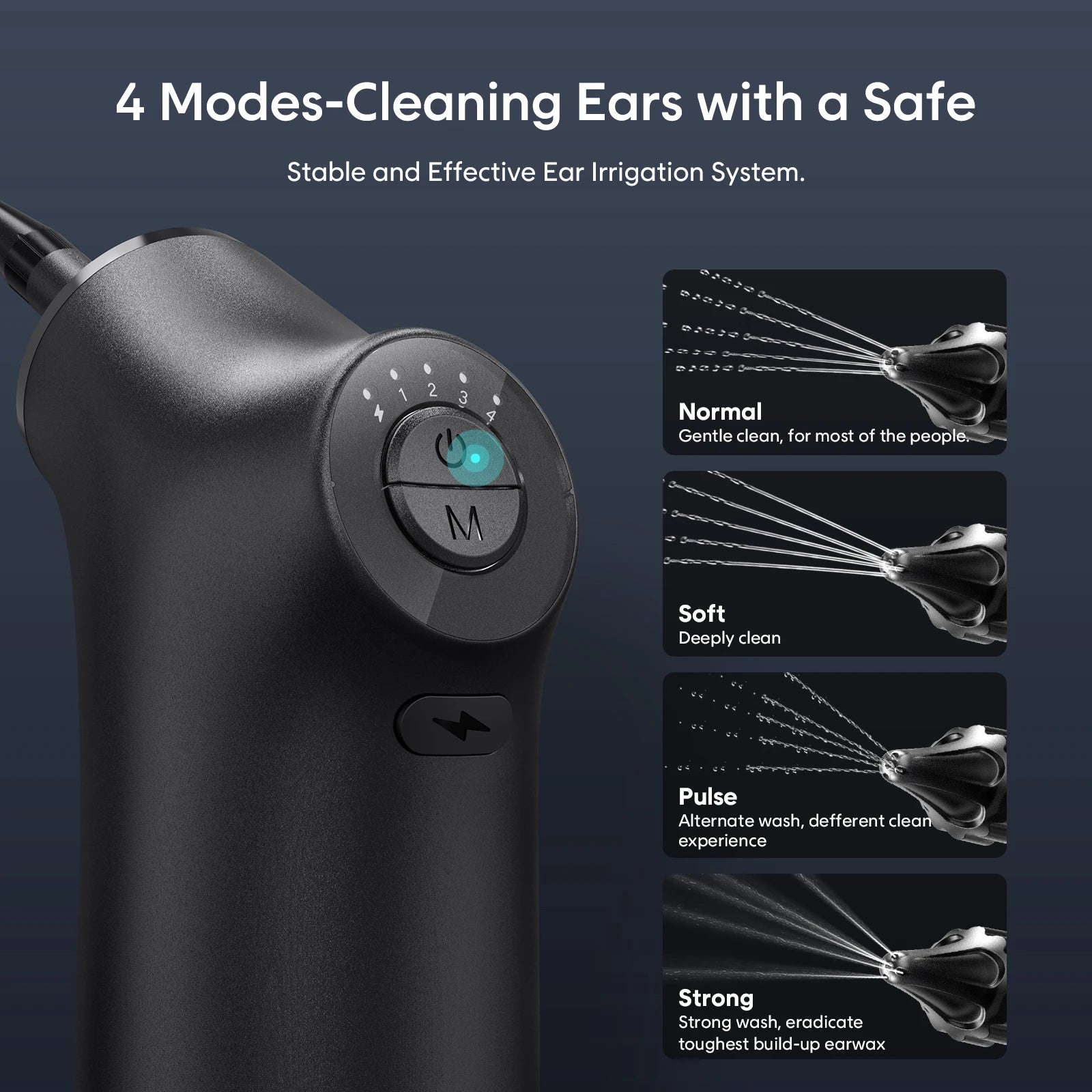
Protect your hearing with safe ear cleaning methods — See it in action
Experience gentle, effective cleaning with the KentDO Electric Ear Cleaner — limited stock available!













