

How Can You Remove Foot Calluses Safely at Home?
The safest way to remove foot calluses at home is to soften the thickened skin, gently exfoliate it with an appropriate tool, moisturize afterward, and reduce the pressure or friction that caused the callus. Safe foot callus removal at home should never leave your skin raw, bleeding, or painful. If you have diabetes, poor circulation, neuropathy, or an infected or bleeding callus, seek medical advice before attempting home treatment.
Follow these simple steps for effective, low-risk callus care:
- Soak your feet in warm (not hot) water for 10–15 minutes to soften hardened skin.
- Gently remove loose dead skin with a pumice stone, manual foot file, or electric callus remover using light pressure.
- Apply a moisturizing cream, preferably one containing urea or other skin-softening ingredients, to keep skin supple.
- Repeat treatment only 1–2 times per week to avoid irritation while preventing excessive buildup.
How to Remove Foot Calluses Safely at Home
⏱ 7 min read · Thick, rough calluses can make your feet feel uncomfortable, catch on socks, and eventually develop painful cracks. Fortunately, learning how to remove calluses from feet at home doesn't require harsh scraping or risky DIY methods. With the right routine, you can gradually smooth thickened skin, protect healthy tissue, and reduce the chances of calluses returning. This guide explains safe, effective home care, the best tools to use, and when professional treatment is the better choice.

Electric foot care tools simplify how to remove foot calluses gently at home. See it in action.
Wondering whether a traditional pumice stone or a powered foot file is the better option? The following sections compare both approaches and explain how to remove calluses safely without damaging healthy skin.
What Are Foot Calluses and Why Do They Form?
Foot calluses are areas of thickened, hardened skin that develop in response to repeated pressure and friction. Rather than being harmful on their own, they serve as your body's natural protective barrier. Calluses most commonly appear on the heels, soles, balls of the feet, and beneath the toes—areas that absorb the greatest force while standing or walking.
Although ordinary calluses are usually painless, excessive buildup can become rough, dry, cracked, or uncomfortable. Understanding what causes them is the first step toward getting rid of foot calluses safely and preventing them from returning.
- Ill-fitting shoes that create constant rubbing or pressure.
- Standing, walking, or exercising for long periods on hard surfaces.
- Dry skin that thickens more quickly under repeated friction.
- Foot structure or walking patterns that place extra pressure on certain areas.
- Barefoot walking on rough surfaces, which increases repeated mechanical stress.
Most foot calluses can be managed with regular home care. However, if a thickened area becomes unusually painful, rapidly changes in appearance, bleeds, shows signs of infection, or resembles a wart or other skin lesion, it should be evaluated by a healthcare professional instead of being treated as a routine callus.
How to Remove Foot Calluses Safely at Home
Successful foot callus removal at home focuses on gradual improvement rather than removing every layer in one session. Thickened skin develops over time, so it often takes several treatments to restore smoother feet safely. Gentle exfoliation, consistent moisturizing, and reducing friction produce better long-term results than aggressive scraping.
Why Gentle Removal Protects Your Feet
Healthy skin should never feel raw, bleed, or become severely painful after treatment. Using light pressure allows you to remove only loose, hardened skin while preserving the healthy tissue underneath. If the area becomes tender, stop filing and continue moisturizing until the skin has recovered before your next maintenance session.
Whether you choose a pumice stone, manual foot file, or electric device, patience is key. Repeated gentle care is safer and more effective than trying to remove a thick callus all at once.
Step-by-Step Foot Callus Treatment at Home
Step 1: Check Your Feet Before Starting
Before beginning treatment, examine your feet under good lighting. Home callus care is appropriate only for intact, thickened skin. If you notice open cuts, bleeding, swelling, drainage, signs of infection, or severe pain, postpone treatment and seek medical advice.
Step 2: Soften the Callused Skin
Fill a basin with comfortably warm—not excessively hot—water and soak your feet for 10 to 15 minutes. You may add Epsom salt or a gentle soap if desired, but prolonged soaking isn't necessary and may dry the skin afterward. Dry your feet lightly before exfoliating so you can clearly see the callused areas.
Step 3: Gently File or Exfoliate Thickened Skin
Select the tool that best matches the thickness of your callus and your comfort level:
- Pumice stone: Best for light maintenance and mild calluses.
- Manual foot file: Offers greater control for moderate buildup.
- Electric callus remover: Suitable for thicker calluses when used with light pressure and only a few passes over each area.
- Keratolytic creams: Products containing urea or salicylic acid can gradually soften stubborn calluses between filing sessions.
Work in gentle, consistent motions instead of pressing hard. Stop immediately if the skin becomes sore, pink, or sensitive. Never use razor blades, knives, scissors, or other sharp objects to cut away calluses.
Step 4: Apply a Moisturizer or Callus-Softening Cream
After exfoliating, rinse away loose skin, pat your feet dry, and apply a generous layer of moisturizer. Creams containing urea help soften remaining thickened skin, while rich emollients help reduce moisture loss and keep the skin flexible, lowering the risk of future cracks.
Step 5: Protect the Area and Repeat as Needed
Wear supportive footwear and well-fitting socks to reduce repeated friction after treatment. Clean and dry reusable tools according to the manufacturer's recommendations before storing them to help maintain good hygiene. Most people only need to repeat callus removal once or twice per week as part of an ongoing foot care routine.
Tip: If a callus returns quickly despite regular care, consider whether poorly fitting footwear, prolonged standing, or abnormal pressure points may be contributing to the problem.
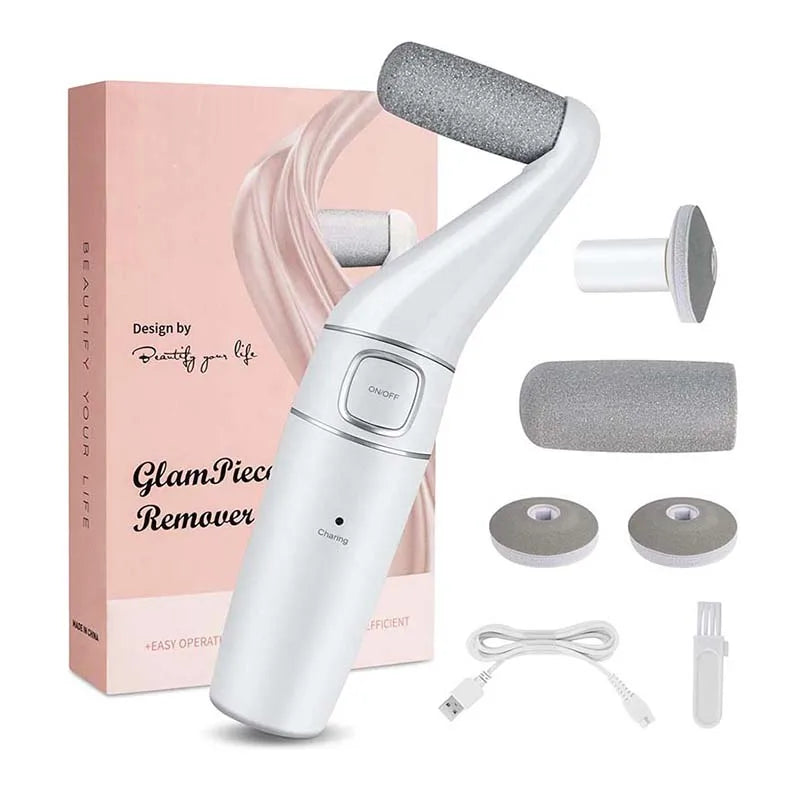
Controlled exfoliation removes dead skin safely while helping maintain smooth, healthy-looking feet. Try it yourself.
Best Tools for Home Callus Removal
Manual vs Electric Callus Files
The best tool depends on how thick your calluses are, how sensitive your skin is, and how much control you prefer during treatment. Both manual and electric options can safely remove foot calluses when used correctly, but each serves a different purpose.
| Tool | Best For | Advantages | Things to Consider |
|---|---|---|---|
| Pumice stone | Light calluses and routine maintenance | Gentle, inexpensive, easy to control | Requires regular use for noticeable results |
| Manual foot file | Moderate callus buildup | Good precision and gradual exfoliation | Avoid excessive pressure on sensitive skin |
| Electric callus remover | Thicker or stubborn calluses | Fast, consistent, and less physically demanding | Use light pressure and avoid repeated passes over one area |
| Urea or salicylic acid cream | Dry, thickened skin between treatments | Softens calluses gradually with regular use | Follow product directions and discontinue if irritation develops |
If you are new to home callus removal or have sensitive skin, a pumice stone or manual file often provides the greatest control. Those with thicker calluses may appreciate the convenience of an electric device, provided it is used gently and stopped as soon as healthy skin is reached.
Recommended Foot Care Tools
- Pumice stone or natural volcanic stone for routine maintenance.
- Manual foot file with an ergonomic, non-slip handle for controlled exfoliation.
- Electric foot file with replaceable rollers and multiple grit options for thicker calluses.
- Moisturizing foot cream or a urea-based lotion to soften dry skin after treatment.
- Warm-water soaking basin and a clean towel dedicated to foot care.
An electric tool can make routine maintenance more convenient by providing consistent exfoliation with less effort. For the best results, allow the rotating roller to do the work instead of pressing firmly against the skin.
Modern options like an electric foot callus remover feature adjustable speeds and washable rollers, making it easier to remove thickened skin while maintaining good control during treatment.
Explore more options in Body Care and Health Devices to find foot care tools that suit your comfort level and maintenance routine.
Foot Callus Prevention for Long-Term Smoothness
Getting rid of foot calluses is only part of the solution. Preventing repeated pressure and friction helps reduce future buildup and minimizes the need for frequent exfoliation.
- Choose properly fitted shoes that provide adequate cushioning and support for your daily activities.
- Wear moisture-wicking socks that reduce friction and help keep skin dry.
- Moisturize your feet every day to maintain skin flexibility and reduce cracking.
- Perform light maintenance with a pumice stone or foot file once or twice weekly before calluses become thick.
- Use protective cushions, heel cups, or padding if specific pressure points repeatedly develop calluses.
- Replace worn footwear that no longer provides proper support or shock absorption.
- If calluses consistently return in the same location, consider having your gait, footwear, or foot structure evaluated by a healthcare professional.
A consistent foot callus treatment routine that combines supportive footwear, regular moisturizing, and gentle maintenance is typically more effective than repeatedly removing thick calluses after they have already formed.
Common Mistakes That Make Calluses Worse
Even with the right tools, certain habits can make calluses thicker, more painful, or slower to heal. Avoiding these common mistakes helps protect healthy skin while making home callus removal more effective.
- Cutting or shaving calluses with blades or sharp tools: Removing thickened skin this way greatly increases the risk of cuts, bleeding, and infection.
- Removing too much skin in one session: Aggressive exfoliation can leave the underlying skin tender and encourage additional protective skin buildup.
- Applying excessive pressure: Whether using a pumice stone, manual file, or electric device, pressing too hard can irritate healthy skin without improving results.
- Treating already tender or damaged skin: Pause treatment if the area becomes sore or irritated, and allow the skin to recover before your next maintenance session.
- Skipping moisturizer after exfoliation: Dry skin hardens more easily, making calluses return sooner and increasing the risk of cracking.
- Ignoring the source of friction: Shoes that fit poorly, worn-out insoles, or repetitive pressure can cause calluses to reappear even after successful treatment.
- Over-treating the same area: Most people only need gentle maintenance once or twice each week rather than frequent filing.
When Not to Remove Calluses
Home treatment is not appropriate for every situation. Certain medical conditions and skin changes increase the risk of injury or infection and should be assessed by a healthcare professional before attempting self-care.
Diabetes, Neuropathy, or Reduced Sensation
If you have diabetes or reduced feeling in your feet, you may not notice cuts or burns during treatment. Even minor skin injuries can become serious, so consult your healthcare provider or podiatrist before performing foot callus removal at home.
Poor Circulation or Slow-Healing Skin
People with poor circulation or conditions that delay healing are more likely to experience complications after skin injuries. Professional guidance helps reduce the risk of wounds that heal slowly or become infected.
Open, Cracked, Bleeding, or Infected Skin
Do not file or exfoliate areas with open wounds, deep cracks, active bleeding, redness, swelling, drainage, or signs of infection. These conditions require appropriate medical evaluation rather than routine callus care.
Similarly, painful corns, suspected plantar warts, or unexplained skin growths should not be treated as ordinary calluses. If a callus becomes increasingly painful, returns rapidly despite proper care, or changes noticeably in appearance, seek professional assessment to determine the underlying cause.
Do’s and Don’ts of Home Callus Removal
Use this quick checklist to keep foot callus removal safe, effective, and part of a healthy long-term foot care routine.
- Do: Soften callused skin with a 10–15 minute warm-water soak before exfoliating.
- Do: Use gentle tools such as a pumice stone, manual foot file, or electric callus remover with light pressure.
- Do: Clean and dry reusable tools after every use to help maintain good hygiene.
- Do: Apply a moisturizing or urea-based foot cream after each treatment to maintain soft, flexible skin.
- Do: Stop treatment if the skin becomes painful, bleeds, or develops significant irritation.
- Don't: Cut, shave, or scrape calluses with knives, razors, scissors, or other sharp objects.
- Don't: Use harsh DIY acids or repeatedly file the same area in one session.
- Don't: Treat open wounds, infected skin, or bleeding cracks at home.
- Don't: Ignore recurring calluses caused by poorly fitting footwear or abnormal pressure points.
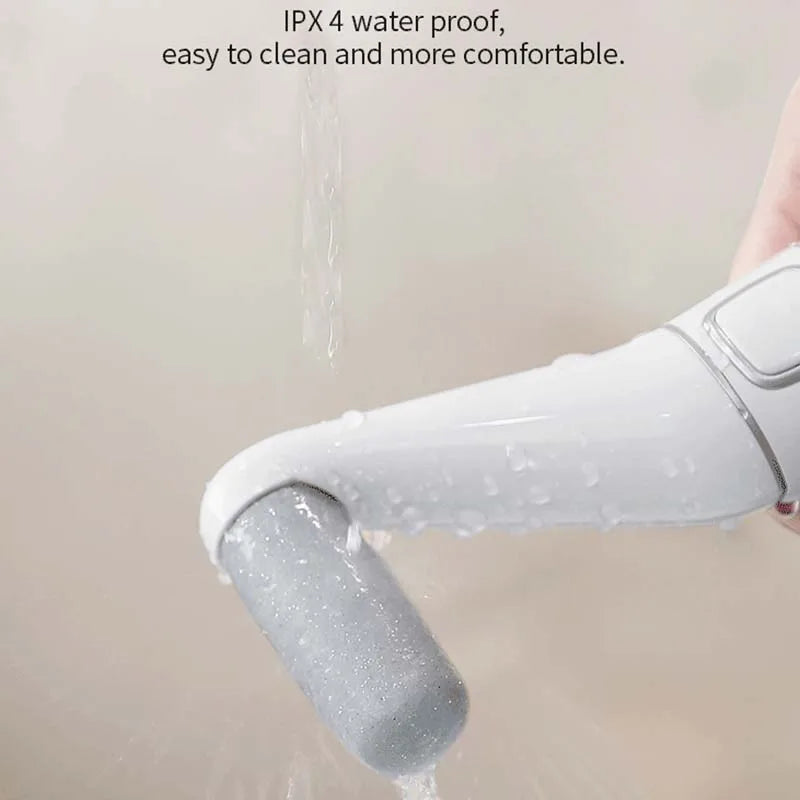
Smooth heels start with the right foot care device. See the results.
For those building a complete self-care routine, related tools are available in Skin and Beauty Care Devices and Nail Care Devices . You may also find an electric foot massager for foot comfort or a heated foot bath massager helpful for maintaining relaxed, healthy feet between callus care sessions.
Frequently Asked Questions
How Can I Safely Remove Foot Calluses at Home?
Soften the skin by soaking your feet in warm water for 10–15 minutes, gently exfoliate with a pumice stone, manual foot file, or electric foot file, then apply a moisturizer. Safe callus removal should improve the skin gradually without causing bleeding or significant pain.
How Often Should I Remove Foot Calluses?
Most people only need gentle maintenance once or twice each week. More frequent treatment can irritate healthy skin and encourage additional thickening.
Is It Safe to Remove Calluses at Home?
Yes, if you have healthy skin and follow proper techniques. Home treatment is not recommended for people with diabetes, poor circulation, neuropathy, infected skin, or open wounds unless advised by a healthcare professional.
Can Electric Foot Files Hurt?
Electric foot files are designed to be safe when used according to the manufacturer's instructions. Apply only light pressure, avoid holding the roller in one spot for too long, and stop if the skin becomes tender.
What Helps Calluses From Coming Back?
Daily moisturizing, supportive footwear, moisture-wicking socks, and gentle weekly maintenance help prevent excessive callus buildup. Addressing recurring pressure points is equally important for long-term results.
How to Soak Calluses Off Feet Effectively?
Soak your feet in comfortably warm water for 10–15 minutes. Adding Epsom salt or a mild cleanser is optional, but avoid excessively hot water or prolonged soaking, which can dry the skin. After soaking, gently exfoliate and moisturize.
When Should You Not Remove a Foot Callus at Home?
Avoid home treatment if you have diabetes, poor circulation, reduced sensation, open wounds, signs of infection, bleeding calluses, or unexplained skin growths. In these situations, a healthcare professional or podiatrist can recommend the safest treatment approach.













