

How can you run home during blackout without damaging appliances?
Run home during blackout situations safely by using a properly sized backup power system that delivers stable, utility-quality AC power. Whether you choose a generator, battery backup, or solar with battery storage, the goal is to maintain consistent voltage, avoid dangerous backfeeding, and protect sensitive electronics from damaging surges when power is restored.
How to Power Your Home During a Blackout Safely
Power outages don't just interrupt your daily routine—they can also reduce the lifespan of expensive appliances if electricity is restored improperly. Learning how to power your home during a blackout safely helps protect electronics, keeps essential systems running, and reduces the risk of electrical hazards. With the right preparation, you can keep your household comfortable while avoiding unnecessary equipment damage.
⏱ 9 min read
Explore safer ways to keep essentials running during outages
Protect appliances when you run home during blackout with clean, stable backup power.
How to Power Your Home During an Outage Safely
Power your home during the first minutes of a blackout
When the lights go out, stay calm and verify whether the outage affects only your home or the surrounding neighborhood. Turn off or unplug unnecessary electronics, leave one light switched on to indicate when utility power returns, and avoid opening refrigerators and freezers more than necessary.
Most appliance damage occurs when electricity returns—not when it disappears. Sudden voltage fluctuations can stress compressors, circuit boards, and electronic controls. Using surge protection, a transfer switch, or a quality inverter-based backup system significantly reduces this risk.
Prioritize essential circuits
If backup power is limited, focus on critical loads first:
- Refrigerator and freezer
- Medical equipment
- Internet modem and router
- Essential lighting
- Phone chargers
- Sump pumps where applicable
Prioritizing these circuits allows you to power your home during an outage while avoiding overloads.
Why Power Outages Can Damage Your Home and Appliances
Power surges after restoration
When utility service resumes, voltage can fluctuate briefly before stabilizing. These temporary surges may damage televisions, computers, HVAC control boards, refrigerators, and other electronics that contain sensitive components.
Voltage fluctuations explained
Many modern appliances rely on electronic control boards that expect stable voltage and frequency. Poor-quality backup power or overloaded generators may produce inconsistent electricity, causing motors to overheat, displays to reset, or protective circuits to trip.
Common blackout myths
- Myth: Blackouts instantly destroy appliances.
- Reality: Damage usually occurs during restoration or improper generator use.
- Myth: Any generator is safe for electronics.
- Reality: Power quality varies significantly between generator types.
- Myth: More generator wattage automatically means safer power.
- Reality: Correct installation and voltage stability matter just as much.
How Much Backup Power Does Your Home Need?
Essential appliance wattage
Estimate the running wattage of devices you truly need during an outage.
- Refrigerator: 600–800W
- LED lighting: 100–200W
- Wi-Fi router: 10–20W
- Laptop: 50–100W
- Television: 80–200W
- Sump pump: 800–1500W startup
Estimating total load
Add together the running wattage of essential devices, then include additional capacity for startup surges from motors and compressors. Choosing a system with approximately 20–30% extra capacity improves efficiency and reduces strain.
Whole-home vs essential backup
Whole-home backup systems can power nearly every circuit but cost significantly more. Many homeowners instead choose essential-load backup, which keeps critical appliances operating while reducing battery size, fuel use, and installation costs.
Backup Power Options Compared
Portable generators
Portable generators provide high output at relatively low cost but require fuel, outdoor operation, and careful connection using a transfer switch.
Permanently installed standby generators start automatically when grid power fails. They are ideal for frequent outages but involve higher purchase and installation costs.
Battery backup systems
Battery backup systems deliver quiet operation with minimal maintenance. They provide stable electricity suitable for electronics and produce no exhaust emissions during use.
Solar with battery storage
Solar panels paired with batteries allow stored energy to power your home day or night during outages. Battery capacity determines how long essential circuits remain available.
Inverter power stations
Portable inverter power stations are convenient for apartments, small homes, remote work, and emergency preparedness. Their pure sine wave output is well suited for sensitive electronics.
For additional planning, see Battery Backup for Home Power Outage and Reliable Home Battery Backup .
Step-by-Step Guide to Running Your Home During a Blackout
Prepare before an outage
- Create a list of essential appliances.
- Test backup equipment several times each year.
- Keep batteries charged and generator fuel fresh.
- Store flashlights and emergency supplies together.
Operate generators safely
- Place generators at least 20 feet from your home.
- Keep exhaust away from doors, windows, and vents.
- Use heavy-duty extension cords when appropriate.
- Never plug a generator directly into household outlets without a transfer switch .
Use batteries and inverters safely
- Connect only essential circuits.
- Avoid exceeding the inverter's rated capacity.
- Monitor battery charge during extended outages.
- Recharge batteries whenever utility power or solar energy becomes available.
Restore grid power safely
When electricity returns, disconnect backup equipment according to manufacturer instructions before reconnecting household loads. Turn large appliances back on gradually instead of restarting everything simultaneously.
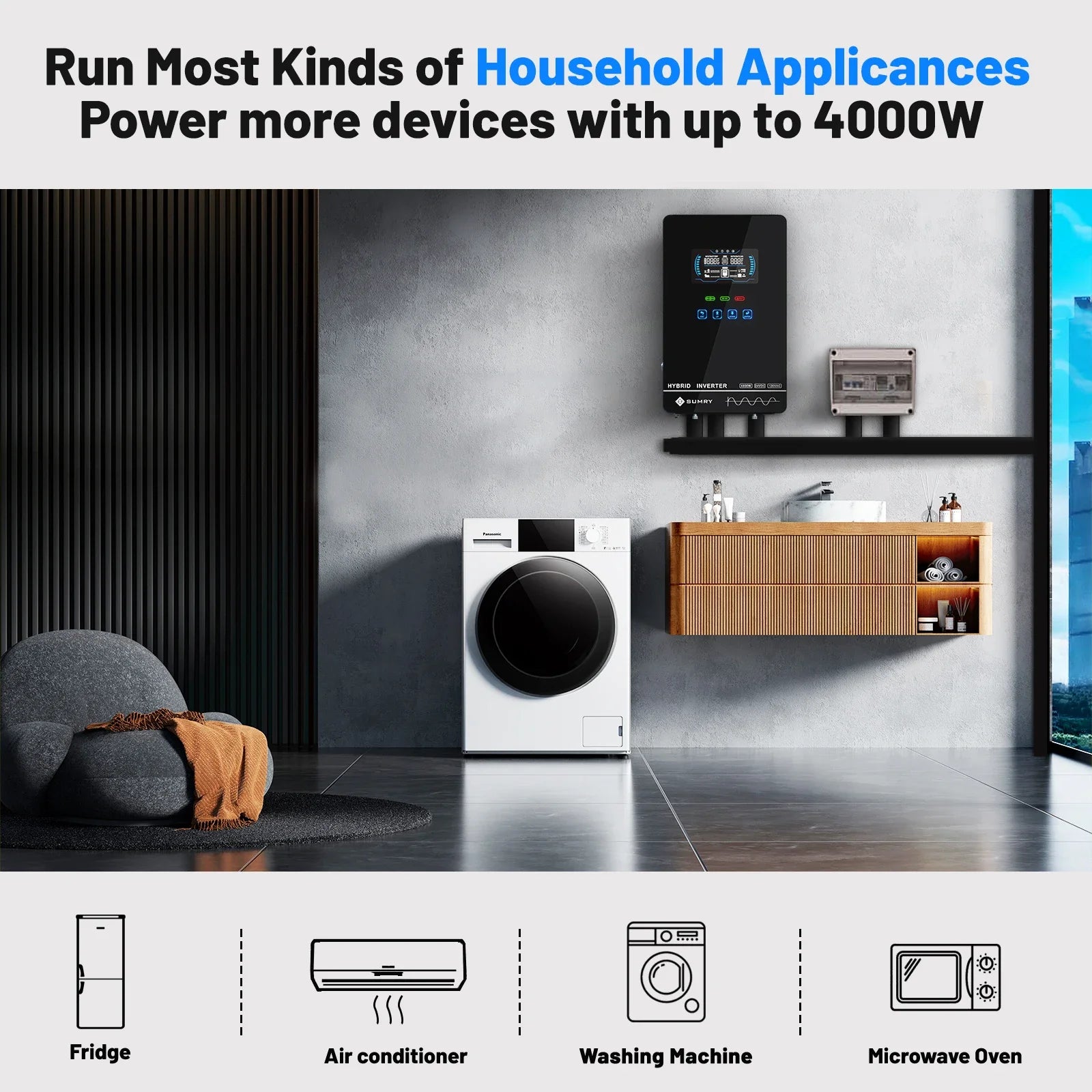
Backup solar power helps deliver reliable electricity for essential household circuits.
Generator vs Battery Backup vs Solar: Which Is Right for You?
| Feature | Generator | Battery Backup | Solar + Battery |
|---|---|---|---|
| Initial Cost | Low to Medium | Medium | Highest |
| Operating Noise | High | Silent | Silent |
| Fuel Required | Yes | No | No |
| Maintenance | Regular | Minimal | Low |
| Best For | Long outages | Electronics and essentials | Long-term resilience |
If winter outages are common, you may also find Best Heater for Power Outage and Heater for Camping in Car useful for emergency planning.
What to Unplug During a Power Outage
Sensitive electronics
- Desktop computers
- Gaming consoles
- Televisions
- Home theater equipment
- Network devices without surge protection
Large appliances
Leave refrigerators and freezers connected only if they will be powered by your backup system. Delay restarting air conditioners, electric water heaters, and other large loads until power stabilizes.
Devices to leave connected
Medical equipment, security systems with battery backup, and monitored alarm systems should remain connected according to manufacturer recommendations.
Short vs Long Power Outages: What Changes?
Outages under 4 hours
- Keep refrigerator and freezer doors closed.
- Use battery power sparingly.
- Avoid running unnecessary appliances.
Extended outages
- Monitor generator fuel or battery capacity.
- Rotate electrical loads if necessary.
- Follow local food safety recommendations.
- Recharge batteries whenever possible.
Food and HVAC considerations
Food generally stays safe longer when refrigerators remain closed. During extreme temperatures, prioritize heating or cooling systems only if your backup power system is appropriately sized to support them.
For lifestyle-focused resilience and preparedness, many readers explore resources from the Lifestyle collection to complement their home energy setup.
Frequently Asked Questions
What is the safest way to power a house during an outage?
The safest option is a properly installed backup system that uses a transfer switch or dedicated backup circuits while providing stable, utility-quality power.
Can I run my whole home with a portable generator?
Usually not. Most portable generators are designed to support selected essential appliances rather than every electrical circuit in the house.
How much backup power does an average home need?
Essential-load backup commonly ranges from 2,000 to 5,000 watts, while whole-home systems require substantially more depending on heating, cooling, and appliance usage.
Should I unplug appliances during a blackout?
Yes. Unplug sensitive electronics that are not needed to reduce the chance of surge damage when electricity returns.
Can I use an inverter to power my home during an outage?
Yes. A properly sized inverter with sufficient battery capacity can safely power selected household circuits and sensitive electronics.
Do solar panels work during a blackout?
Standard grid-tied solar systems typically shut down for safety unless paired with battery storage or specialized backup equipment.
How far should a generator be from the house?
Always operate portable generators at least 20 feet away from doors, windows, and vents to reduce the risk of carbon monoxide entering the home.
What is the difference between a standby generator and a battery backup?
Standby generators produce electricity using fuel and start automatically during outages, while battery backup systems store electricity in rechargeable batteries and operate quietly with little maintenance.
Discover safer, quieter ways to power your home with confidence
Related Guide: Backup Power for Power Outages Step-by-Step Home Setup













