

How can you stay warm camping on freezing nights?
To stay warm camping on freezing nights, focus on a complete warmth system instead of relying on a single piece of gear. The most effective approach combines body heat generation, insulation, ground protection, wind control, moisture management, and safe backup heat methods. Prioritize keeping your sleeping area dry, insulating yourself from the cold ground, and preventing heat loss before temperatures drop.
⏱ 9 min read
How to Stay Warm Camping in Freezing Weather (Complete System Guide)
Freezing nights can turn an exciting outdoor trip into a sleepless struggle. Staying warm camping in winter is not about carrying the most equipment—it is about creating a reliable system that protects your body heat. By combining proper insulation, smart layering, campsite preparation, and safe heat strategies, you can stay comfortable, safe, and well-rested even in below-freezing conditions.
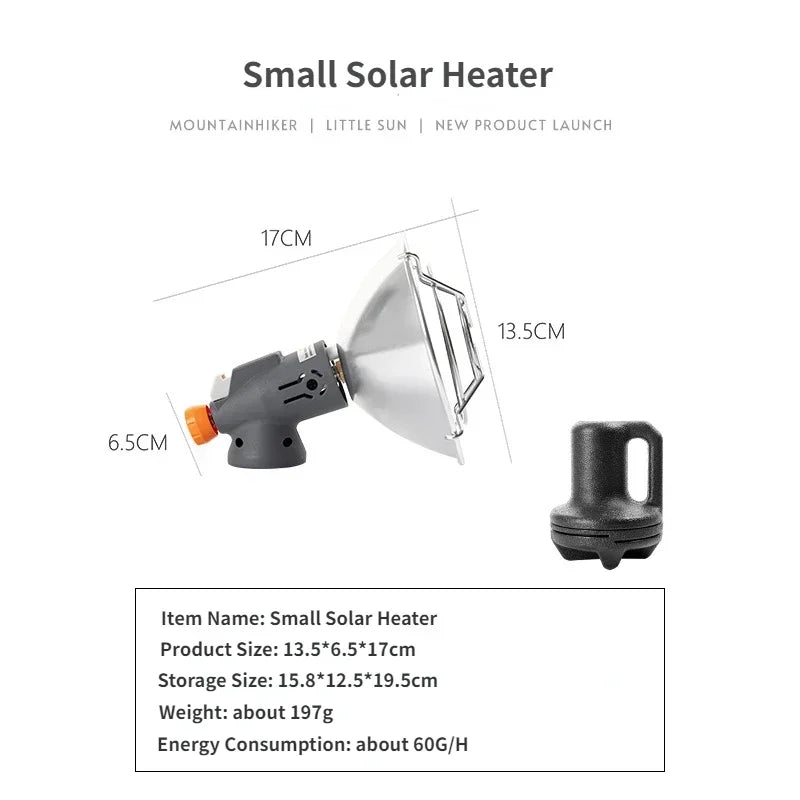
Smart gear choices make staying warm while camping easier See it in action
The 5-Layer Winter Camping Warmth System (Core Framework)
To stay warm camping in winter, you need more than isolated tricks or extra clothing. A reliable cold-weather setup works as a connected system where each layer prevents a different type of heat loss. These winter camping warmth tips follow a simple priority order: create heat, trap heat, protect against heat loss, and maintain comfort throughout the night.
Whether you are camping in freezing temperatures for one night or preparing for longer winter trips, each part of the system supports the others. A warm sleeping bag cannot perform well without ground insulation, and insulated clothing becomes less effective when moisture or wind removes trapped heat.
Body Heat Generation
Your body is the primary heat source during cold-weather camping. Staying active, eating enough calories, and maintaining circulation help your body produce consistent warmth before and during the night.
Light movement before getting into your sleeping bag can help warm your body naturally. However, avoid intense exercise that causes sweating, because damp clothing can quickly reduce insulation performance once you stop moving.
Insulation (Clothing & Sleep System)
Insulation works by trapping warm air close to your body. Your clothing layers and sleep system should work together to create a barrier between your body and freezing temperatures.
A proper winter setup includes dry base layers, insulating mid layers, weather protection, and a sleeping system designed for the expected temperature. Adding more clothing is not always better—effective insulation depends on keeping layers dry and allowing them to maintain trapped air.
Ground Heat Loss Prevention
The ground can remove body heat quickly through direct contact, making ground insulation one of the most important parts of staying warm camping in winter. Even a high-quality sleeping bag cannot fully protect you if cold temperatures transfer through the ground underneath.
A properly insulated sleeping pad creates a barrier that slows heat loss and improves overnight comfort. For freezing conditions, choose insulation based on temperature, surface conditions, and your sleeping setup rather than relying on a sleeping bag alone.
Wind & Moisture Protection
Wind and moisture are two of the biggest threats to warmth outdoors. Wind removes the layer of warm air around your body, while moisture from sweat, rain, or condensation reduces the effectiveness of insulation.
Managing moisture starts with breathable clothing layers and dry sleeping clothes. Protecting your campsite from wind exposure also helps your tent, clothing, and sleeping system maintain warmth more efficiently.
Emergency Heat Backup
Even a well-planned winter camping system benefits from backup heat options. Extra warmth can come from insulated layers, warm water containers, or approved outdoor heating equipment used according to safety instructions.
Emergency heat should support your insulation system—not replace it. The safest approach is to prevent heat loss first and use additional heat sources only when appropriate.
Smart Layering System Explained (Base, Mid, Outer Layers)
The key to staying warm camping in winter is layering correctly—not simply wearing more clothing. Each layer has a specific purpose: controlling moisture, retaining heat, and protecting against outside conditions.
Base Layer: Moisture Control
Your base layer sits closest to your skin and should help move sweat away from your body. Staying dry is essential because moisture can reduce warmth and make cold conditions feel much harsher.
Choose breathable materials designed for moisture management and avoid cotton as a primary cold-weather layer because it can hold moisture and lose insulating ability when wet.
Mid Layer: Heat Retention
The mid layer provides insulation by trapping warm air around your body. Materials such as fleece or insulated fabrics can provide warmth without unnecessary bulk.
The best mid layers balance warmth, weight, and breathability. You should be able to add or remove insulation easily as your activity level changes throughout the day.
Outer Layer: Wind & Weather Shield
The outer shell protects your insulation from wind, snow, and rain. Without weather protection, even high-quality insulating layers can lose effectiveness when exposed to harsh conditions.
A reliable outer layer helps maintain the warm environment created by your base and mid layers while reducing heat loss from wind exposure.
Pro Tip: Always Sleep in Dry Clothes
Change into completely dry clothing before bed. Even slightly damp clothes from daytime activity can reduce warmth overnight and make your sleeping system less effective.
Ground Insulation Explained: R-Value and Heat Loss Prevention
When camping in freezing temperatures, protecting yourself from the ground is just as important as choosing warm clothing or a cold-weather sleeping bag. The ground pulls heat away through direct contact, so a properly insulated sleeping surface is essential for sleeping warm camping during cold nights.
Why Ground Drains Heat Fastest
The ground removes body heat through conduction, which occurs when your warm body comes into direct contact with a colder surface. Unlike cold air, solid surfaces can transfer heat away more efficiently, making an uninsulated sleeping area one of the fastest ways to become uncomfortable overnight.
A sleeping bag provides insulation around your body, but the insulation underneath you becomes compressed by your weight and loses much of its ability to trap warm air. This is why a quality sleeping pad is one of the most important pieces of cold weather camping gear.
Choosing the Right R-Value
R-value measures how effectively a sleeping pad resists heat transfer. A higher R-value means better insulation against cold surfaces and improved warmth during winter camping conditions.
For cold-weather camping, many campers choose sleeping pads with a combined R-value around 4–6 or higher depending on the expected temperature, snow conditions, and personal comfort needs. Always consider the entire sleep system rather than judging warmth based on the sleeping bag alone.
Layering Sleeping Pads
Combining sleeping pads is an effective strategy for increasing insulation in extreme cold. A closed-cell foam pad placed underneath an inflatable pad adds another protective barrier and helps reduce heat loss from frozen or snowy ground.
Layered pads also provide backup protection if one pad loses performance during a trip. This approach is especially useful for camping in freezing temperatures where ground conditions can change quickly.
Snow Camping Setup
Snow can act as an insulating surface when properly managed, but direct contact with cold snow still creates heat loss risks. Flatten your sleeping area, remove uneven pressure points, and build a reliable insulation barrier before setting up your sleep system.
Build a Sleep System That Keeps You Warm All Night
Your sleep system determines whether you stay comfortable through freezing nights. A complete setup combines a properly rated sleeping bag, insulation layers, moisture control, and heat retention strategies rather than depending on one piece of equipment.
Sleeping Bag Temperature Ratings
Choose a sleeping bag based on the expected overnight temperature, not just the lowest number listed on the packaging. Temperature ratings can vary by testing standards, and some ratings represent survival limits rather than a comfortable sleeping experience.
For winter camping, select a bag with an appropriate temperature rating margin and consider factors such as wind exposure, humidity, clothing layers, and your personal cold tolerance.
Bag + Liner + Clothing Strategy
A sleeping bag works best when combined with the right supporting layers. A compatible liner can add warmth, while dry base layers and insulating sleep clothing help maintain body heat throughout the night.
Avoid going to bed in damp daytime clothing. Moisture trapped inside your sleeping system reduces insulation performance and can make cold nights much harder to manage.
Hot Water Bottle & Heat Retention Hacks
Preheating your sleeping bag with a hot water bottle before bedtime can make the first part of the night more comfortable. Place it securely inside your sleeping area and use proper containers designed for hot water handling.
In very cold conditions, advanced campers may use vapor barrier strategies to reduce moisture buildup inside insulation layers. These techniques require proper understanding and should be used carefully to avoid creating damp conditions.
Many experienced campers pair their system with lifestyle-focused gear found in the Lifestyle collection to enhance comfort and recovery.
Safe Heat Generation Strategies While Camping
Generating heat safely is a key part of staying warm camping in winter. Additional heat can improve comfort, but it should always support proper insulation and preparation rather than replace them.
Body Heat Through Movement
Light movement before bedtime can increase circulation and help your body create warmth naturally. Simple activities such as walking around camp or organizing gear can help you feel warmer before entering your sleeping system.
Avoid exercising heavily enough to sweat because moisture can reduce insulation performance once you stop moving.
Food as Fuel for Warmth
Your body needs energy to maintain heat production in cold conditions. A warm meal or high-energy snack before sleeping can support your metabolism during the night.
Combining proper nutrition with insulation helps your body maintain warmth more efficiently during winter camping trips.
Safe Heater Use
Only use heaters specifically designed for outdoor environments and follow all manufacturer safety instructions. Fuel-burning heaters require proper ventilation because enclosed spaces can create serious safety risks.
Never operate a fuel-based heater inside a sealed tent or sleeping area. A properly insulated shelter and safe heating practices are essential when camping in freezing temperatures.
Fire Safety in Cold Conditions
Open flames inside tents or enclosed shelters create fire and air-quality hazards. Keep fires and flames outside sleeping areas, and maintain a safe distance between heat sources and flammable materials.
One reliable option many campers trust is a compact solution like this portable camping gas heater stove , designed for controlled warmth during outdoor downtime.
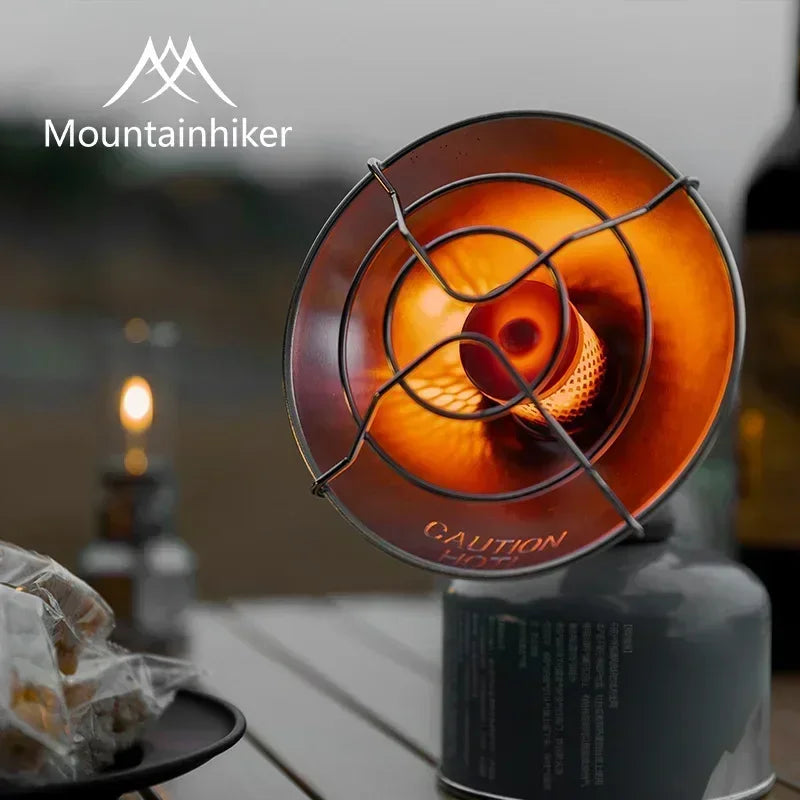
Controlled heat boosts cold camping nights warmth See it in action
Tent Setup Strategies for Freezing Temperatures
Your tent setup has a direct impact on overnight comfort. Even with excellent clothing and a quality sleep system, poor campsite selection or excessive wind exposure can increase heat loss and make freezing nights far less comfortable.
Choosing the Right Campsite Location
Select a campsite on slightly elevated ground whenever possible. Cold air naturally settles in valleys, depressions, and low-lying areas, making these locations noticeably colder during the night.
Look for level ground that drains well, avoids standing water, and provides a stable surface for your sleeping system. If camping on snow, compact the snow before pitching your tent to create a more stable foundation.
Wind Direction & Natural Barriers
Wind removes the warm air surrounding your shelter and increases the effects of cold temperatures. Position your tent behind natural windbreaks such as trees, large rocks, shrubs, or terrain features whenever available.
Face the smallest side of your tent toward prevailing winds and position the entrance away from strong gusts to reduce drafts each time you enter or exit.
Ventilation vs Heat Retention Balance
Completely sealing a tent may seem like the warmest option, but trapped moisture from breathing can create heavy condensation inside the shelter. Damp sleeping bags and clothing lose insulating performance much faster than dry gear.
Maintain enough ventilation to reduce condensation while still protecting the tent from excessive wind. Small adjustments to vents often provide a better balance between warmth and moisture control.
Heat From Within: Food, Calories & Hydration Strategy
Your body relies on energy, hydration, and circulation to generate heat throughout the night. Proper nutrition is one of the simplest ways to improve comfort while staying warm camping in winter.
Why Calories = Heat
Your metabolism produces heat as it converts food into energy. During cold-weather camping, your body typically burns more calories than it would in mild conditions because it must work harder to maintain core temperature.
Eating enough throughout the day supports consistent energy levels and helps your body continue producing warmth after you crawl into your sleeping bag.
Best Foods Before Sleeping
A warm evening meal containing protein, healthy fats, and complex carbohydrates provides lasting energy for overnight heat production. Foods that digest gradually help maintain warmth longer than sugary snacks that provide only a short burst of energy.
A small bedtime snack can also be helpful before sleeping, particularly during extended winter camping trips or especially cold nights.
Hydration's Role in Temperature Regulation
Cold weather often reduces the feeling of thirst, but dehydration still affects circulation and your body's ability to regulate temperature efficiently.
Drink water regularly throughout the day and evening, while avoiding excessive alcohol, which can increase heat loss despite creating a temporary feeling of warmth.
Extreme Cold Survival Tips (Below Freezing Conditions)
When temperatures drop below freezing, every part of your camping system becomes more important. Small mistakes that are manageable in cool weather can quickly become serious problems during prolonged exposure to freezing conditions.
What Changes Below 0°C / 32°F
Below the freezing point, moisture can freeze inside equipment, batteries lose efficiency, and cold surfaces draw heat away more rapidly. Clothing, footwear, and sleeping gear must stay as dry as possible to maintain their insulating properties.
Regularly check your hands, feet, and face for signs of excessive cold, and address discomfort early before it develops into a larger problem.
Managing Wet Conditions & Snow
Snow and wet clothing dramatically reduce insulation performance. Brush snow off clothing before entering your tent, store wet gear separately when possible, and change into dry sleep clothing before bed.
Keeping gloves, socks, and insulating layers dry is often one of the biggest factors in maintaining comfort during multi-day winter camping trips.
Emergency Warming Techniques
If someone becomes dangerously cold, move them to shelter immediately, replace wet clothing with dry layers, add insulation, and provide warm drinks or high-energy food if they are alert and able to eat safely.
Shared body heat, insulated sleeping systems, and protected shelters can help restore warmth while waiting for conditions to improve or for additional assistance if needed. Monitor for persistent shivering, confusion, or loss of coordination, as these may indicate a more serious cold-related emergency that requires prompt attention.
Common Mistakes That Steal Your Heat at Night
Even high-quality winter camping gear cannot compensate for common mistakes that allow body heat to escape. Avoiding these errors can significantly improve comfort and help you stay warm throughout freezing nights.
- Sleeping in damp or sweaty clothes: Moisture reduces insulation performance and accelerates heat loss.
- Using an under-rated sleeping bag: Choose a sleeping bag designed for temperatures lower than the expected overnight conditions.
- Skipping ground insulation: Cold ground transfers heat rapidly, making a properly insulated sleeping pad essential.
- Overheating before bed: Excessive activity can cause sweating, leaving clothing damp once your body cools down.
- Poor campsite selection: Camping in low-lying areas or exposed windy locations increases overnight heat loss.
- Not eating enough before sleeping: Your body needs calories to generate heat during long, cold nights.
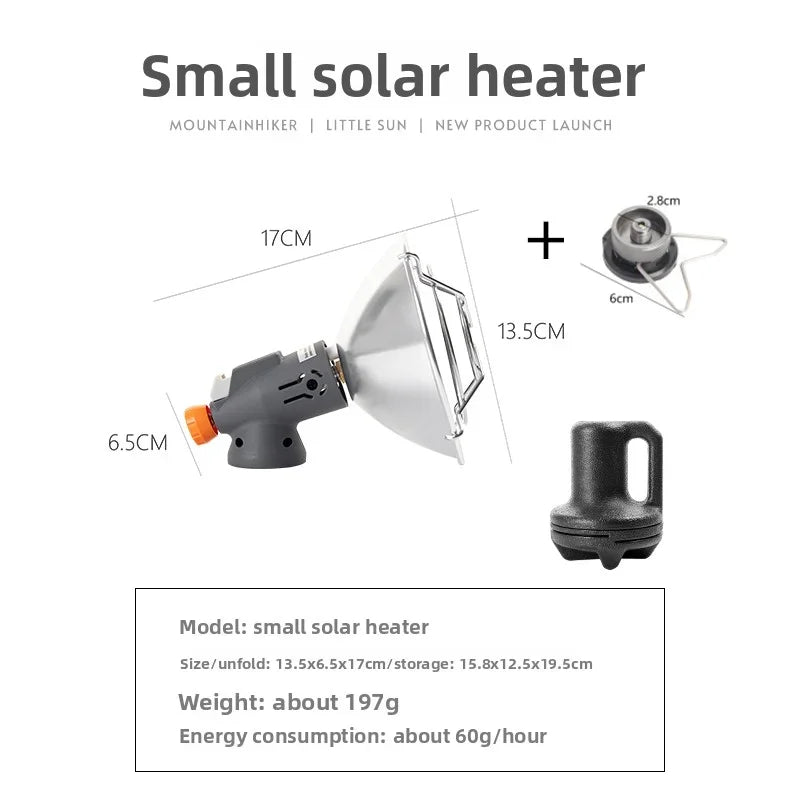
Confidence and comfort on cold nights ❄️ See it in action
Cold Weather Camping FAQs
How cold is too cold for camping?
There is no single temperature that is too cold for every camper. Comfort depends on your experience, clothing, shelter, sleeping system, and weather conditions. Many campers remain comfortable around 20°F (-6°C) with appropriate winter gear, while more extreme conditions require specialized equipment and additional preparation.
What is the best way to stay warm in a tent at night?
The best approach is to combine several strategies: sleep in dry clothing, use an appropriately rated sleeping bag, insulate yourself from the ground with a quality sleeping pad, eat a warm meal before bed, and keep your tent well ventilated to reduce condensation.
How do you sleep warm in freezing temperatures?
Create a complete sleep system by combining a cold-weather sleeping bag, insulated sleeping pad, dry base layers, and a sleeping bag liner if needed. Warming your sleeping bag with a hot water bottle before bedtime can also improve comfort during the first part of the night.
Can you use a heater safely inside a tent?
Fuel-burning heaters should never be used inside a sealed tent. If you use a camping heater, follow the manufacturer's safety instructions, ensure adequate ventilation where required, and use equipment specifically designed for outdoor environments.
What should you wear to sleep while winter camping?
Wear clean, dry base layers designed for cold weather along with dry socks and, if needed, a warm hat. Avoid sleeping in damp clothing worn during daytime activities because trapped moisture reduces insulation.
Why do I feel colder at night when camping?
Your activity level decreases while sleeping, reducing natural heat production. Overnight temperatures also tend to drop, and moisture, wind, inadequate insulation, or insufficient food intake can all contribute to feeling colder after dark.
How do you stay warm camping without electricity?
Focus on insulation instead of electric heat. Layer clothing properly, use an insulated sleeping pad and cold-weather sleeping bag, eat high-energy meals, stay hydrated, keep clothing dry, and choose a campsite that offers protection from wind exposure.













